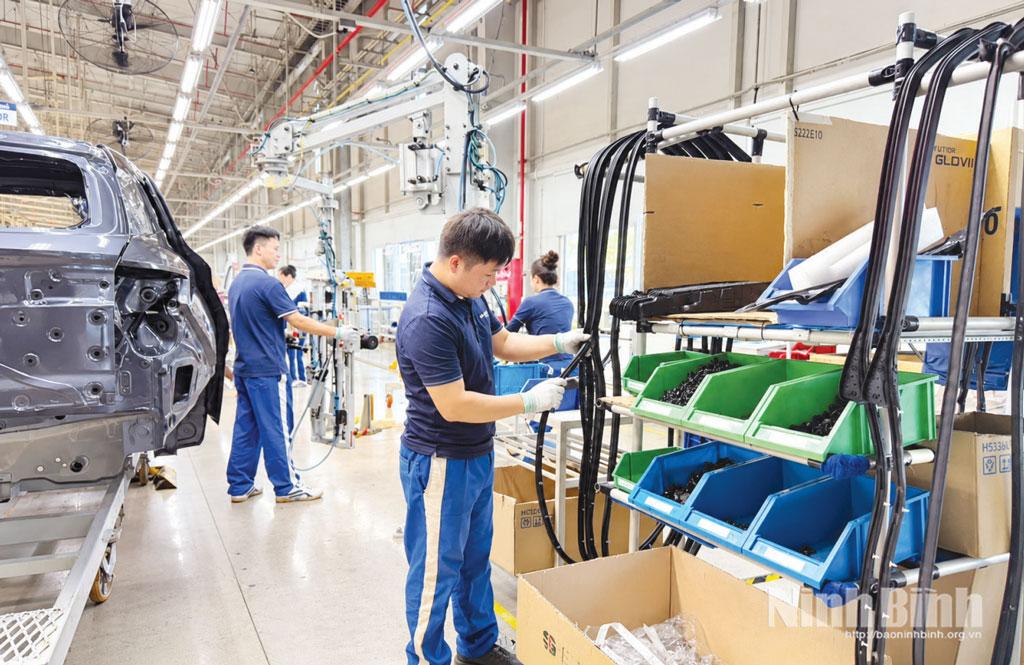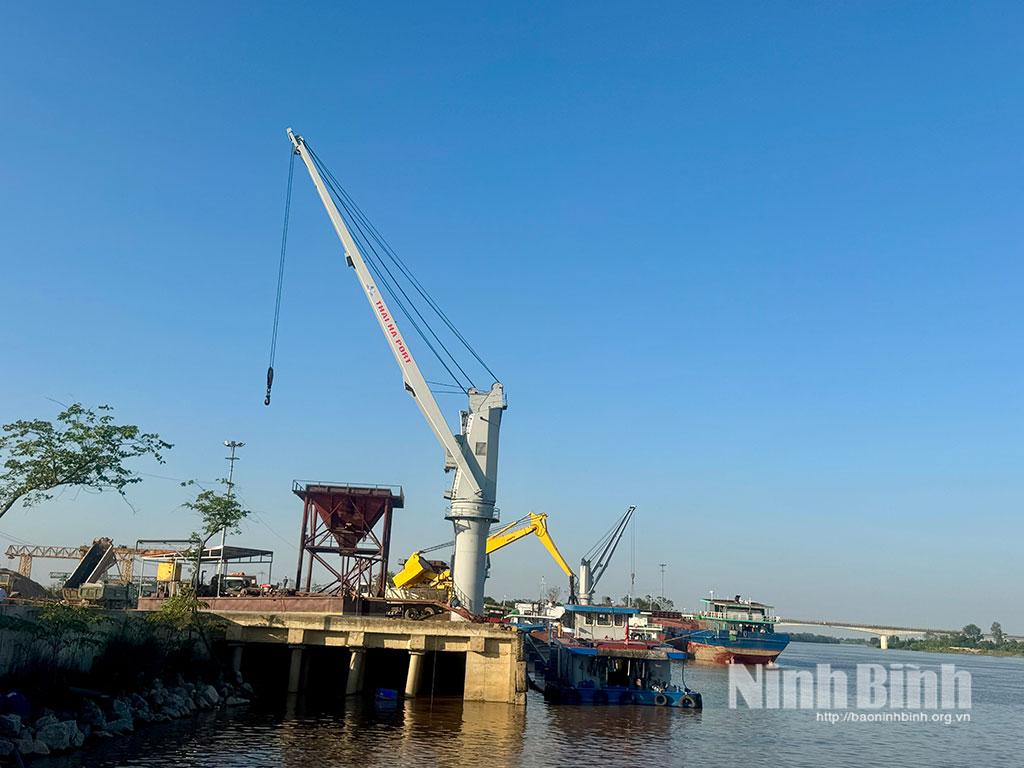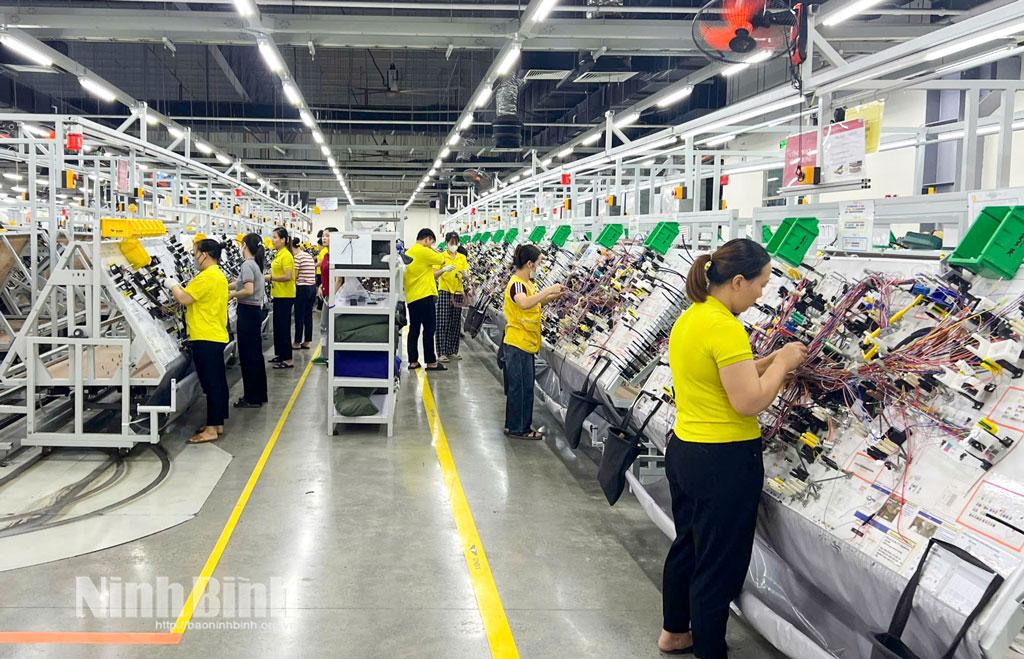
Ninh Binh’s total social investment exceeds 78.56 trillion VND in first half of 2026
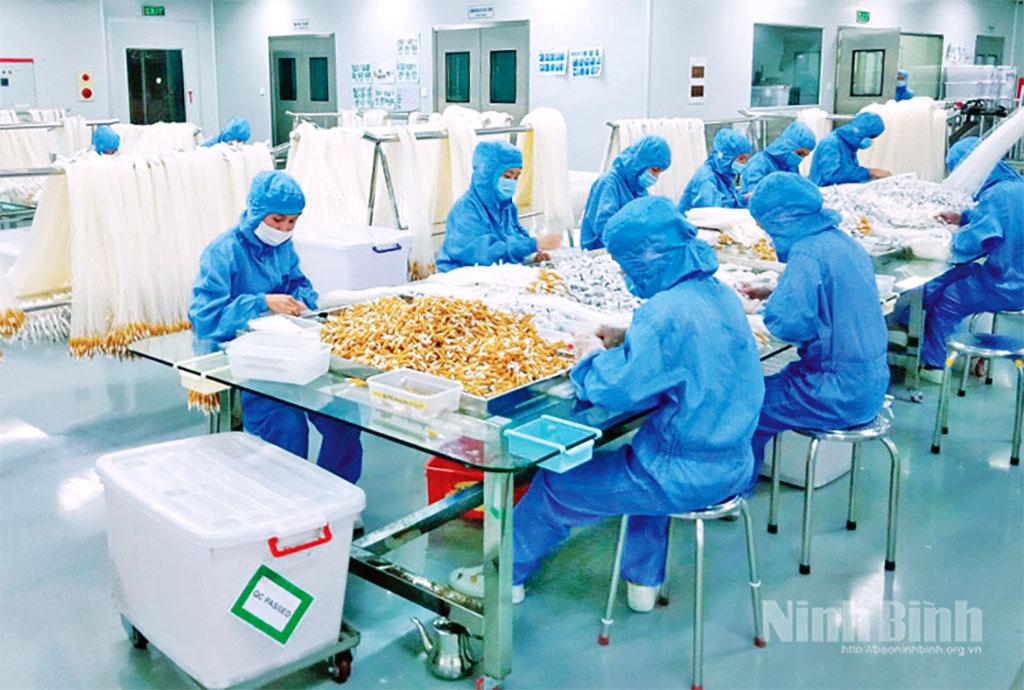
Investment promotion and business development in Ninh Binh province recorded positive results in the first half of 2026.
After the Politburo issued Resolution No. 57-NQ/TW, the forestry sector identified digital transformation and the application of science and technology as a “key” solution for improving the quality of forest management, monitoring, and protection in the new situation.
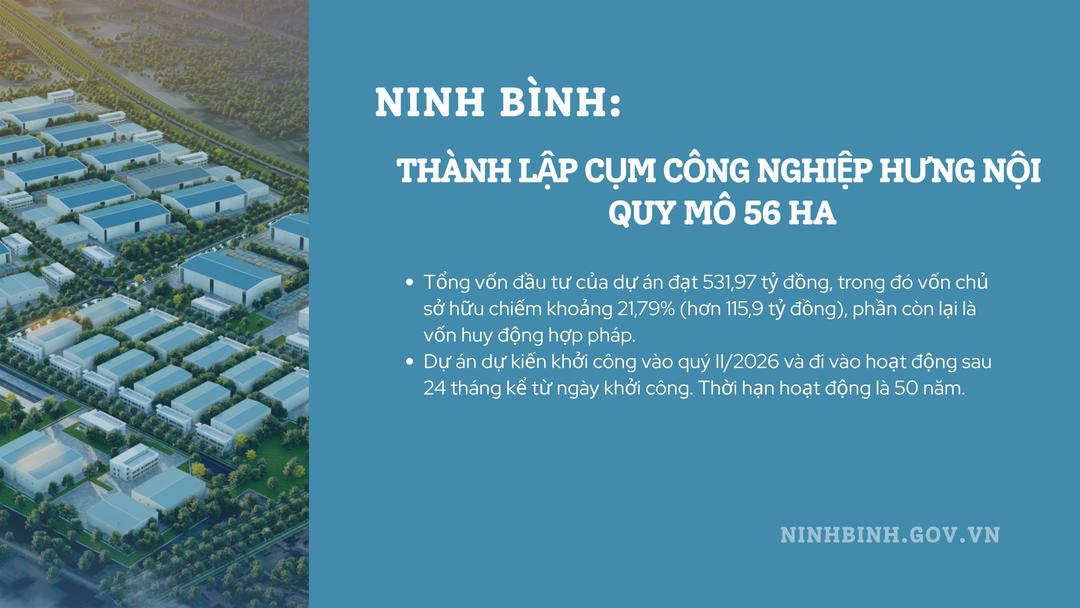
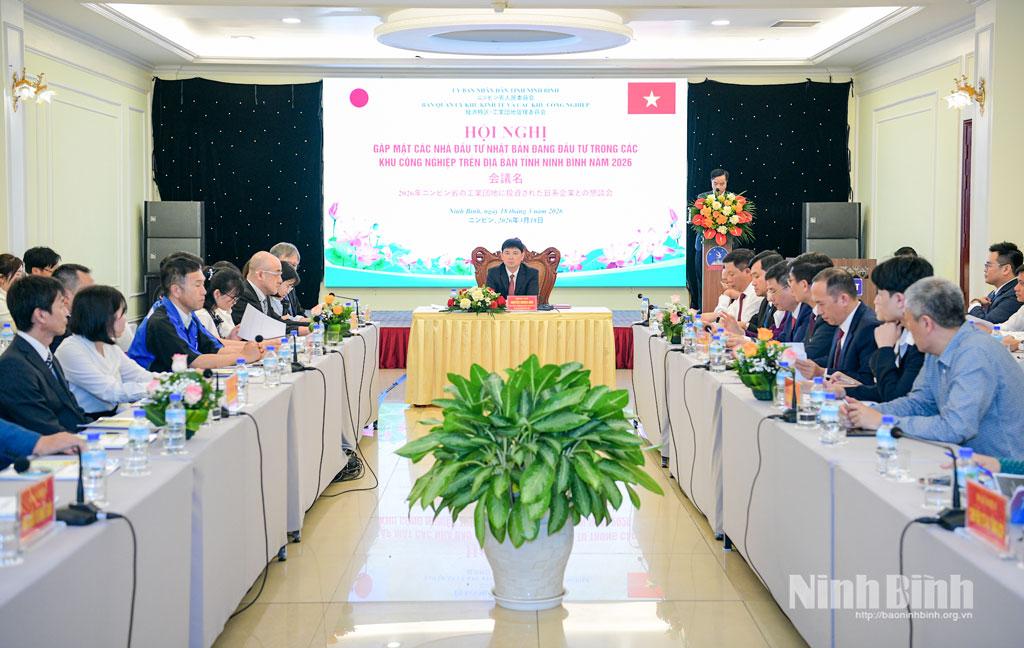
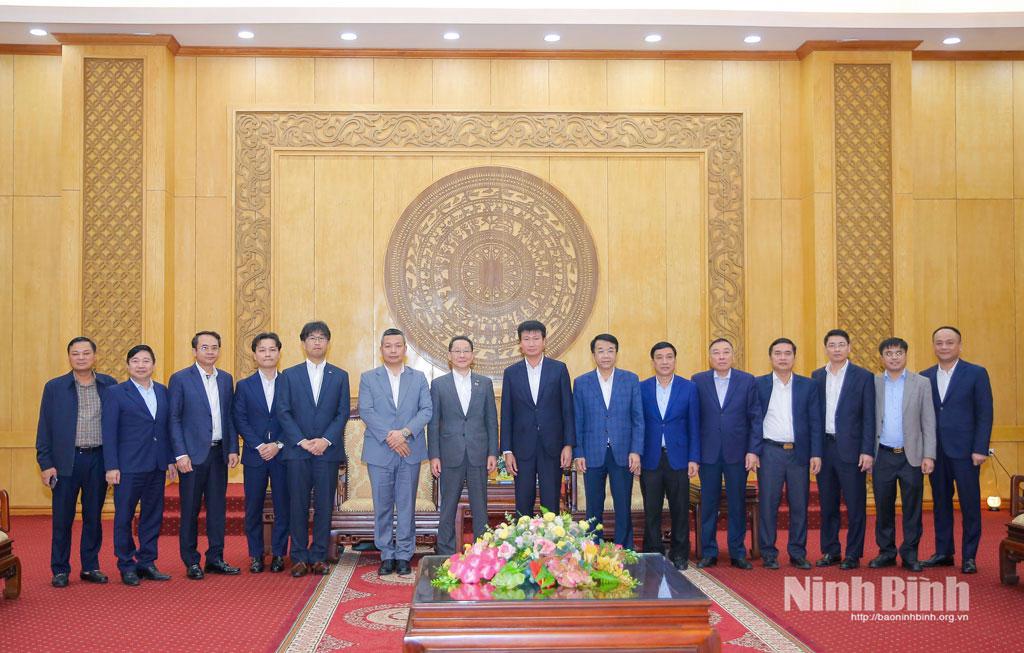
At a working session on December 9 with Secretary of the provincial Party Committee Dang Xuan Phong, a joint venture between Terra Vietnam JSC and Japan’s Daiwa House Industry Co. Ltd. expressed their wish to invest in a smart-sustainable industrial park (IP) in Ninh Binh province.
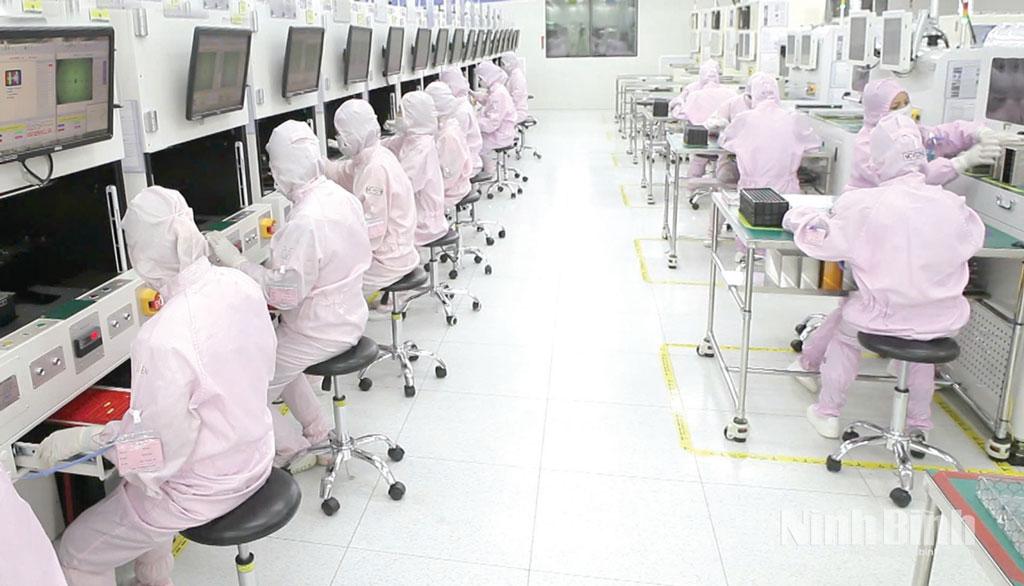
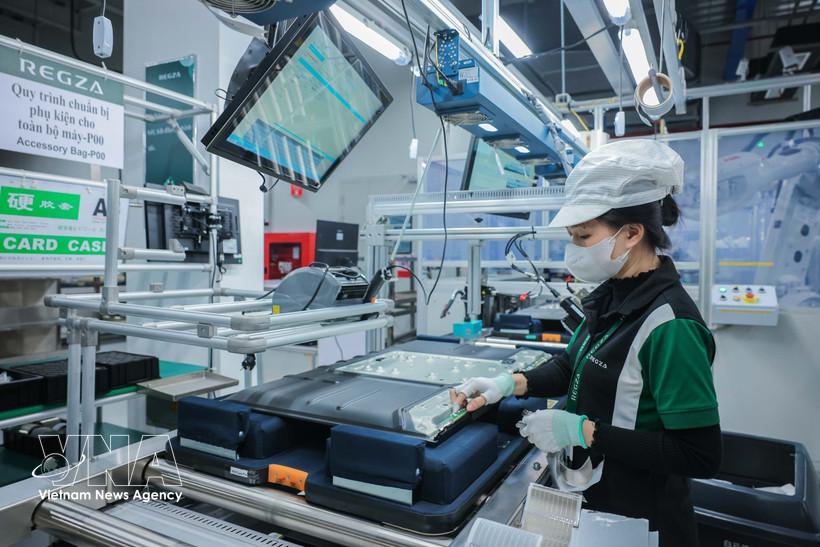
With the determination to improve the investment environment and improve the quality of human resources, Ninh Binh province is ready to welcome a new "wave" of investment, especially in the high-tech sector.
After the administrative unit arrangement, Ninh Binh province has a population of about 4.4 million people, with 129 commune-level administrative units (97 communes and 32 wards). The urban population (calculated by wards) is 1.36 million people, the urbanisation rate (calculated by ward population) is 30.74%. The province aims to have an urbanisation rate of 60.1% by 2030.
Viet Nam disbursed 553.25 trillion VND (20.98 billion USD) in public investment over the past 11 months, equivalent to 60.6% of the plan set by the Prime Minister and up 2.4% year-on-year, the Ministry of Finance reported.
The sector recorded a trade surplus of 1.88 billion USD in November 4.7% lower than in October but 43.3% higher than the same period last year.
The Ninh Binh provincial People’s Committee has issued a plan on expanding exports in the 2026-2030 period, setting an export growth target of 12% per year to reach 40 billion USD by 2030.
A joint report by the HCM City Institute for Development Studies and international partners estimates that the city alone will need about 990 trillion VND (nearly 38 billion USD) for its green transition and digital transformation over the next decade, averaging 4 billion USD annually.
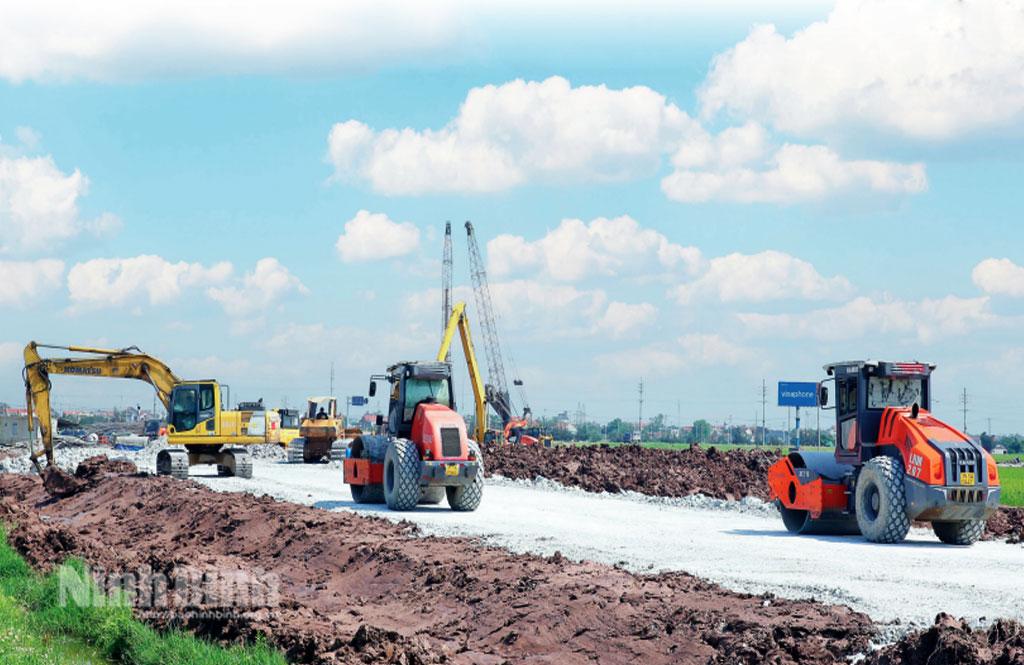
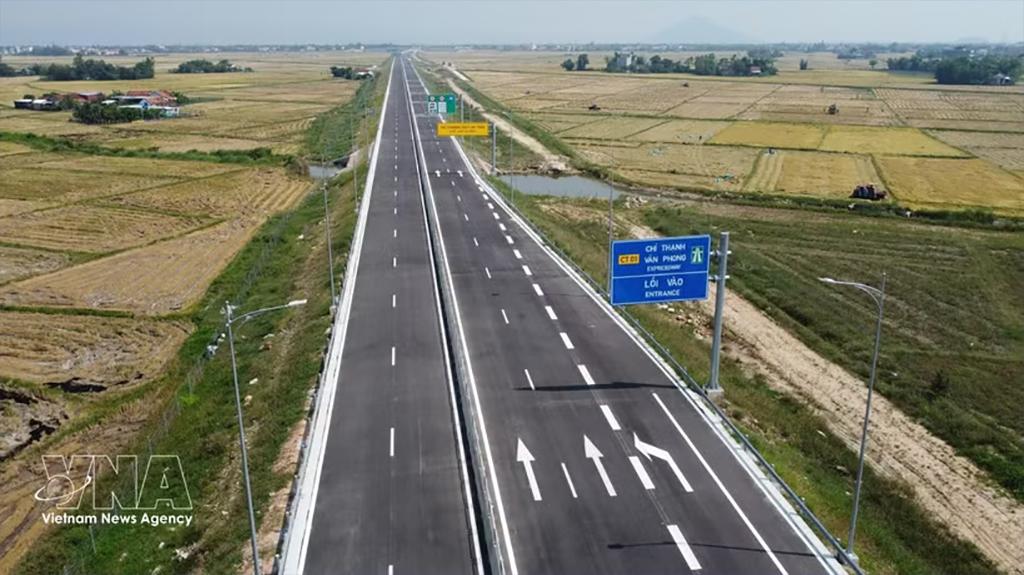
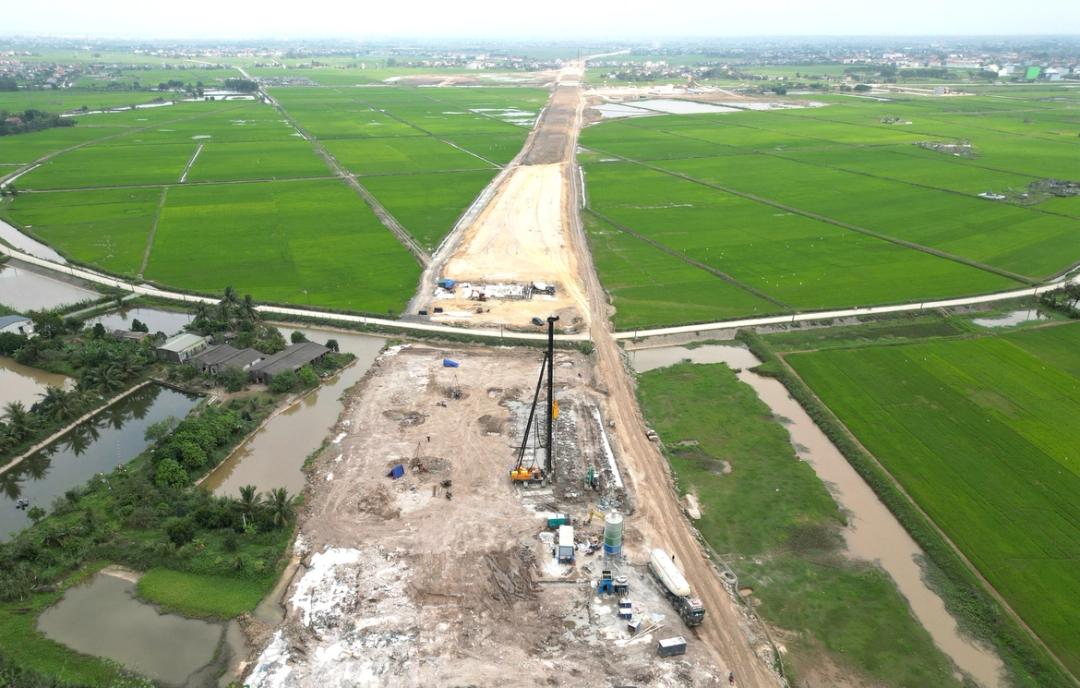
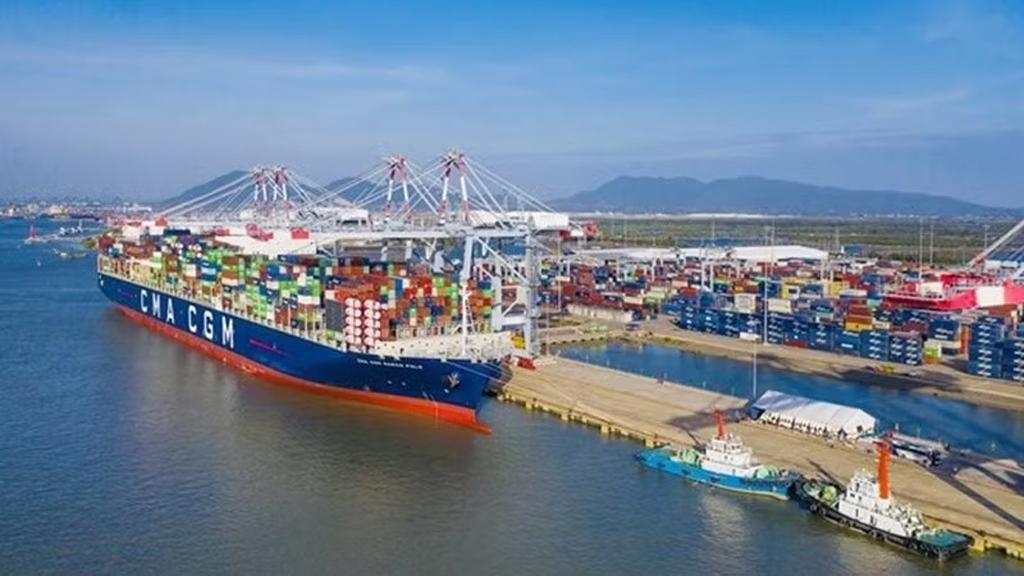
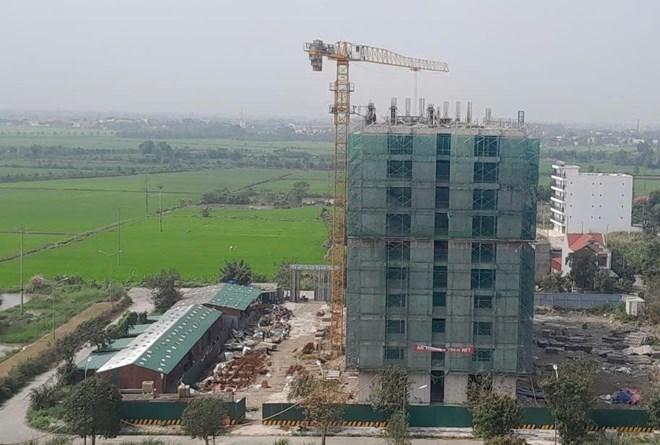
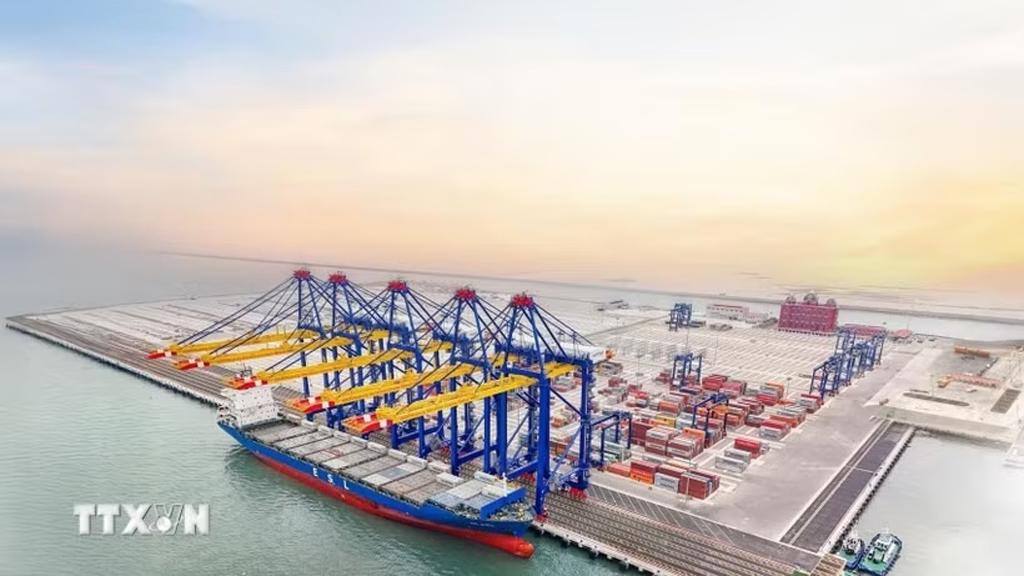
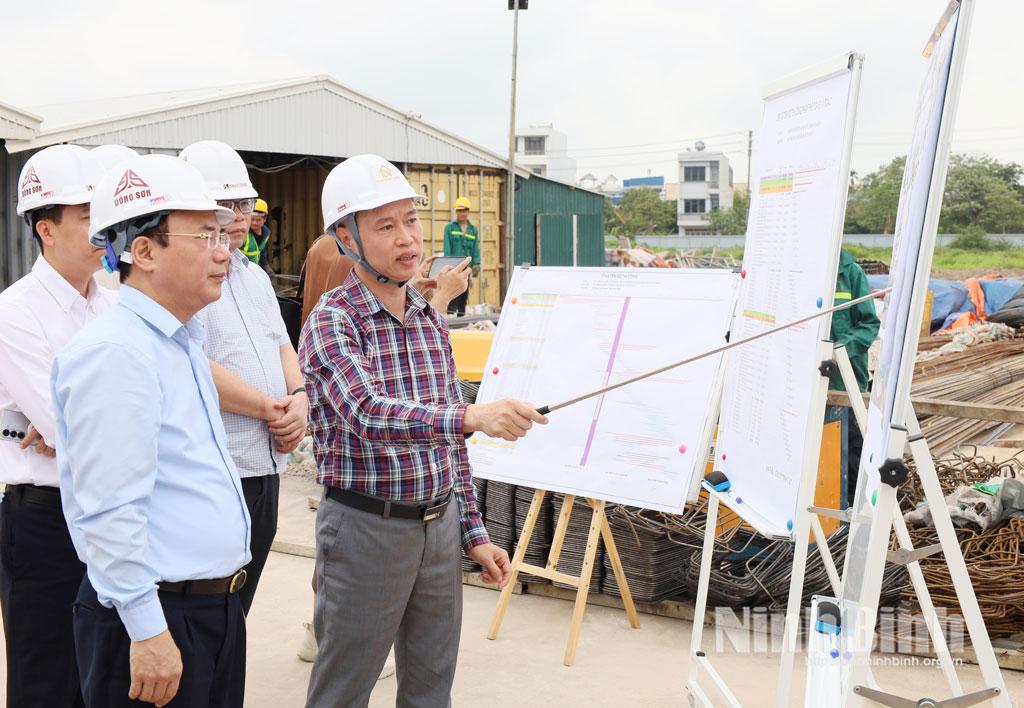
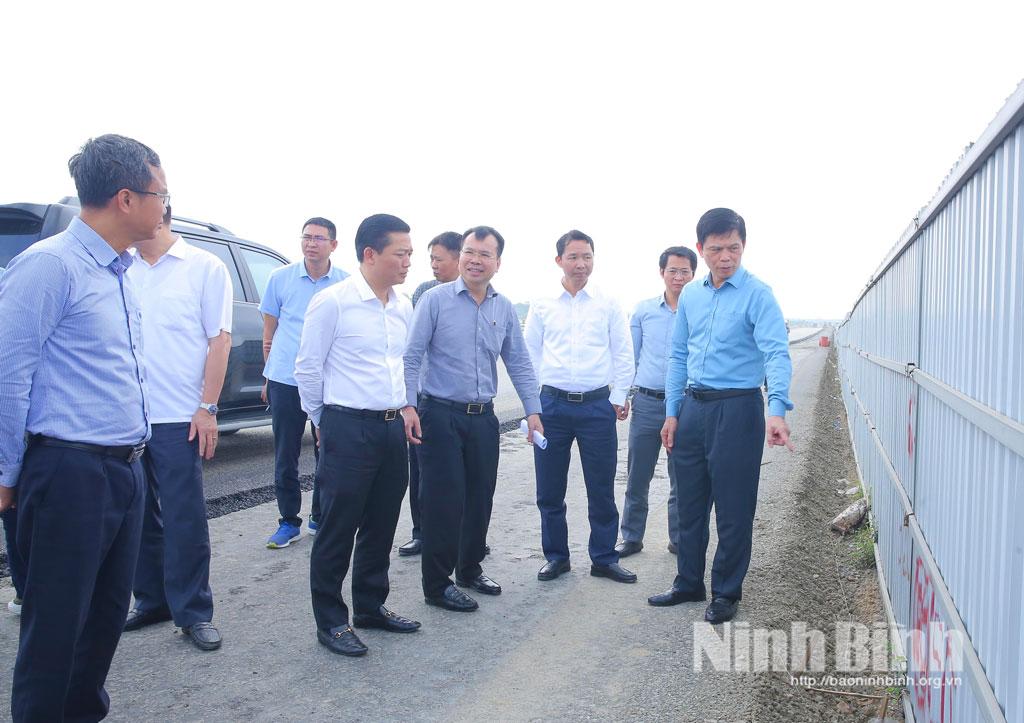
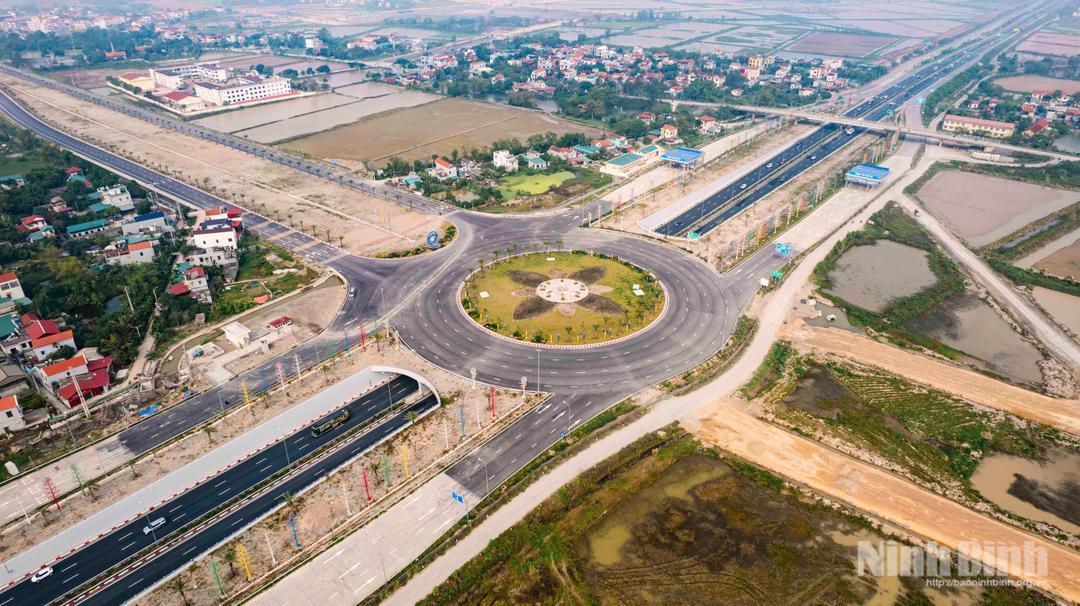
Ninh Binh has given priority to investing in infrastructure since it has been defined as a pivotal breakthrough in the journey to become a centrally-run city.
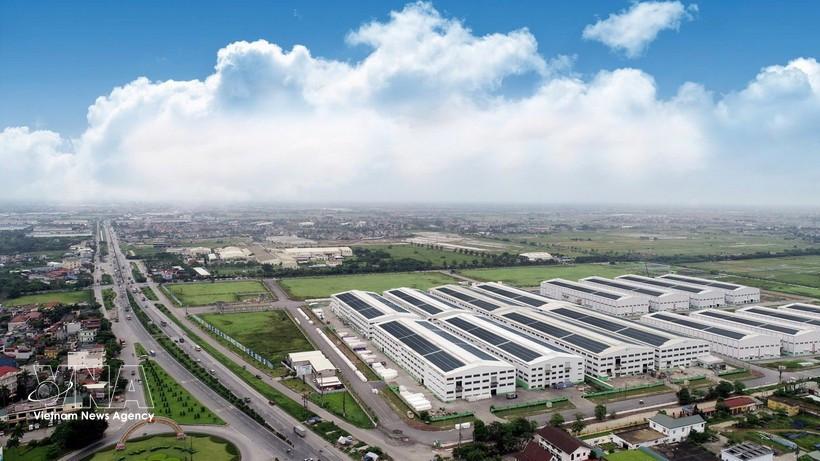
PepsiCo Foods Vietnam Company inaugurated its PepsiCo Ninh Binh Foods Factory in the expanded Dong Van I Industrial Park in Ninh Binh province on November 25.
The PM noted that alongside disaster response and recovery, coastal localities must continue efforts to combat IUU fishing, with the firm resolve to have the EC’s "yellow card" warning lifted this year.
Emphasising the need to value intelligence, save time, and be decisive, the Prime Minister urged corporations to seek concrete results in what they say and what they commit to, in the spirit of “working together, sharing benefits, winning together, and enjoying success together.”
If the OCOP programme helps shift mindsets from traditional production to value-chain-linked production, then the rural tourism programme serves as a bridge that enables OCOP to reach further, contributing to the fulfilment of income, culture and environmental criteria in building new-style rural areas.
Amid the fluctuations of the economy, Ninh Binh province has paid special attention to accompanying and supporting small- and medium-sized enterprises (SMEs).
Vice Chairman of the Ninh Binh provincial People’s Committee Nguyen Cao Son on November 11 worked with the French Development Agency (AFD) on a project of improving infrastructure to supply freshwater to the lower region of Kim Son district, serving socio-economic development and climate change adaptation.
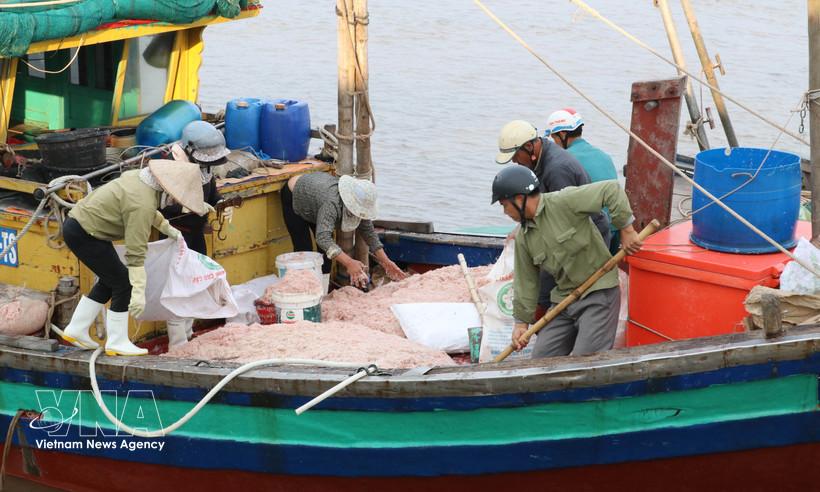
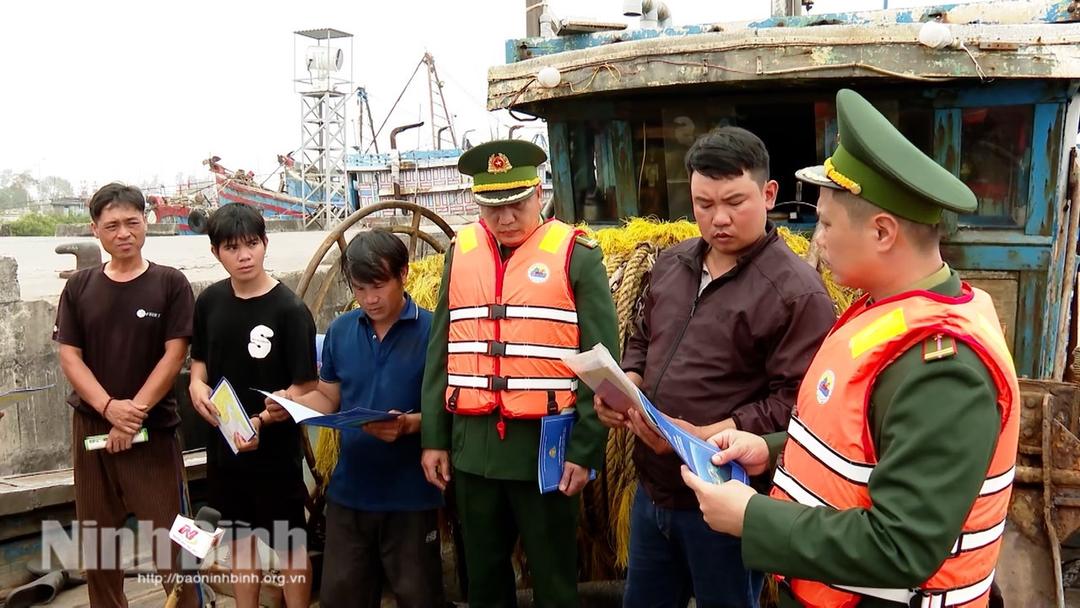
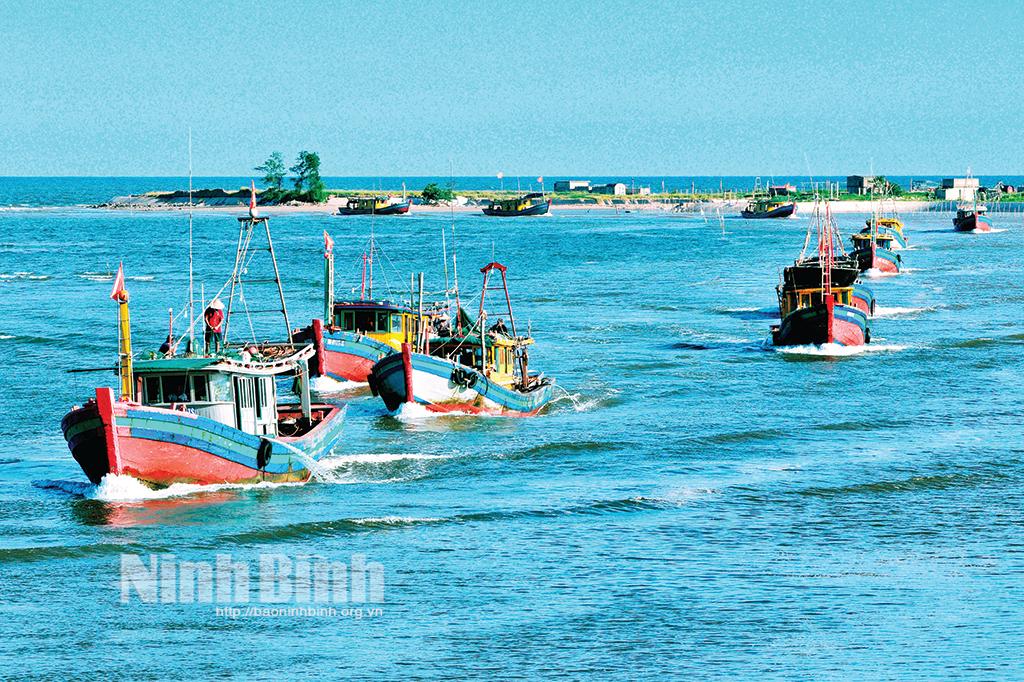
Local authorities have strictly prohibited “three-no” fishing vessels those without registration, technical inspection or licences from setting sail, while intensifying enforcement against other violations in fishing.
Prime Minister Pham Minh Chinh addressed the annual Viet Nam Business Forum (VBF) 2025 in Ha Noi on November 10, underscoring the spirit of “solidarity for strength, cooperation for mutual benefit, and dialogue for trust building”.
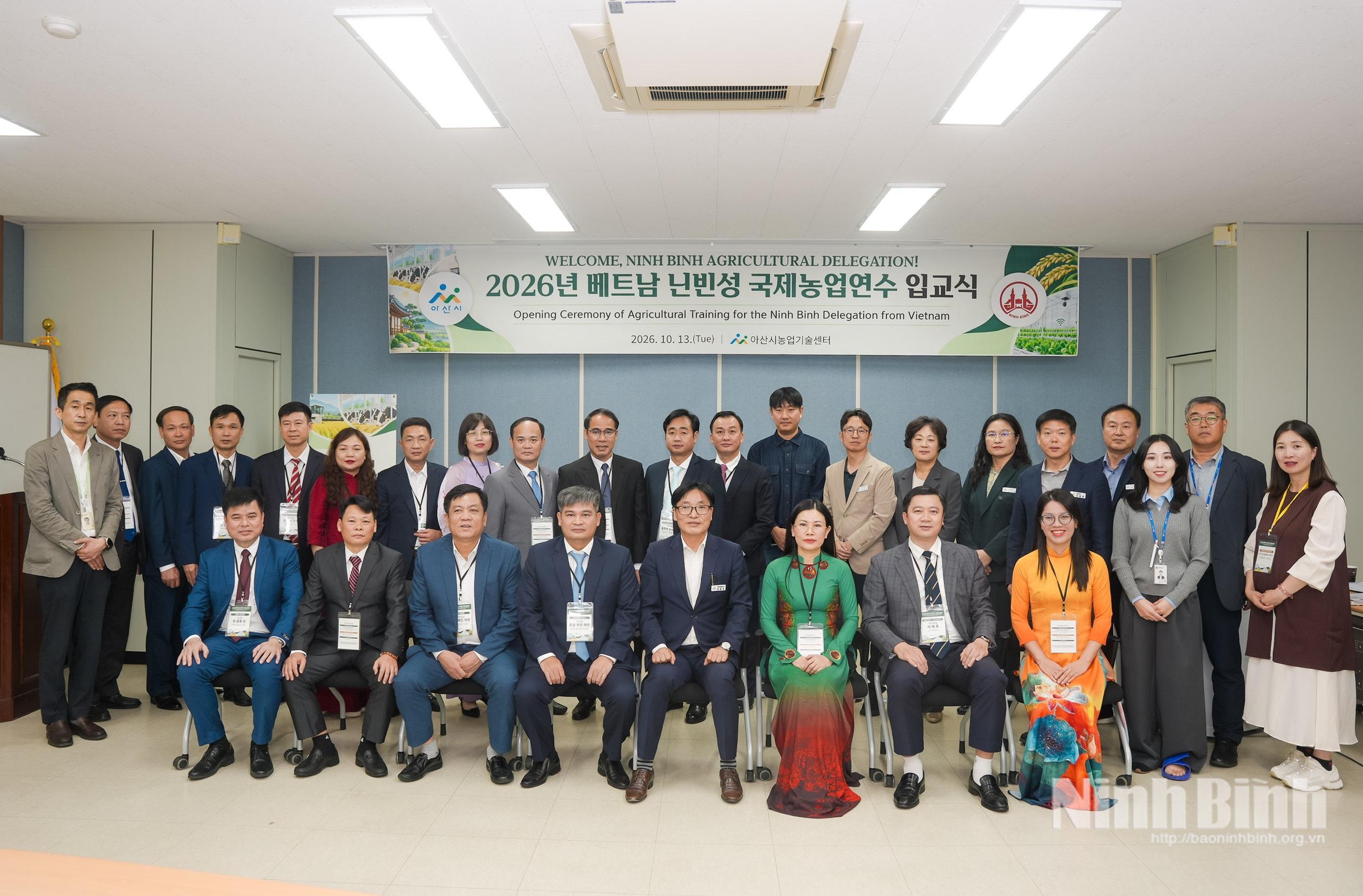
In recent years, Ninh Binh’s agriculture sector has seen positive growth. Numerous effective production models have been duplicated and created safe products that have met standards of VietGAP, HACCP, ISO or eco-agriculture.
The Ninh Binh provincial People's Committee has issued a plan for aquaculture development in the province until 2030, aiming to exploit, protect and sustainably develop aquatic resources, while improving the sector’s economic efficiency.
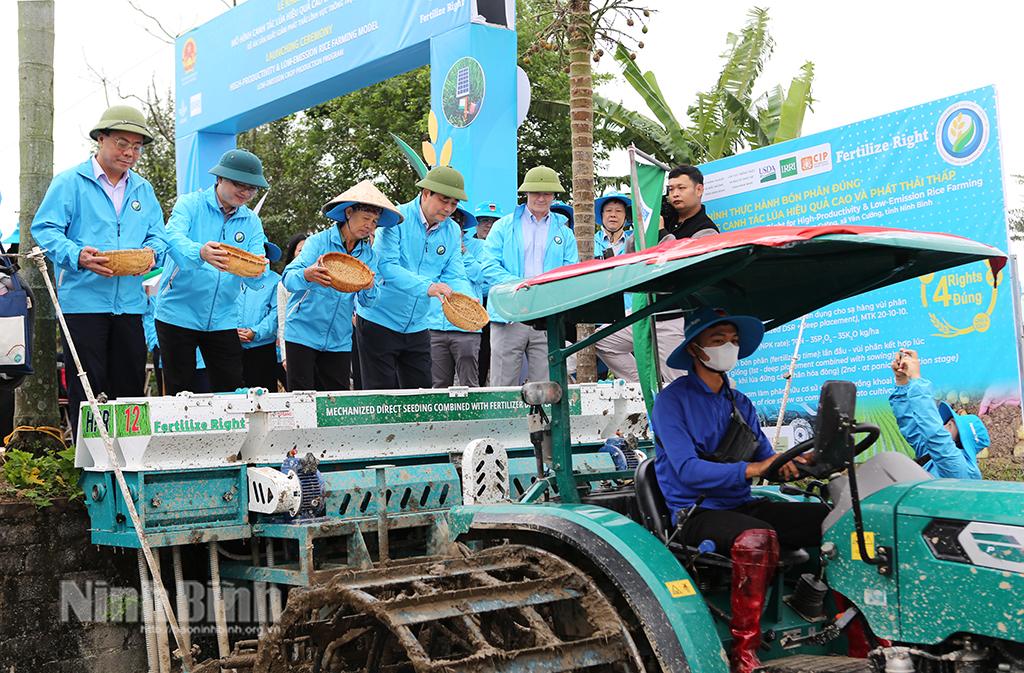
The project on low-emission crop production for the period for 2025-2035, with a vision extending to 2050, focuses on high-emission crops such as rice, cassava, sugarcane, coffee, and bananas. It aims to pilot at least 15 farming models nationwide that are ready for carbon credits and meet international standards.