
Ninh Binh: A solid foundation and aspiration for further development
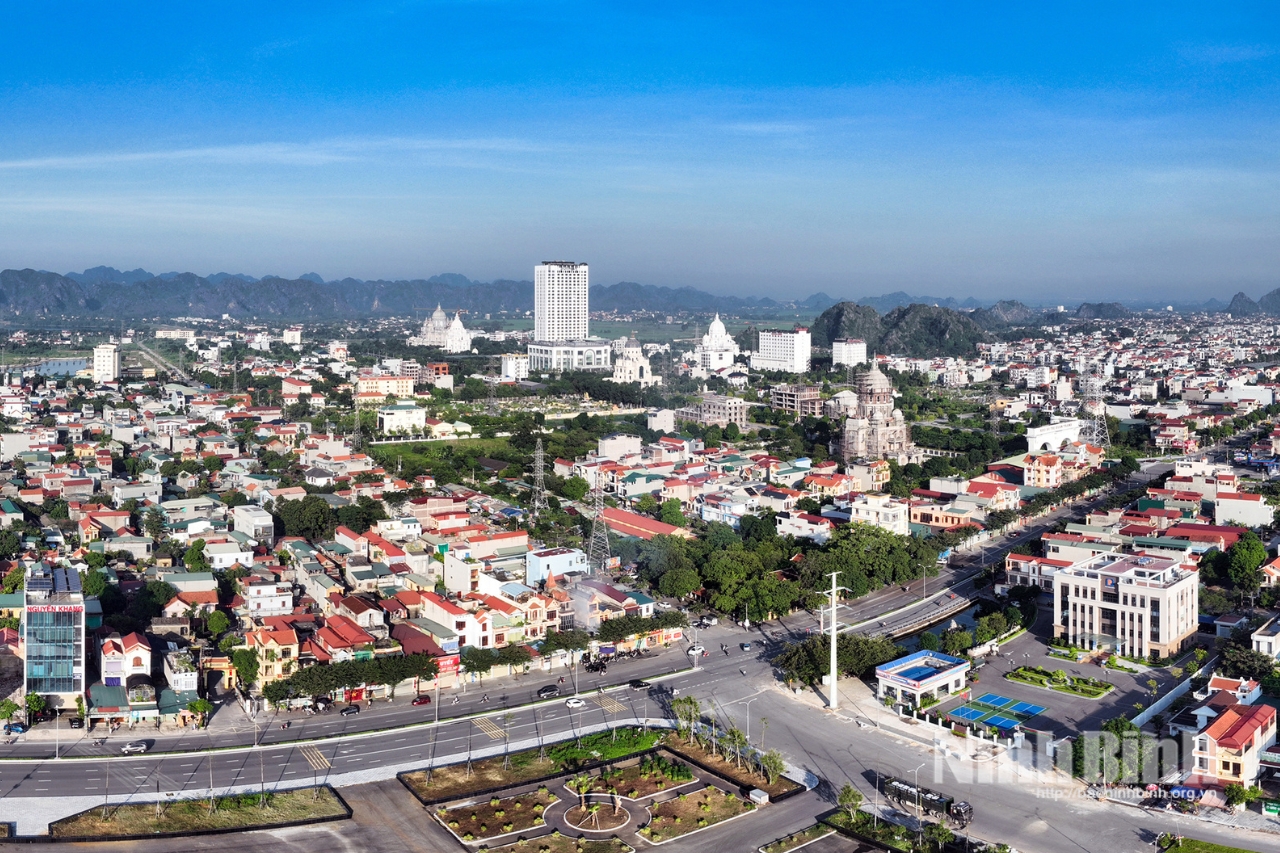
Foundation for a new journey
Looking back at the 2020-2025 term, it can be seen that Ninh Binh has traveled a very challenging path. The volatile global and domestic context, the Covid-19 pandemic, geopolitical conflicts, supply chain disruptions, natural disasters, climate change… have created unprecedented pressure on the local economy and governance. However, in the face of difficulties, the resilience and fortitude of this ancient capital region have been clearly demonstrated.
It is easy to see that political and social stability has been maintained. Party building and the construction of the political system have been implemented seriously and systematically, creating a solid "backbone" for all development decisions.
During a period of strong national development, with the determination to successfully implement the streamlining of the administrative apparatus, Ninh Binh is one of four localities (along with Da Nang City, Ho Chi Minh City, and Dien Bien province) commended for effectively deploying a technology platform for the two-tiered local administration apparatus.
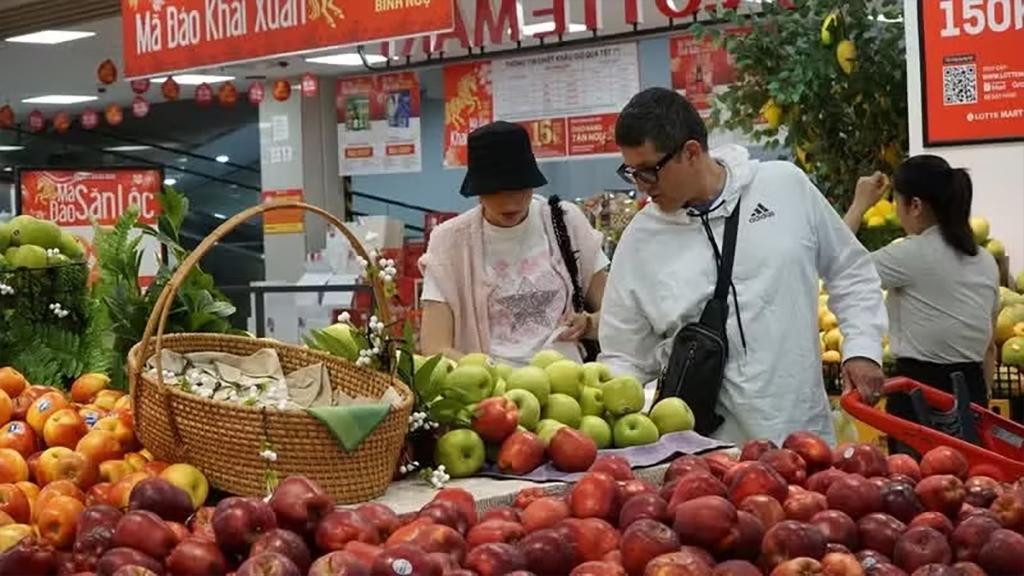
Ninh Binh's growth figures during the past term clearly reflect the efforts of the entire political system. The average GRDP growth rate for the period 2020-2025 is approximately 9.26% per year. In 2025 alone, growth is projected to exceed 10.6%, placing it among the highest in the country. The combined economic scale of Ninh Binh, Nam Dinh, and Ha Nam exceeded 350 trillion VND; budget revenue reached over 75 trillion VND; and per capita income exceeded 90 million VND.
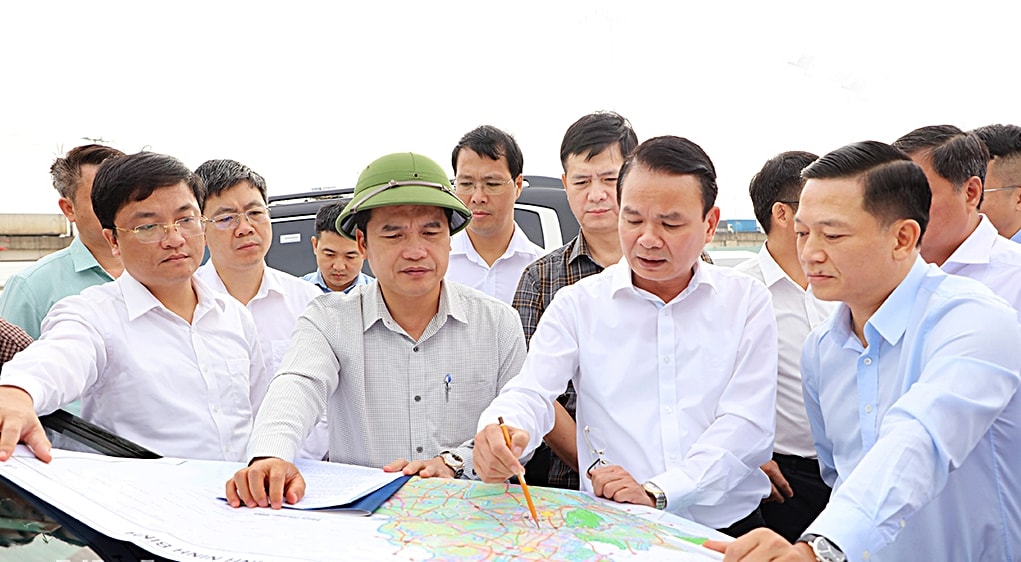
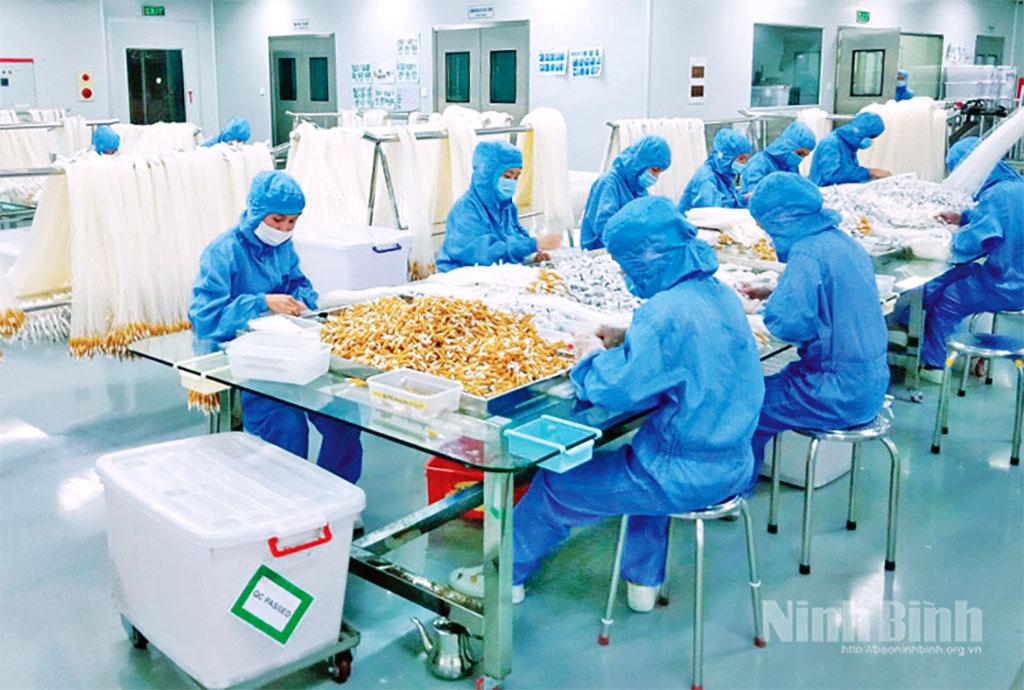
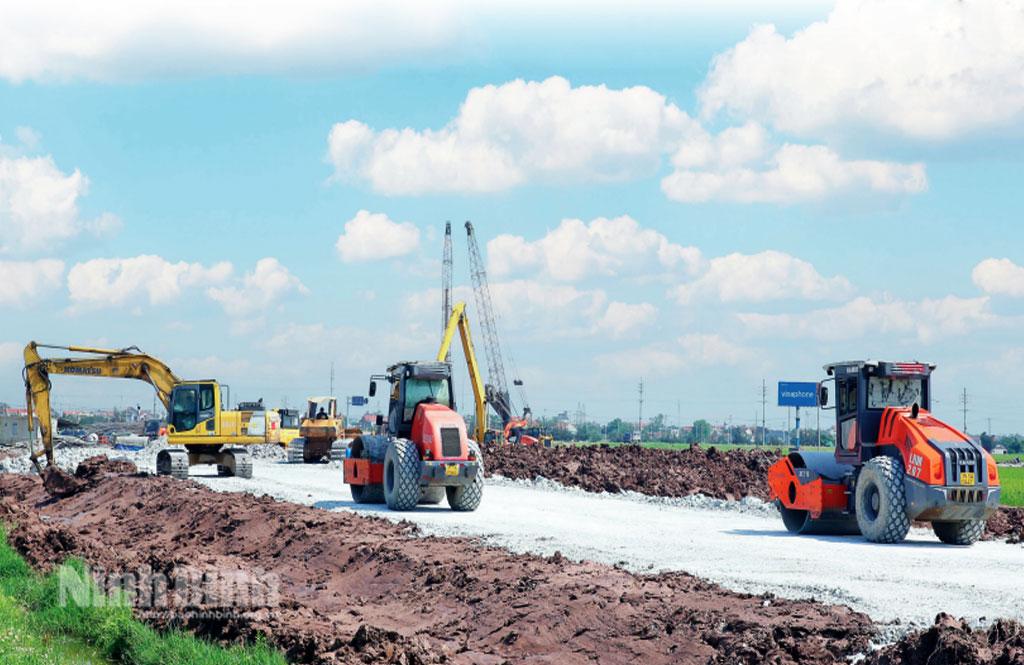
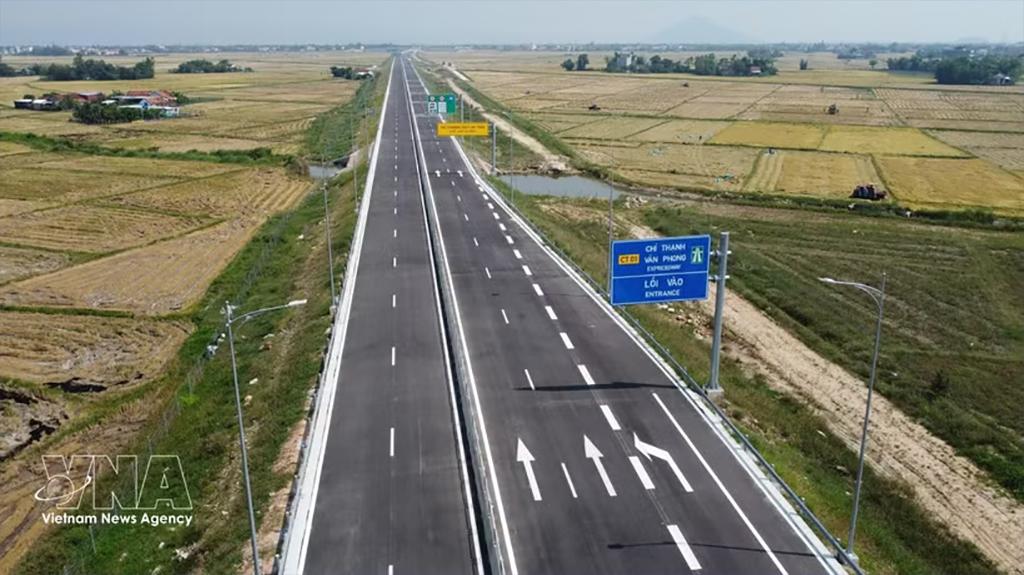
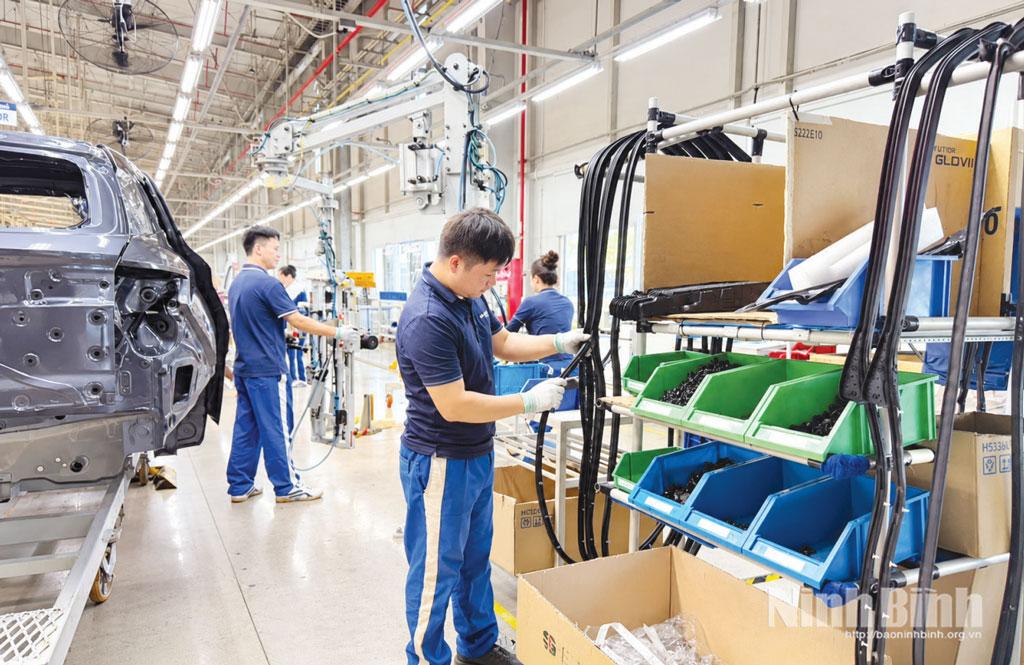
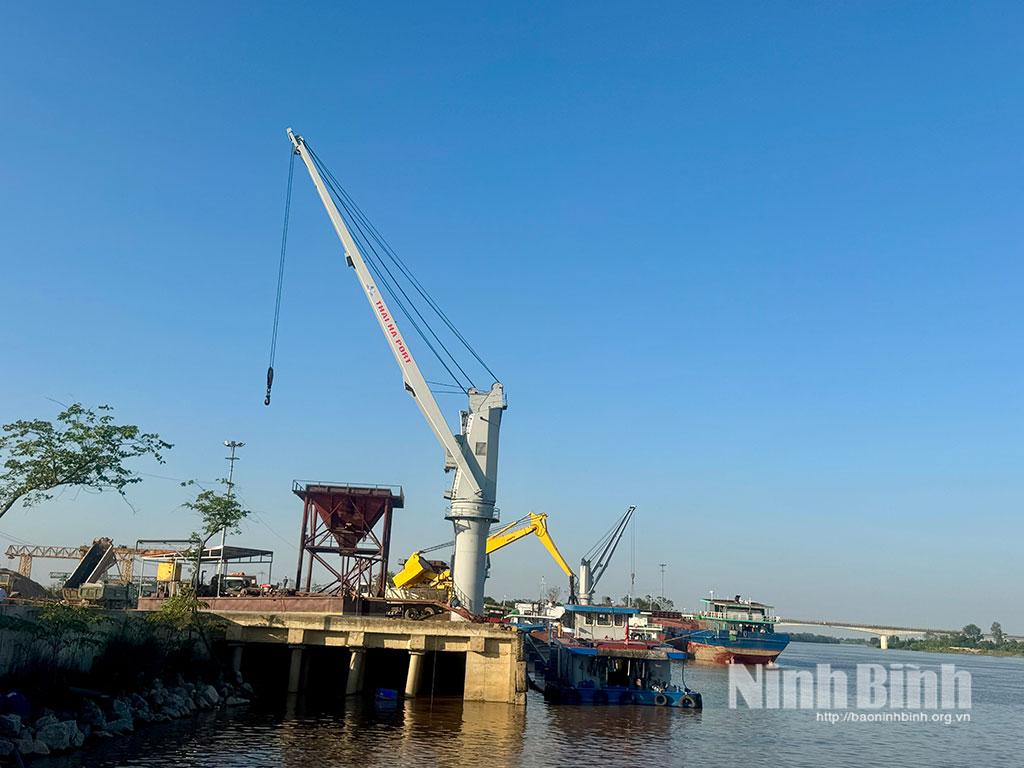
What is noteworthy is not only the growth rate, but also the gradual shift in the economic structure towards greater sustainability; moving towards industrialization and modernization, linked with digital transformation and green transformation. The processing and manufacturing industries are gradually forming new value chains; infrastructure in industrial zones and clusters is being invested in more comprehensively, creating opportunities to attract high-tech projects.
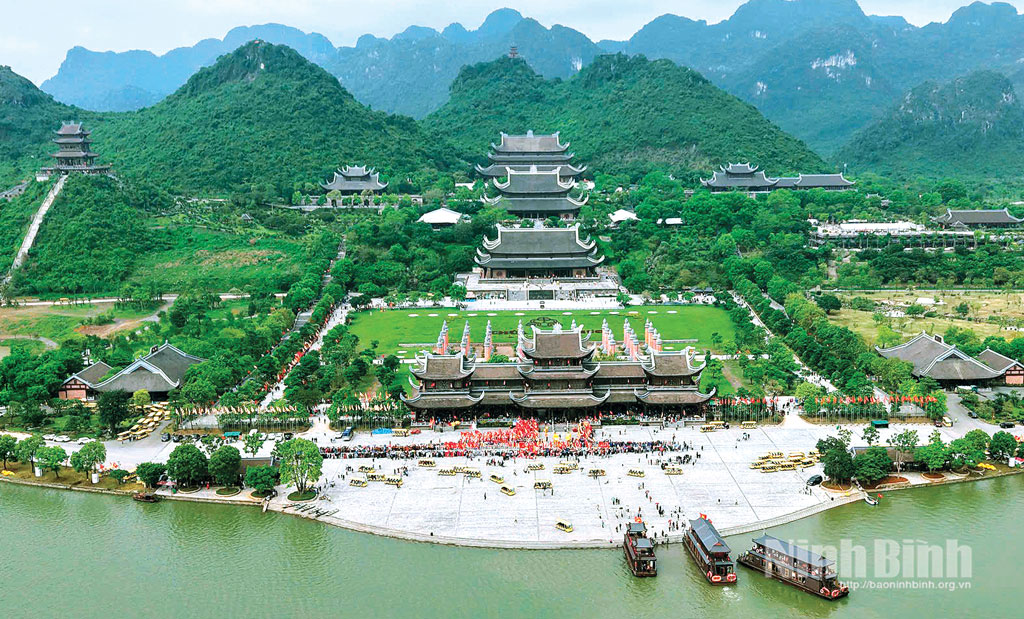
Tourism has risen to become one of the important pillars, affirming its position as a major national and international tourism center, with many large-scale cultural, sports, and tourism events successfully organized. In 2025, the number of visitors to tourist destinations is estimated to reach over 19.4 million. Tourism revenue reached over 21 trillion VND.
Alongside economic development, Ninh Binh persistently pursues the goal of "leaving no one behind." To date, the multidimensional poverty rate throughout the province has decreased to below 1%; the new rural development programme has been completed ahead of schedule; education has received systematic investment, and the healthcare system has been strengthened towards modernization, better meeting the needs for medical examination and treatment...
Golden opportunity for breakthrough
Ninh Binh is facing a golden opportunity to restructure its development model, nurturing the aspiration to reach further with its internal strength, identity, and sustainability. In this context, the province chooses a cautious but decisive approach rapid development but without haste, breakthrough without compromise, modernization without losing its identity.
Sharing about each specific task, Standing Vice Chairman of the Provincial People's Committee Tran Song Tung emphasised that 2026 is the first year Ninh Binh will fully operate within a completely different development structure than before. Following the merger, not only has the province expanded its geographical boundaries and increased its population, but a crucial requirement is to reorganise its development model, from planning and infrastructure to resource allocation and administrative management. Therefore, the policy decisions made this year will shape the pace of development for the entire 2026-2030 period.
The province remains committed to double-digit growth. Industry continues to play a crucial role. The province selects processing, manufacturing, high-tech, environmentally friendly industrial projects with the potential for spillover effects and long-term added value.
Tourism, culture, and entertainment industries are still identified as key sectors, but with a focus on improving quality, depth of experience, and extending the value chain, rather than simply pursuing quantity.
Tung shared that in urban development, the province chooses not to pursue "concrete cities" and not to sacrifice the environment for growth. The future city is envisioned as a harmonious space between natural heritage, architecture, culture, and modern life.
Regarding tourism, the province will exploit pristine, unspoiled products to attract tourists; and develop tourism products that encourage longer stays. Restructuring economic sectors involves shifting the focus from developing simple, rudimentary products to deeply processed, innovative products, participating in global value chains, and creating industry clusters with high added value.
In agriculture and rural areas, the focus is shifting from "meeting standards" to "raising standards." The focus is on advanced, model new rural areas linked to sustainable livelihoods, ensuring that people not only stay in their hometowns but also live happily on their own land.
The official emphasised that Ninh Binh prioritises growth alongside the quality of life and the well-being of its people. Therefore, all policy decisions are centered around the people.
By 2026, Ninh Binh identifies administrative reform and improving organisational implementation capacity as key breakthroughs, with the spirit of "clear responsibilities, clear tasks, clear timelines, clear accountability, clear outcomes, and clear authority." Alongside this, it will tighten discipline and combat corruption.
“As spring arrives in the ancient capital of Hoa Lu, plans are being nurtured, aspirations are quietly growing, and with the belief in the unity of the administration and the people, we believe that Ninh Binh will rise strongly and soon achieve its goal of becoming a centrally-governed city by 2030,” Tung stressed./.
Tin cùng chuyên mục