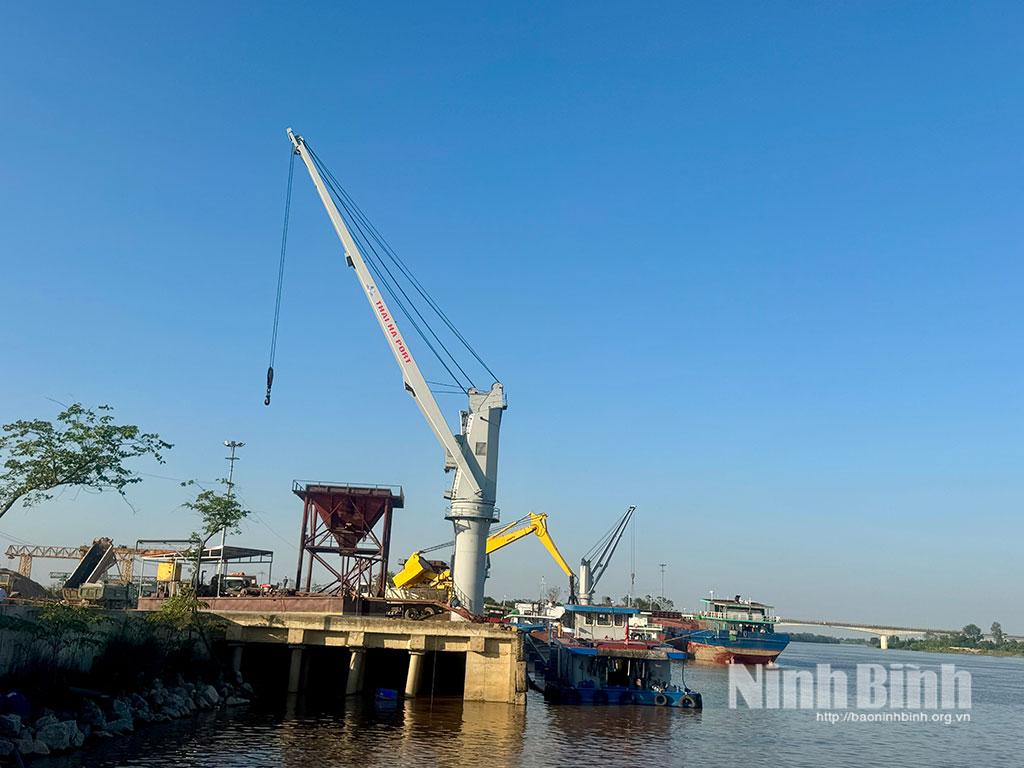

Ninh Binh approves project to build socio-economic development arterial road

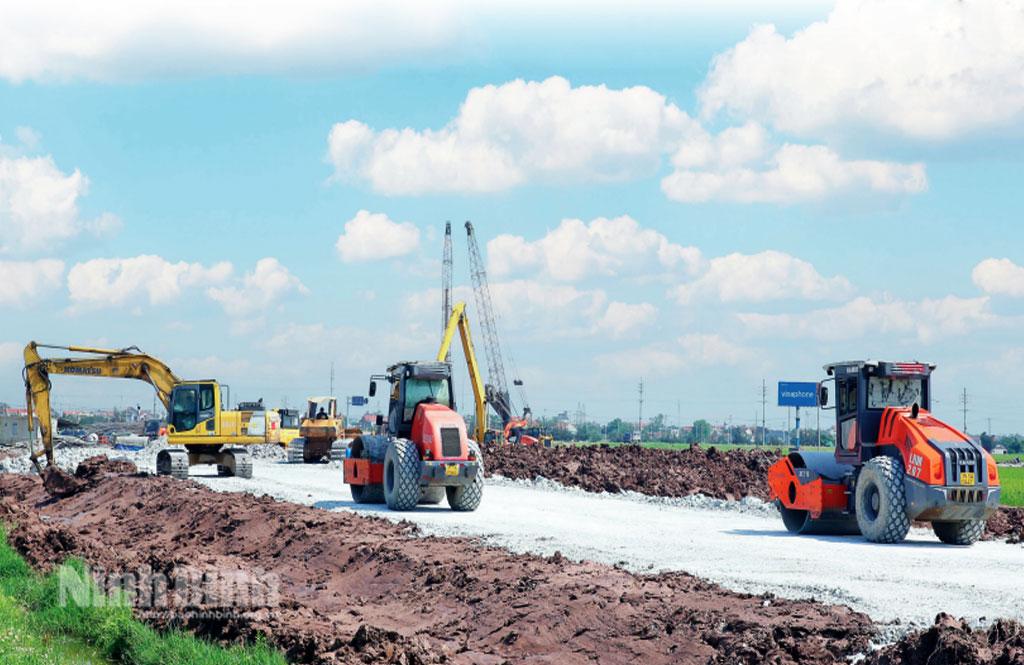
The project has a total length of 39 kilometres and comprises the main route, Ring Road No. 2, a branch road connecting to Tran Temple, a connecting road linking Ring Road No. 2 with the road connecting the two Tran Temples, and other associated facilities.
The project will run through the wards and communes of Tay Hoa Lu, Phong Doanh, Y Yen, Vu Duong, Tan Minh, Minh Tan, Hien Khanh, My Loc, Dong A, Nam Dinh, Thien Truong and Nam Ly in Ninh Binh province.
It will require approximately 368.2 hectares of land.
The 21-kilometre main route will begin at the intersection of National Highway 1 and the National Highway 1 bypass in Tay Hoa Lu ward and end at approximately Km20+979, where it intersects Provincial Road 485B in My Loc ward.
Ring Road No. 2 will be 12 kilometres long, while the branch road connecting to Tran Temple will stretch 5 kilometres. The road linking Ring Road No. 2 with the route connecting the two Tran Temples will be 0.8 kilometres long.
According to the decision, the project aims to strengthen inter-regional transport connectivity between Nam Dinh and Hoa Lu in the southern Red River Delta, expand development space, and create a strong impetus for socio-economic development, eco-tourism, trade and services in the newly merged province. It is also expected to accelerate Ninh Binh’s development toward becoming a centrally governed city.
Investment scale
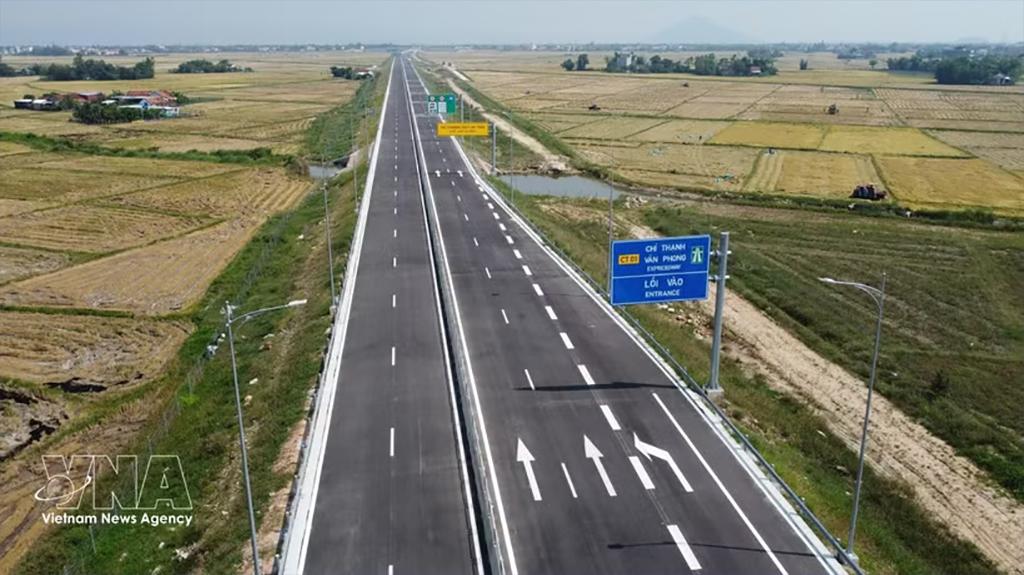
Upon completion, the main route will be built to Grade II plain-road standards, with a design speed of 100 kilometres per hour and four motor-vehicle lanes.
The project will also include seven new bridges, comprising river-crossing bridges and viaducts.
A total of 13 interchanges will be built along the project. The road network will also include connecting roads, frontage roads and underpasses for local residents at appropriate locations to ensure smooth traffic connectivity and convenient travel.
The project has a total investment of 7.14 trillion VND, excluding the separate component project for compensation, support, resettlement and site clearance.
Construction is scheduled to take place from 2026 to 2029. Funding will come from the central and provincial budgets, with the central budget expected to contribute 1.2 trillion VND and the remainder funded by the provincial budget.
Under the decision, the Ninh Binh Provincial Project Management Board No. 2, the project investor, was tasked with completing the project documentation and carrying out subsequent procedures in accordance with regulations on construction investment management.
The investor must ensure construction proceeds on schedule, avoid outstanding basic construction debts, closely coordinate with local authorities on site clearance, and strictly control costs to keep the project within its approved investment limit.
The project management board will also bear full responsibility before the provincial People’s Committee, the Chairman of the provincial People’s Committee, supervisory, inspection, auditing and other competent agencies, as well as before the law, for the implementation of the project, the capacity and experience of contractors, and the supervision of construction in accordance with regulations.
The provincial Department of Construction, which was assigned to appraise the project, is responsible for the completeness and accuracy of the appraisal contents as prescribed, as well as the legality of the design documents and the capacity of the contractors.
The decision took effect on August 24, 2026./.
Tin cùng chuyên mục