
Ninh Binh launches emulation movement to achieve double-digit growth
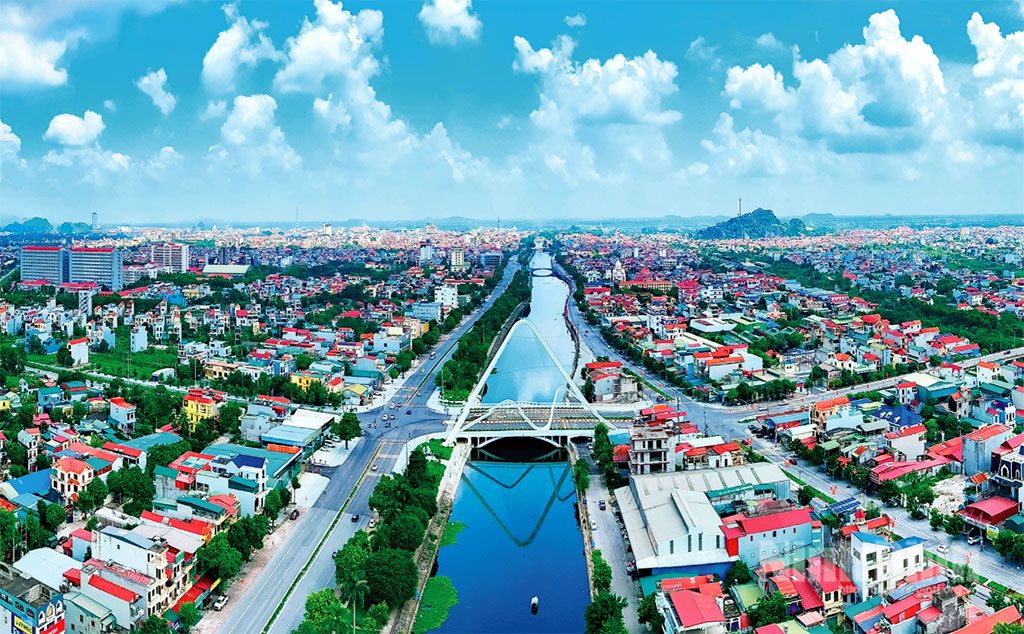
The movement aims to inspire a spirit of solidarity, a will for self-reliance and resilience, and a drive for action among administrations at all levels, sectors, the business community, and the public. It seeks to generate momentum for achieving the development goals outlined in the Resolution of the First Congress of the Ninh Binh Provincial Party Organisation for the 2025 2030 term and the Resolution of the 14th National Party Congress.
Accelerating economic development and achieving breakthroughs in productivity and investment
A key focus of the movement is the drive for rapid and sustainable economic development. Ninh Binh targets an average annual Gross Regional Domestic Product (GRDP) growth rate of 11% or higher for the 2026 2030 period; a GRDP per capita of at least 180 million VND by 2030; and an average annual labour productivity growth of 9% or higher.
The province strives to achieve a total social investment capital of 1.39 1.45 quadrillion VND over the five-year period; state budget revenue within the province exceeding 110 trillion VND by 2030; and a total export turnover of over 40 billion USD. Ninh Binh also aims to fully disburse the assigned annual public investment capital.
To lay the groundwork for growth, the emulation movement focuses on unlocking, leveraging, and effectively utilising resources; supporting businesses; and promoting science, technology, innovation, digital transformation, green transition, and sustainable energy development.
Concurrently, Ninh Binh is intensifying efforts to manage and utilise resources efficiently, protect the environment, practice thrift, and combat wastefulness. The province also encourages green production models and the circular economy, while enhancing the effectiveness of scientific and technological research and its application in production and daily life.
The emulation movement also calls for the establishment of a modern, professional, integrity-driven, and effective administrative system, guided by the motto: "The administrations are close to the people, grounded at the grassroots level, and dedicated to effective service."
Agencies and units are focusing on reforming administrative procedures and improving service quality to reduce compliance time and costs for citizens and businesses. They are also accelerating digitalisation, innovating direction and management methods, and enhancing openness and transparency.
Ninh Binh province has directed departments, agencies, and local authorities to proactively review and resolve bottlenecks regarding mechanisms, policies, and administrative procedures, thereby creating an investment and business environment that is open, favourable, safe, and transparent.
Ninh Binh identifies the development of synchronous, modern infrastructure as a key driver for fostering regional connectivity and advancing both the marine and urban economies. The emulation movement aims to build, manage, and develop urban areas sustainably while steadily increasing the urbanisation rate.
In the agricultural sector, Ninh Binh strives to achieve an output value of over 220 million VND per hectare of agricultural and aquaculture land by 2030. The province is developing a rural economy based on green, circular, and ecological principles, linked to agricultural restructuring, to enhance value-added outcomes and boost residents' incomes.
Alongside economic development, Ninh Binh prioritises preserving and promoting cultural identity and heritage values in conjunction with tourism development, while ensuring national defense, security, and social order.
Notably, Ninh Binh aims to transform tourism into a spearhead economic sector, focusing on high-quality tourism and cultural industries. Traditional tourism products continue to be upgraded through integration with the province's heritage sites, historical monuments, and scenic landscapes. At the same time, the province will develop coastal, community-based, eco-, cultural, and experiential tourism, as well as craft village tourism.
The target for 2030 is to welcome over 30 million tourist arrivals, including 4 4.5 million international visitors, and achieve total tourism revenue exceeding 45 trillion VND.
Regarding businesses, Ninh Binh encourages the increased application of science, technology, and innovation, alongside energy efficiency and the development of green production, the digital economy, the knowledge-based economy, and the circular economy. The private sector aims for an average annual growth rate of 10 12%, contributing approximately 55% of the province's total budget revenue, with labour productivity rising by an average of 9 10% per year.
Placing people at the centre of development
Alongside economic goals, the emulation movement strongly focuses on cultural development, improving the quality of education and healthcare, achieving social progress and equity, and comprehensively enhancing the people's quality of life.
Concurrently, Ninh Binh is intensifying environmental protection, green transition, circular economy, emission reductions, and climate change adaptation. It is also building environmental and hydrometeorological data systems to support management, operations, and disaster prevention and control.
The Ninh Binh Provincial People's Committee requires that the emulation movement be implemented in a practical and effective manner, closely aligned with the political tasks of each sector, locality, agency, and unit. It must be linked to institutional refinement, administrative reform, innovation, digital and green transitions, and the practice of thrift and waste prevention./.
Tin liên quan

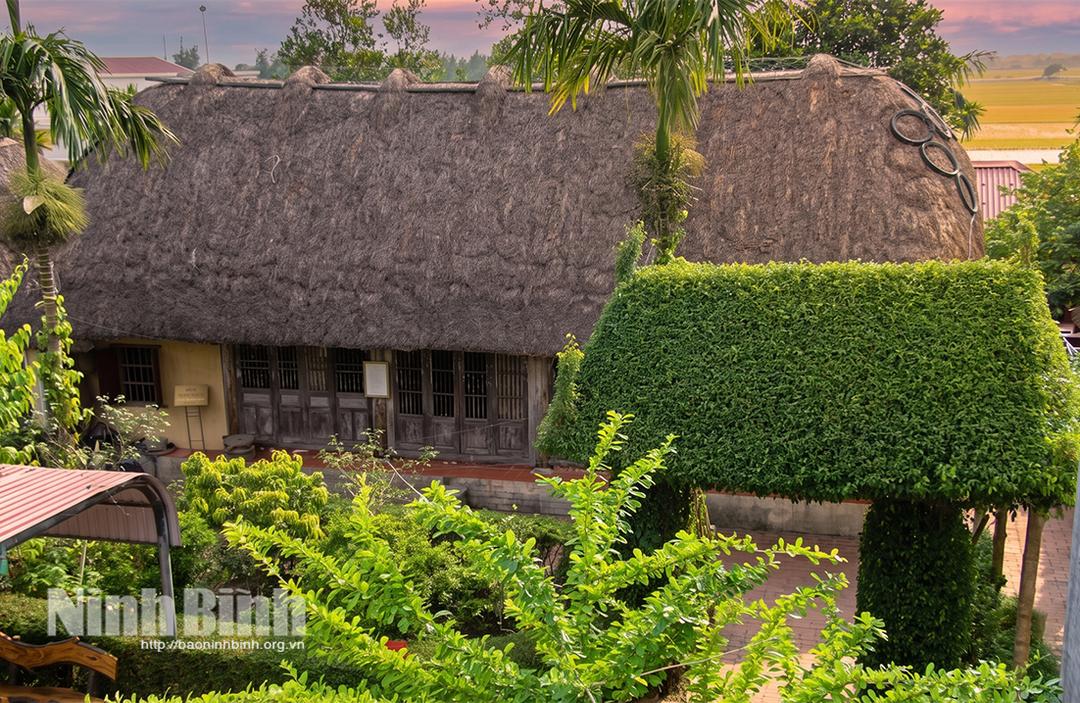
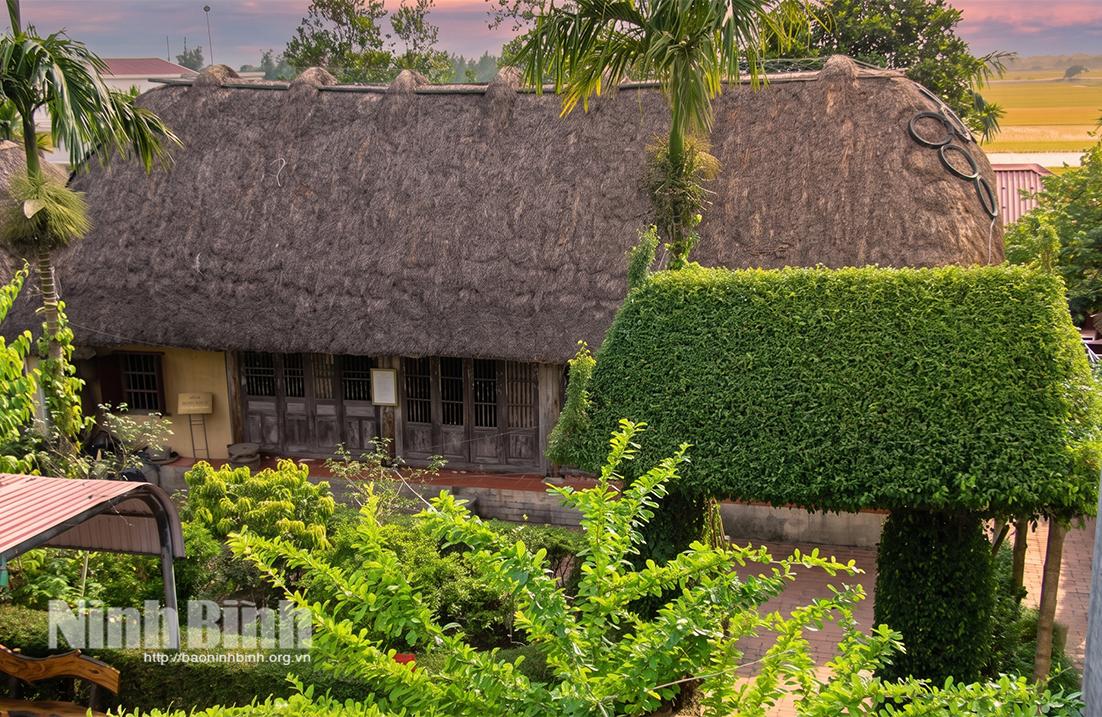
Preserving traditional sedge-thatch houses in Ninh Binh

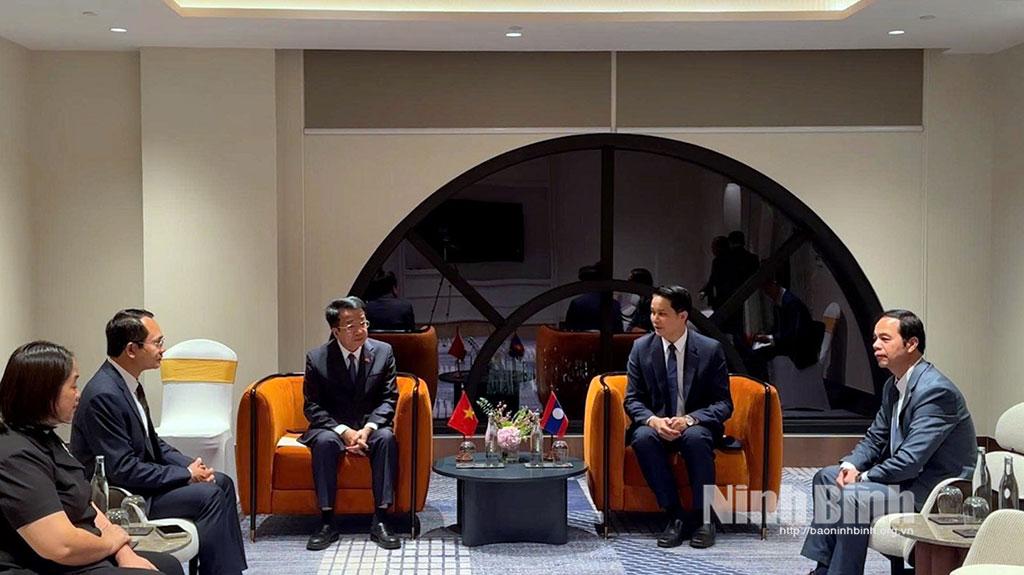
Ninh Binh strengthen friendly cooperation with Oudomxay
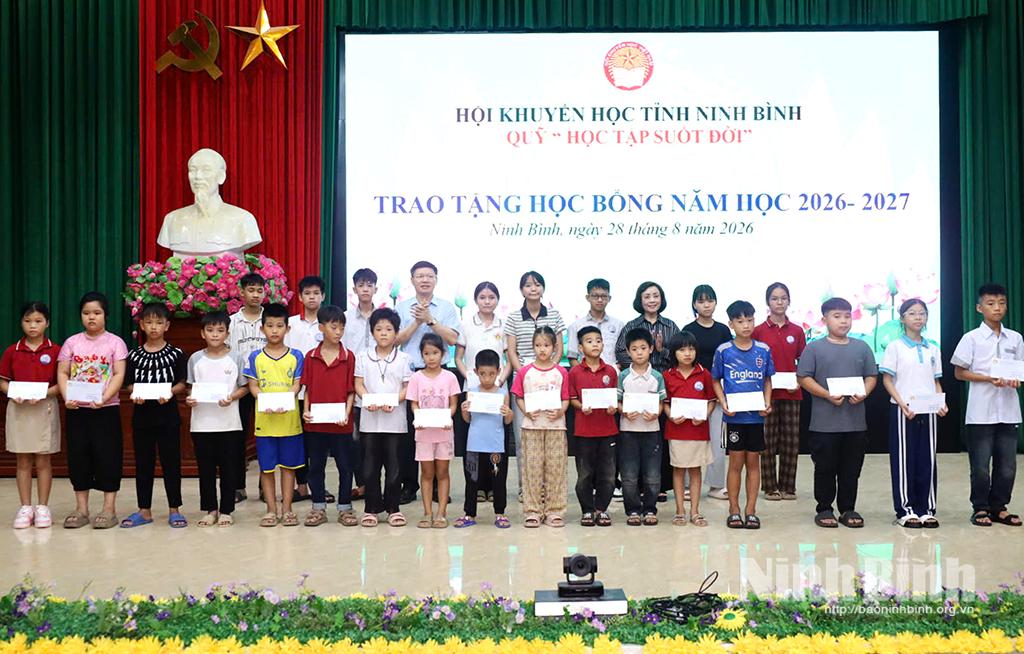
Ninh Binh mobilises resources to support disadvantaged students
Tin cùng chuyên mục
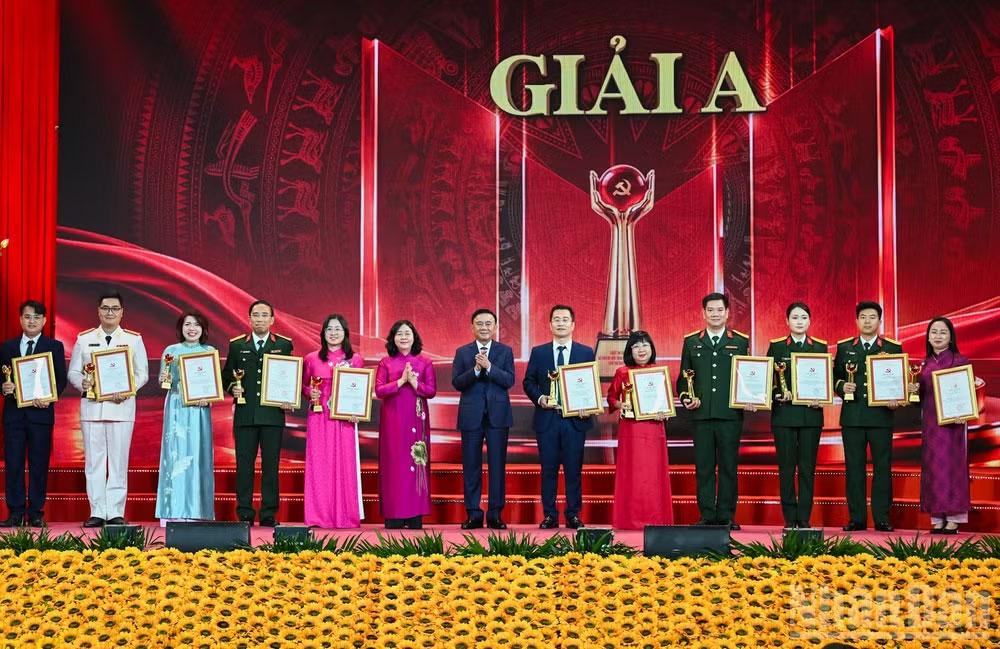
Awards ceremony convened for sixth Party ideology writing contest
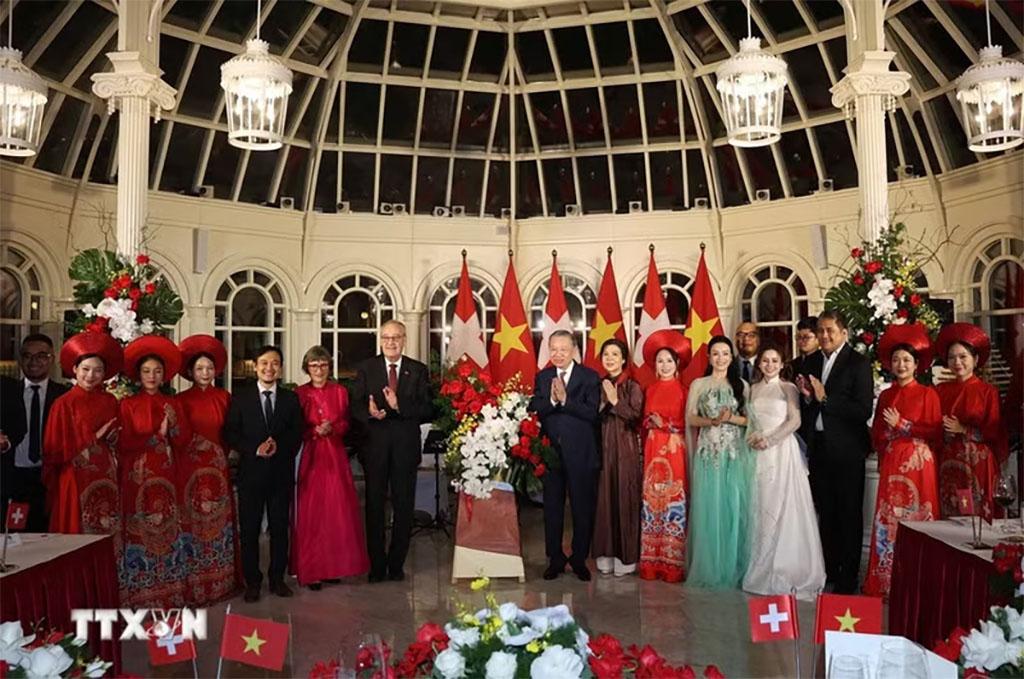
Top Vietnamese leader hosts banquet in honour of Swiss President

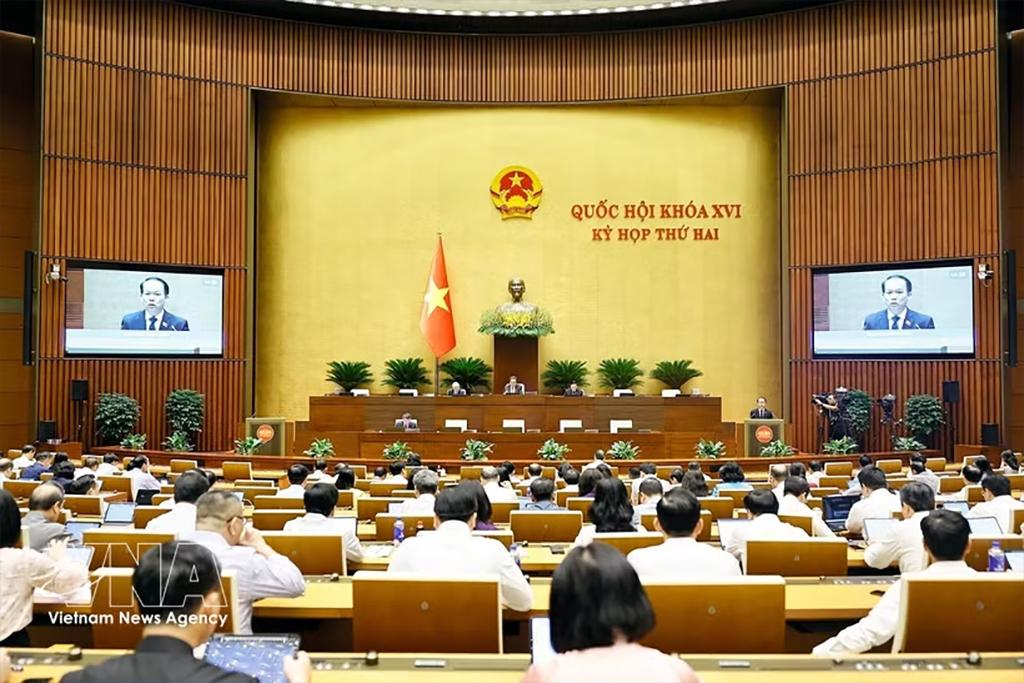
16th National Assembly commences second session
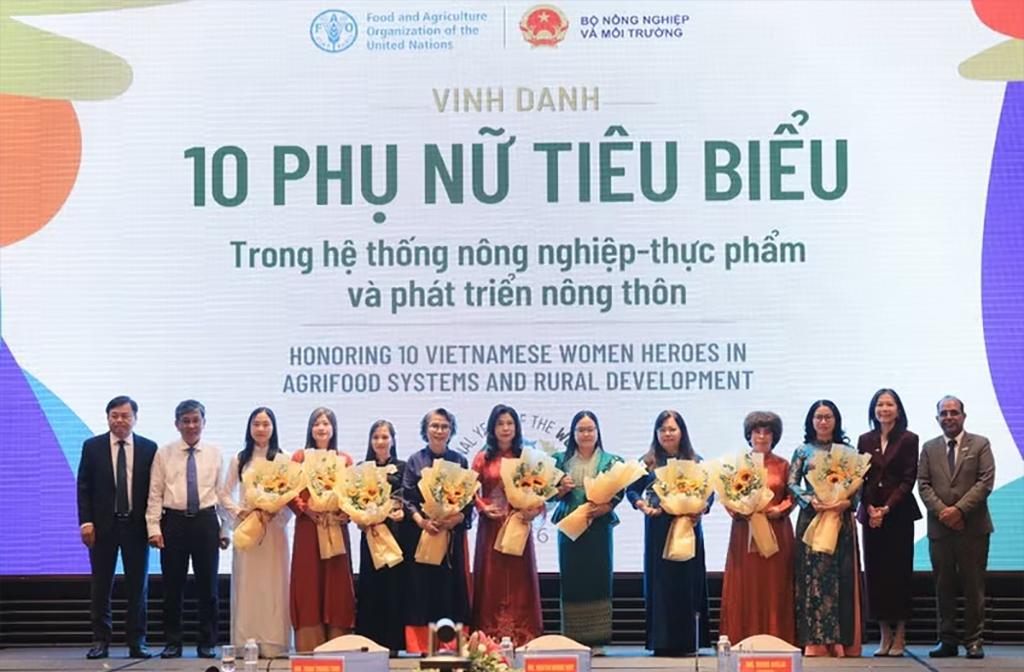
FAO honours 10 prominent Vietnamese women in agriculture, rural development
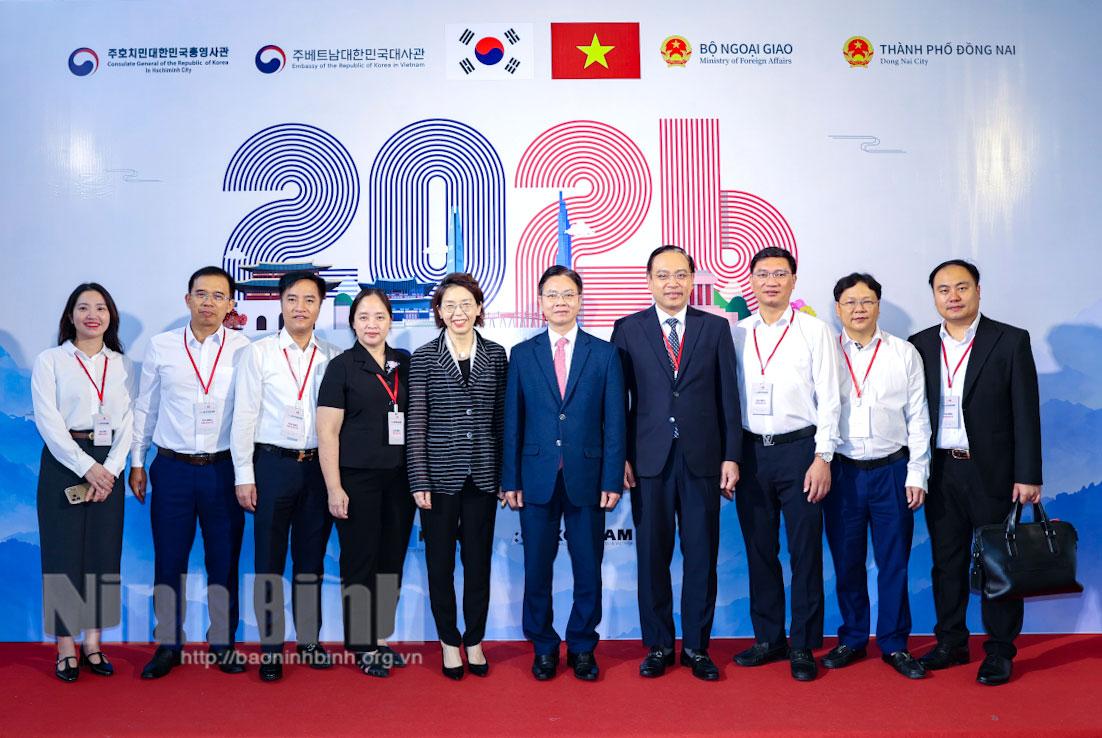
Ninh Binh’s delegation attends “Meet Korea 2026” plenary conference