
Ninh Binh’s industry maintains high growth rate
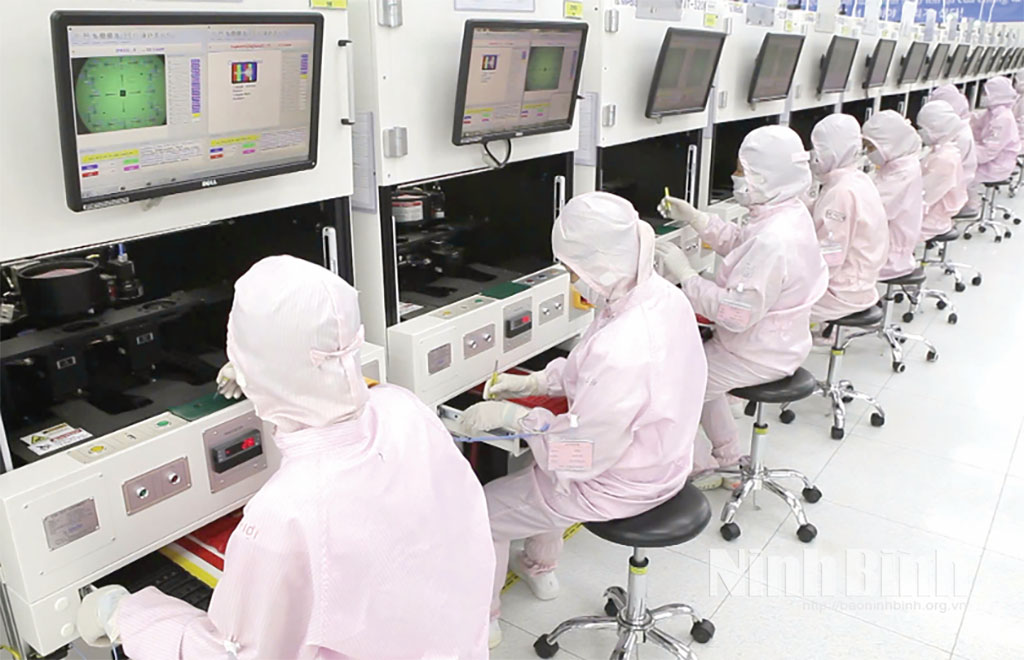
In the first seven months of 2026, the province’s Index of Industrial Production (IIP) rose 26.98% year-on-year, while the processing and manufacturing sector expanded by 27.36%.
The results showed a positive signal for the province to achieve its targets in 2026. However, growth remains uneven across sectors and products, requiring authorities and businesses to continue addressing bottlenecks, expanding markets and improving the quality and sustainability of growth in the remaining months of the year.
Processing and manufacturing remain key drivers
According to the provincial Statistics Office, the IIP across all sectors increased 26.98% in the January-July period compared with the same period last year.
Notably, all four major industrial sectors recorded growth. Mining increased 25.42%, while processing and manufacturing expanded 27.36%. Electricity production and distribution rose 9.18%, and water supply, waste management and wastewater treatment increased 12.59%.
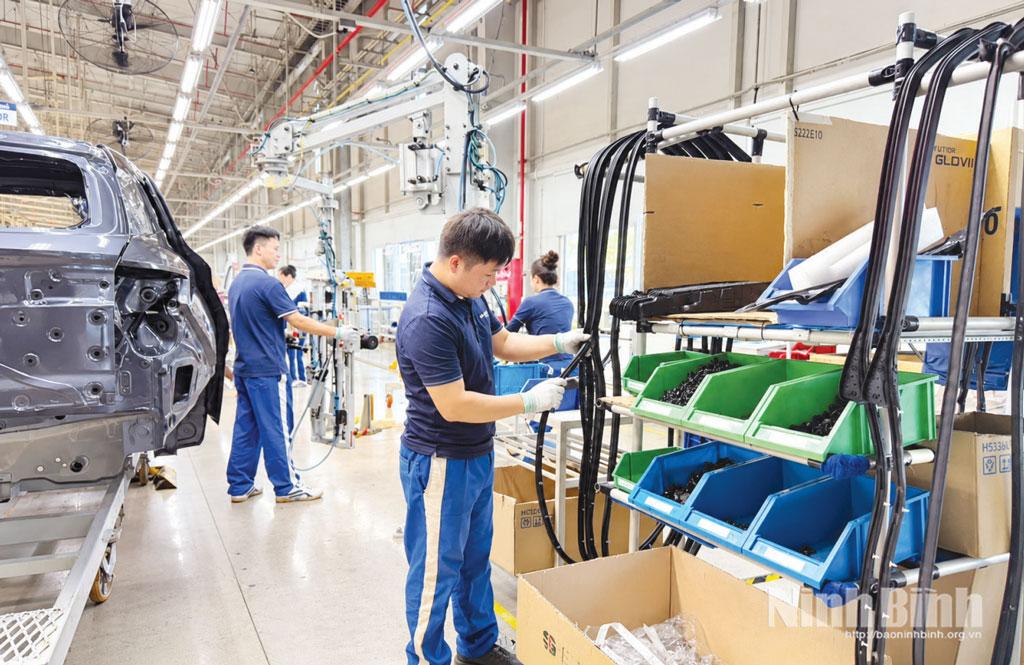
Growth was also recorded in many secondary industrial sectors, with electronics, electrical equipment and machinery continuing to play a leading role.
Operations of foreign-invested enterprises remained broadly stable, with many companies maintaining export orders and expanding production.
During the seven-month period, laptop production exceeded 1.84 million units, up 66.9%, while truck production reached 8,121 units, an increase of 30.2%.
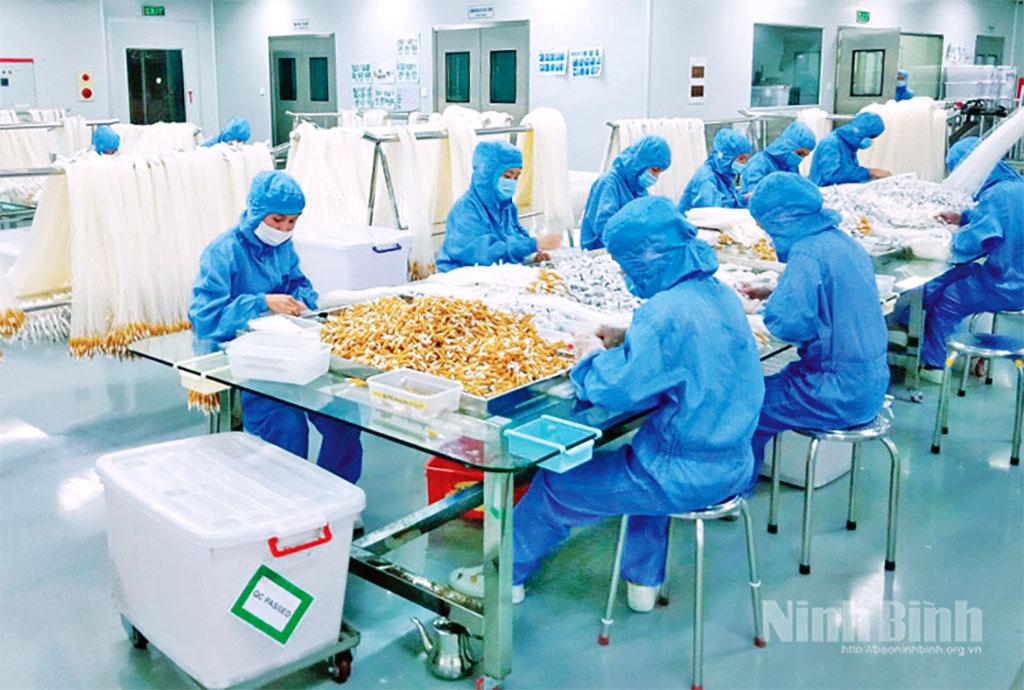
Several other products, including electronic components, medical equipment, electricity, pineapple juice, paper and paperboard, and candles, also posted year-on-year increases.
The beverage, rubber and plastics, wood processing, fabricated metal products, furniture and waste recycling industries likewise maintained relatively strong growth. The performance reflected positive prospects for the province’s strategy of developing high-tech industries, supporting industries and deep processing.
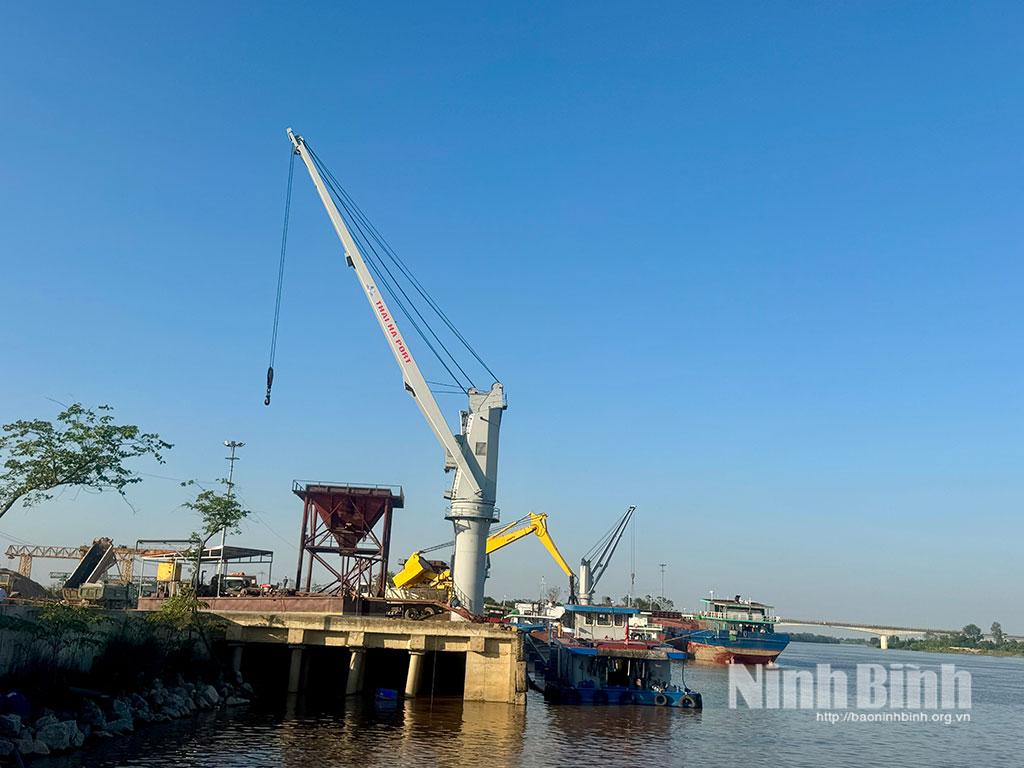
Meanwhile, construction materials continued to meet demand from public investment projects and civil construction. Cement and clinker output topped 28 million tonnes, up 8.3%, while mining maintained growth and contributed to securing raw materials for production.
Maintaining momentum while improving growth quality
The strong performance during the first seven months has created a favourable foundation for industrial growth. However, the overall picture still includes some challenges, with six of the 28 secondary industrial sectors recording declines from the same period last year.
Production of pharmaceuticals, medicinal chemicals and botanical products fell 54.13%, while metal production dropped 28.60%. Export markets for textiles, garments, leather and footwear have recovered slowly, while competitive pressures remain high.
Resolution No. 47/NQ-HDND, adopted by the Provincial People’s Council on December 9, 2025, on the 2026 socio-economic development plan, sets a target of 11% GRDP growth. Industry and construction are expected to account for 47.6% of the province’s economic structure, while the share of processing and manufacturing in GRDP is targeted at 36.9%.
The resolution also calls for steadfast pursuit of double-digit growth alongside economic restructuring, digital transformation and green transition, with a focus on clean and high-tech industries, supporting industries and deep processing.
Against this backdrop, the 26.98% increase in IIP in the first seven months is encouraging, but should not yet be regarded as an indication of the full-year outcome.
To sustain the growth momentum, the province needs to further improve the investment and business environment and address enterprises’ difficulties in a substantive manner. Support should focus on technological innovation, trade promotion, brand development and supply-chain connectivity.
For sectors facing export-related pressures, diversifying customers and products will be a direct solution to stabilising orders and employment.
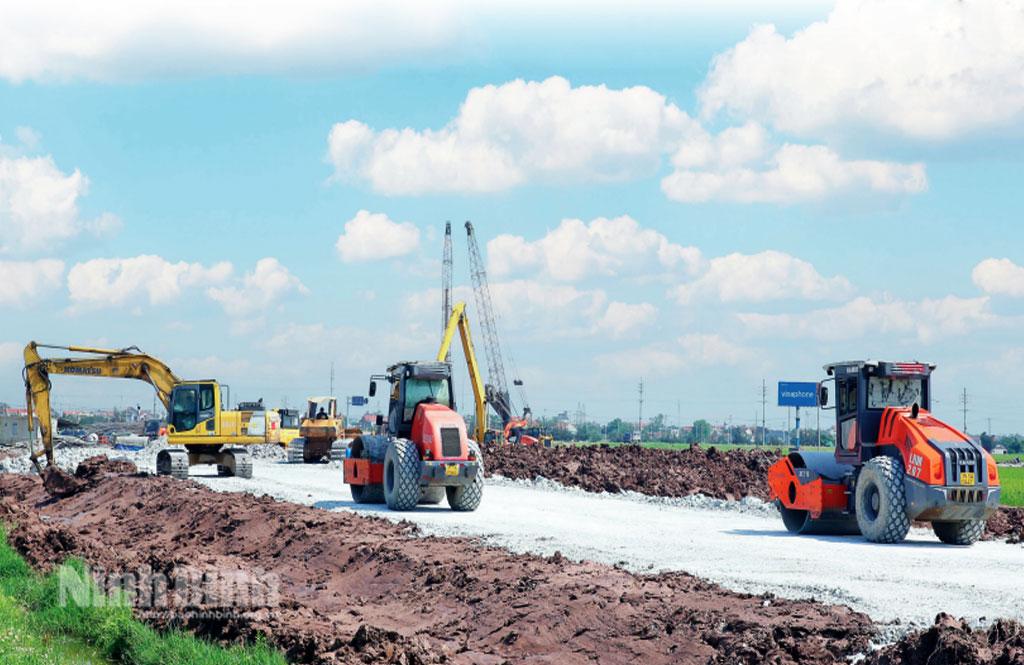
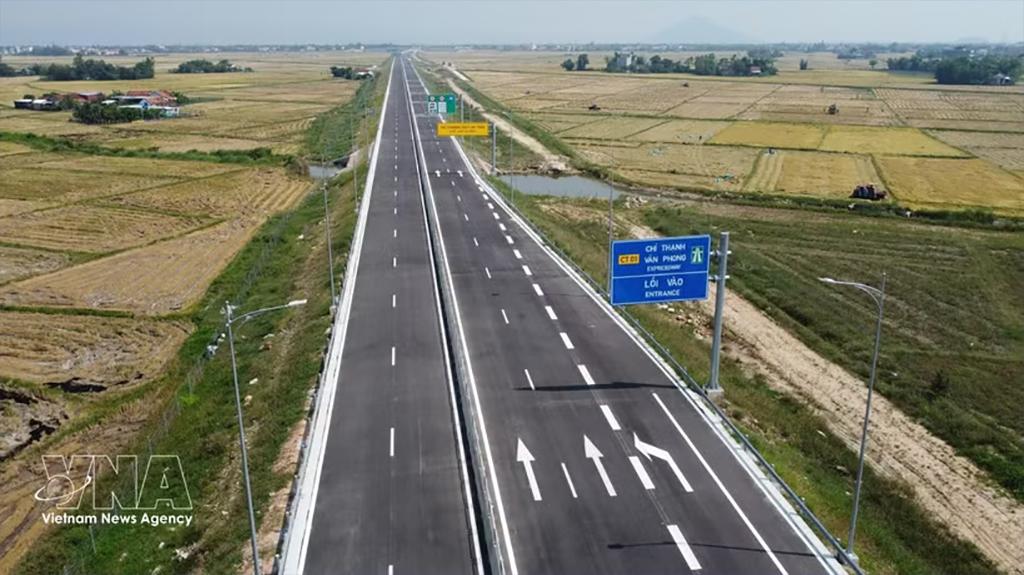
Industrial infrastructure will also remain a key prerequisite. Under the province’s development orientation, work should be accelerated on infrastructure at the Ninh Co Economic Zone and industrial parks and clusters in line with approved plans. Infrastructure at the Ha Nam Hi-Tech Park should also be completed so that the park can become operational at the earliest possible date.
Investment attraction should be selective, prioritising projects using advanced, high-tech and environmentally friendly technologies, producing high-value-added products, applying modern management practices and having the capacity to connect with global production and supply chains.
Provincial authorities and agencies also need to promote equipment modernisation, energy efficiency and emissions control. These measures are not only environmental requirements but also help local products meet increasingly stringent market standards.
To achieve the targets set for 2026, sectors and localities should implement coordinated measures to resolve difficulties facing businesses, accelerate infrastructure development in industrial parks and clusters, support technological innovation, expand markets and strengthen environmental controls.
These efforts will provide Ninh Binh with greater room to build a modern, green and competitive industrial sector, enabling industry to make a more stable contribution to the province’s development in the years ahead./.
Tin cùng chuyên mục