
Bird and wildlife world of Van Long Wetland Nature Reserve
Located in Gia Vien commune, about 80 kilometres from Hanoi, Van Long Wetland Nature Reserve covers more than 3,000 hectares and is the largest wetland nature reserve in the northern delta.
The reserve is renowned for its spectacular limestone karsts and cave systems, surrounded by wetlands, shallow lakes, diverse vegetation and rich birdlife.
To date, 102 bird species have been recorded at Van Long, including both resident waterbirds and migratory species.
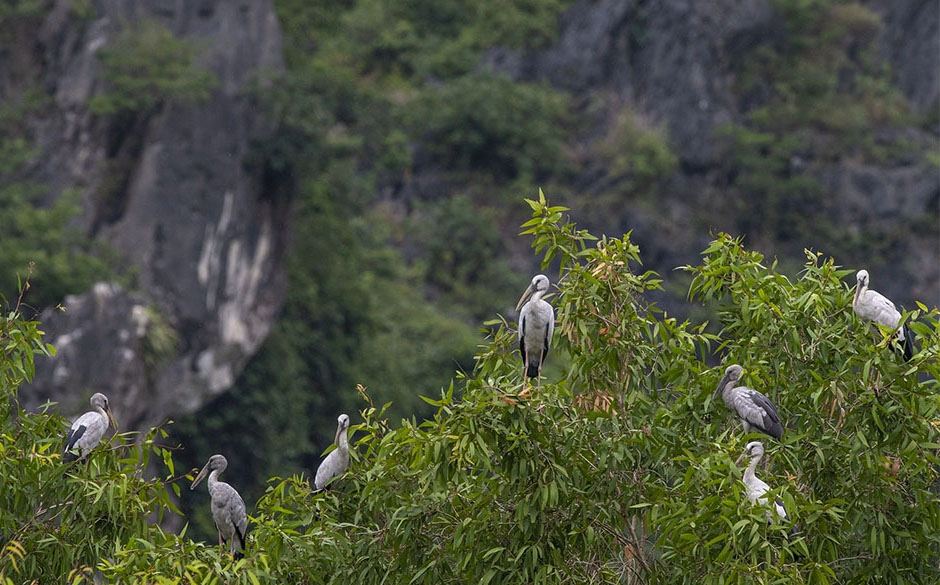
The wetland site is home to numerous species of herons and egrets, including the little egret, great egret, intermediate egret, cattle egret, Chinese pond heron and Asian openbill (Anastomus oscitans).
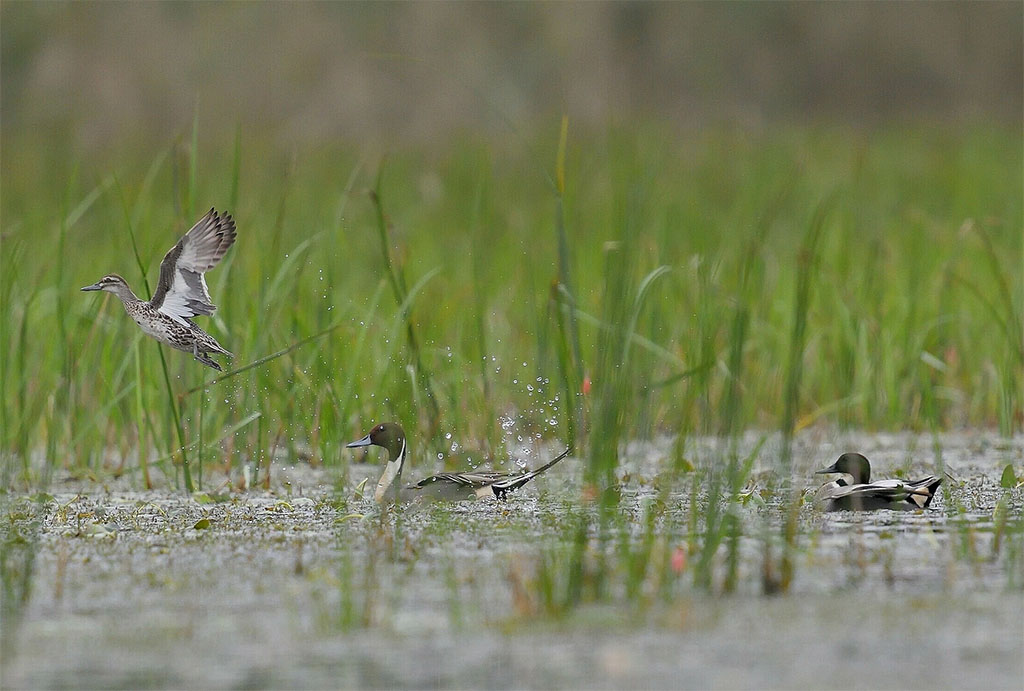
The northern pintail (Anas acuta) is a migratory species that spends the winter feeding in wetlands across the northern and central plains of Vietnam, including Van Long.
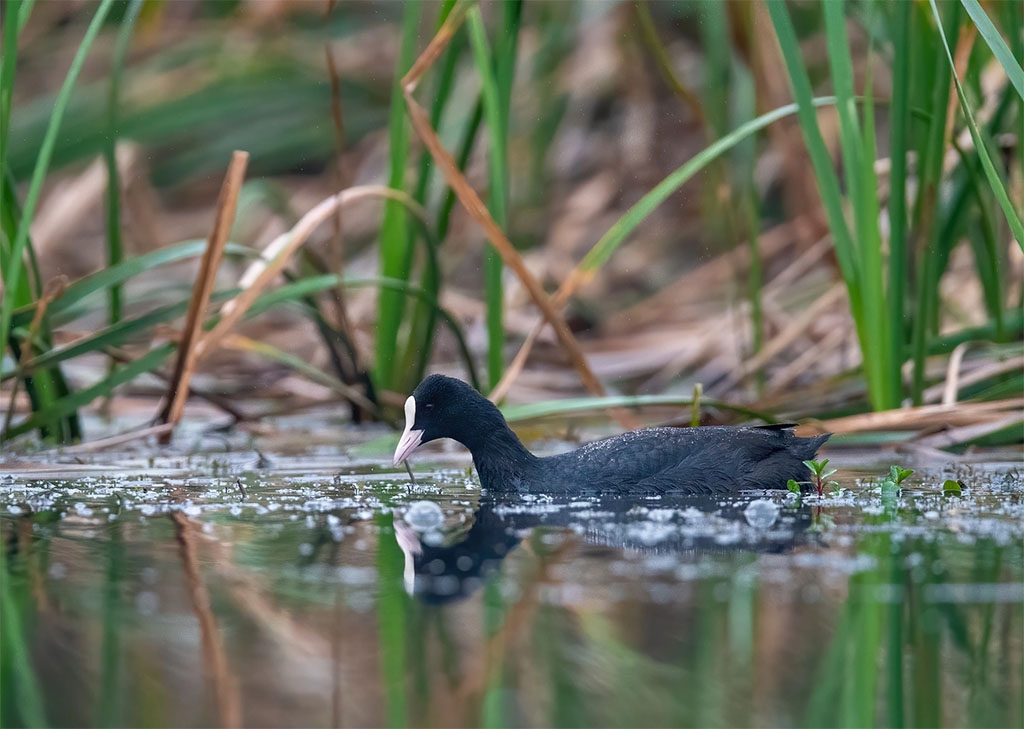
The Eurasian coot (Fulica atra) is another migratory bird species. It is easily recognised by its black plumage, white bill and white frontal shield, and striking red eyes. One of its most distinctive behaviors is the way it runs across the surface of the water to gain momentum before taking flight.
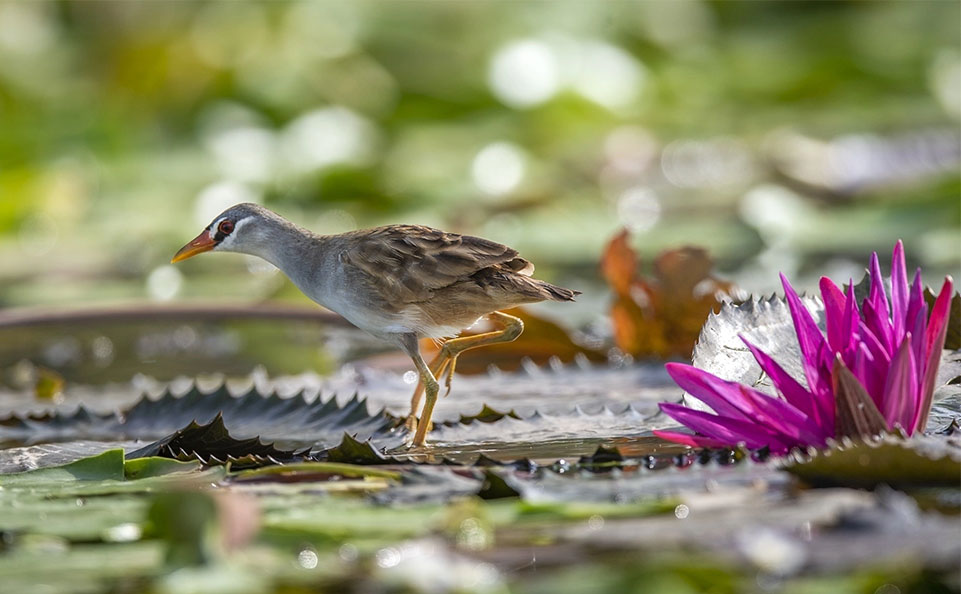
The white-breasted waterhen (Amaurornis phoenicurus) is a relatively small waterbird with long legs and toes and a short tail. Its back is generally brown, while the underparts are pale gray. White markings around the eyes help distinguish it from other waterhen species.
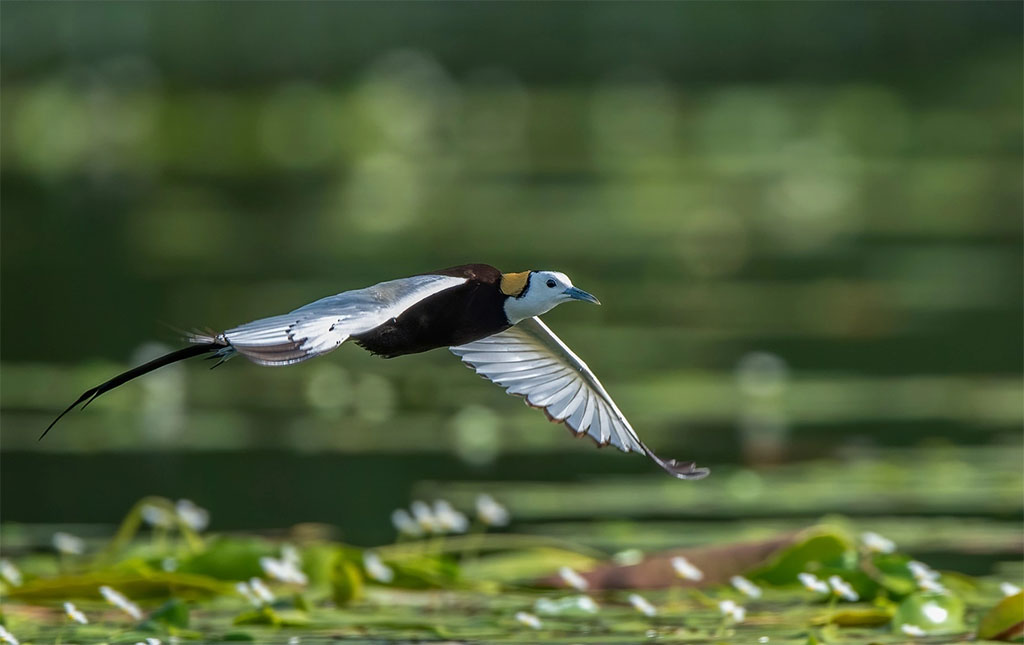
The pheasant-tailed jacana (Hydrophasianus chirurgus) is a resident species that is not frequently encountered. During the breeding season, it is particularly striking, with a long, curved tail, chocolate-brown plumage, a white face and a golden-yellow nape. Outside the breeding season, its tail becomes shorter and its plumage turns a mix of brown and white, with a black eye stripe and a white-edged throat.
Its exceptionally long, slender toes allow the bird to walk across lotus leaves, water lilies and other floating vegetation without sinking.
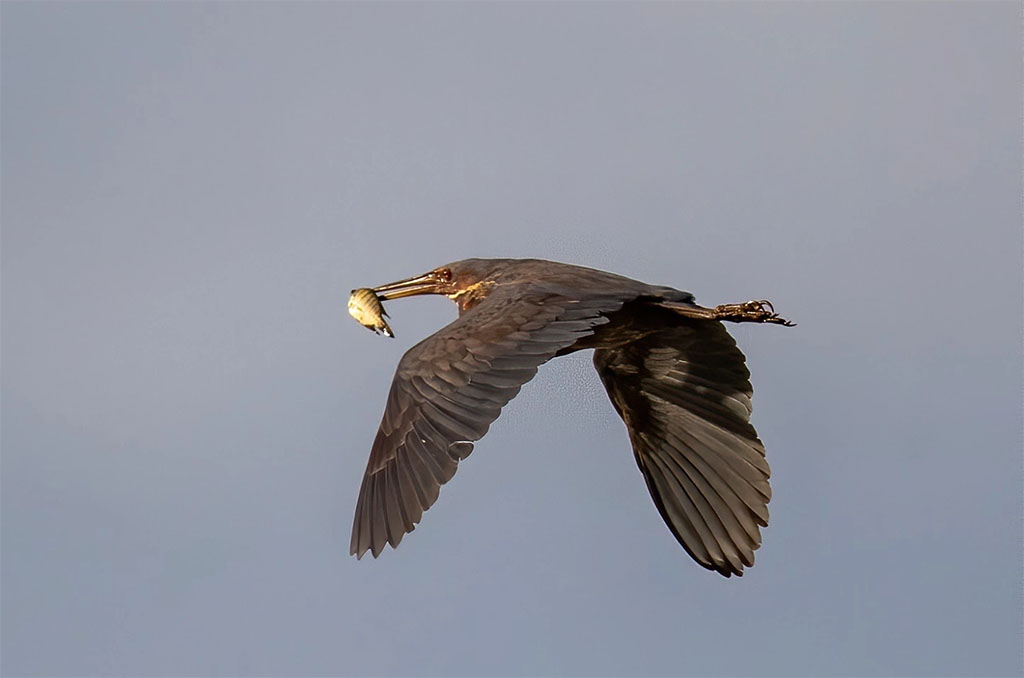
The black-crowned night heron (Ixobrychus flavicollis) belongs to the heron family. With a relatively long neck and long yellow bill, it inhabits marshes and vegetated wetlands, where it hunts fish, insects and amphibians.
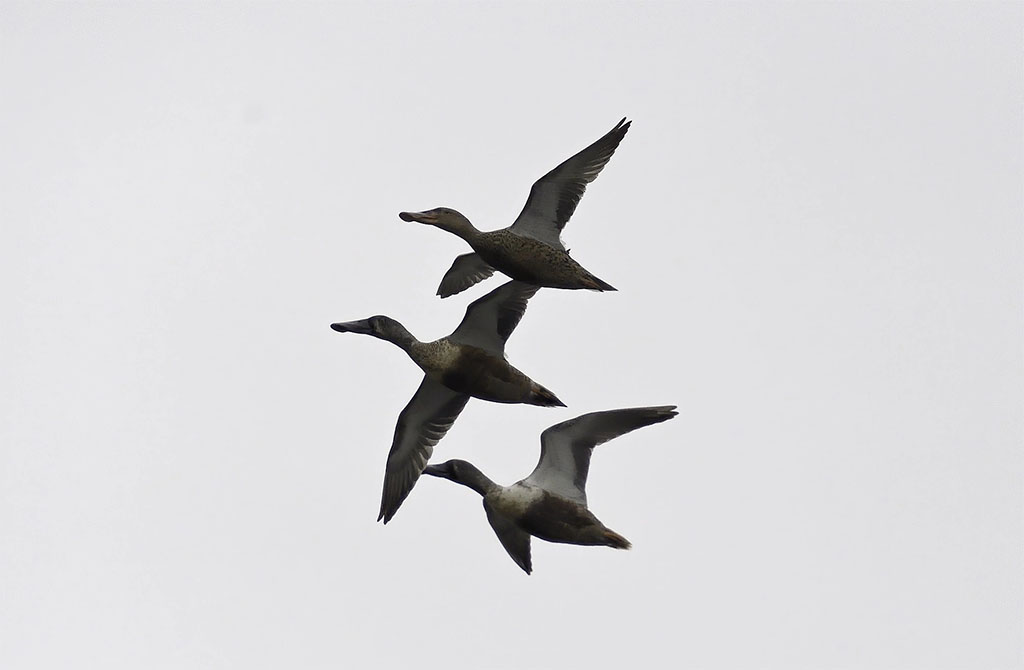
The northern shoveler (Anas clypeata) is a large migratory duck measuring about 50 centimetres in length. It is best known for its distinctive broad, spoon-shaped dark bill, which gives the species its name.
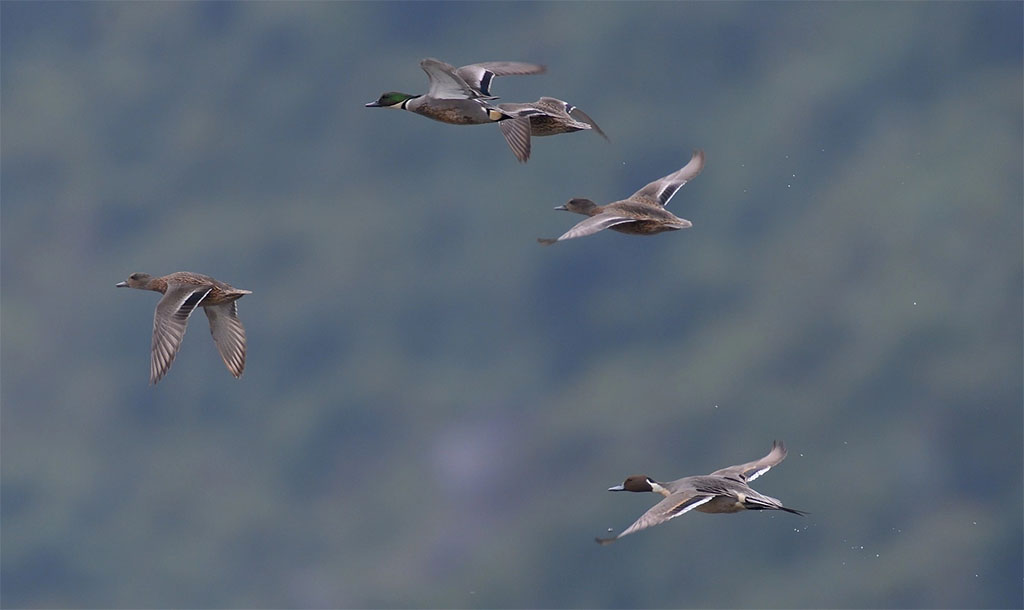
The falcated duck (Anas falcata) is another migratory species that is relatively uncommon in wetlands. Males are particularly distinctive, with a large head and shimmering green and bronze plumage.
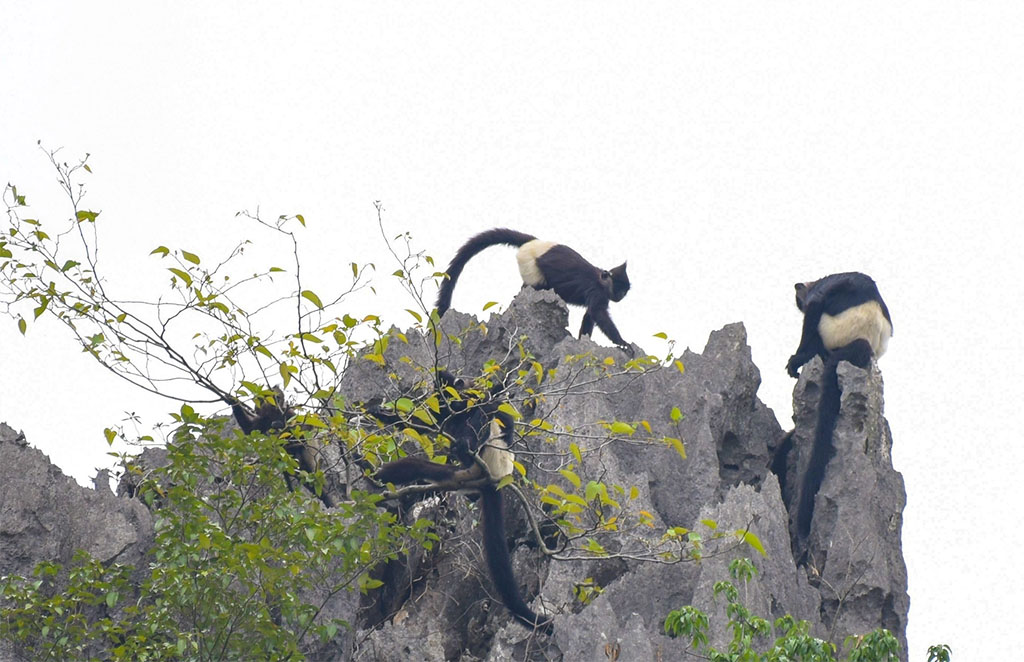
Van Long is more than an impressive ecotourism destination where visitors can observe birds and other wildlife. It is also a natural habitat for more than 200 Delacour’s langurs (Trachypithecus delacouri), also known as white-rumped langurs.
The species is endemic to Vietnam and is considered critically endangered. It is listed in Vietnam’s Red Data Book and on the International Union for Conservation of Nature (IUCN) Red List, making Van Long one of the country’s important refuges for the conservation of this rare primate./.
Tin liên quan
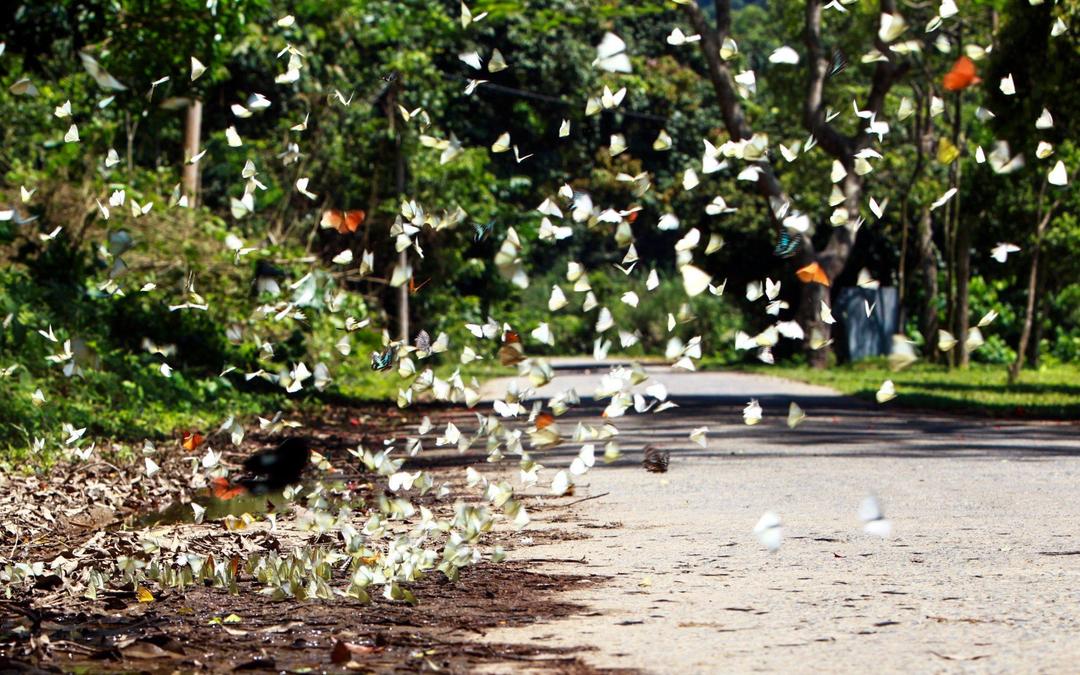


Cuc Phuong National Park Wildlife Restoration Plan launched


National programme for endangered wildlife species conservation approved
Tin cùng chuyên mục

Muong Lo Festival 2026 opens with grand Xoe dance performance
Preserving traditional sedge-thatch houses in Ninh Binh