
Ninh Binh promotes entrepreneurial university model linked to innovation and businesses

The initiative is considered an important step towards aligning scientific research more closely with production practices and market demand.
Speaking at a workshop on solutions for developing an entrepreneurial and innovative university model in Ninh Binh in line with the national strategy on innovative startups, Deputy Director of the provincial Department of Science and Technology Nguyen Toan Thang said the province has a diverse network of universities, colleges and training institutions, together with a growing pool of intellectuals, experts and scientists.
At the same time, the provincial economy is undergoing a strong shift towards industry and services, with an increasing presence of technology companies and foreign-invested enterprises operating in electronics, semiconductors and high-tech industries.
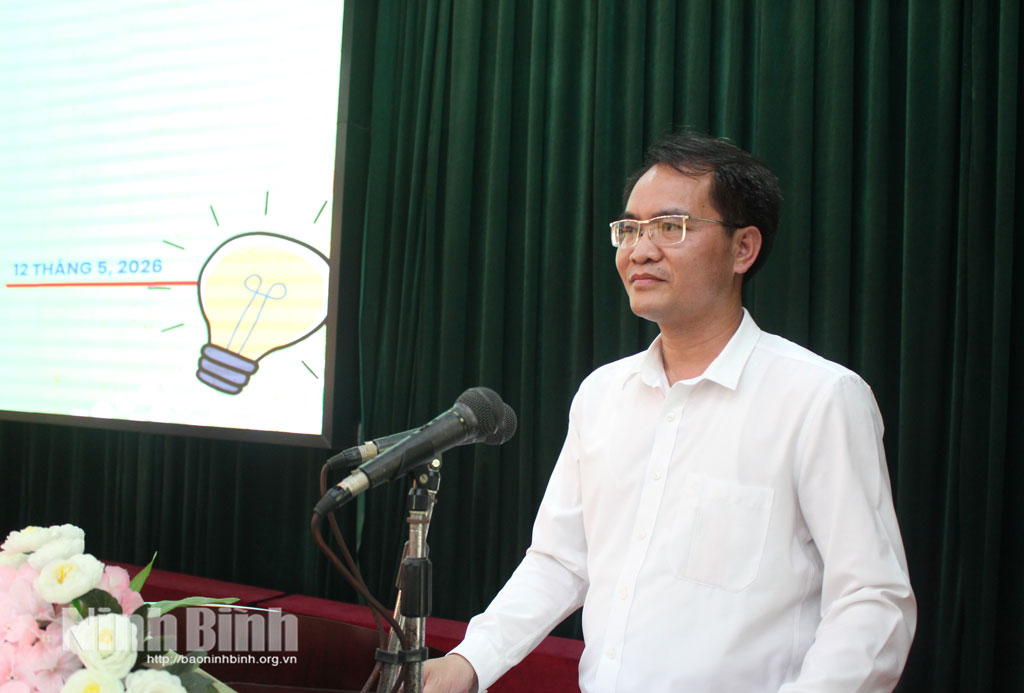
According to Thang, these conditions provide a favourable foundation for developing the entrepreneurial university model, bringing knowledge and research from educational institutions closer to production and business needs.
However, innovative startup activities at universities in Ninh Binh remain at an early stage, with no comprehensive ecosystem connecting stakeholders yet in place.
One of the key shortcomings is the still-limited cooperation among universities, businesses and local authorities. Startup incubation activities on campuses have yet to reach their full potential, while an entrepreneurial culture among students and lecturers needs to be further fostered. In addition, financial resources, facilities and infrastructure for research and innovation remain inadequate to meet practical requirements.
At the workshop, experts focused on identifying bottlenecks in transforming innovative ideas from laboratories into marketable products. Many stressed that an effective entrepreneurial university model requires a clear pathway from scientific research and technology development to product commercialisation.
Experts also agreed that in the new development phase, universities should serve not only as institutions for education and research but also as dynamic innovation ecosystems. Such ecosystems would connect scientists, businesses and investors, helping foster an entrepreneurial spirit, advance technologies and address the demand for high-quality human resources.
In the coming period, Ninh Binh will continue strengthening coordination among government agencies, educational institutions and businesses to promote innovative entrepreneurship among students. Developing the entrepreneurial university model is expected not only to improve the quality of education and training but also to lay a foundation for building a stronger innovation ecosystem across the province./.

Tin cùng chuyên mục

Awards ceremony convened for sixth Party ideology writing contest

Top Vietnamese leader hosts banquet in honour of Swiss President

16th National Assembly commences second session
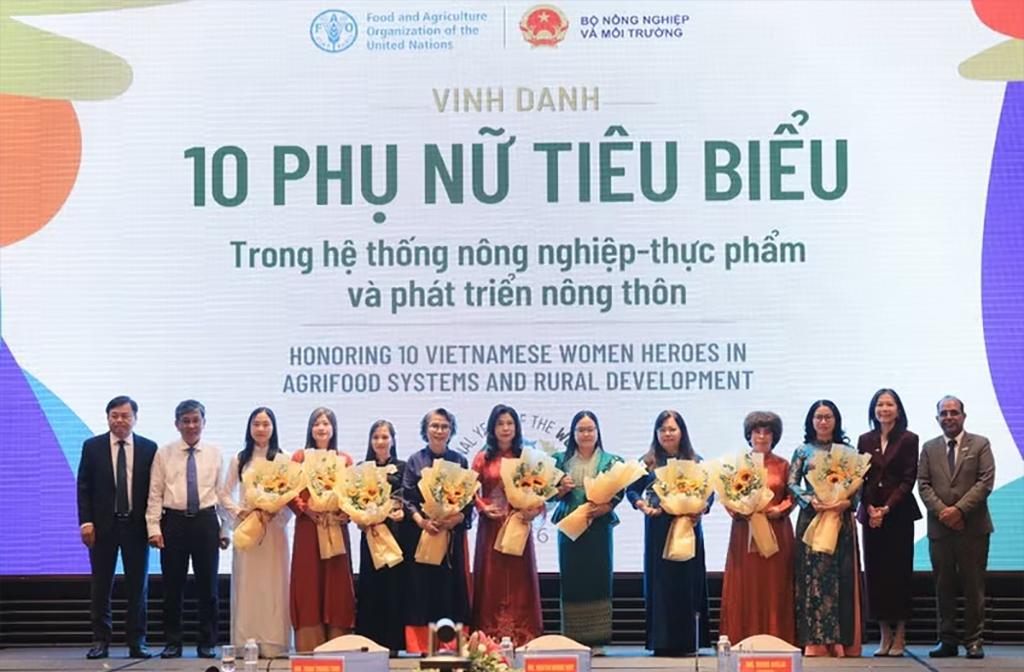
FAO honours 10 prominent Vietnamese women in agriculture, rural development
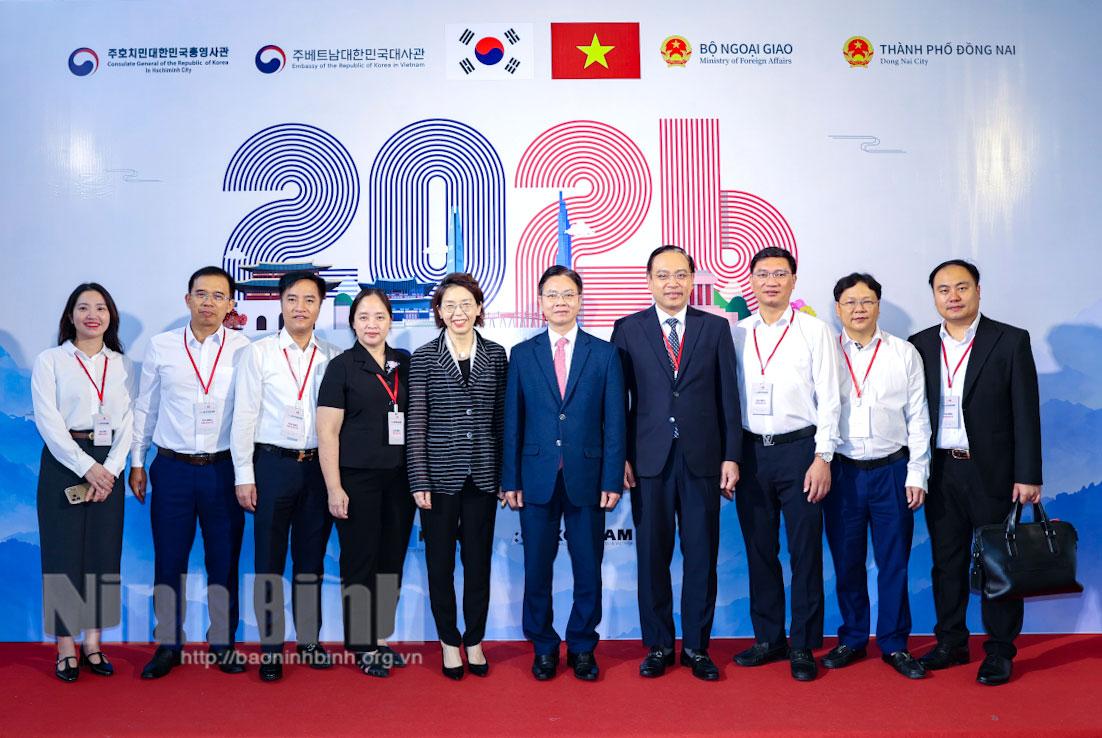
Ninh Binh’s delegation attends “Meet Korea 2026” plenary conference