
Ninh Binh plans to build deepwater seaports and boost marine economic development
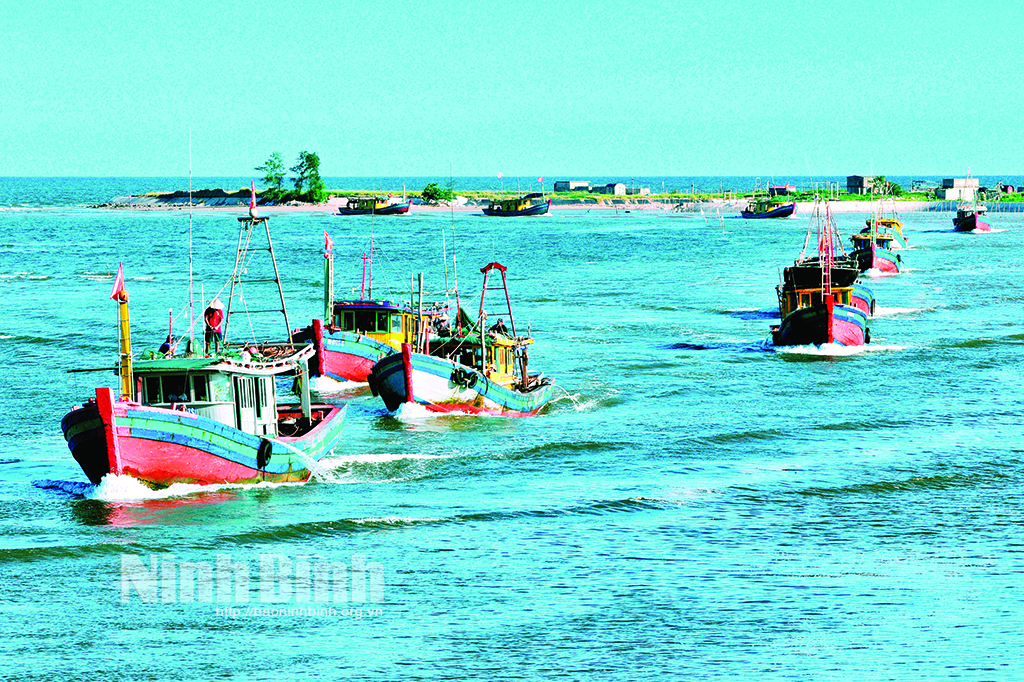
Following the merger, Ninh Binh province has a new development space in the sea with 89.45km of coastline, encompassing 16 coastal communes and a population of nearly 600,000.
The area boasts mangrove forests, tidal flats, swamps, five major river estuaries, abundant aquatic resources, and potential for developing aquaculture, salt production, ecotourism, renewable energy, and fisheries logistics services.
In particular, Xuan Thuy National Park Vietnam's first Ramsar site plays a crucial role in conserving biodiversity and the environment of the estuary region.
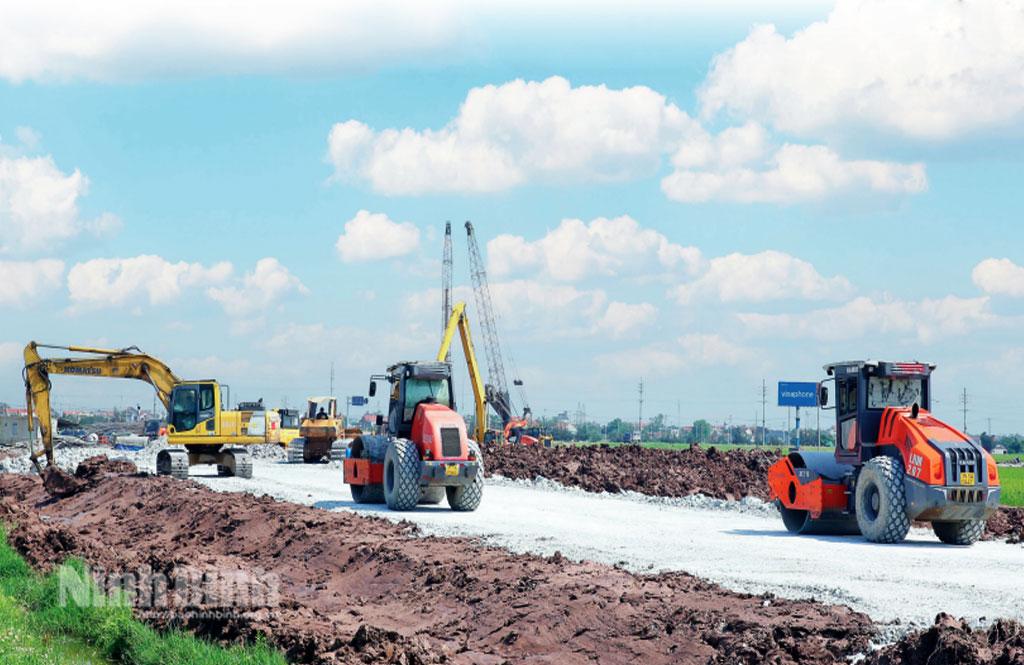
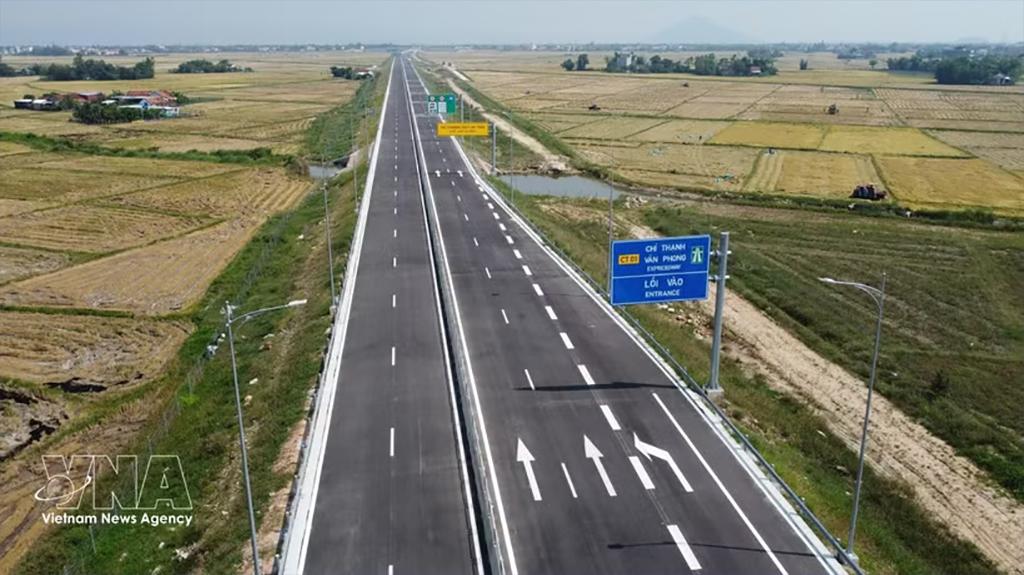
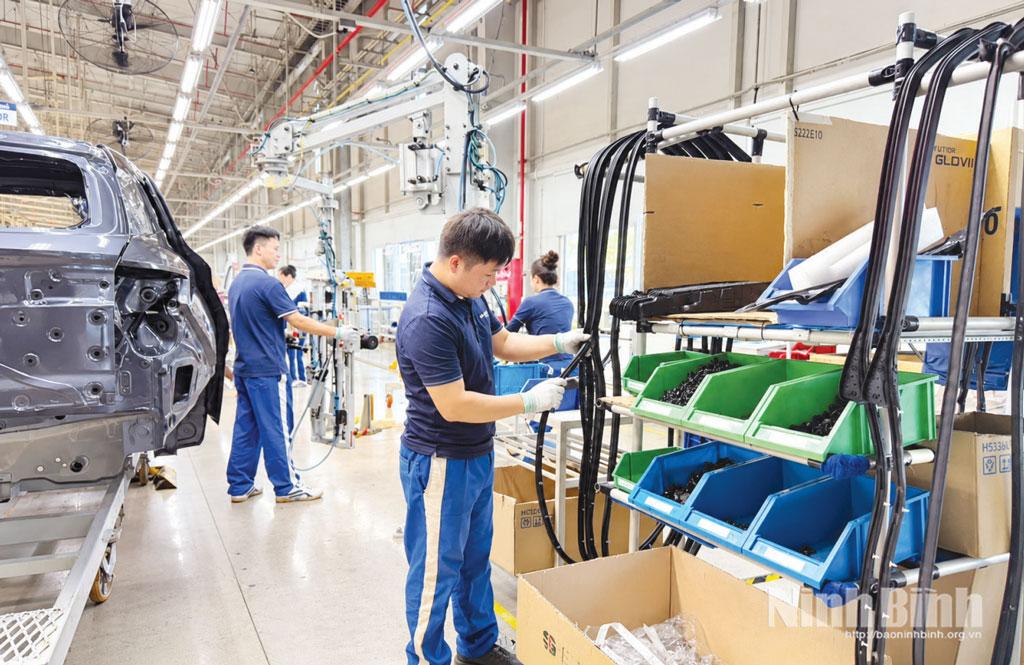
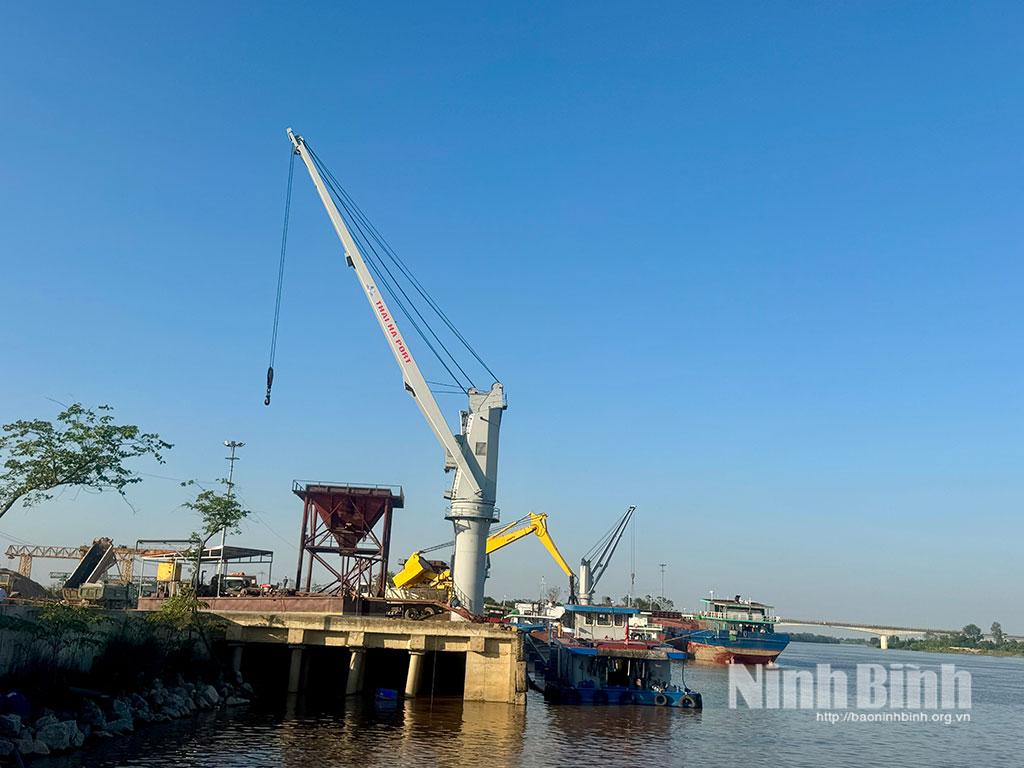
In recent years, the policy of developing the marine economic zone has been focused on by authorities at all levels and sectors, achieving initial results such as: Planning work has been implemented; socio-economic infrastructure has received investment, especially in transport, irrigation, and industrial zones and clusters.
Many large projects have been and are being implemented, contributing to enhancing the geo-economic position and creating a new look for the coastal region.
The management and protection of marine resources and the environment, climate change adaptation, and national defence and security have been given attention and ensured.
However, the development of Ninh Binh province's marine economy has not been commensurate with its potential and advantages, especially with the new development space after the merger.
The socio-economic infrastructure system is not yet complete and has not created a synchronised connection with localities in the region; marine tourism products are not yet outstanding.
The reasons cited by Ninh Binh province are: Limited investment resources; awareness of all levels, sectors, localities, people, and businesses regarding the role and position of coastal economic development is still incomplete; the impact of climate change and natural disasters causes significant damage to the economy and lives of people in coastal areas.
Ninh Binh province aims to develop its coastal economic zone into a growth pole in the southeastern region of the province by 2030. This will create a ripple effect and strengthen development linkages with other dynamic regions in the province and the region.
Along with this, it aims to form a system of deep-water seaports and logistics centres; develop service and logistics centers for the fishing industry.
It also aims to basically complete the sea dike system, plant replacement forests, proactively respond to climate change; develop diverse tourism, ecological, and resort products; and improve coastal urban infrastructure.
In particular, it strives for an average annual growth rate of over 11% in the coastal and marine economy during the 2025-2030 period. The proportion of the marine and coastal economy in the province's GRDP is over 20%; the urbanization rate in the coastal area is over 50%...
By 2045, Ninh Binh's coastal economic zone will become one of the key economic, urban, and maritime logistics centres of the North and the whole country. It will have a synchronously developed and modern infrastructure system, connecting trade in goods, services, and culture of the region, the whole country, and the wider area./.
Tin liên quan
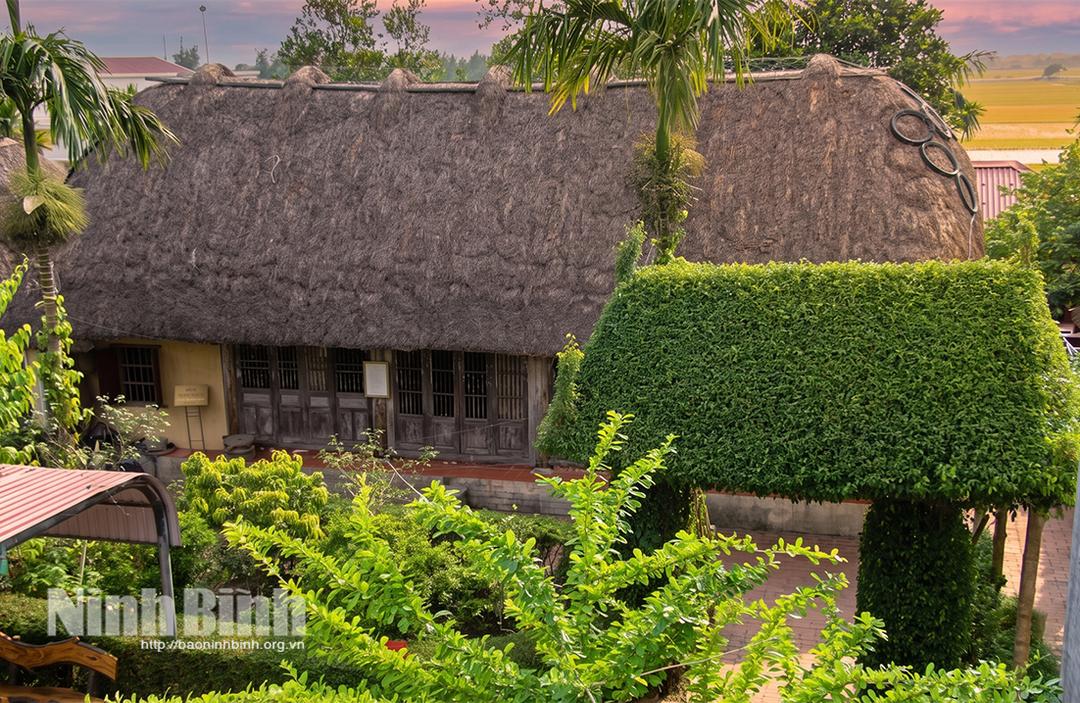
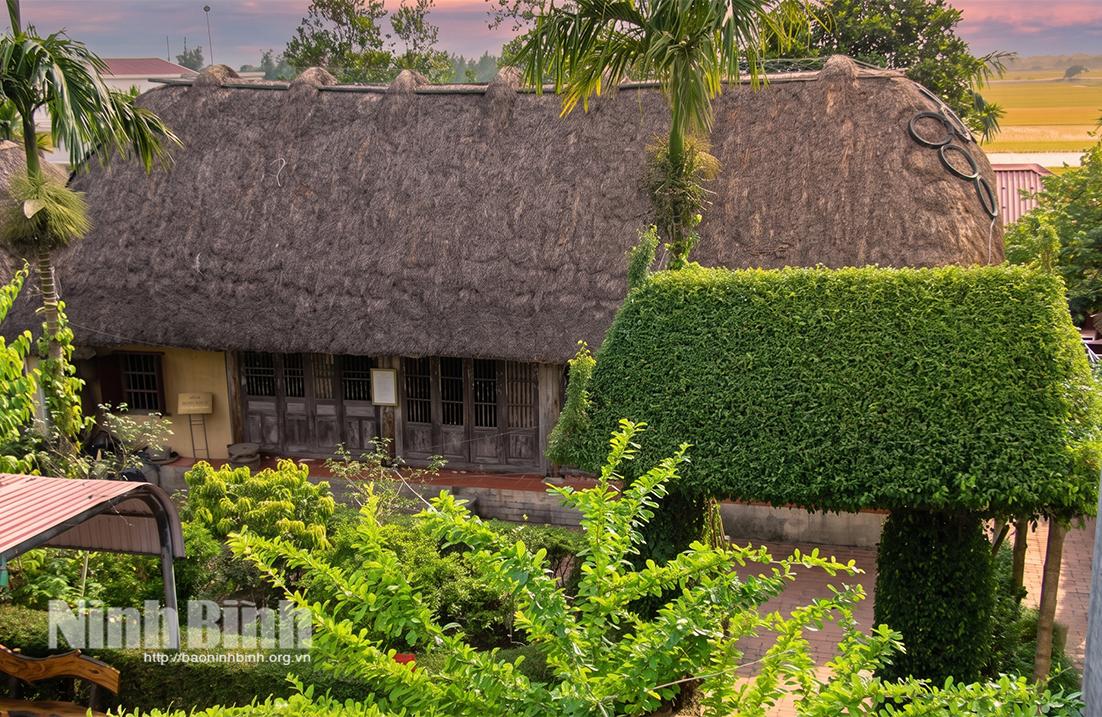
Preserving traditional sedge-thatch houses in Ninh Binh



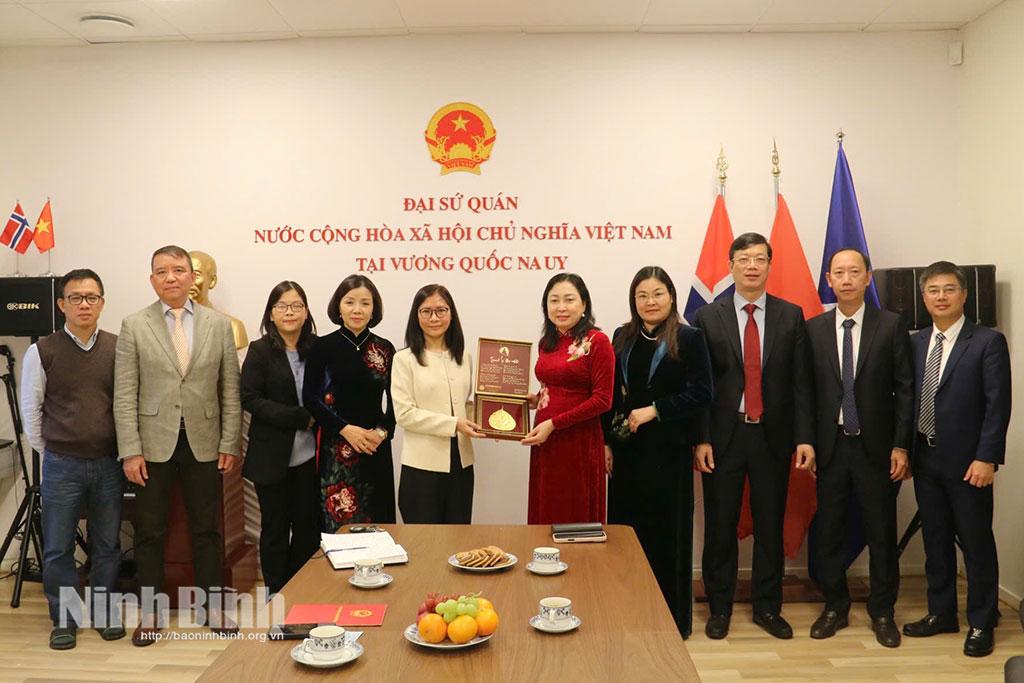

Ninh Binh strengthen friendly cooperation with Oudomxay
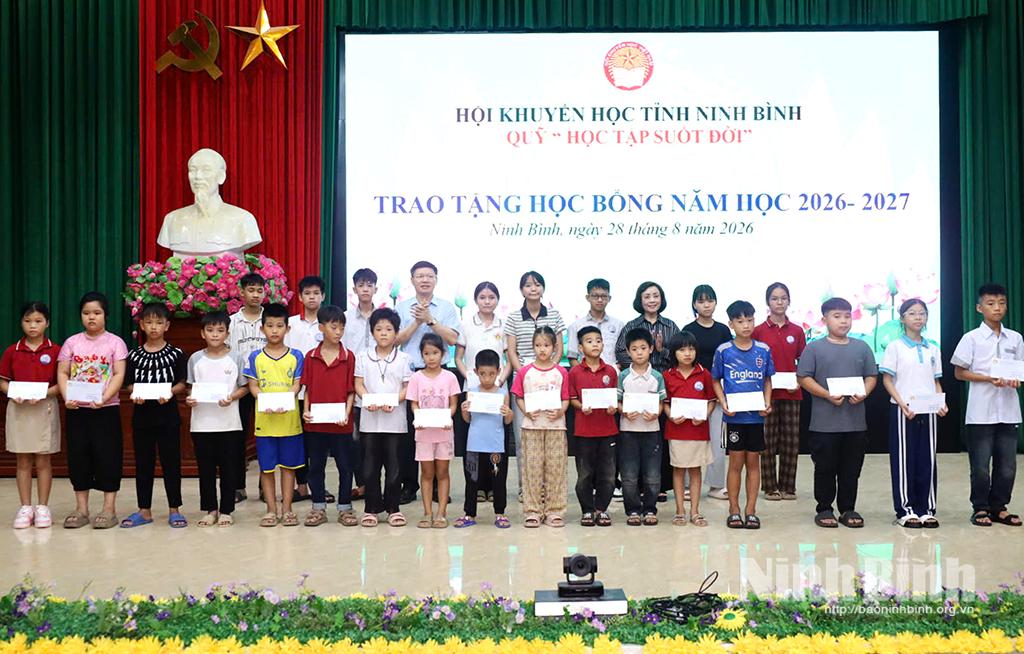
Ninh Binh mobilises resources to support disadvantaged students
Tin cùng chuyên mục