
Ninh Binh identifies six growth drivers for double-digit growth
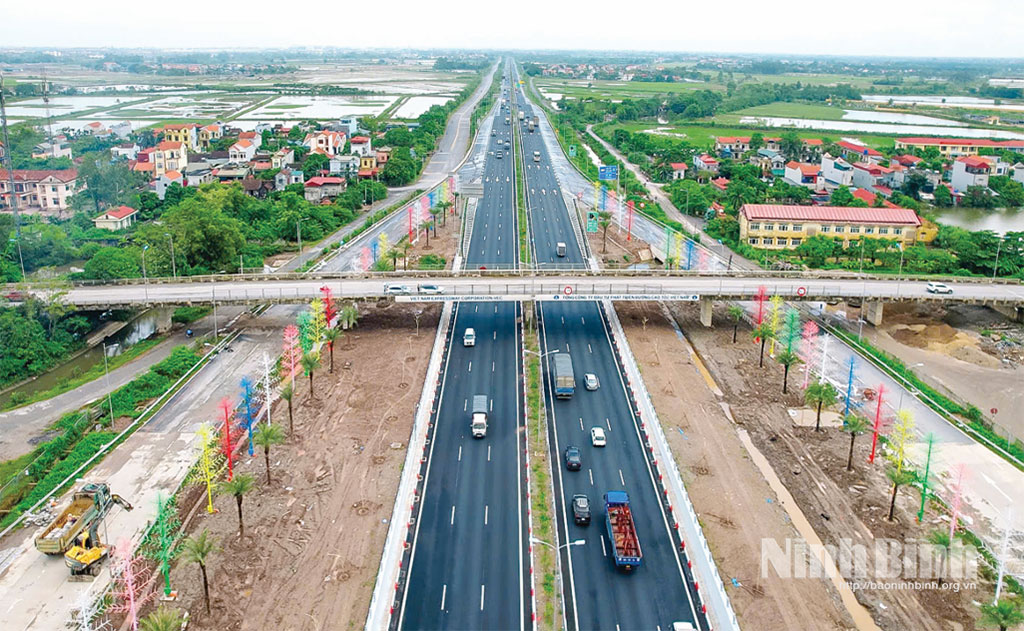
Accelerating infrastructure development, expanding development space
The target of at least 11% economic growth in 2026 requires Ninh Binh to make effective use of existing potential while creating new drivers for a breakthrough. To realise this goal, the province is rolling out a range of measures, with infrastructure development and the removal of bottlenecks given top priority.
The province’s socio-economic performance has shown positive signs since the beginning of 2026. In the first six months, GRDP growth reached 11.4%, the highest among localities in the Red River Delta and second nationwide. Industrial production expanded by an impressive rate of 27%, while exports rose 52%. Tourism remained a key strength, attracting more than 17.6 million visitors and generating nearly 18 trillion VND (690.71 million USD) in revenue.
Ninh Binh has identified transport infrastructure as the “backbone” for connecting economic flows, facilitating the movement of goods and expanding development space for industry, urban areas and services.
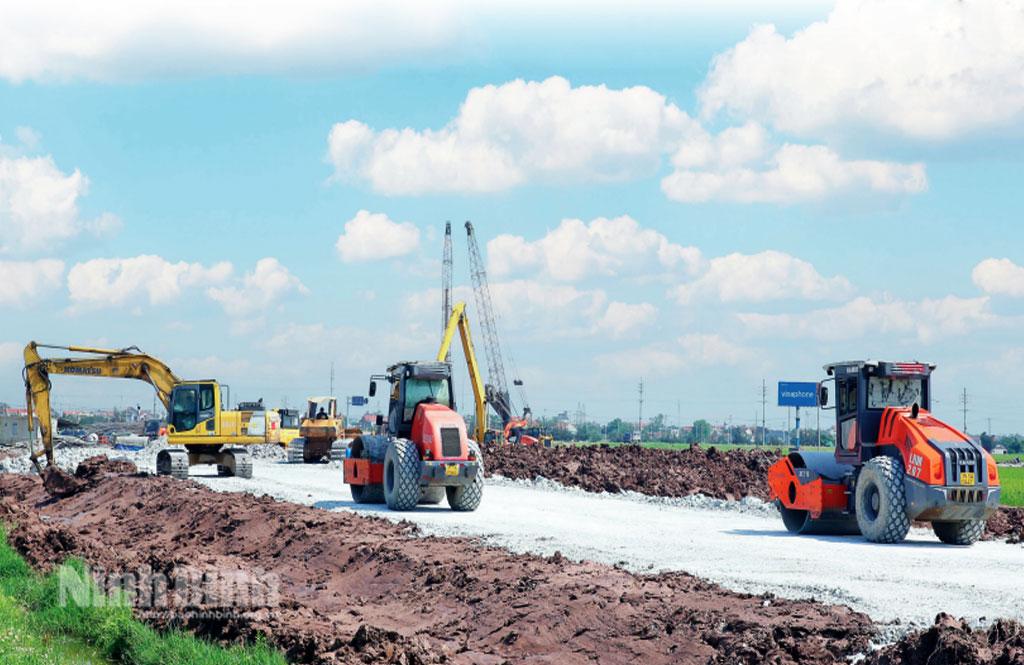
The province is mobilising resources to accelerate a series of major transport projects, gradually completing inter-regional connectivity corridors.
Nguyen Quang Minh, Deputy Director of the Ninh Binh Construction Investment Project Management Board No. 1, said the board is implementing four major projects: Ninh Binh-Hai Phong expressway, an inter-regional road, a section of National Highway 477 crossing Hoang Long bridge, and Hoa Lu trunk road Project 07.
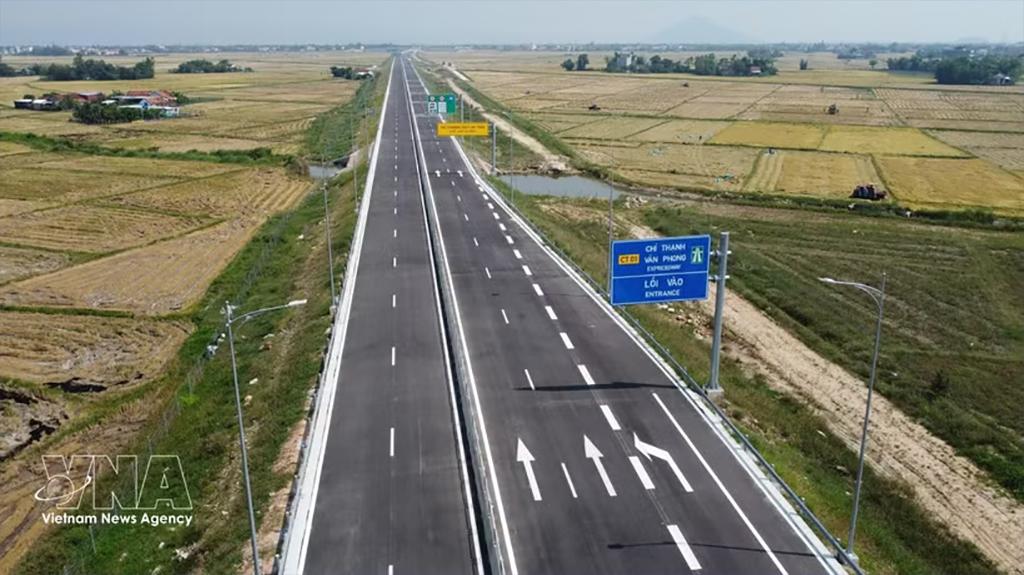
The Ninh Binh-Hai Phong expressway is a national key project directly steered by the Prime Minister. Construction has reached more than 40%, while site clearance has been completed.
The inter-regional road, with more than 3 trillion VND allocated in 2026, is also progressing rapidly, with site clearance exceeding 70%.
Nguyen Toan Thang, Deputy Director of the Ninh Binh Construction Investment Project Management Board No. 3, said that before the merger, the province had launched five major transport projects spanning about 39km, including the Phu Thu interchange, a road linking National Highway 1 with the road connecting the Cau Gie-Ninh Binh and Hanoi-Hai Phong expressways, and a route connecting the two Tran temples.
The Liem Son interchange has now been completed and opened to traffic, while the route connecting the two Tran temples has reached 70% construction progress and 99% site clearance.
Notably, the section of Ring Road No. 5 in the Capital Region running about 35km through Ninh Binh is being carefully prepared under the “one step ahead” approach. Four component projects involving parallel and frontage roads are under way to prepare a clean land fund for future development.
Focusing on six key growth drivers
Despite these positive results, Ninh Binh faces new requirements and challenges as it enters a new phase of economic development and governance.
Prices of some input materials for production and infrastructure construction have increased, while global and regional economic fluctuations have pushed up transport and logistics costs, affecting domestic production costs and project implementation schedules.
Dinh Nam Thang, Deputy Director of the provincial Department of Finance, said the Government has tasked Ninh Binh with achieving economic growth of at least 11% this year. Describing the target as highly challenging, he said the provincial Party Committee and People’s Committee had issued specific action programmes from the outset of the year to ensure effective implementation.
Ninh Binh has identified six key groups of growth drivers.
First, the province will ensure the effective and coordinated operation of the two-tier local administration model, with the aim of providing the best possible services to people and businesses. It will also promote substantive decentralisation and delegation of authority, ensuring that grassroots-level administrations have sufficient powers, resources and capacity to perform their tasks.
Second, Ninh Binh will implement the provincial master plan for the 2021-2030 period, with a vision to 2050, in a coordinated manner. Priority will be given to adjusting and implementing general urban plans, commune-level master plans and industrial park plans to ensure consistency and synchronisation.
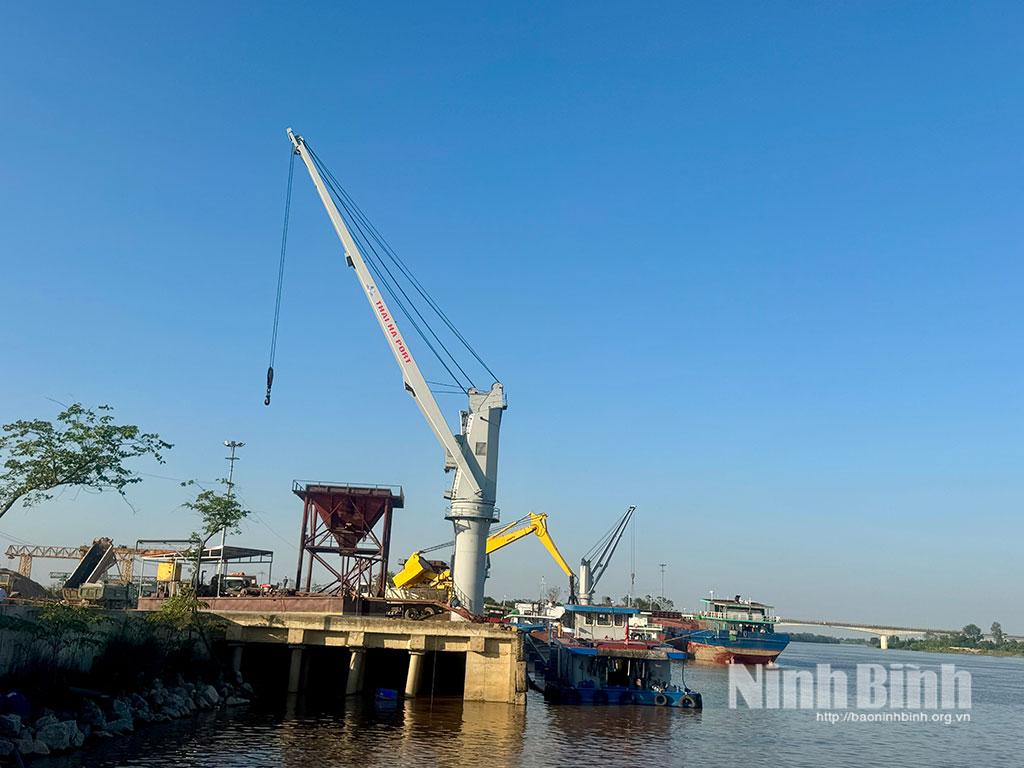
Third, the province will focus on developing infrastructure, particularly transport links between industrial parks and industrial clusters, to create fresh momentum for local socio-economic development.
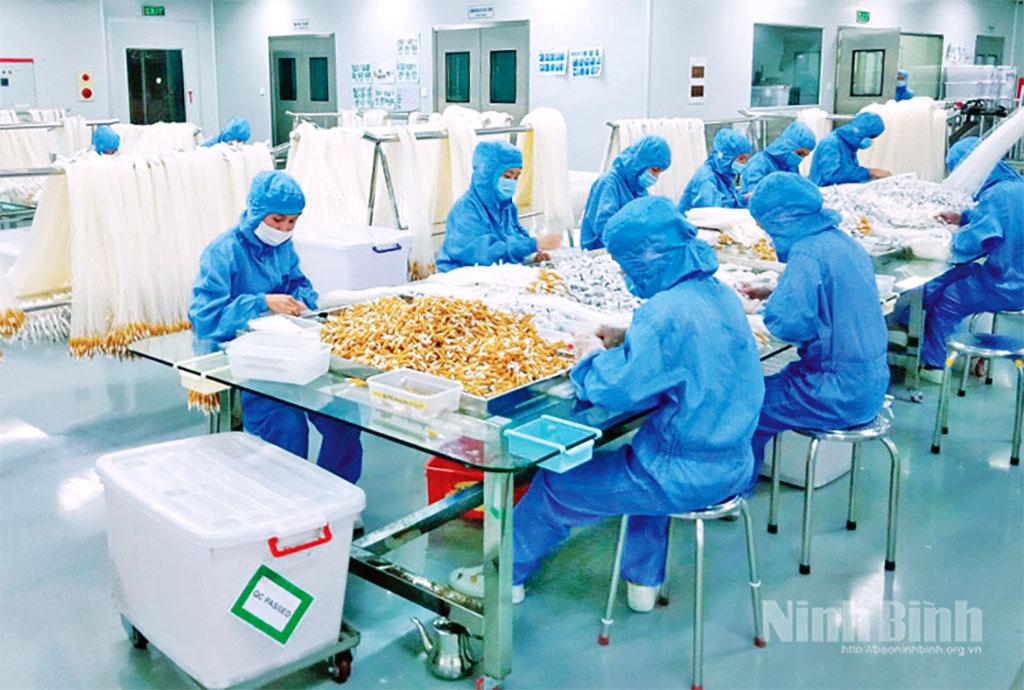
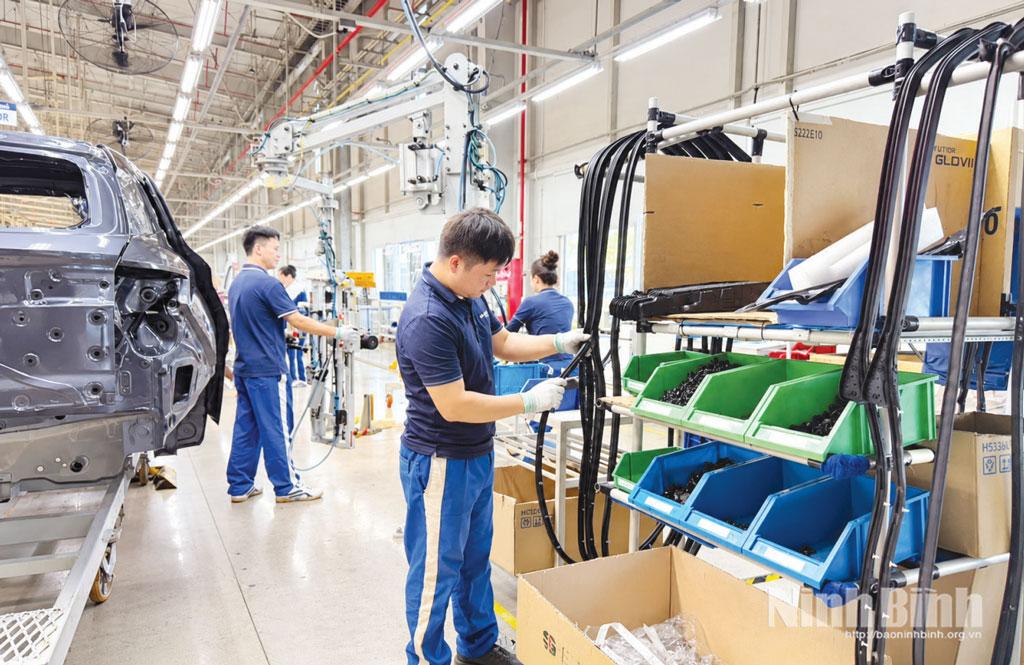
Fourth, Ninh Binh will develop industry, particularly high-tech, supporting and green industries. It will also complete infrastructure in industrial parks and clusters to attract investors using modern technologies and generating high added value.
Fifth, the province will mobilise resources to develop services, tourism, trade and consumer sectors. As these are among Ninh Binh’s strengths, it will continue diversifying tourism products while stimulating domestic consumption and local trade.
Tin cùng chuyên mục