Ninh Binh province expands development space
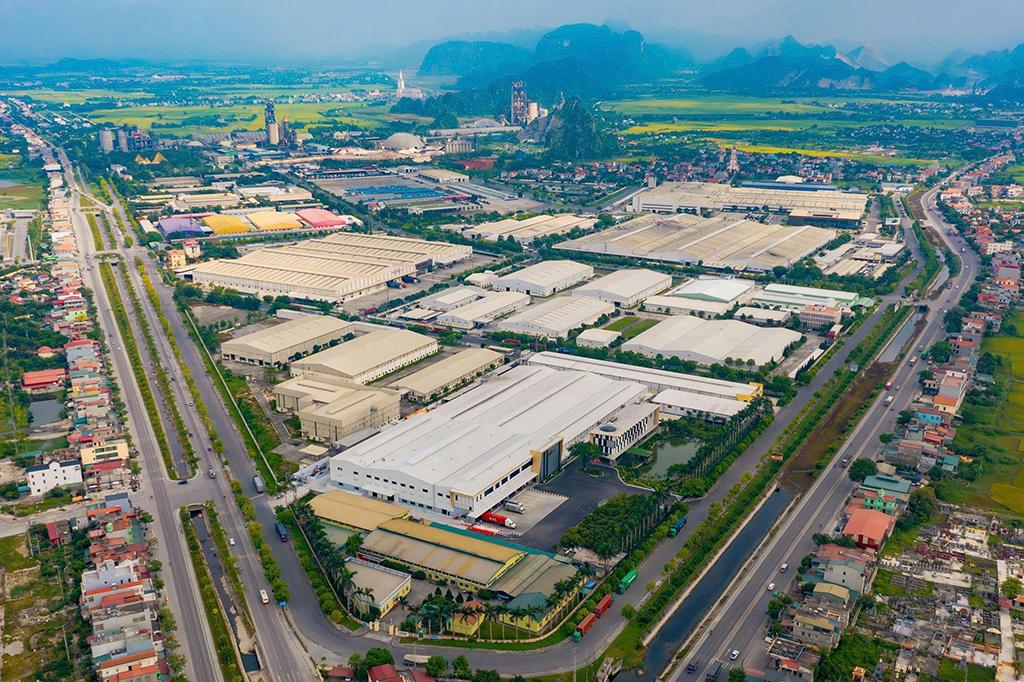
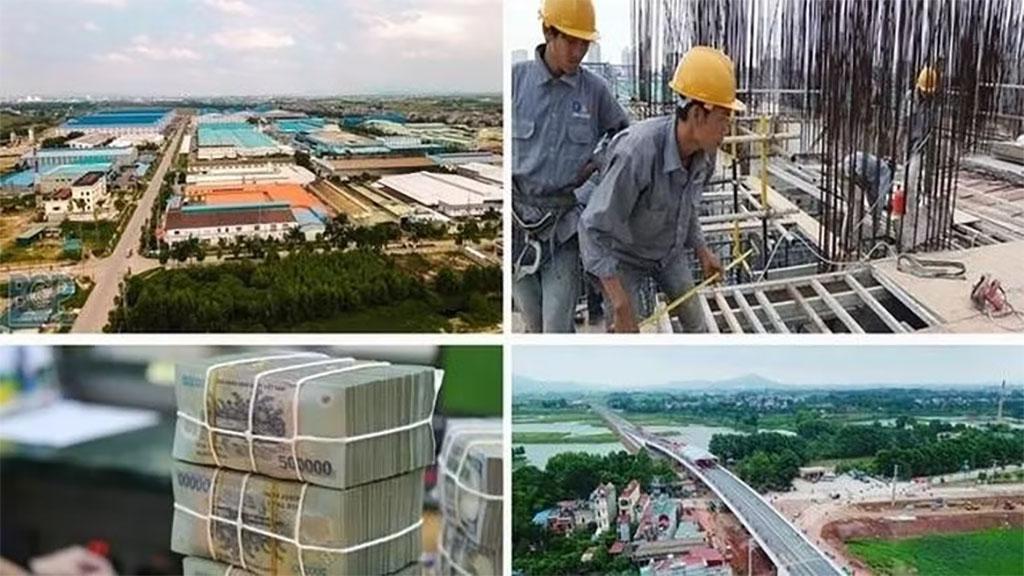
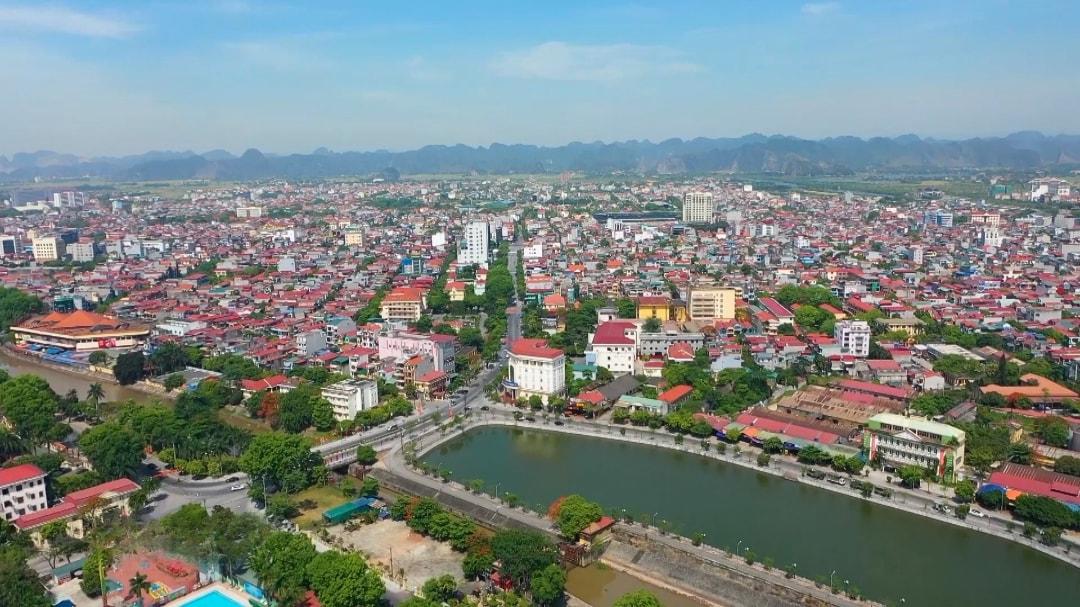
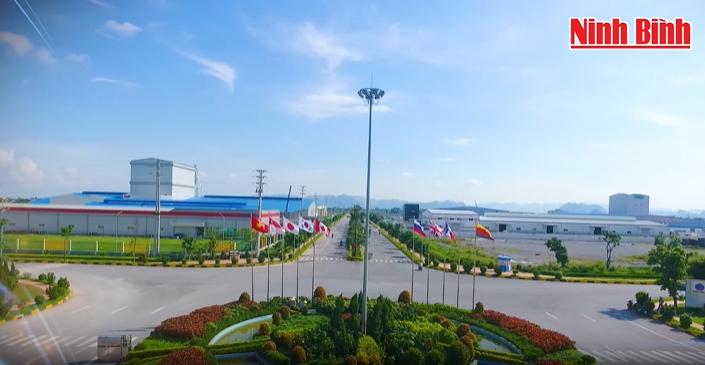
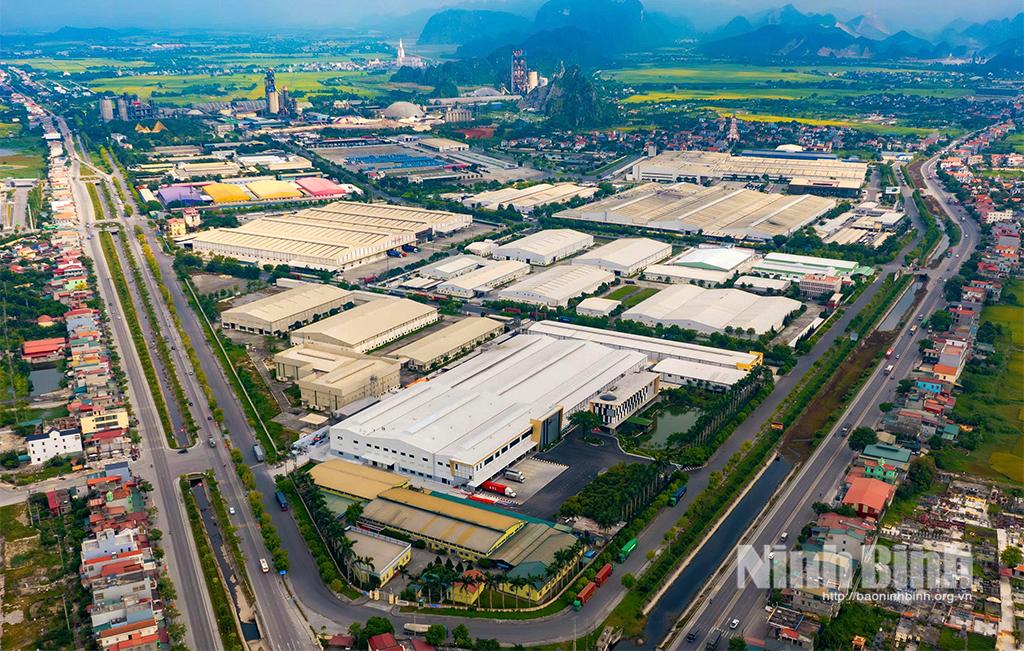
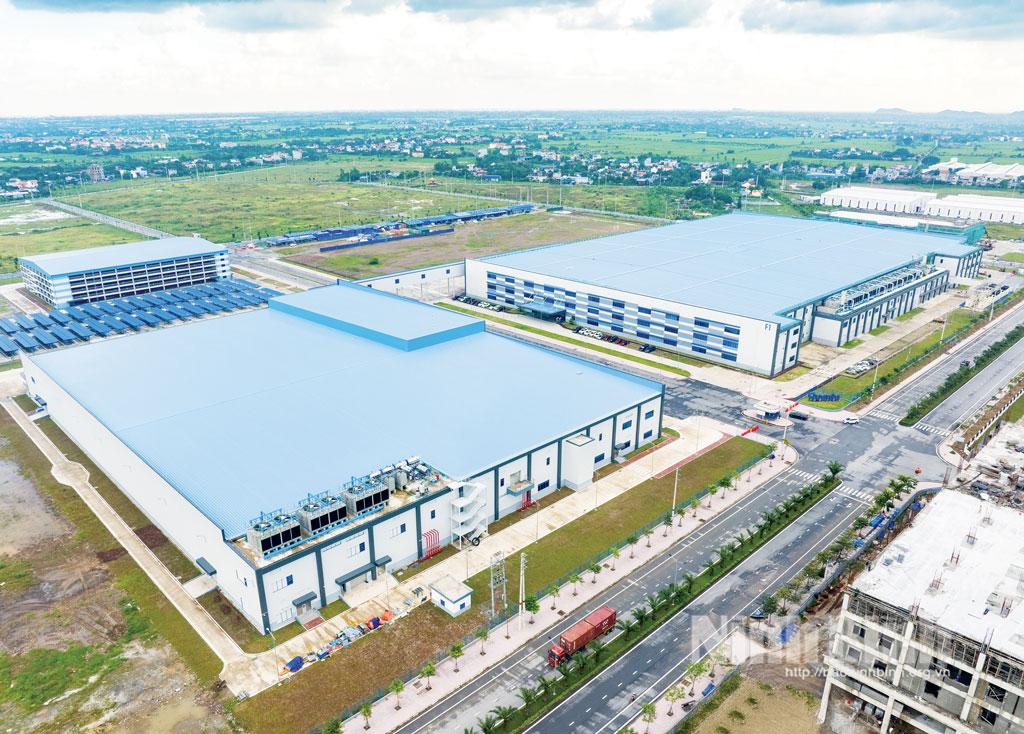
With expanded administrative boundaries and growth potential following the mergence, Ninh Binh province is accelerating its efforts to attract large-scale industrial park infrastructure investors.
Có 204 kết quả được tìm thấy
With expanded administrative boundaries and growth potential following the mergence, Ninh Binh province is accelerating its efforts to attract large-scale industrial park infrastructure investors.
Deputy Prime Minister Tran Hong Ha on December 23 stressed the need to standardise data across agencies and localities on issues flagged by the European Commission (EC), as Viet Nam seeks to have the EC’s “yellow card” against its seafood exports lifted.
In the 2021-2025 period, the northern province of Ninh Binh has enjoyed positive outcomes in socio-economic development. The province’s GRDP expanded at annual average growth rate of 9.26%, while its economic structure shifted towards industry - services, thus laying an important foundation for the next period of development.
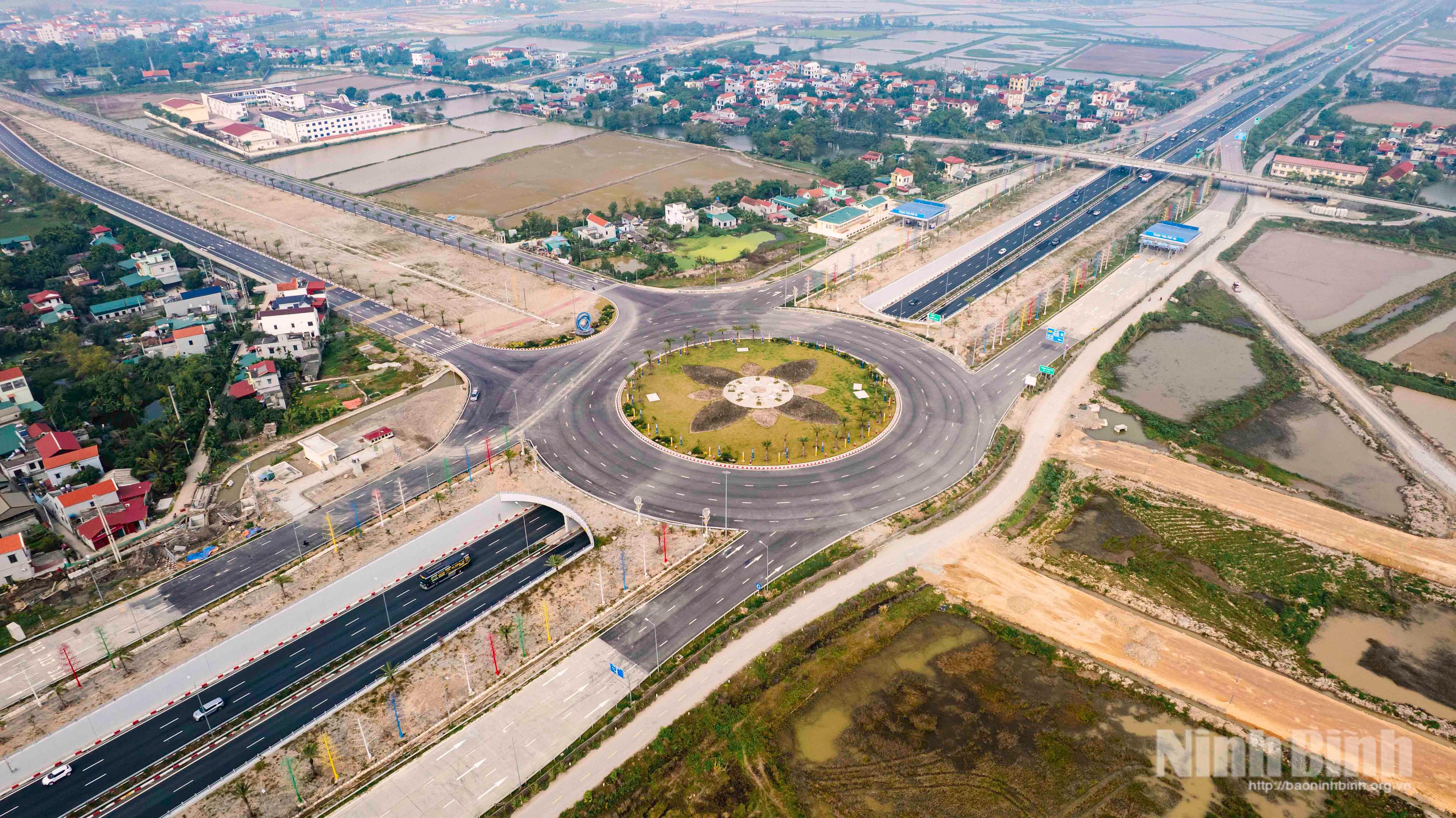
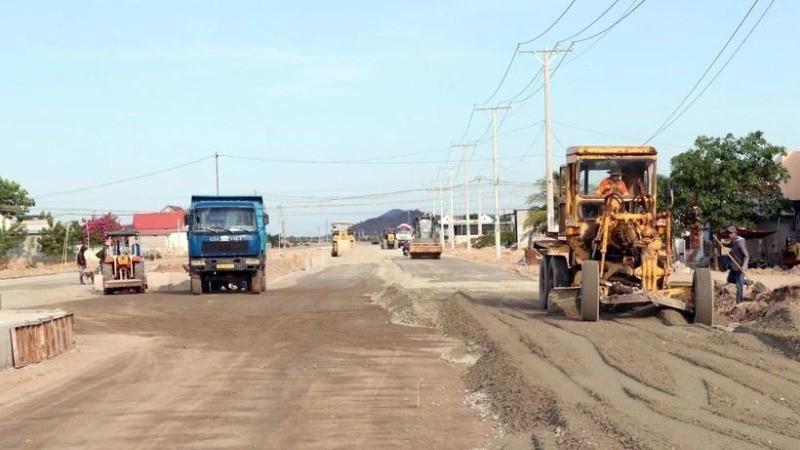
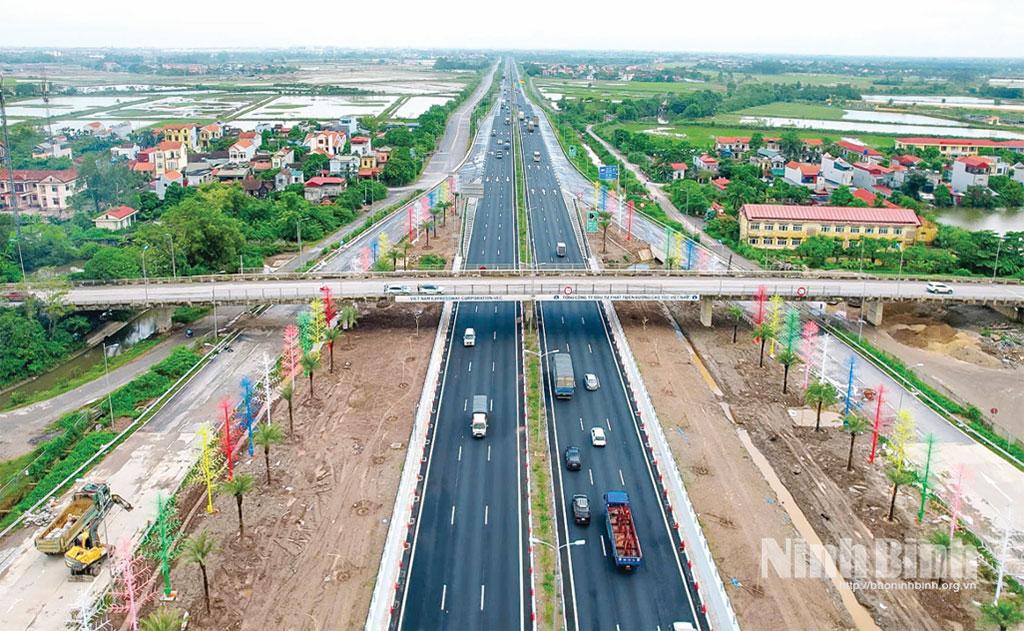
The Ninh Binh Provincial People’s Committee on December 19 held an inauguration ceremony for a new route connecting Nam Dinh, Lac Quan and coastal road.
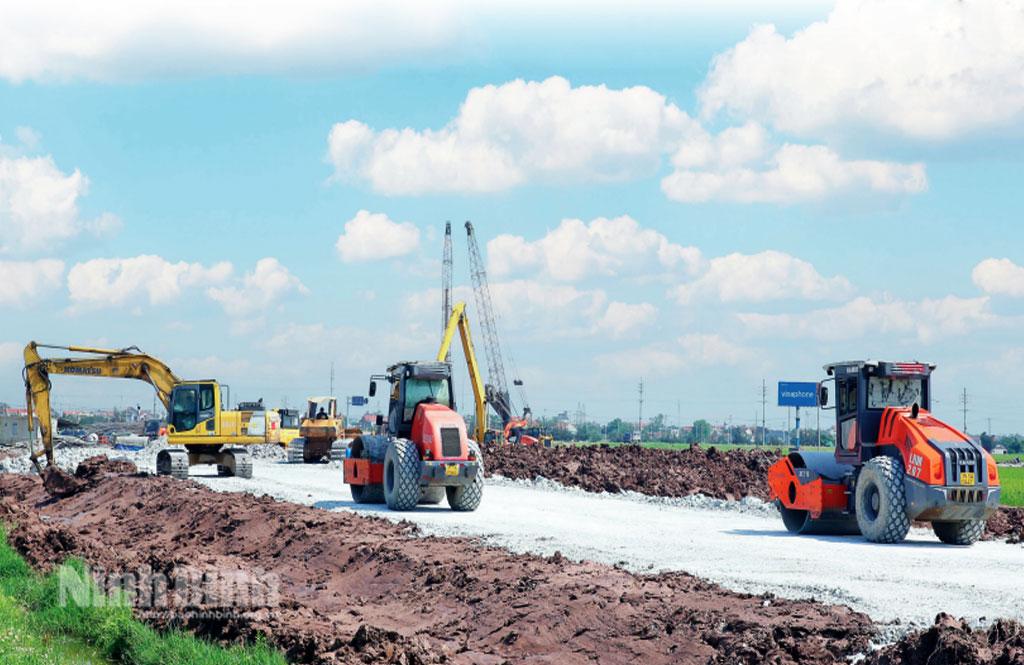
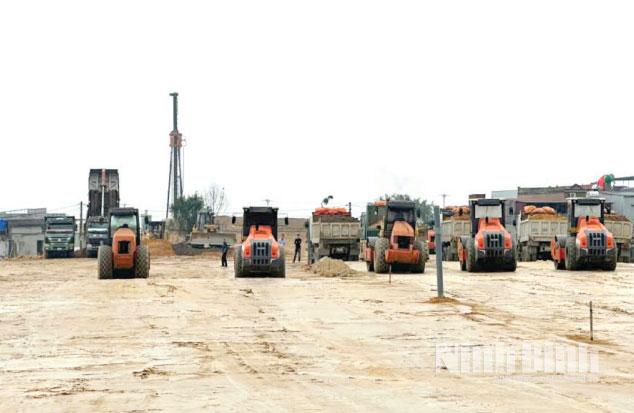
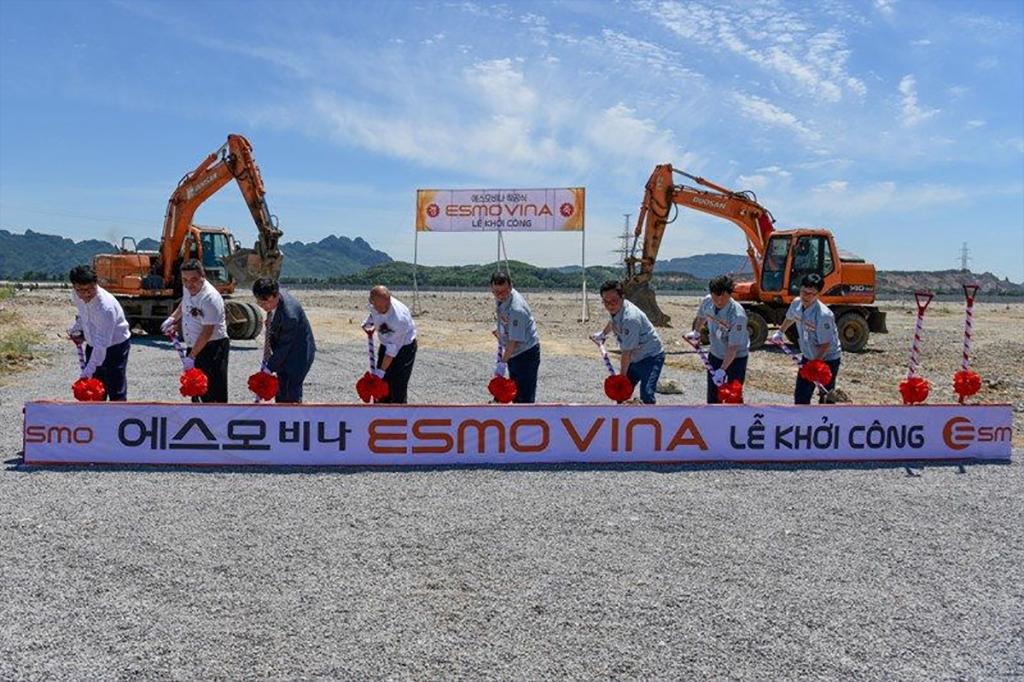
The People’s Committee of Ninh Binh province on December 19 held a ground-breaking ceremony for Minh Chau Industrial Park infrastructure development project in Nghia Hung and Dong Thinh communes.
Minister of Education and Training Nguyen Kim Son on December 19 attended the inauguration ceremony of Hoa Lu University in Hoa Lu ward of Ninh Binh province.
Next year, Vietnam is expected not only to maintain a high growth rate relative to the region but also to further reinforce its status as one of Asia’s economic bright spots thanks to macroeconomic stability, a dynamic domestic market, and a clear orientation towards attracting strategic investments.
After the Politburo issued Resolution No. 57-NQ/TW, the forestry sector identified digital transformation and the application of science and technology as a “key” solution for improving the quality of forest management, monitoring, and protection in the new situation.
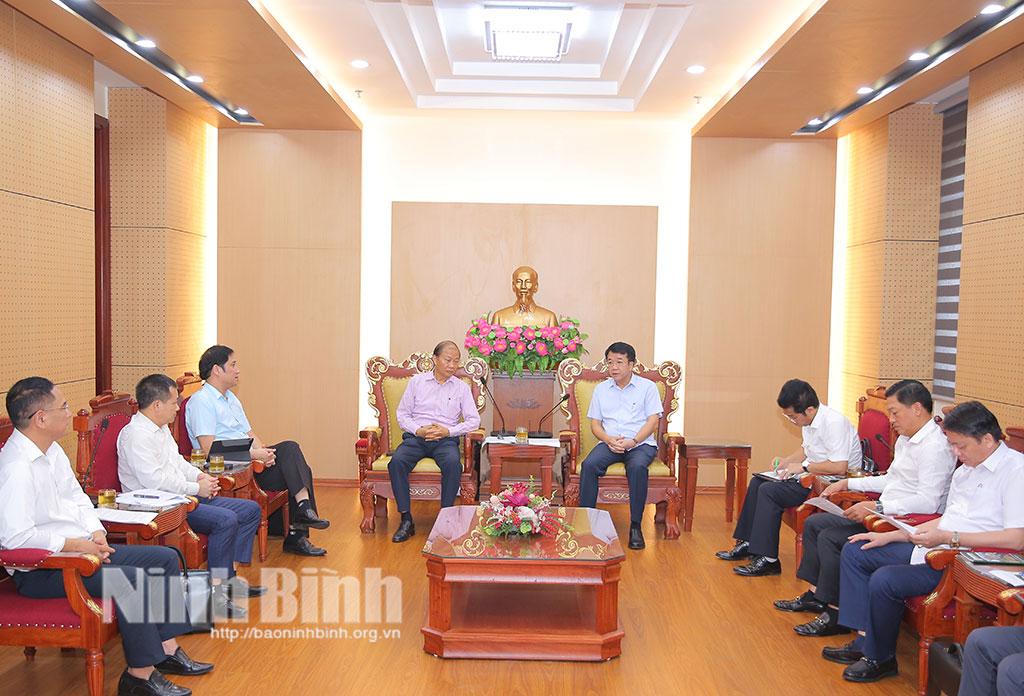
At a working session on December 9 with Secretary of the provincial Party Committee Dang Xuan Phong, a joint venture between Terra Vietnam JSC and Japan’s Daiwa House Industry Co. Ltd. expressed their wish to invest in a smart-sustainable industrial park (IP) in Ninh Binh province.
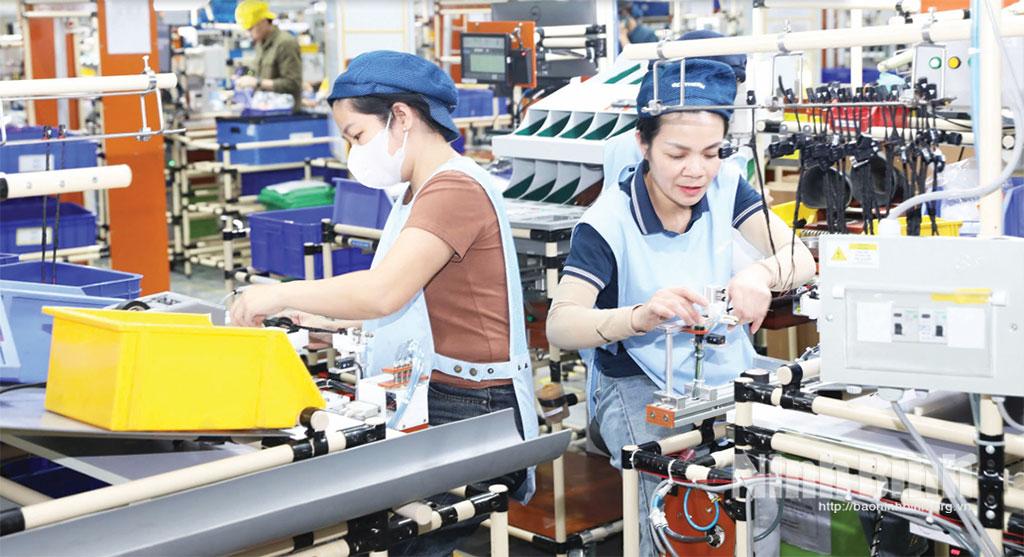
With the determination to improve the investment environment and improve the quality of human resources, Ninh Binh province is ready to welcome a new "wave" of investment, especially in the high-tech sector.
After the administrative unit arrangement, Ninh Binh province has a population of about 4.4 million people, with 129 commune-level administrative units (97 communes and 32 wards). The urban population (calculated by wards) is 1.36 million people, the urbanisation rate (calculated by ward population) is 30.74%. The province aims to have an urbanisation rate of 60.1% by 2030.
Viet Nam disbursed 553.25 trillion VND (20.98 billion USD) in public investment over the past 11 months, equivalent to 60.6% of the plan set by the Prime Minister and up 2.4% year-on-year, the Ministry of Finance reported.
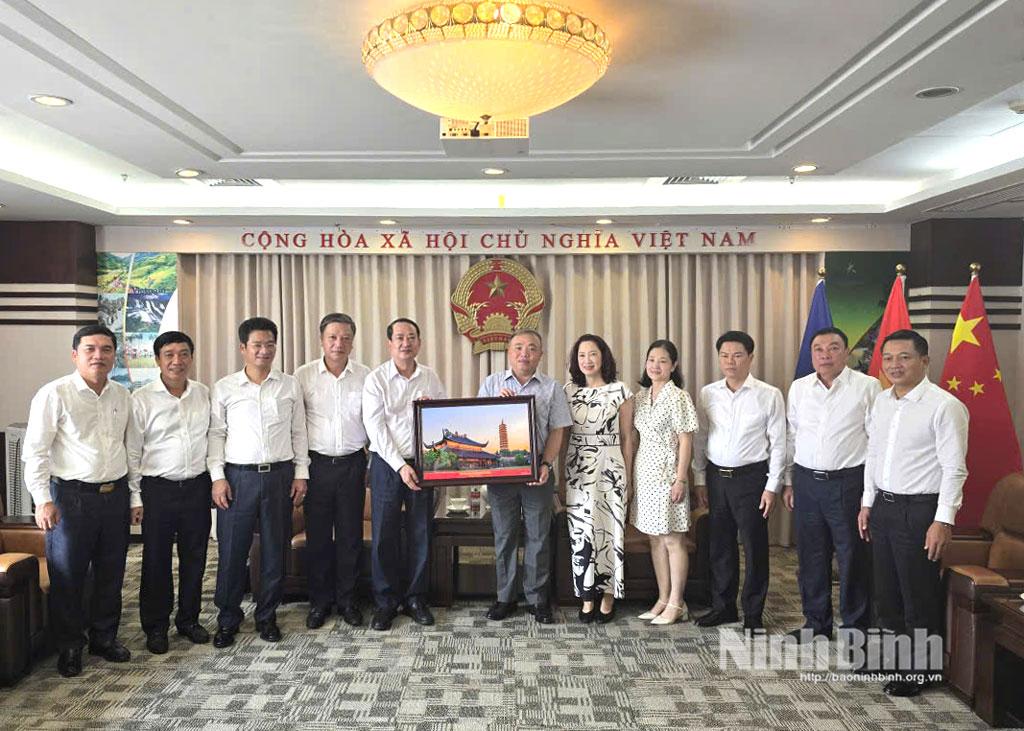
Secretary of the Ninh Binh provincial Party Committee Dang Xuan Phong on December 5 had a working session with a delegation of China’s Pacific Construction Group, led by its Founder and Chairman Yan Jiehe, who came to explore the investment climate and seek cooperative opportunities in potential fields in Ninh Binh province.
As of April, Vietnam had invested in 267 projects in Laos, with total registered capital of 5.63 billion USD. In the first 10 months of this year, Vietnam’s investment reached 566.1 million USD, focusing on high-quality, sustainable projects in key sectors where Laos has strengths, such as clean energy, mining, and agriculture.
The sector recorded a trade surplus of 1.88 billion USD in November 4.7% lower than in October but 43.3% higher than the same period last year.
They agreed to strengthen political trust; promote and facilitate trade and investment activities, enhance connectivity, and support businesses in exchanging information and seeking partners; and effectively tap cooperation potential in other sectors such as agriculture, fisheries, Halal products, culture, tourism, and people-to-people exchanges.
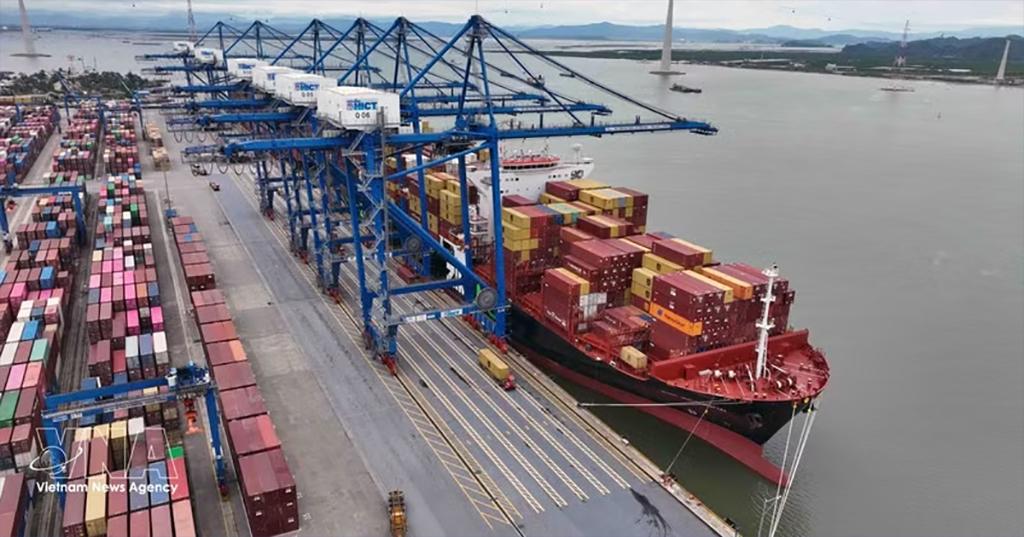
The Ninh Binh provincial People’s Committee has issued a plan on expanding exports in the 2026-2030 period, setting an export growth target of 12% per year to reach 40 billion USD by 2030.
A joint report by the HCM City Institute for Development Studies and international partners estimates that the city alone will need about 990 trillion VND (nearly 38 billion USD) for its green transition and digital transformation over the next decade, averaging 4 billion USD annually.
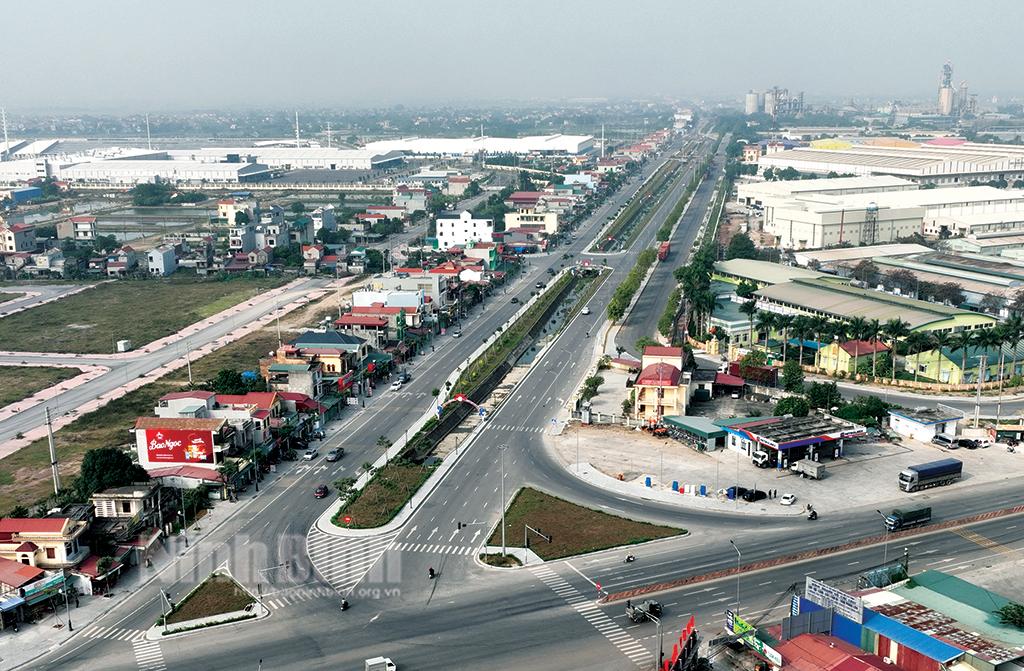
Ninh Binh has given priority to investing in infrastructure since it has been defined as a pivotal breakthrough in the journey to become a centrally-run city.
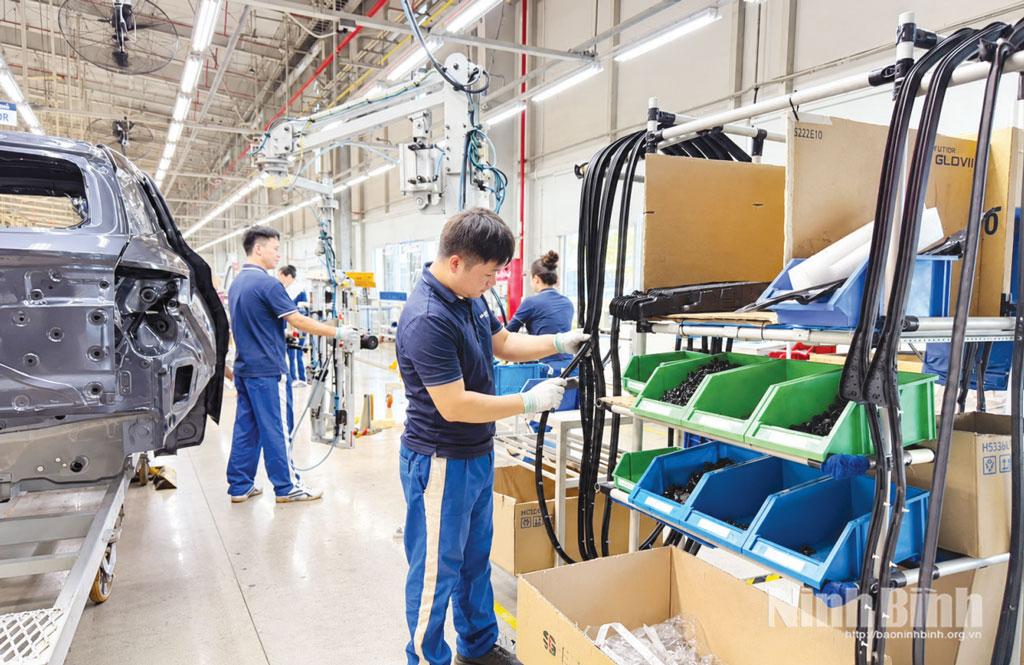
PepsiCo Foods Vietnam Company inaugurated its PepsiCo Ninh Binh Foods Factory in the expanded Dong Van I Industrial Park in Ninh Binh province on November 25.
The PM noted that alongside disaster response and recovery, coastal localities must continue efforts to combat IUU fishing, with the firm resolve to have the EC’s "yellow card" warning lifted this year.
Emphasising the need to value intelligence, save time, and be decisive, the Prime Minister urged corporations to seek concrete results in what they say and what they commit to, in the spirit of “working together, sharing benefits, winning together, and enjoying success together.”
If the OCOP programme helps shift mindsets from traditional production to value-chain-linked production, then the rural tourism programme serves as a bridge that enables OCOP to reach further, contributing to the fulfilment of income, culture and environmental criteria in building new-style rural areas.
Amid the fluctuations of the economy, Ninh Binh province has paid special attention to accompanying and supporting small- and medium-sized enterprises (SMEs).
At the G20 Summit, Vietnam will present key policy messages that contribute to global efforts to boost economic growth, reduce risks and strengthen cooperation in strategic sectors such as minerals, energy, trade system reform, finance, and global investment in the context of reshaping and building current global rules and regulations.