
Ninh Binh holds potential to become modern green industrial hub in northern Vietnam
The report analyses Ninh Binh’s economic growth drivers, strategic location, industrial expansion, and future development pipeline, at a time when manufacturers and investors are increasingly seeking new destinations beyond traditional industrial hubs for the next phase of growth.
The publication comes as Ninh Binh is significantly expanding its economic scale following recent administrative boundary adjustments. In 2025, the province recorded a GRDP growth rate of 10.65%, attracted approximately 1.6 billion USD in foreign direct investment (FDI), and reached a population of more than 4.4 million, including a labour force of around 2.36 million people. The province also ranked third nationwide in GRDP growth, eighth in total FDI attraction, and seventh in export turnover in 2025.
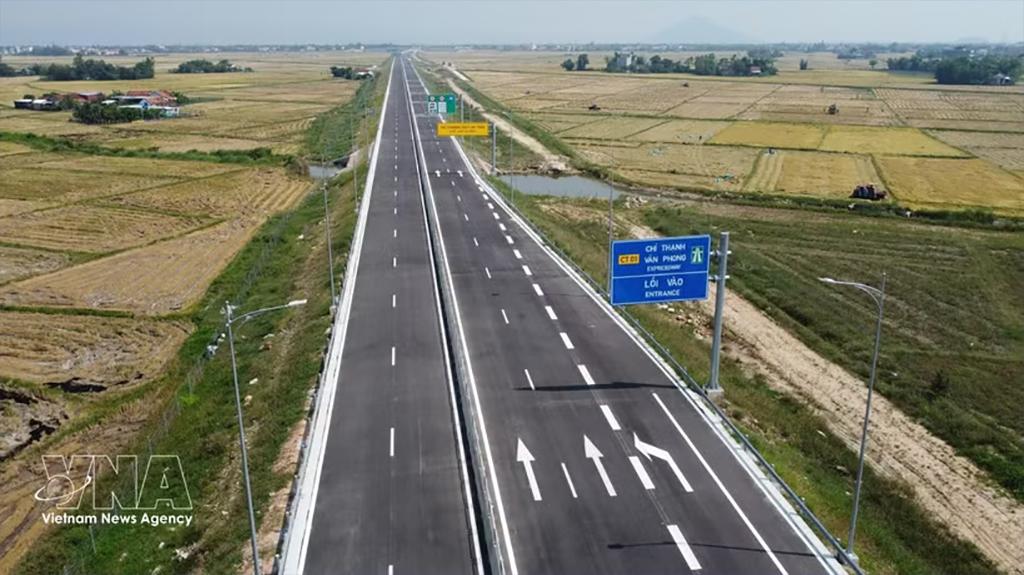
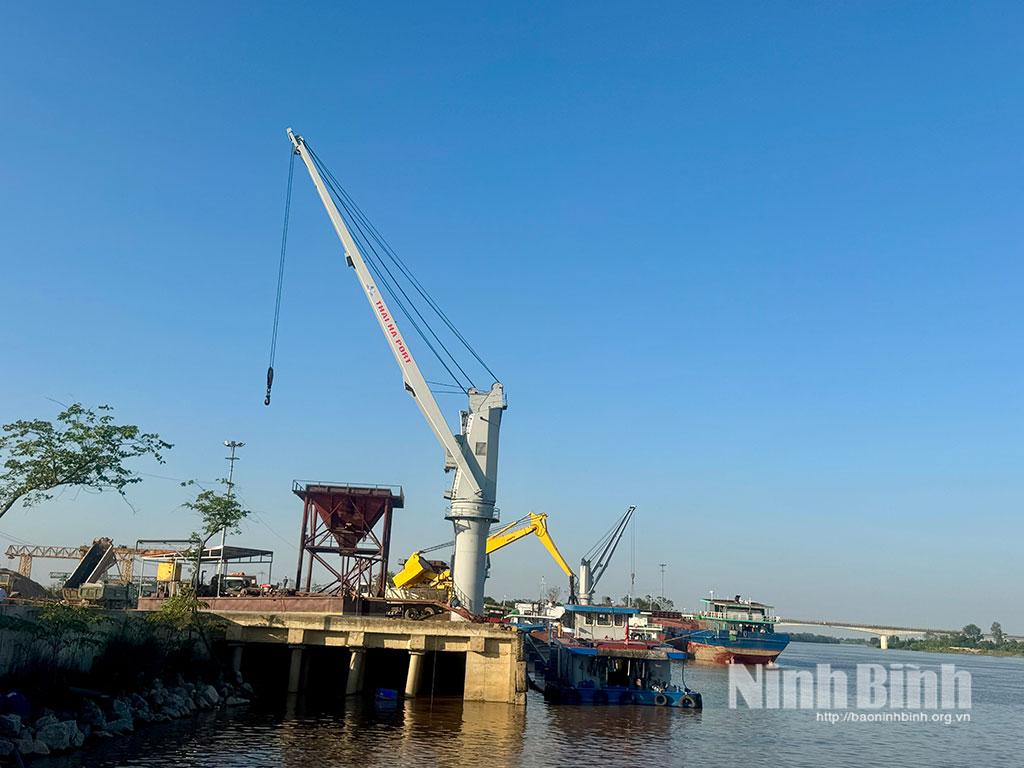
Located at the southern gateway to Hanoi, Ninh Binh benefits from strong connectivity to the Red River Delta, the North Central and Central Coastal regions, as well as the Northern Midlands and Mountainous areas. The province also sits at the intersection of the North-South, Gulf of Tonkin coastal, and east-west economic corridors, strengthening its emerging role as a new hub for manufacturing, logistics, and interregional trade.
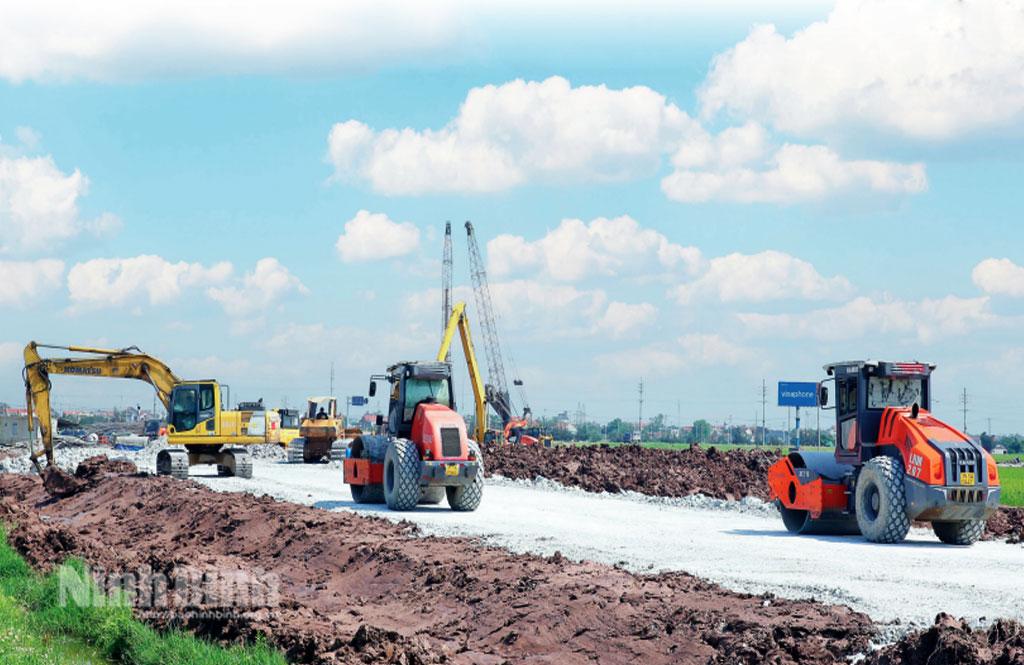
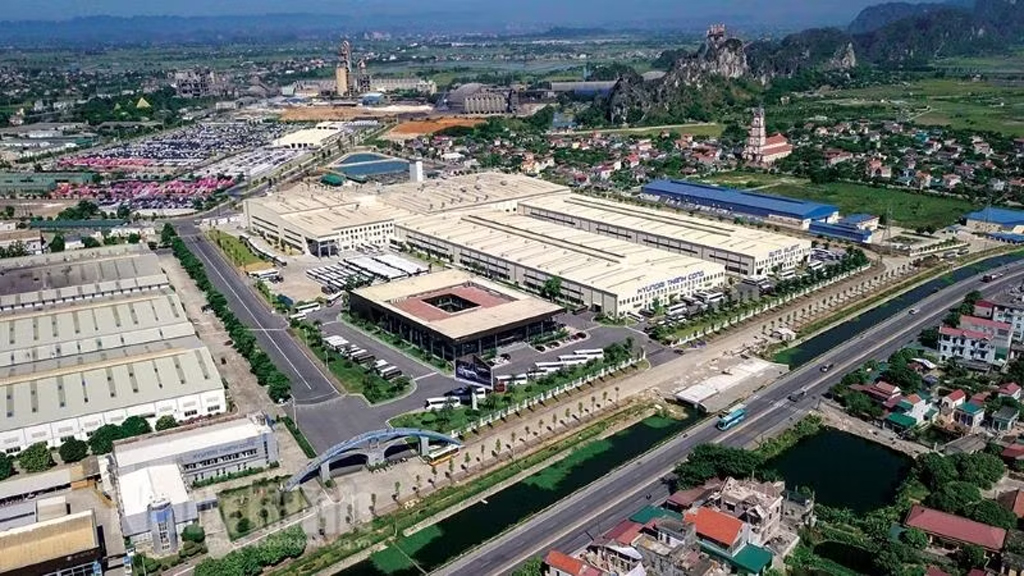
The province currently has 20 operating industrial parks and 53 additional industrial parks included in its master plan, with a total planned industrial land area of 12,144 hectares.
According to Cushman & Wakefield’s analysis, Ninh Binh possesses the largest future industrial land area and the lowest industrial land rental rates in the Red River Delta region, enhancing its appeal to manufacturers seeking expansion opportunities in northern Vietnam.
The report also highlights the province’s growing potential in higher value-added industries, including mechanical engineering, automotive assembly and manufacturing, electronics, smart manufacturing, and AI-related applications. These directions reflect Ninh Binh’s ambition to move deeper into the value chain and attract a more diversified industrial investment base, while continuing to leverage its long-standing strengths in the textile and garment sector traditionally one of the province’s economic pillars.
The white paper also identifies several key projects expected to shape Ninh Binh’s next growth phase. These include the Ninh Co Economic Zone, positioned as a breakthrough growth pole for industry and logistics; the Ninh Binh High-Tech Park, prioritising sectors such as AI, semiconductor electronics, biotechnology, pharmaceuticals, and new materials; and Nam Cao University Town, envisioned as a future centre for knowledge and human resource development. Collectively, these projects reflect a broader development strategy that combines industrial growth, logistics capabilities, innovation, and workforce development.
Le Hoang Lan Nhu Ngoc, Senior Director - Head of Strategic Consulting at Cushman & Wakefield Vietnam, stated that Ninh Binh is attracting increasing attention as multiple fundamental advantages converge simultaneously, including scale, connectivity, ready-to-develop industrial land, and long-term planning orientation.
“As manufacturers and investors begin expanding their focus beyond established industrial centres, Ninh Binh is increasingly being recognised as a location that offers both short-term competitiveness and long-term strategic potential. Through this white paper, we hope to provide a clearer perspective on the opportunities emerging in the province,” she shared.
The report also emphasises Ninh Binh’s broader vision of becoming greener, more modern, and more diversified across industries such as manufacturing, tourism, agriculture, logistics, and high technology. By 2030, the province aims to become a new growth engine for the Red River Delta and emerge as a new centre for high-tech industries and innovation.
As Vietnam continues strengthening its role in regional and global supply chains, market interest is gradually expanding beyond traditional industrial centres toward localities that can offer connectivity, development capacity, and long-term growth potential. In this context, the Ninh Binh White Paper 2026 positions the province as an increasingly attractive destination in northern Vietnam./.
Tin cùng chuyên mục