
Ninh Binh welcomes new-generation FDI inflows
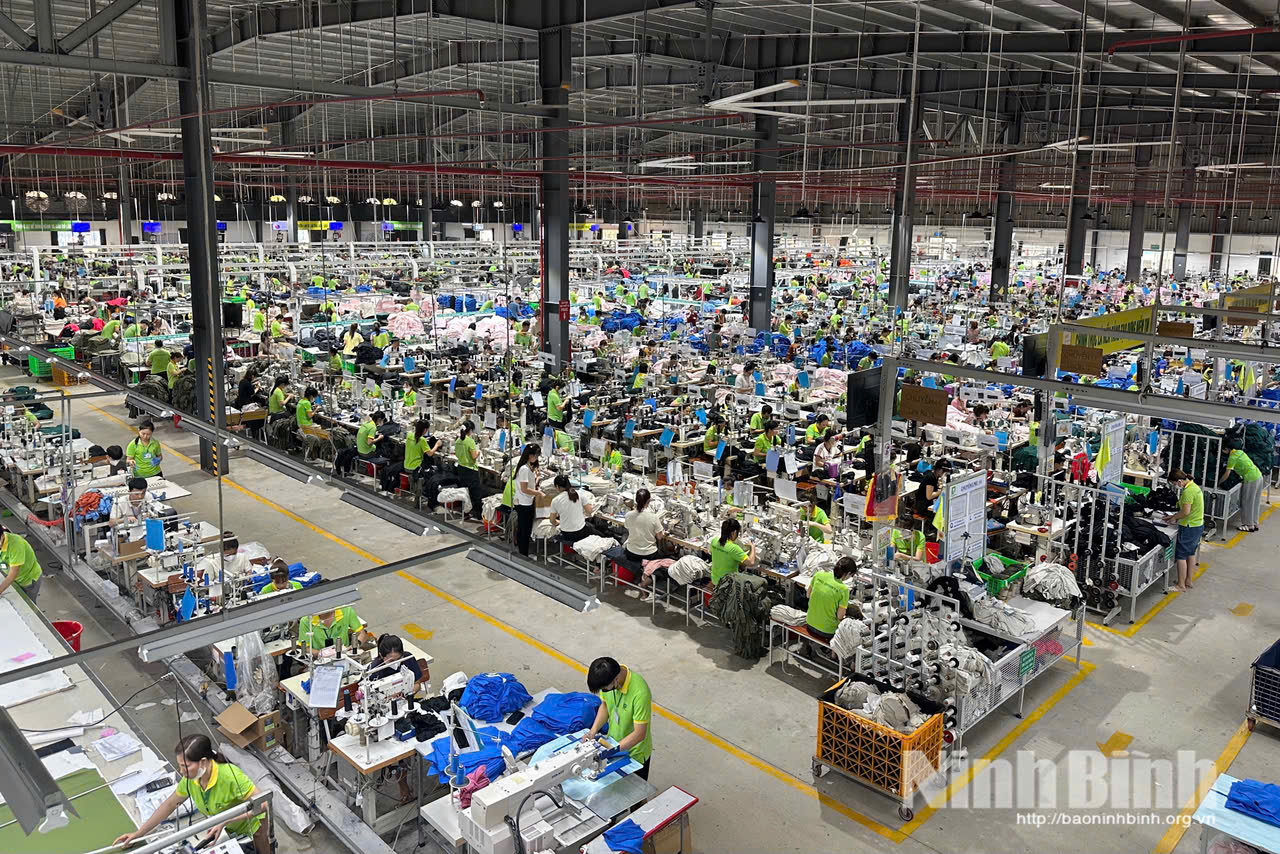
A trusted destination for foreign investors
In recent years, Ninh Binh has continuously improved its investment environment and upgraded infrastructure in industrial parks, gradually reinforcing its position as a reliable destination for foreign investors.
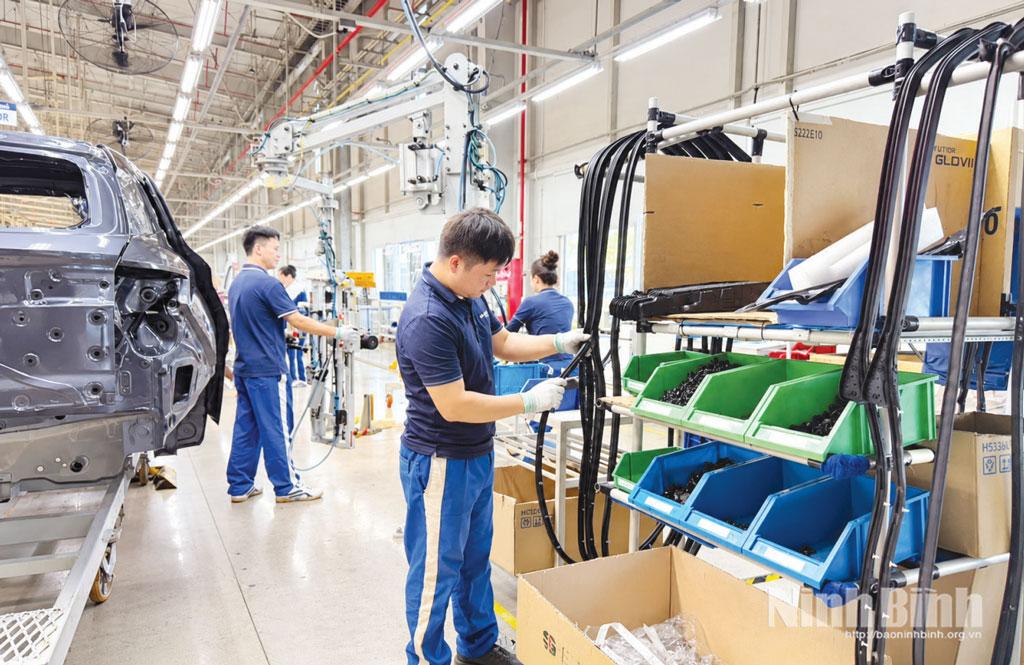
One notable example is the motorcycle and component manufacturing project operated by Honda Vietnam at Dong Van II Industrial Park. Since commencing operations in 2014, the project has attracted more than 211 million USD in investment capital and has an annual design capacity of 1.1 million motorcycles. The large-scale FDI project has operated efficiently, contributing significantly to industrial growth, exports, and provincial budget revenues, while also driving the development of supporting industries and economic restructuring toward modernisation.
In 2025, the company contributed nearly 1.58 trillion VND to the state budget and created jobs for over 2,700 workers, with an average monthly income of 10 million VND per employee.
General Director of Honda Vietnam Sayaka Arai said the company highly values Ninh Binh’s investment environment and industrial development orientations, particularly the province’s focus on training high-quality human resources.
She expressed her hope that provincial authorities would continue supporting the development of social welfare facilities, helping improve workers’ living standards and creating favourable conditions for the company’s long-term production and business activities.
Another major investor, Wistron Infocomm (Vietnam) Co., Ltd., a Taiwan-invested enterprise, began operations at Dong Van III Industrial Park in 2021 with total registered capital exceeding 360 million USD. The company specialises in the design and manufacture of information and communications technology equipment, laptops, tablets, and other electronic products.
Since commencing operations, Wistron Infocomm (Vietnam) has maintained stable production and steadily expanded its operations. The company currently employs more than 12,800 workers and contributes significantly to the province’s industrial output and export turnover.
General Director of Wistron Infocomm (Vietnam) Lin Su-Ming noted that throughout the investment and operational process in Ninh Binh, the company has received strong support and close cooperation from provincial authorities and relevant agencies.
Difficulties related to procedures for foreign experts, labourer recruitment, customs clearance, electricity infrastructure, transport, and logistics have been promptly addressed, enabling the company to stabilise and expand production, he said.
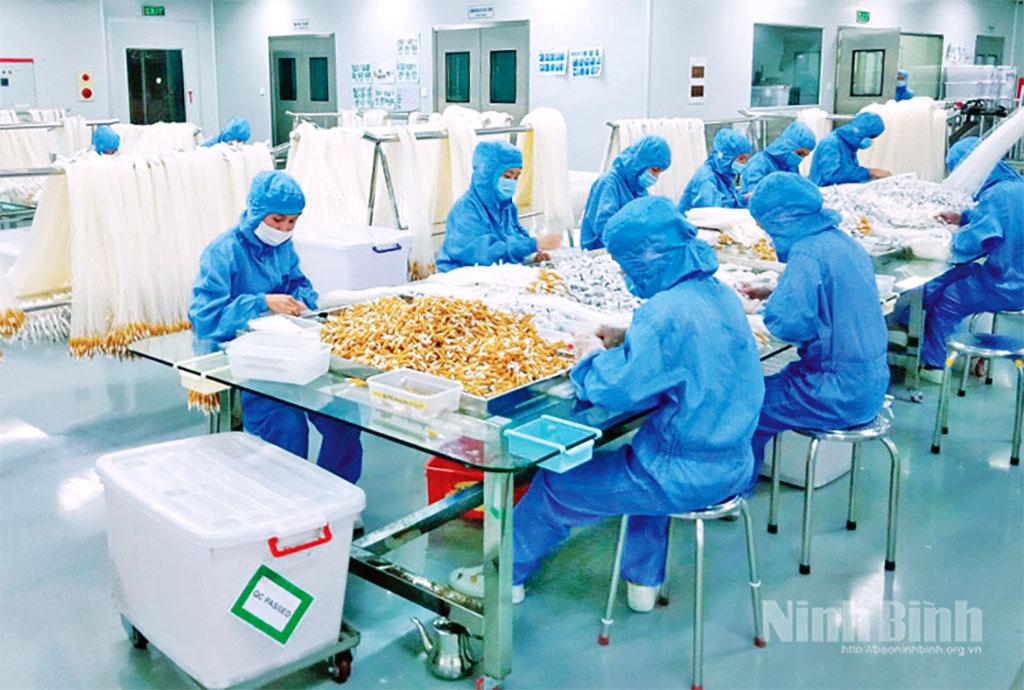
Alongside Honda Vietnam and Wistron Infocomm (Vietnam), many other foreign-invested enterprises operating in Ninh Binh have expanded production and increased investment capital in sectors such as electronics, computer equipment, textiles, and protective products.
During the first four months of 2026, the province licensed 39 new projects, including 14 FDI projects and 25 domestic projects, with newly registered capital totaling 112 million USD and 5.41 trillion VND. Authorities also approved additional capital for 102 existing projects, amounting to 546 million USD and 12.2 trillion VND. These results further reinforce Ninh Binh’s appeal to investors.
Attracting selective investment towards high-quality capital inflows
Following the mergence with Ha Nam and Nam Dinh provinces, Ninh Binh now holds a strategic position as a key connection point between major economic regions. Leveraging its expanded development space, the province is pursuing a selective investment strategy, prioritising high-tech, green, and environmentally friendly projects to promote sustainable and modern economic growth.
The province currently has 20 operational industrial parks. By the end of the first quarter of 2026, these industrial parks hosted 1,136 secondary investment projects, including 551 FDI projects and 585 domestic projects, with total registered investment capital reaching 10.73 billion USD and 135.38 trillion VND.
Rather than pursuing investment quantity alone, Ninh Binh has identified selective investment attraction focusing on projects with high technological content, strong added value, and environmental sustainability as a central task for ensuring long-term growth.
The province plans to develop its economic space along three strategic corridors. The northern area is envisioned as a hub for high-tech industry, innovation, and human resource training; the eastern area will focus on the marine economy; while the southern area will prioritize cultural industries, tourism, and clean industries.
In 2026 and beyond, Ninh Binh aims to attract strategic investors with strong financial capacity, advanced technologies, and modern governance models. At the same time, the province plans to strengthen regional connectivity, improve workforce quality, and complete its industrial ecosystem to enhance competitiveness and elevate its position on both the domestic and international investment map.
According to Nguyen Vu Chien, Deputy Head of the Management Board of Economic Zones and Industrial Parks, the province’s selective investment strategy places strong emphasis on circular economy models and green growth, encouraging the use of clean technologies, resource efficiency, and emissions reduction.
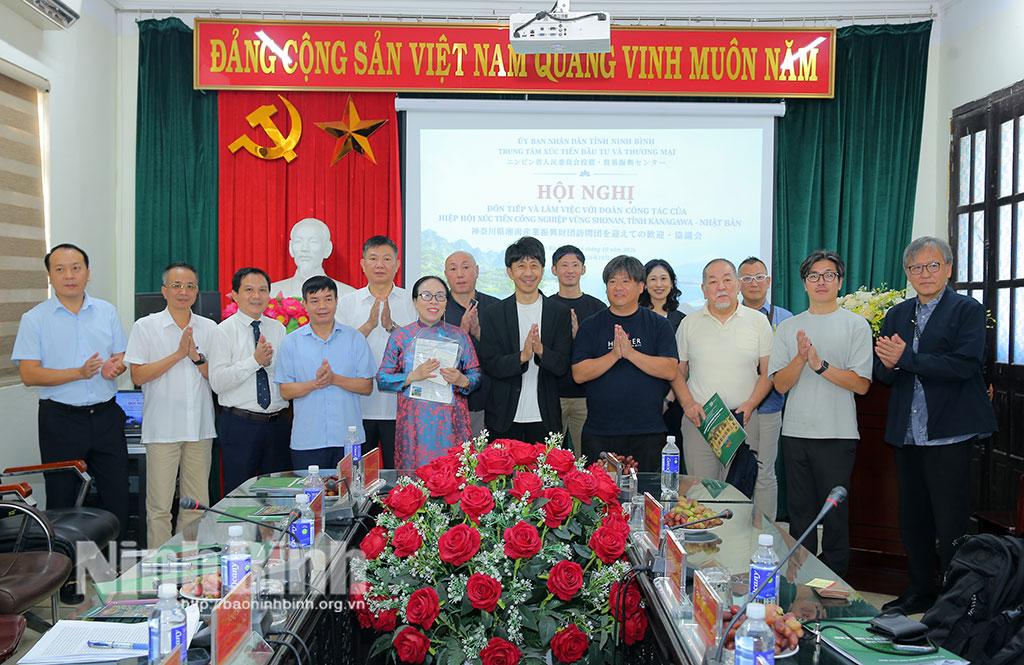
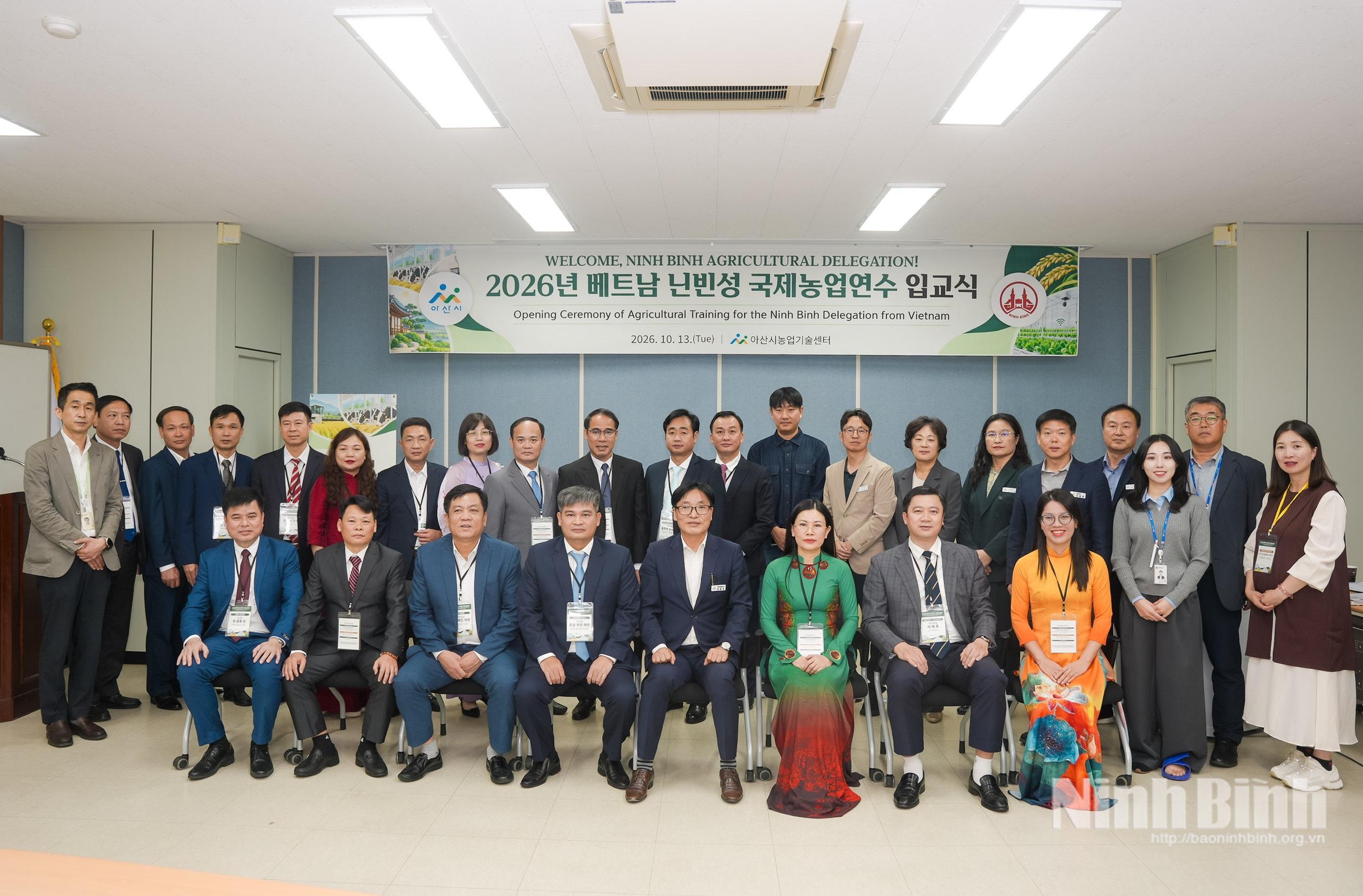
Investment attraction efforts are also closely tied to expanding international cooperation, particularly with potential markets such as the Republic of Korea, Japan, the European Union, and Singapore. The province is also seeking to capitalise on next-generation free trade agreements, including the CPTPP, EVFTA, and RCEP, to attract high-quality FDI inflows.
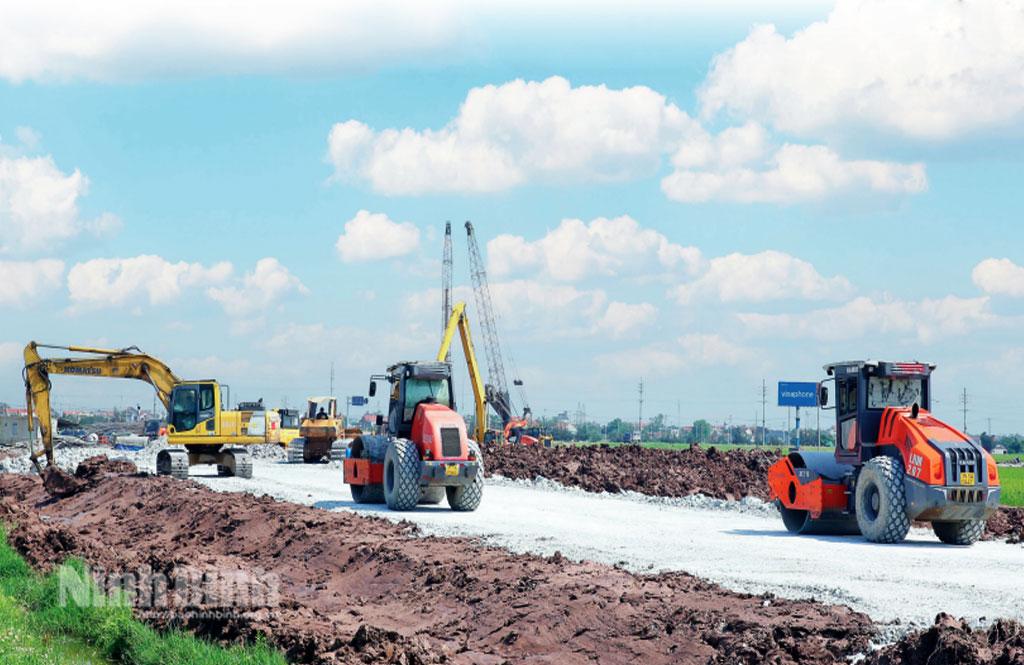
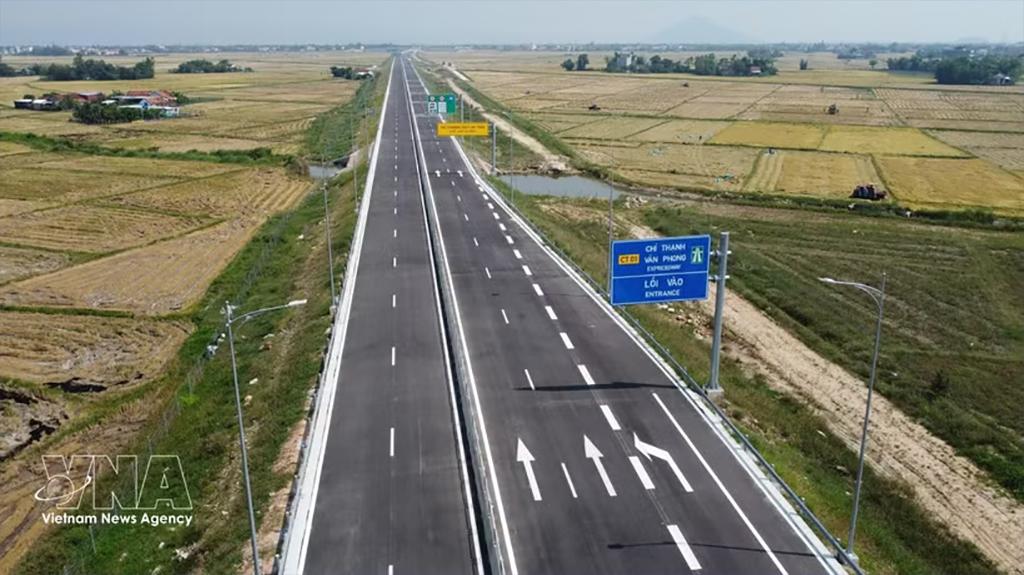
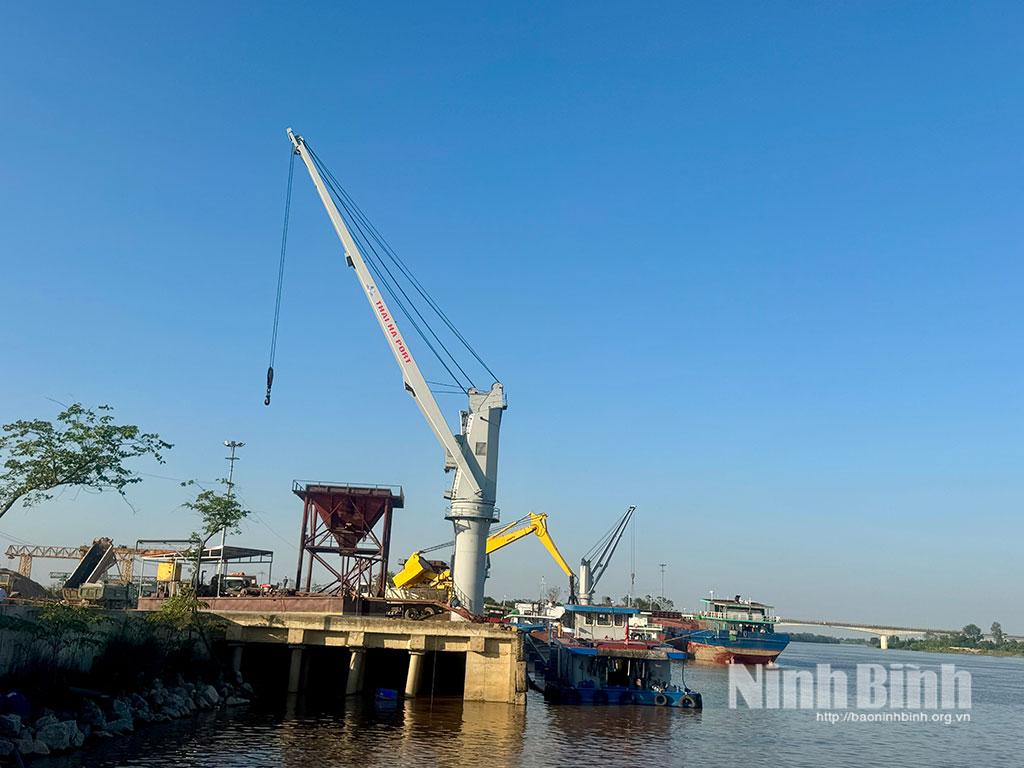
To strengthen its competitiveness in investment attraction, Ninh Binh is accelerating the development of synchronised and modern infrastructure systems. Several key projects are being expedited, especially interregional transport routes, new industrial parks, and coastal economic zones.
Alongside infrastructure development, the province continues to prioritiae administrative reform, improve public service quality, and build a transparent, stable, and business-friendly investment environment. Human resource development remains a central focus in order to meet the increasingly demanding requirements of investors.
The province also maintains regular dialogue mechanisms between authorities and businesses to promptly resolve difficulties and improve investor satisfaction./.
Tin cùng chuyên mục