
Ninh Binh approves nearly 6.7 trillion VND for site clearance of Hoa Lu Nam Dinh road project
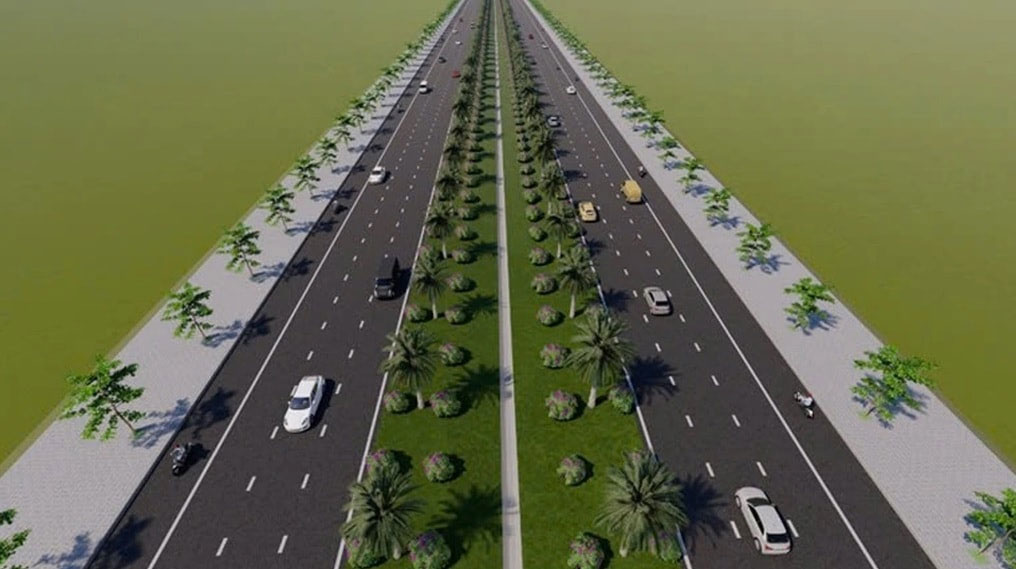
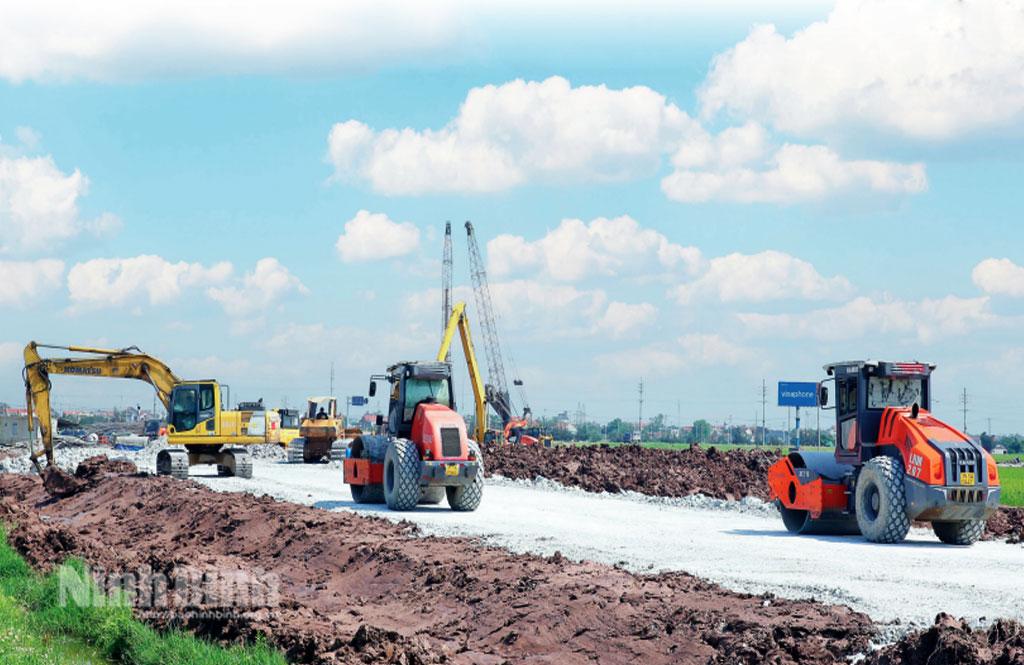
The project is scheduled for implementation from 2026 to 2028, with a total investment of nearly 6.7 trillion VND funded by the provincial and central state budgets.
The road project will pass through a number of wards and communes in Ninh Binh province, including Tay Hoa Lu, Phong Doanh, Y Yen, Vu Duong, Tan Minh, Minh Tan, Hien Khanh, My Loc, Dong A, Nam Dinh, Thien Truong and Nam Ly.
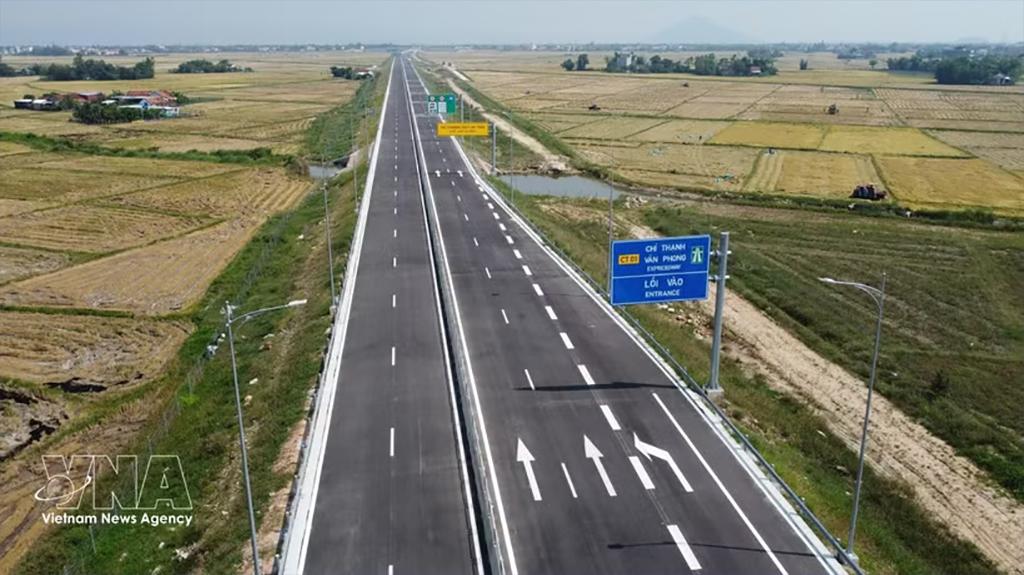
The project is expected to gradually complete Ninh Binh’s transport infrastructure network and strengthen regional connectivity between the urban centres of Nam Dinh and Hoa Lu, as well as neighbouring areas in the southern Red River Delta.
Authorities said the route would help expand development space and create fresh momentum for socio-economic growth, eco-tourism, trade and services following the provincial merger.
The project is also aimed at promoting spiritual tourism by improving links between historical and cultural landmarks in the region, while accelerating Ninh Binh’s long-term goal of becoming a centrally governed city.
The project consists of four main components:
The main route, spanning approximately 21 km, will require a planned land clearance width of 122 metres in residential areas and 76 metrs outside residential zones.
Ring Road 2, with a total length of around 12.2 km, will have a planned completed cross-section width of 68 metres.
A branch route connecting to Tran Temple, approximately 5.1 km long, will have a planned width of 52 metres.
Another branch route linking Ring Road 2 with the road connecting the two Tran Temples, stretching about 0.7 km, is planned to have a completed cross-section width of 68 metres.
The total land area expected to be acquired for the project is about 368.2 hectares, of which agricultural land accounts for roughly 290.7 hectares and non-agricultural land about 77.5 hectares.
The Chairman of the Ninh Binh Provincial People’s Committee assigned the provincial Construction Investment Project Management Board No. 2 to finalise project documents in line with the approved decision and recommendations issued by the Department of Construction in its appraisal notice dated April 29, 2026.
The board was also instructed to coordinate closely with local authorities in affected wards and communes to ensure site clearance complies with regulations, public infrastructure is properly restored and resources are used efficiently to avoid waste and losses.
Meanwhile, local authorities in the affected areas have been tasked with implementing land clearance work in accordance with legal regulations to ensure the project stays on schedule./.
Tin liên quan


Tin cùng chuyên mục