
Ninh Binh requested to build project to transform into centrally governed city by 2030

The directive was outlined in Notice No. 389/TB-VPCP issued by the Government Office, conveying Deputy Prime Minister Nguyen Van Thang’s conclusions following a working session with Ninh Binh leaders.
According to the Notice, Ninh Binh recorded strong socio-economic performance in the first six months of 2026. Its Gross Regional Domestic Product (GRDP) expanded by 11.44%, exceeding the projected growth scenario of 11.38%. The province ranked first in the Red River Delta region and second among the country's 34 provinces and centrally governed cities.
The province's economic structure continued to improve. Agriculture, forestry and fisheries grew by 2.61%, while industry and construction expanded by 16.52%, and services increased by 9.8%. Industry remained the primary driver of growth, with the Industrial Index of Production (IIP) rising by 27.26%.
Trade, services and tourism also posted robust growth. Total retail sales of goods and consumer service revenues increased by 21.4%, while export turnover surged by 52.3%, reaching 53.3% of the annual target.
The province welcomed 17.6 million visitors, up 23.3% year-on-year, generating tourism revenue of 17.96 trillion VND, an increase of 21.75%.
These results demonstrate Ninh Binh's considerable potential to further develop tourism, cultural industries, the heritage economy, the night-time economy, eco-tourism, religious tourism, wellness tourism and high-end resort tourism.
Administrative reform indicators also remained among the country's leading performers. The Provincial Competitiveness Index (PCI) placed Ninh Binh among the top 18 provinces and cities nationwide. The Public Administration Reform Index (PAR INDEX) ranked fourth nationwide and third among the six provinces in the Red River Delta. Meanwhile, the Satisfaction Index of Public Administration Services (SIPAS) ranked 18th out of 34 provinces and cities.
The province also continued to pay close attention to culture, social welfare, education, healthcare and employment. The multidimensional poverty rate fell to 3.1%, while the proportion of near-poor households declined to 2%.
However, the notice noted that socio-economic development has yet to fully match the province's potential and comparative advantages.
State budget revenue reached 34.63 trillion VND in the first half of the year, equivalent to 49.44% of the estimate assigned by the Prime Minister, below the national average. Public investment disbursement also remained low at 24.7%, compared with the national average.
The economic restructuring process has yet to be balanced, particularly as agriculture, forestry and fisheries continue to make a relatively small contribution to overall economic growth.
The Deputy PM therefore requested the province to thoroughly implement the resolution of the 14th National Party Congress, as well as resolutions and conclusions issued by the Party Central Committee, the Politburo, the Secretariat, the National Assembly and the Government, particularly the Politburo's strategic resolutions, the Party Central Committee’s Conclusion No. 18-KL/TW, the Government’s Resolution No. 109/NQ-CP and the provincial Party Congress’s Resolution.
The province was instructed to review its growth scenario for the remaining six months of 2026 and assign specific targets and responsibilities to administrations at all levels, sectors and communes and wards. Provincial leaders should be assigned to oversee each locality and sector while ensuring the principle of "six clarities": clear responsibilities, tasks, timelines, accountability, authority and expected outcomes. Performance evaluation should be based on concrete results, accompanied by stronger inspection and supervision to ensure implementation quality and progress.
Promoting economic growth through public investment and key projects
The Deputy PM called on Ninh Binh to accelerate economic growth through public investment and key infrastructure projects.
The province was instructed to comprehensively implement measures to achieve GRDP growth of at least 11% in 2026 in accordance with the Government’s Resolution No. 169/NQ-CP dated June 27, 2026 on local growth targets for 2026 and the 2026-2030 period, the National Assembly’s Resolution No. 25/2026/QH16 and the Government’s Resolution No. 180/NQ-CP dated July 6, 2026.
As Ninh Binh has already exceeded its projected growth target, it was encouraged to strive for even stronger performance, contributing more significantly to state budget revenue and the country's overall economic growth.
The province was also instructed to intensify inspections and supervision of ongoing projects while proactively resolving difficulties facing businesses and investment projects.
Authorities were urged to completely address long-standing bottlenecks affecting key projects, particularly those involving land and planning issues, so that projects can be put into operation and contribute to economic growth. Stronger efforts are also required to accelerate public investment disbursement during the second half of 2026.
The Deputy PM further directed the province to mobilise all available resources for development and improve the efficiency of attracting and utilising investment capital in line with the Politburo’s Resolution No. 10-NQ/TW on developing the foreign-invested economic sector.
Building project to transform Ninh Binh into centrally governed city by 2030
The Deputy PM instructed Ninh Binh to effectively implement the adjusted Provincial Master Plan for the 2021-2030 period with a vision to 2050, with priority given to preparing a project for the province to become a centrally governed city by 2030, featuring the distinctive identity of a millennium heritage city.
The province should focus resources on developing strategic infrastructure and major transport corridors linking central urban areas with key tourism destinations, while strengthening regional and inter-regional connectivity. It was also encouraged to study the planning of additional key economic zones and marine economic zones.
Priority should be given to investment in high-speed railways, deep-water seaports integrated with coastal urban areas and marine tourism ports, as well as digital infrastructure.
The province should also expand connectivity among its major cultural heritage spaces, including the Trang An-Bai Dinh-Tam Chuc heritage corridor and the Hoa Lu-Phu Day-Tran Temple-Phat Diem-Xuan Thuy cultural route.
Economic development, particularly tourism, must go hand in hand with environmental protection. The province was encouraged to diversify tourism products to serve different market segments while increasing visitors' length of stay and spending.
The Deputy PM also called for stronger linkages with major growth poles and industrial localities across the Red River Delta through industrial clusters and value chains, enhancing complementarity among northern, central and coastal industrial regions.
Targeting a 50% reduction in administrative procedure processing time
The province was also instructed to address obstacles in operating the two-tier local administration model while reviewing the feasibility of delegated responsibilities in line with resource allocation.
Ninh Binh should continue improving digital infrastructure, building integrated databases and governance systems, developing competency frameworks for commune- and ward-level officials, and completing a KPI-based evaluation framework for local officials.
The province must ensure the reduction and simplification of administrative procedures, targeting a 50% reduction in both processing time and compliance costs in 2026 compared with 2024, in accordance with the Party Central Committee’s Conclusion No. 18-KL/TW.
The Deputy PM also requested the province to continue effectively implementing the rental housing development programme in line with the directives of Party General Secretary and State President To Lam outlined in Notice No. 64-TB/VPTW, as well as the Prime Minister's conclusions following a meeting on rental housing development in Hai Phong city and the provinces of Quang Ninh, Bac Ninh, Ninh Binh and Hung Yen.
The programme aims to ensure adequate social housing for residents and workers coming to live and work in Ninh Binh province./.
Tin cùng chuyên mục
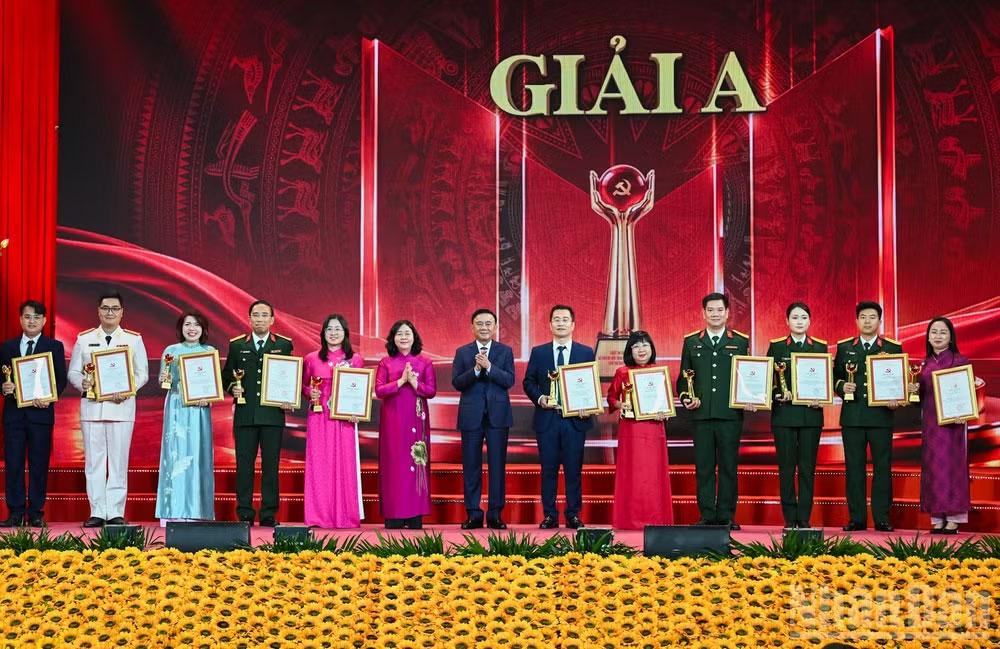
Awards ceremony convened for sixth Party ideology writing contest
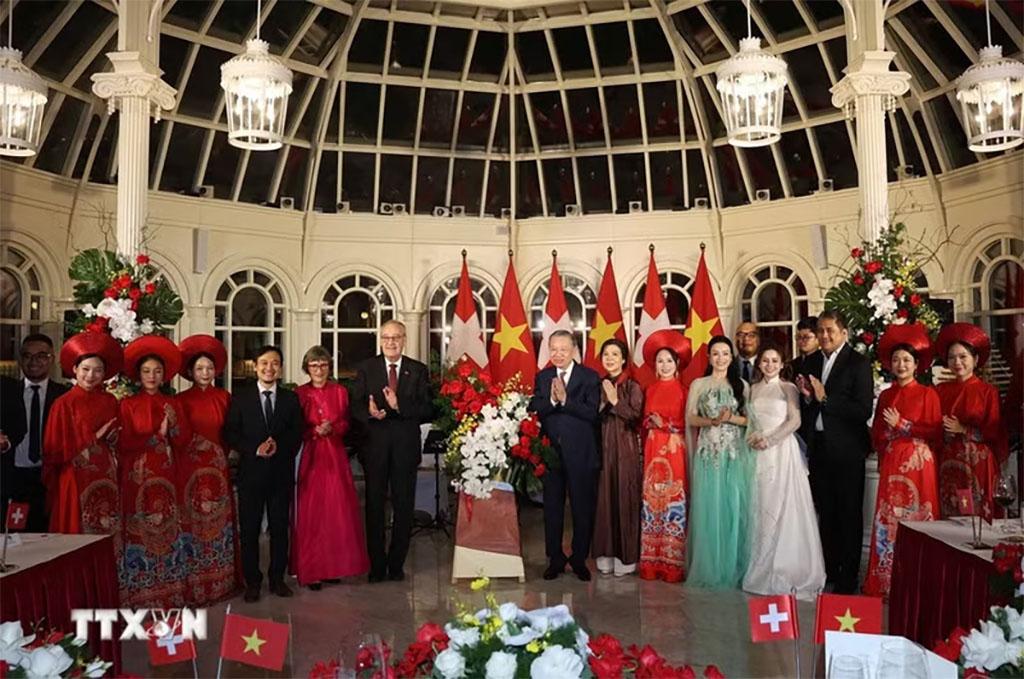
Top Vietnamese leader hosts banquet in honour of Swiss President

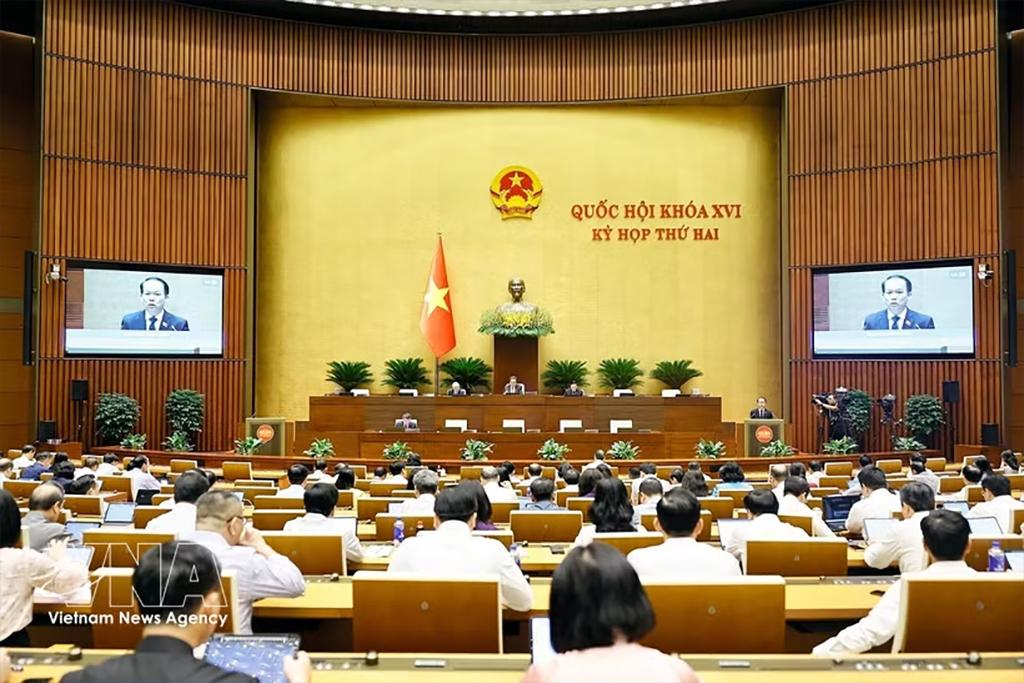
16th National Assembly commences second session
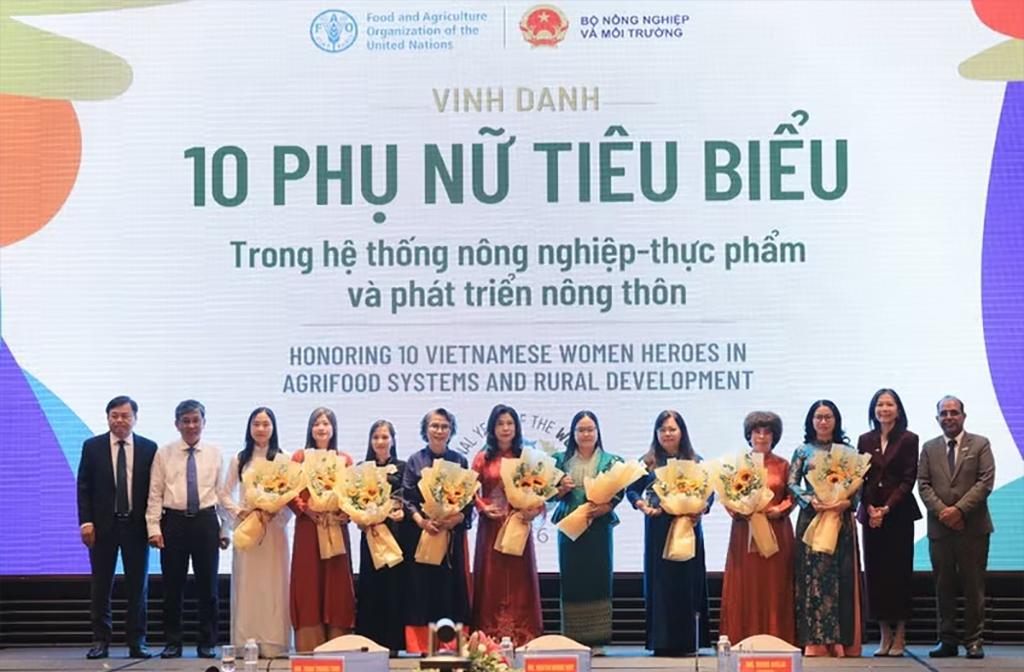
FAO honours 10 prominent Vietnamese women in agriculture, rural development
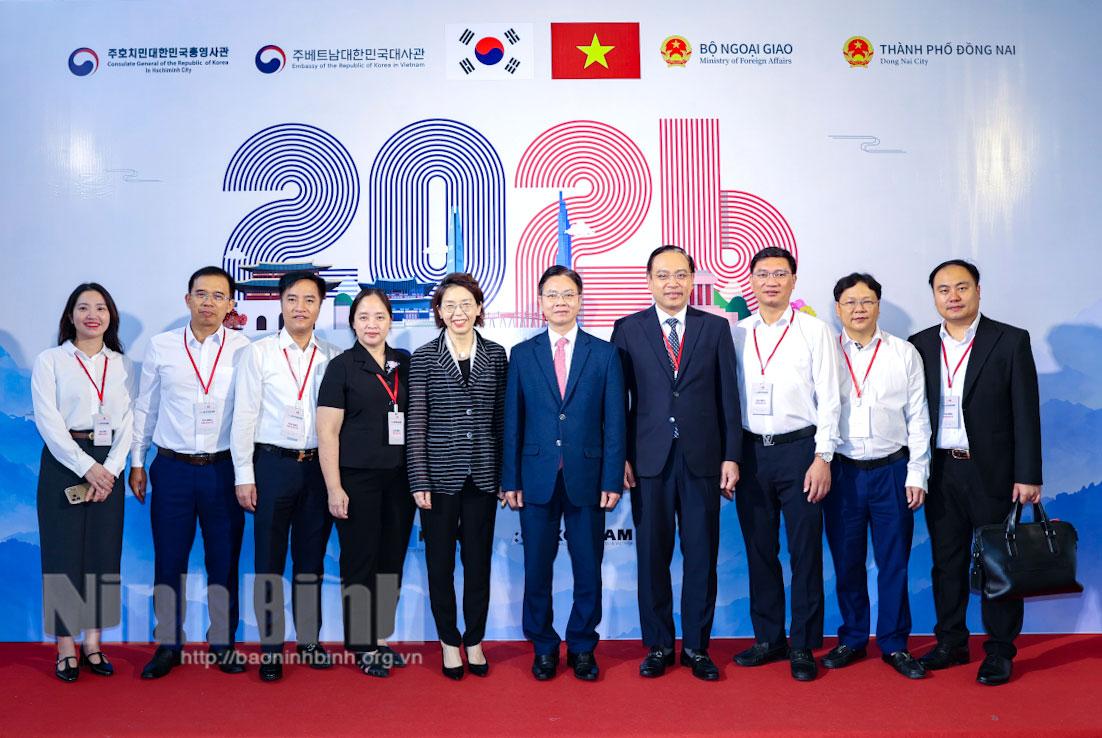
Ninh Binh’s delegation attends “Meet Korea 2026” plenary conference