
Ninh Binh studies Van Long boat wharf, restoration of nine ancient rivers to boost tourism and water management
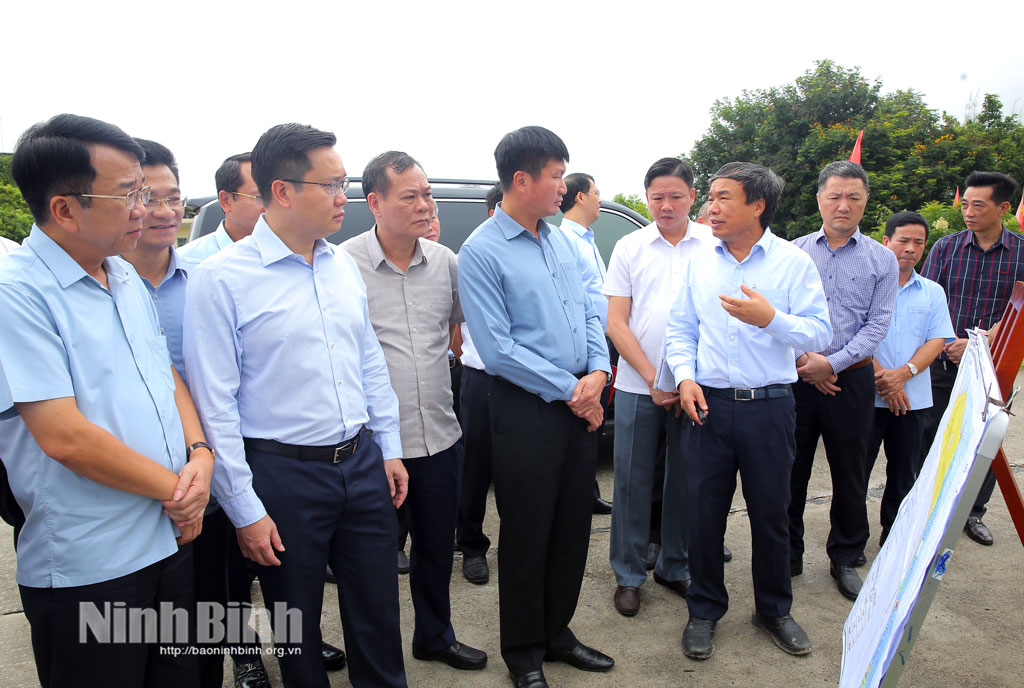
A provincial delegation led by Member of the Party Central Committee and Secretary of the Provincial Party Committee Tran Huy Tuan recently conducted a field survey at the Van Long boat wharf and several ancient river routes to assess existing conditions and review proposed investment plans.
At the Van Long site, the officials heard reports on the current state of infrastructure, proposed construction plans for the boat wharf, and future management and operation of the tourism area.
The Van Long Wetland Nature Reserve, a key eco-tourism destination in the province, lies along the Van Long Kenh Ga Van Trinh tourism corridor. The reserve is renowned for its wetland ecosystem, rich biodiversity, and the critically endangered Delacour's langur. However, tourism infrastructure remains inadequate to meet growing demand while ensuring conservation and sustainable use of the site's natural assets.
Under the proposed plan, the Van Long boat wharf project will establish an integrated visitor reception area capable of supporting eco-tourism activities while preserving the wetland ecosystem, agricultural landscapes, traditional villages, and the distinctive cultural values of Gia Vien region.
The project is also expected to expand tourism space, diversify tourism products, and encourage the community’s geater participation in tourism services, creating sustainable livelihoods for local residents.
The delegation also reviewed proposals to restore and reconnect nine ancient rivers, namely the Van, Trang An, Sao Khe, He Duong, Dam Khe, Chanh, Sinh Duoc, Ngo Dong, and Ben Dang rivers.
The river network is linked to the Day, Vac and Hoang Long rivers as well as areas within the Trang An Landscape Complex. Besides serving irrigation, drainage and flood control functions, many of the rivers are closely associated with cultural and ecological spaces and major tourist attractions across the province.
According to the proposal, restoring and reconnecting the ancient waterways would improve water regulation, strengthen flood prevention and drainage capacity, enhance environmental quality and landscape, and better serve agricultural production and local communities.
The interconnected waterways are also expected to gradually form an inland waterway transport network linking tourism destinations, expanding urban development space, and creating distinctive heritage-based tourism products.
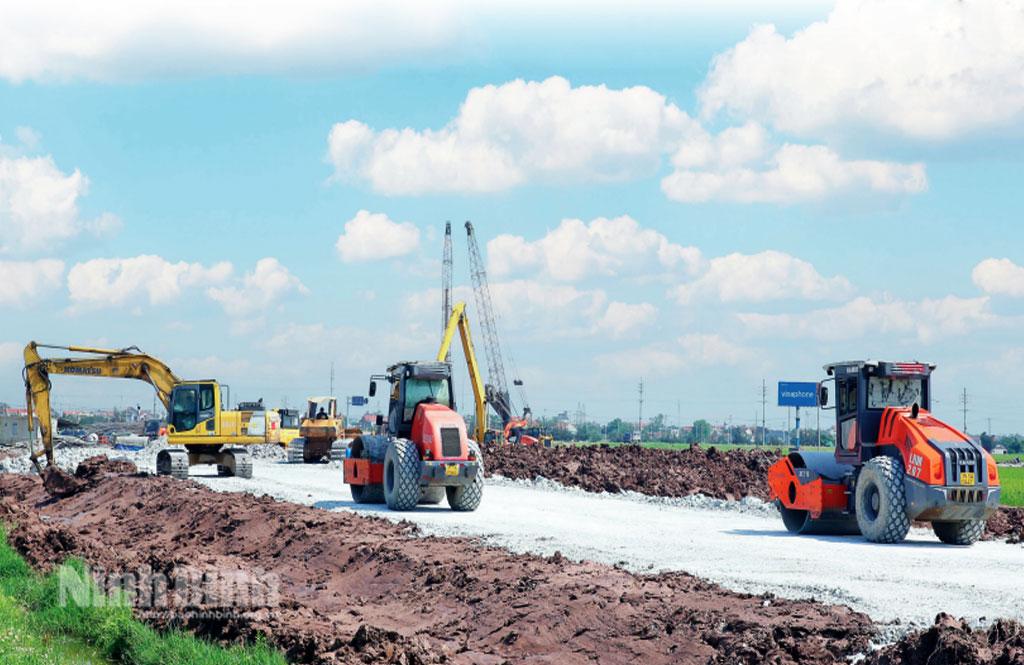
Planned works include reconnecting separated river sections, dredging waterways, upgrading navigation locks and water regulation facilities, improving riverbank landscapes, and developing supporting infrastructure along both sides of the rivers.
Speaking during the survey, Secretary of the Provincial Party Committee Tran Huy Tuan instructed relevant agencies to further assess the connectivity of the river system, particularly its potential to form inland waterway routes serving tourism, transport and urban development.
He also requested a comprehensive evaluation of the rivers' role in water regulation, flood control and urban drainage, stressing the need to develop an overall implementation plan with clearly defined priorities and phased investment in line with available resources.
Regarding the Van Long boat wharf project, Tuan called for further study of investment models, management mechanisms and operational plans. He emphasised that the selected option should maximise the efficient use of public investment while attracting private capital, ensuring tourism development without compromising the wetland ecosystem, biodiversity or the unique landscape of Van Long.
The provincial leader also urged departments and local authorities to carefully assess the social impacts of the projects, ensuring stable livelihoods for affected residents and creating opportunities for local people to participate in tourism and service activities and benefit from long-term, sustainable sources of income./.
Tin cùng chuyên mục