
Ninh Binh steps up fight against IUU fishing to have EC’s “yellow card” lifted
From central directives to decisive local actions
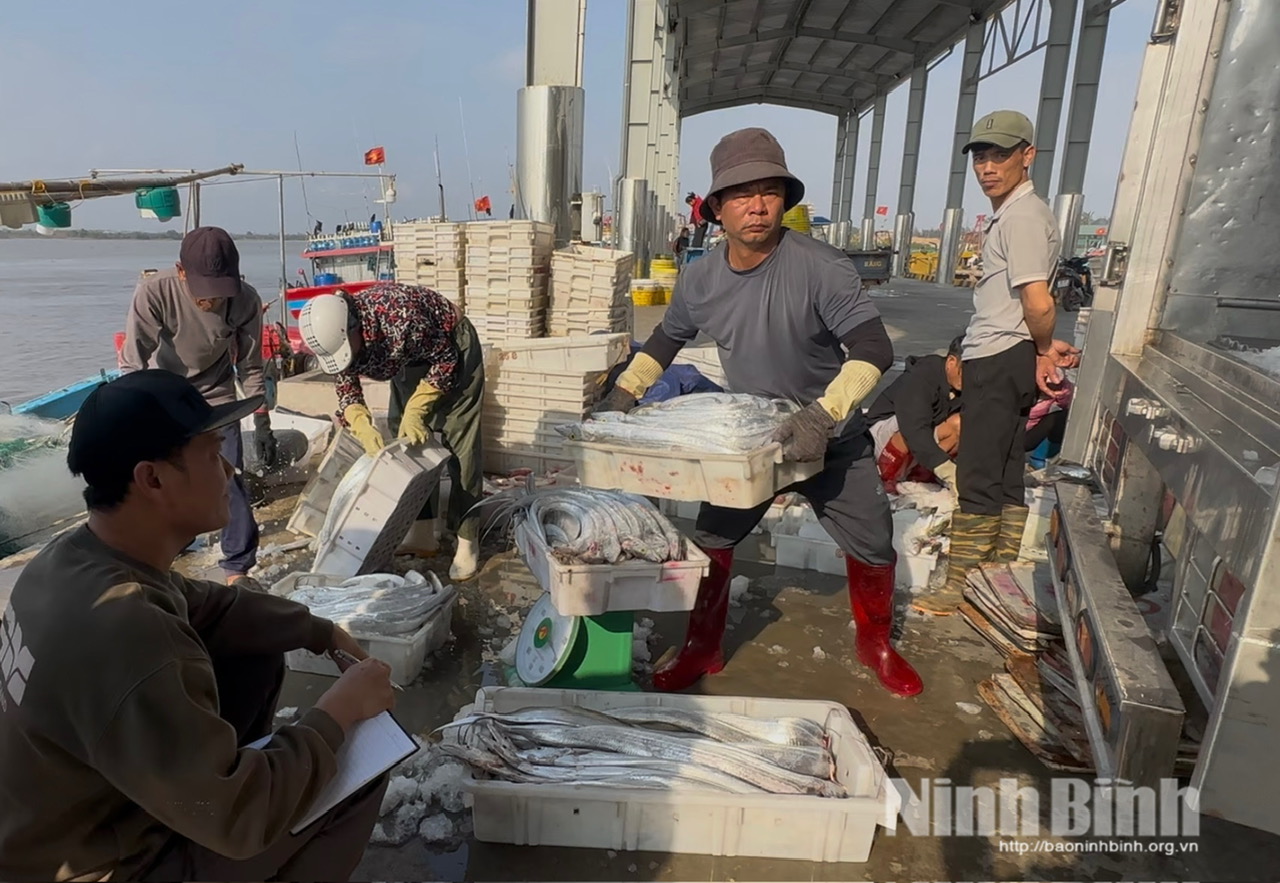
Following the directives of the Government and the National Steering Committee for Combating IUU Fishing, Ninh Binh province has quickly implemented many comprehensive solutions. Departments, agencies, competent forces, and coastal commune authorities are strengthening coordination in managing fishing vessels from registration, inspection, and licensing to monitoring activities at sea and controlling catch at ports.
Simultaneously, awareness campaigns are being stepped up to help fishermen clearly understand and comply with the EC's regulations on combating IUU fishing.
Bottlenecks needing to be addressed
Besides positive changes, the practical implementation still faces many difficulties. According to statistics as of June 30, 2026, the province still had 12 fishing vessels in the high-risk group for violating IUU fishing regulations; 15 vessels had their registrations removed, and 29 vessels had not meet the operating requirements.
A portion of vessel owners have not proactively carried out inspections, renewed food safety certificates, or fishing licenses on time.
Notably, the disconnection of vessel monitoring systems (VMS) still occurs. Some vessels lose signal for hours to days.
Furthermore, the control of fishing vessels entering and leaving ports, updating fishing logs, implementing electronic traceability on the eCDT system, and monitoring catch through traditional fishing ports are still not synchronised. These are all shortcomings that the EC has repeatedly recommended needing thorough resolution.
Digital transformation the key to sustainable fisheries
One of the solutions identified by Ninh Binh province is to promote digital transformation in fisheries management.
Following the Government's directive in Official Dispatch No. 34/CD-TTg, localities are focusing on completing the installation of VMS, the national fisheries database (VNFishbase), and the electronic traceability system (eCDT).
When these data platforms are synchronously connected, all information about fishing vessels, fishing routes, unloaded catches, and traceability will be managed uniformly in a digital environment. This will not only help reduce administrative procedures but also improve monitoring efficiency.
Alongside management solutions, attention to the livelihoods of fishermen is also considered a decisive factor. Developing aquaculture, expanding fisheries logistics services, investing in seafood processing, and creating more jobs for coastal workers will contribute to reducing pressure on natural exploitation, protecting aquatic resources, and increasing people's income.
Removing the IUU "yellow card" is not only an immediate goal but also a driving force for building a modern, responsible fisheries sector that is deeply integrated with the international market.
With the determination of the entire political system and the support of fishermen, Ninh Binh is gradually realising the goal of sustainable fisheries development, contributing to the country's efforts to have the EC's warning removed soon./.

Tin cùng chuyên mục