
Transforming Ninh Binh into key maritime economic hub in the North
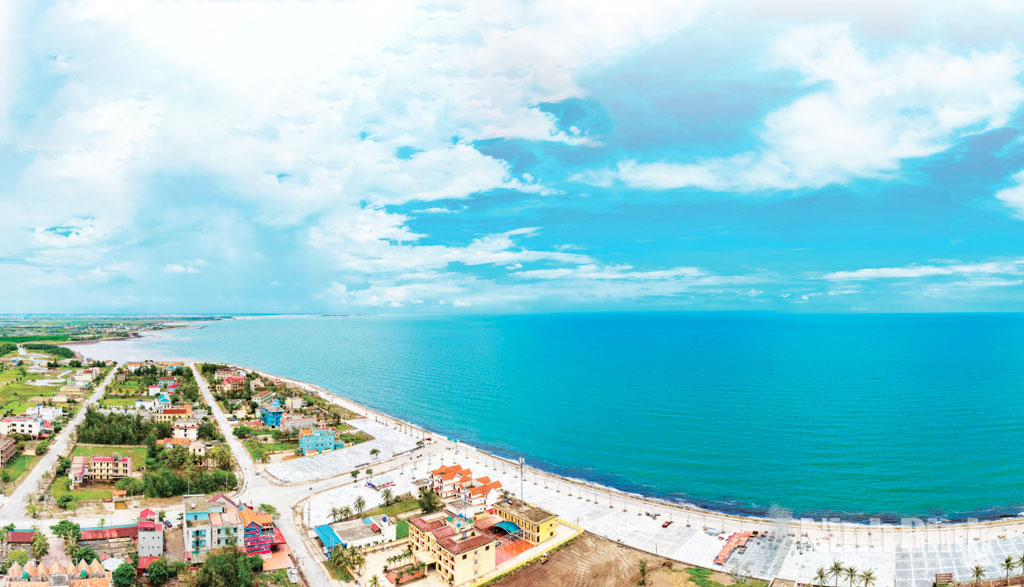
Recognising these advantages early, the province has established specific policies and development orientations covering spatial planning, infrastructure investment and resource mobilisation. The goal is to make the marine economy a key pillar of Ninh Binh’s economic structure and generate new momentum toward its target of becoming a centrally governed city by 2030.
Resolution No. 16-NQ/TU, issued by the Provincial Party Committee on February 12, 2026, on the “Strategy for Marine Economic Development to 2030, with a Vision to 2045,” identifies the coastal area as a new growth pole in the southeastern part of the province, closely connected with other economic growth centres in Ninh Binh and the wider region.
The development space is structured around several key pillars: industry, seaports, logistics, urban development, tourism, and aquaculture and capture fisheries linked to processing.
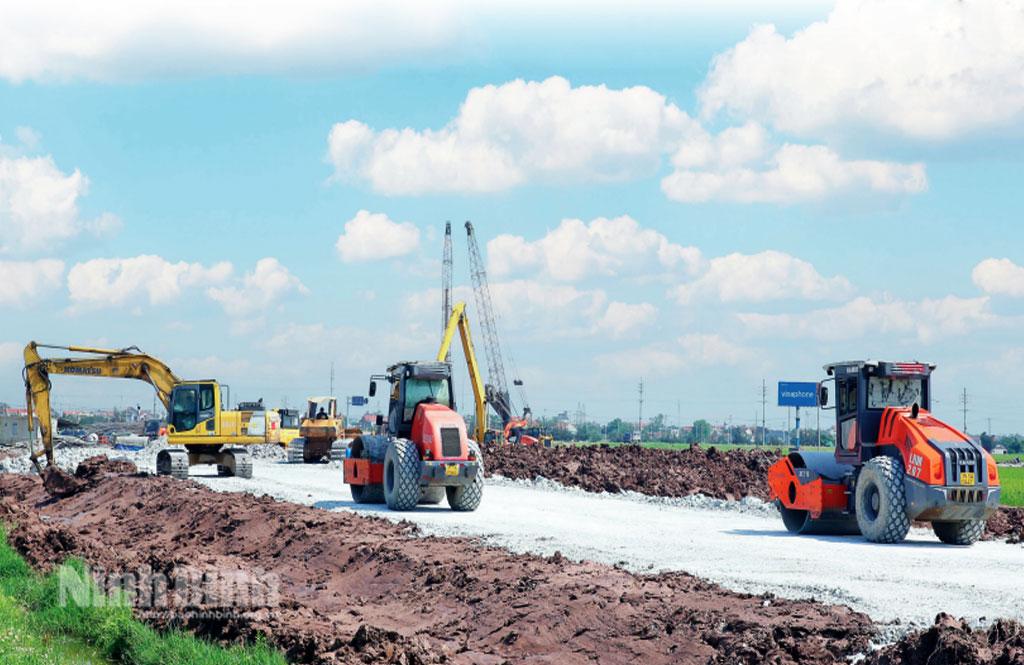
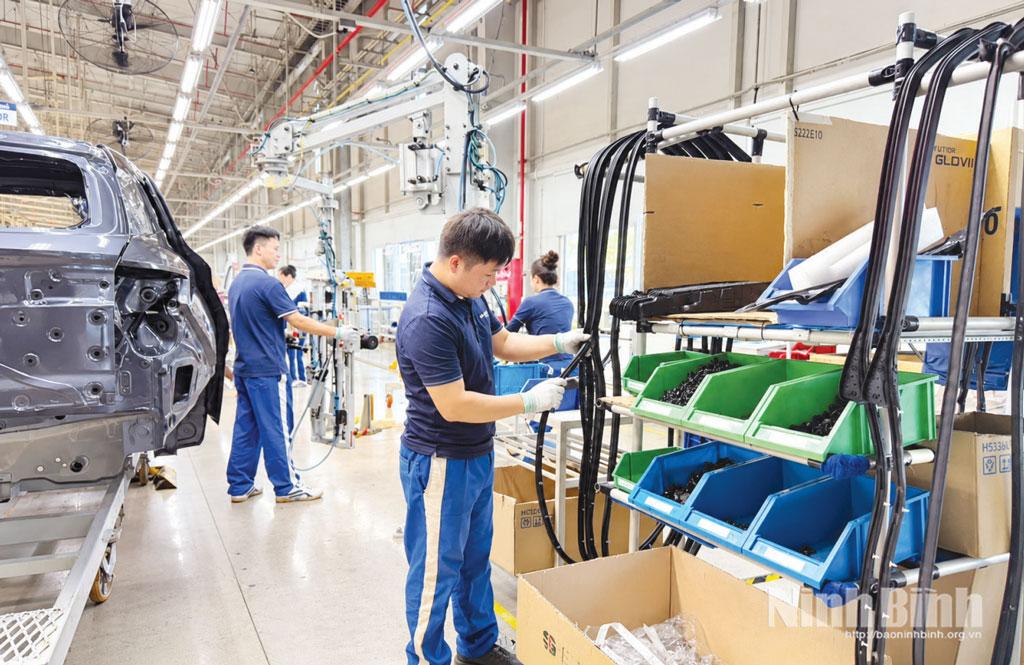
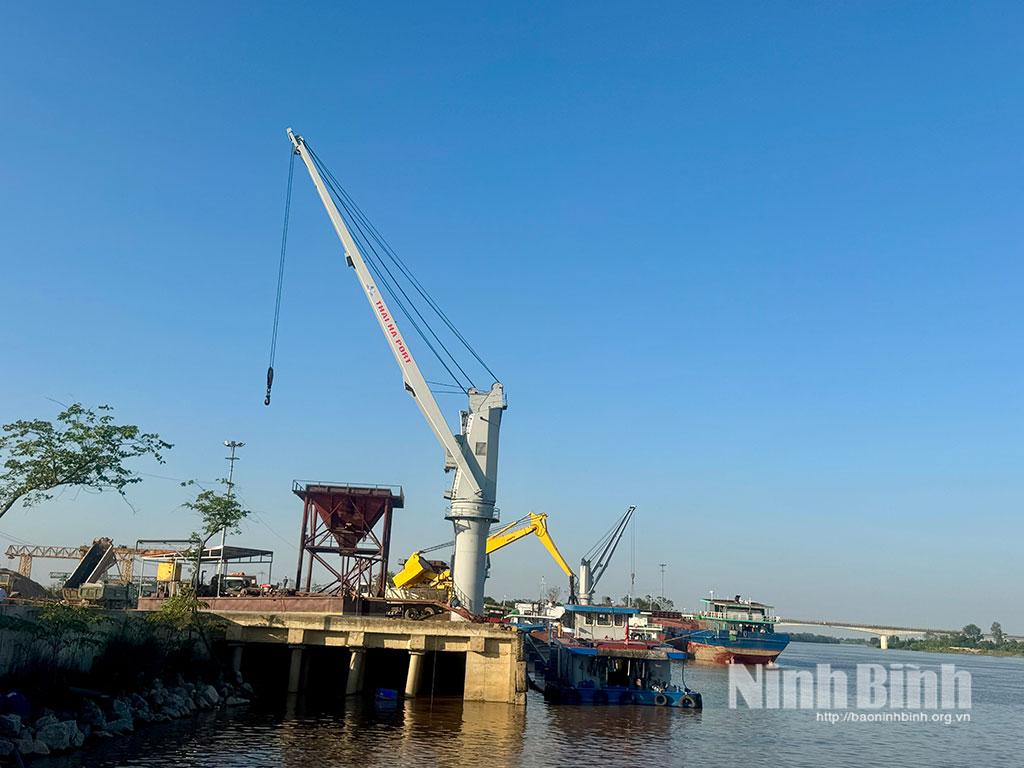
Within this framework, industry, seaports and logistics are expected to drive the development of coastal production. The Rang Dong, Hai Long and Minh Chau Industrial Parks are currently under construction, while the Lac Xuan, Thinh Tan, Kim Son and Thanh Huong Industrial Parks are undergoing planning or investment procedures. The Ninh Co Economic Zone, in particular, has been identified as a major hub within the province’s broader development structure, linked to a network of industrial parks, seaports, services and coastal urban areas.
According to Do Xuan Tu, Deputy Director of the Department of Industry and Trade, locating industrial production areas near seaports and logistics centreswill provide the foundation for establishing integrated production and logistics chains. However, the effectiveness of these chains will depend on connectivity among production zones, seaports, waterways, roads and interprovincial transport hubs. Therefore, alongside the expansion of industrial space, the province is placing greater emphasis on green growth from the project selection stage.
Priority is being given to supporting industries, high-tech manufacturing and sectors suited to local conditions, including mechanical engineering, shipbuilding, renewable energy, and the processing of agricultural and aquatic products. Project assessments also take into account technology, land requirements, electricity and water consumption, and waste-control capacity.
While industry, seaports and logistics are creating new growth hubs, agriculture and fisheries are also being reorganised to capitalise on the distinctive characteristics of the coastal area.
Under the Agricultural Restructuring Plan for 2026-2030, the province aims to establish commodity production zones, promote the application of advanced technologies, and strengthen linkages among businesses, cooperatives and farmers.
In Giao Minh commune, a project to develop an organic rice production zone has been approved by the province and is undergoing procedures for an investment registration certificate. A similar project is being jointly developed by the investor in neighbouring Giao Ninh commune. Meanwhile, sustainable livelihood models combining beekeeping with natural fishing activities in Xuan Thuy National Park have helped improve local incomes.
In the fisheries sector, the Giao Thuy Aquaculture Infrastructure Development Project has received investment policy approval from the Ministry of Agriculture and Environment. Covering approximately 300 hectares in Giao Hoa and Giao Phuc communes, the project has an estimated investment of around 400 billion VND, excluding site-clearance costs. It is designed to establish concentrated areas for seed production and clam and shrimp farming, upgrade supporting infrastructure and improve environmental management in aquaculture zones.
The province’s marine advantages are also opening up new opportunities for tourism. Traditionally concentrated in heritage and inland ecological destinations, Ninh Binh’s tourism space is now expanding toward river mouths, beaches and mangrove forests.
Bui Van Manh, Director of the Department of Tourism, said marine tourism is an important component of Ninh Binh’s overall tourism product portfolio. Once transport connectivity is improved, visitors will be able to combine heritage and ecological experiences with coastal leisure, creating more options for their itineraries and extending their stays in the province.
To gradually develop tourism products in this emerging destination, the province has issued a Marine Tourism Development Plan for 2026-2030. In 2026, Ninh Binh organised its first Marine Tourism Season at Thinh Long. The province is also developing a brand identity for the Giao Ninh coastal tourism area and a range of community-based coastal tourism products.
The tourism sector is also reviewing the quality of destinations and assessing environmental conditions at eight beaches.
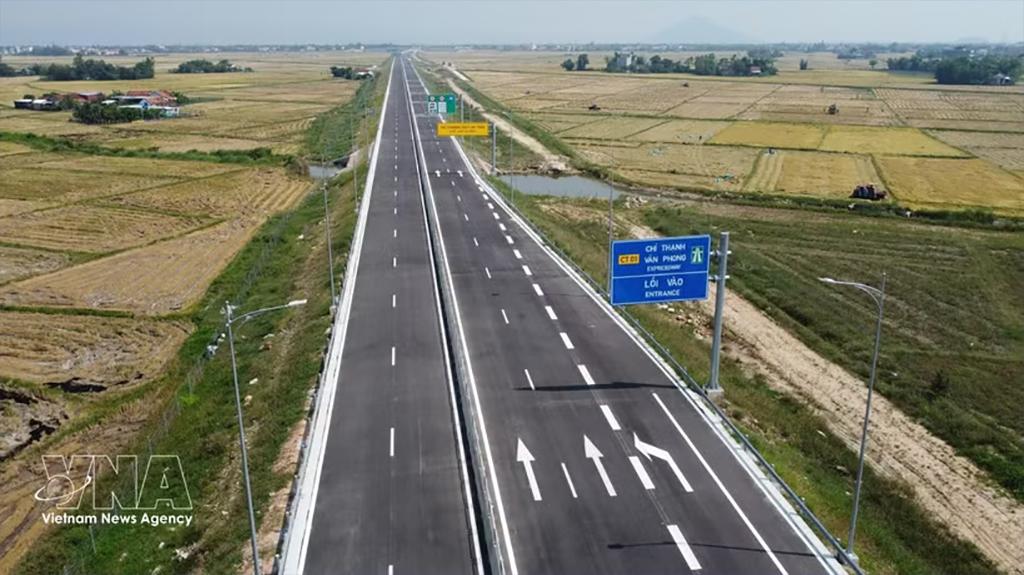
A multi-sector marine economic space is therefore taking shape around the province’s coastal advantages. Yet the effective utilisation of this space depends heavily on infrastructure. Ninh Binh is consequently prioritising investment in essential infrastructure to support development and create the conditions for further private-sector investment in coastal areas.
Infrastructure investment to unlock new resources
Under the province’s 2026-2030 medium-term public investment plan, 16 coastal communes have been allocated 9.64 trillion VND, including approximately 1.48 trillion VND in 2026 alone. The funding is being focused on transport, sea dykes, irrigation and other essential infrastructure, serving both economic development and the protection of local communities from natural disasters.
As of July 2026, several irrigation and sea-dyke projects under construction had reached 99-100% completion. The province is also preparing further projects to upgrade and reinforce the sea-dyke system and address vulnerable sections.

At the same time, the completion of industrial park infrastructure is creating the necessary land and facilities to accommodate new manufacturing investment. At the Rang Dong Textile and Garment Industrial Park, approximately 70% of infrastructure construction had been completed by July 2026, while land reclamation had reached 90%. Roads and lighting systems were about 60% completed, while the clean-water plant module and wastewater treatment system had been completed.
Seven secondary projects have so far registered to invest in the industrial park, covering approximately 90 hectares of leased land, or 27.6% of the park’s commercial land area. The seven FDI projects have a combined registered capital of 476.7 million USD. Investment progress is also accelerating at other industrial parks in the region.
Alongside infrastructure development, several large-scale manufacturing projects are moving forward. The No. 1 Green Steel Plant project has completed approximately 70% of its site grading, while the investor is finalising technical design and fire prevention and fighting documentation. For the Electric Truck and Electric Construction Machinery Manufacturing Plant project, the Department of Finance has completed its appraisal of the proposed adjustment to the investment policy and is continuing to review the relevant procedures under the direction of the provincial People’s Committee.
The reality is that the coastal region requires substantial investment, while local budget resources remain limited. The challenge, therefore, is not simply to expand the project pipeline, but to establish clear priorities and ensure that investment plans match available resources.
Public investment should be concentrated on key connectivity routes, sea dykes, irrigation and environmental infrastructure, while private and other non-budgetary capital should be mobilised for manufacturing, logistics, tourism and services.
The marine economy is being positioned as an important component of Ninh Binh’s economic structure. The province is therefore pursuing marine economic development in line with its broader strategic orientation, linking economic growth with resource conservation, environmental protection and improved livelihoods for coastal communities.
Beyond creating new drivers of local growth, this approach is expected to contribute to Vietnam’s broader strategy of becoming a strong maritime nation and building greater prosperity from its marine resources./
Tin liên quan
16th NA’s first extraordinary session seeks to create new development space
Ninh Binh province expands development space

Expanding development space after mergence – a new stature for Ninh Binh
Merging provinces to expand development space: former deputy minister
Tin cùng chuyên mục