
Trang An: Vietnam and Southeast Asia's first mixed world heritage site safeguards rich biodiversity treasure
A unique ecosystem
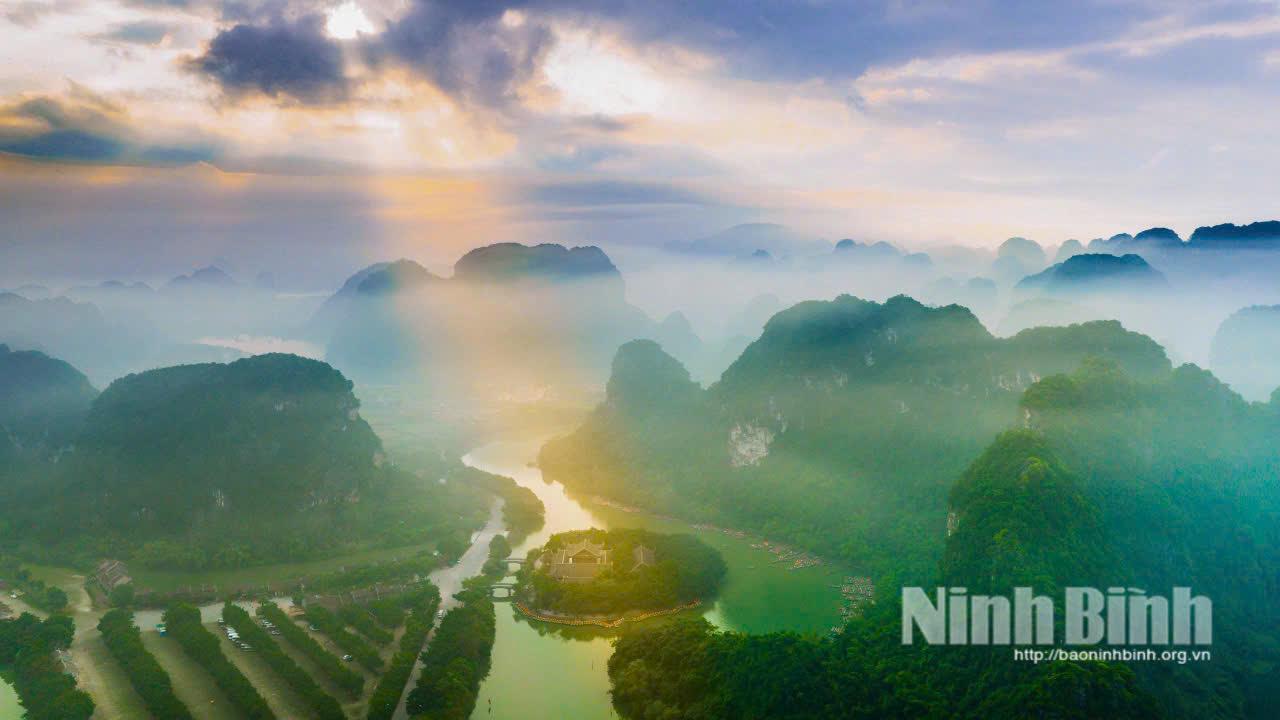
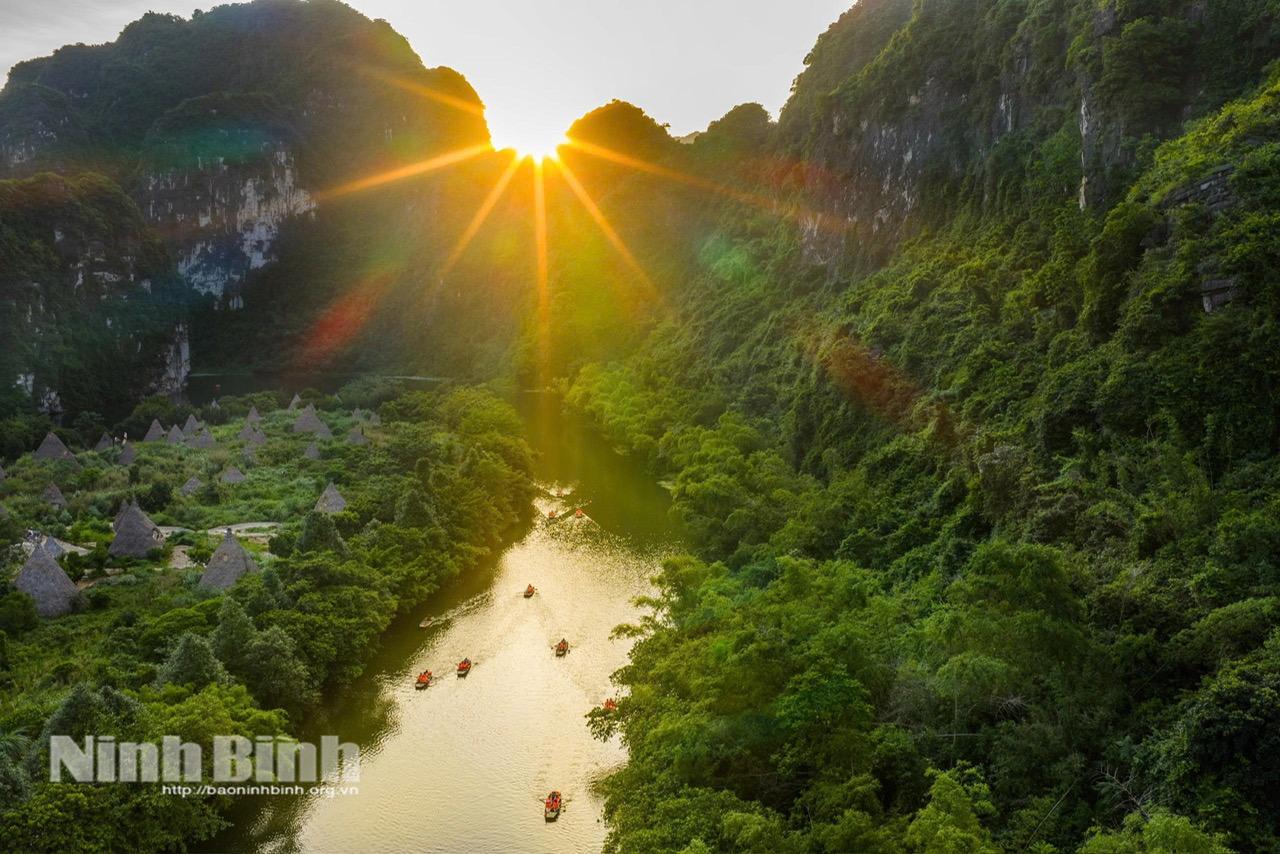
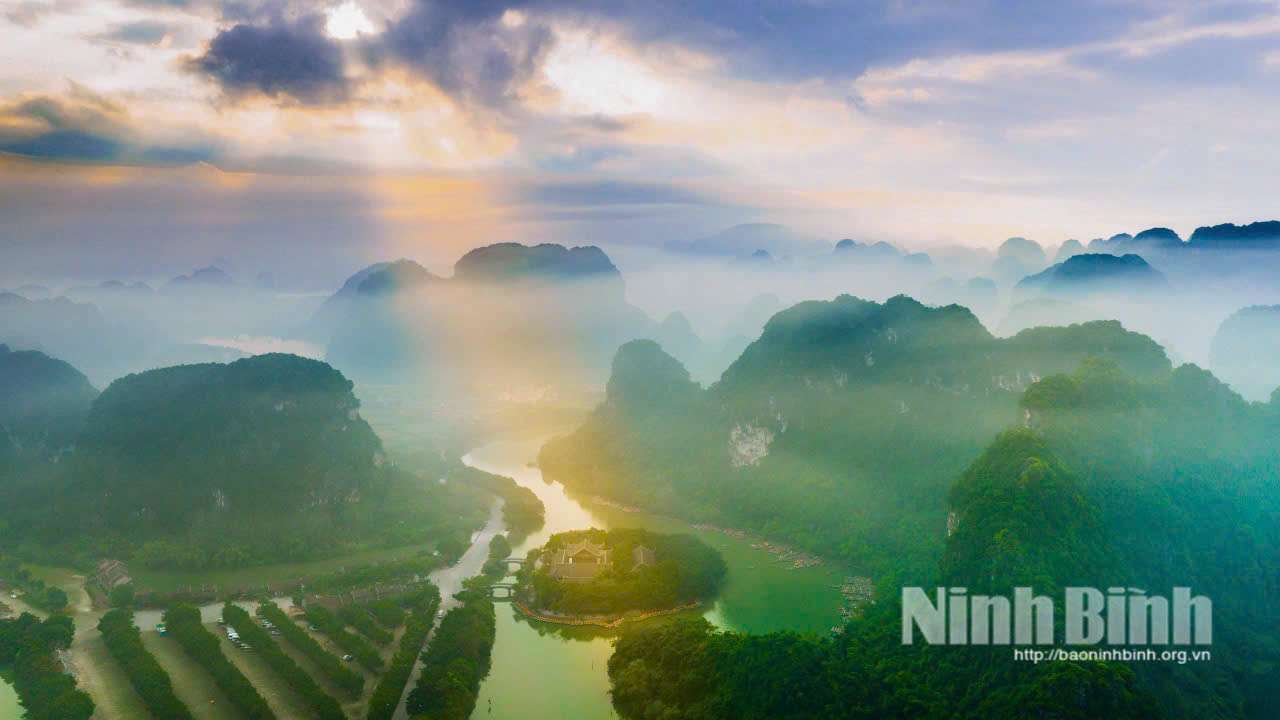
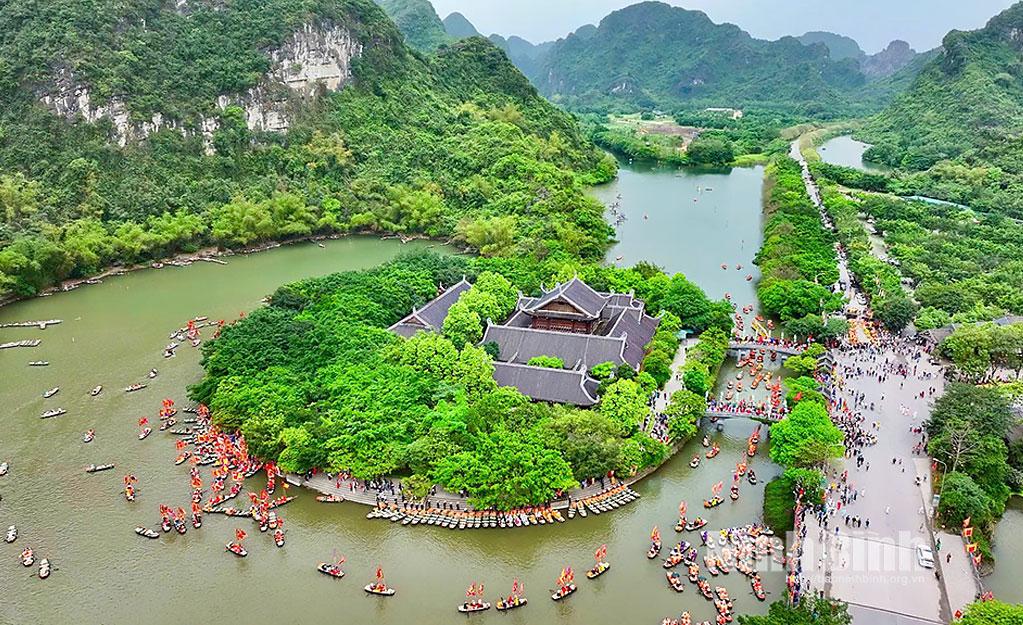
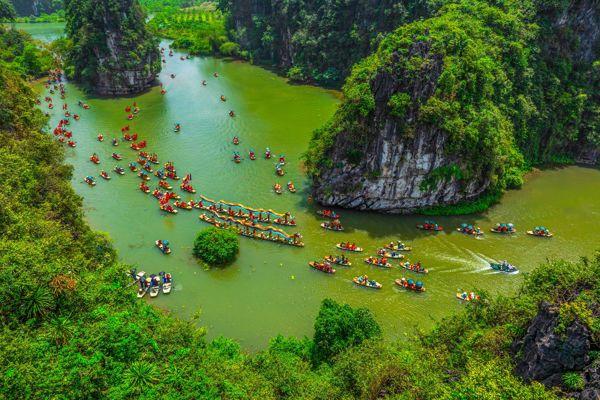
Situated in the tropical monsoon zone with a cool winter season, Trang An features an intricate network of tropical limestone forests, isolated caves and freshwater wetlands. This distinctive combination of habitats forms the ecological foundation that underpins the site's remarkable biodiversity.
According to the latest biodiversity survey and assessment, Trang An is home to 577 vascular plant species belonging to 384 genera and 134 families. More than half of these species have medicinal value.
The heritage site also preserves several outstanding native plant communities, including the Thung Voi Syzygium forest with more than 1,000 ancient trees, the Thung Vung Tham banyan (Ficus) population of over 5,000 trees covering 17.21 hectares, and the Tran Temple banyan grove comprising more than 400 trees. These plant communities have been mapped and digitally catalogued to facilitate long-term monitoring and conservation.
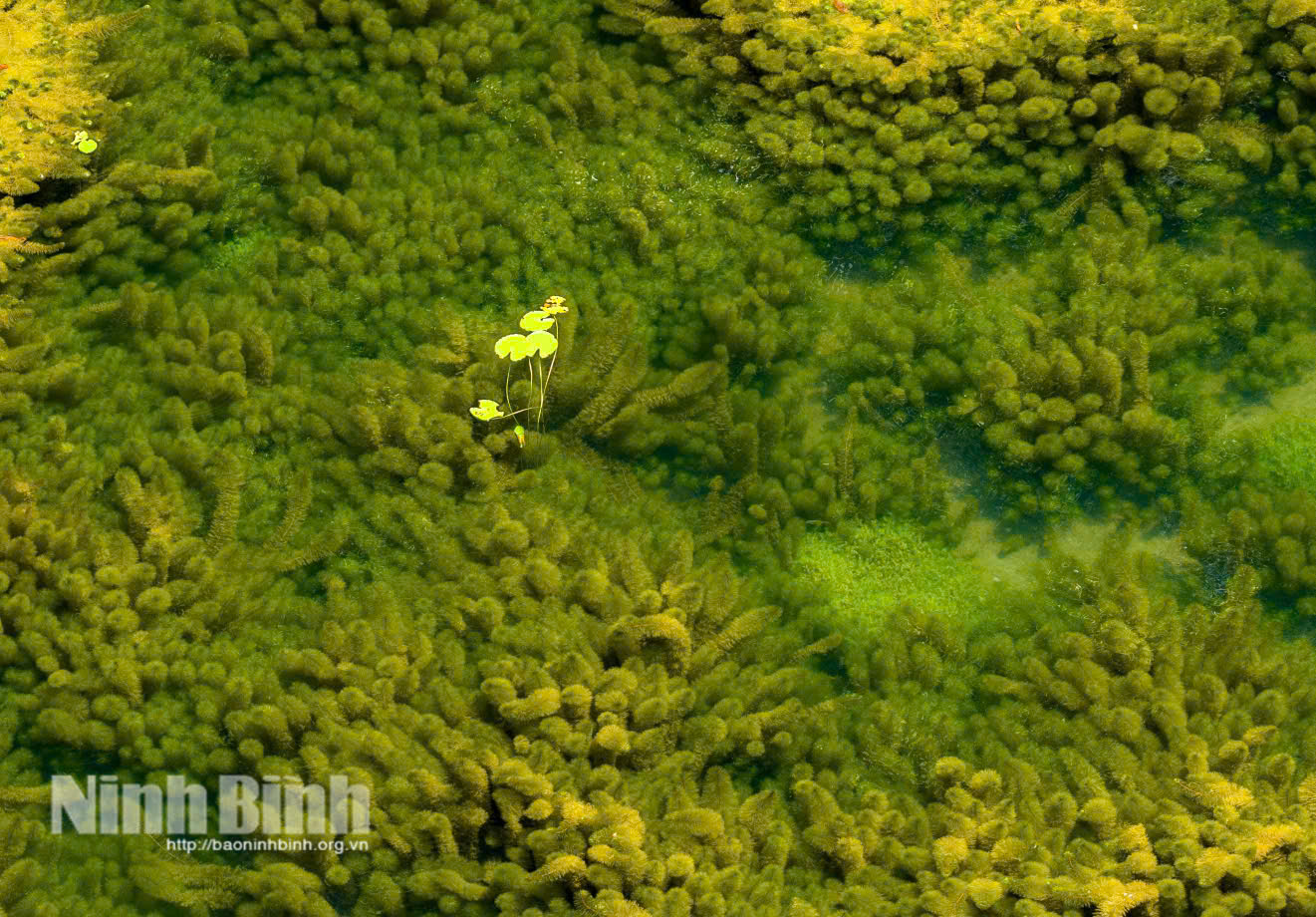
Beyond their landscape value, the forests protect eight threatened plant species listed in the Vietnam Red Data Book and the IUCN Red List. Among them, the ironwood tree (Excentrodendron tonkinense) and the fern Drynaria fortunei are classified as Endangered (EN), requiring stringent conservation measures.
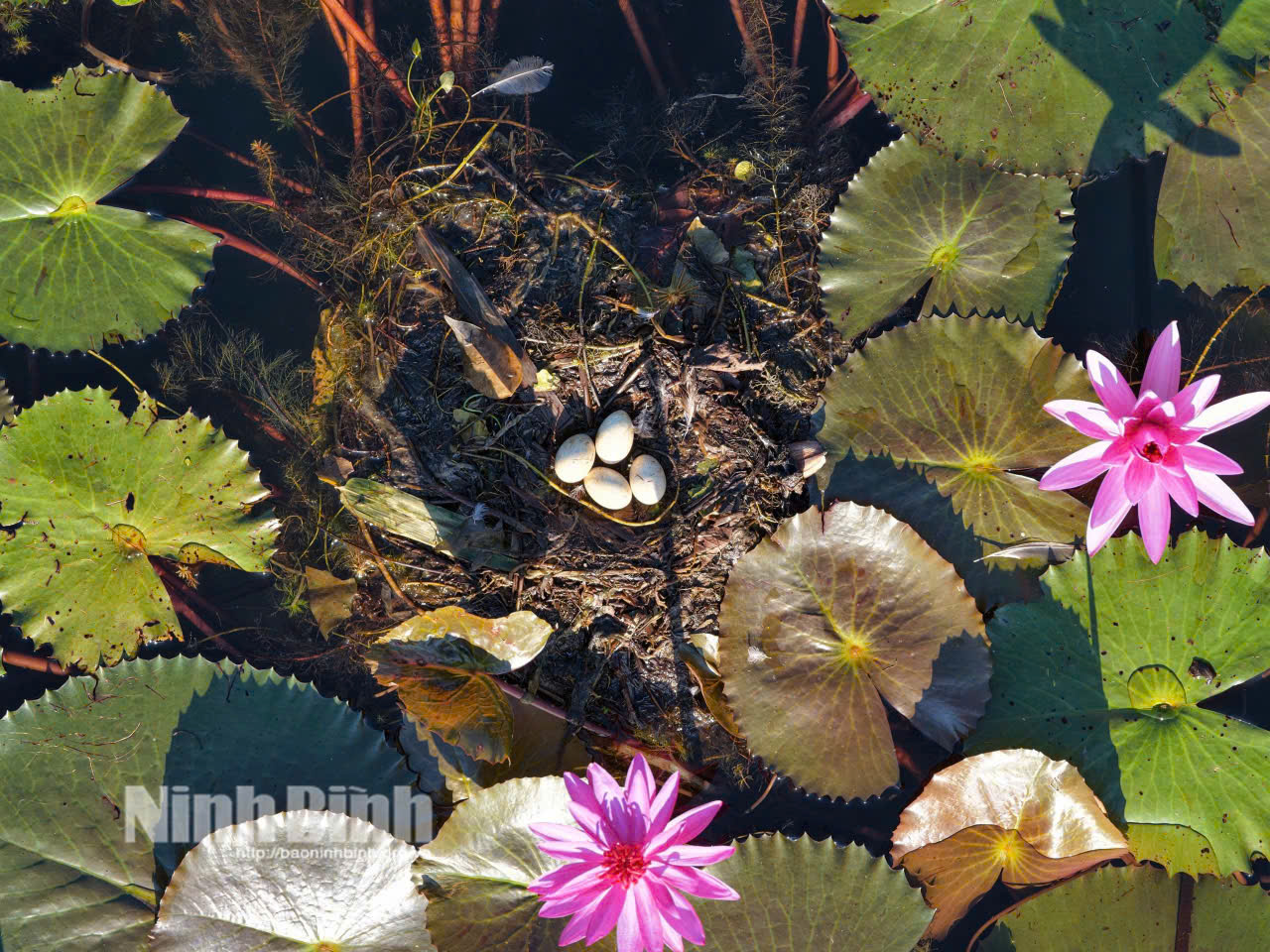
The recovery and integrity of the limestone forest vegetation also provide the essential habitat for the area's rich wildlife.
Refuge for rare and endemic wildlife
A 2025 survey confirmed that Trang An supports 225 terrestrial vertebrate species, including 61 mammal species. Its mammalian fauna reflects the characteristics of a typical karst ecosystem, with cave-dwelling bats accounting for nearly 30% of recorded species and rodents making up almost 38%.
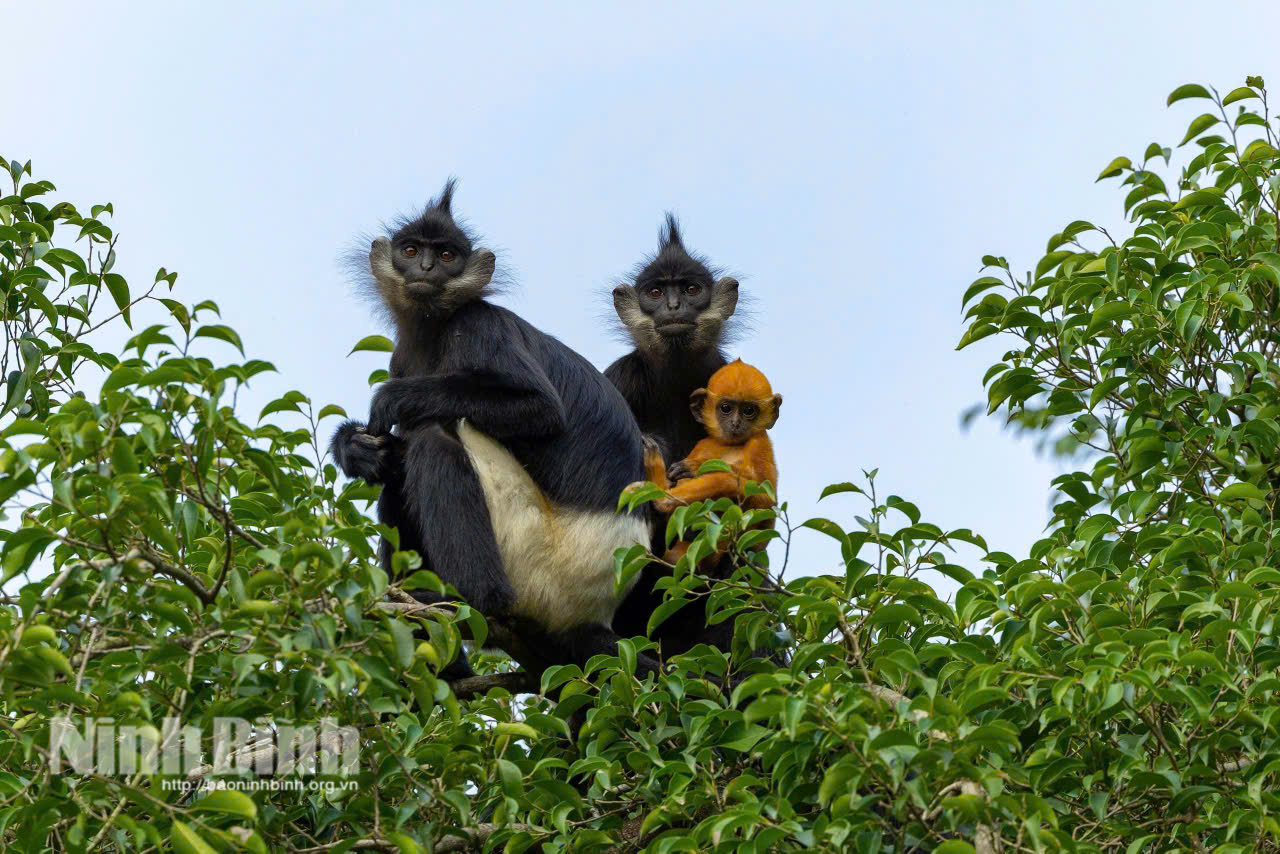
One of the site's most notable conservation successes is the reintroduction of the critically endangered Delacour's langur (Trachypithecus delacouri). Following the release of three individuals on Dao Ngoc (Pearl Island) in August 2020, the population successfully reproduced in the wild in 2021 and has since grown to eight individuals, demonstrating the species' successful adaptation to its restored habitat.
Trang An's clean streams and freshwater wetlands also provide ideal habitats for 105 species of waterbirds and migratory birds, including the Asian openbill, great cormorant and grey heron. The presence of limestone specialists such as the limestone leaf warbler (Phylloscopus calciatilis) further reflects the ecological integrity of the forest ecosystem.
The site is also home to 59 reptile and amphibian species. Notably, Trang An is the type locality of the Trang An odd-scaled snake (Achalinus tranganensis), an endemic species found only in the humid leaf litter and limestone crevices of the heritage area. Its pristine streams also support environmentally sensitive species such as the big-headed turtle (Platysternon megacephalum) and the northern mossy frog.
The diversity of flora and fauna highlights Trang An's role as an ecological transition zone linking the Red River Delta with the limestone mountains of northwestern and north-central Vietnam. This ecological richness, however, is also highly vulnerable, underscoring the need for comprehensive conservation efforts.
Strengthening long-term conservation
Safeguarding Trang An's biodiversity requires close cooperation among scientists, forest rangers, the Trang An Landscape Complex Management Board, businesses and local communities.
According to the Institute of Environmental Sciences and Climate Change, which conducted the latest biodiversity assessment, karst ecosystems are highly sensitive to environmental disturbance. Endemic species such as the Trang An odd-scaled snake and mossy frogs depend entirely on intact forest canopies and humid forest-floor conditions. Even minor habitat alterations can disrupt their survival, making meticulous habitat protection essential.
Echoing this assessment, Do Van Tinh, Director of the Special-use Forest Management Board under the provincial Forest Protection Department, said dedicated forest protection teams have been established in close coordination with Forest Ranger Unit III and contracted local households. Regular forest patrols are supported by SMART monitoring software, camera traps and strengthened wildfire prevention measures, including four kilometres of firebreaks and two observation towers.
Authorities also maintain strict enforcement against illegal logging, wildlife trapping and hunting within the protected area.
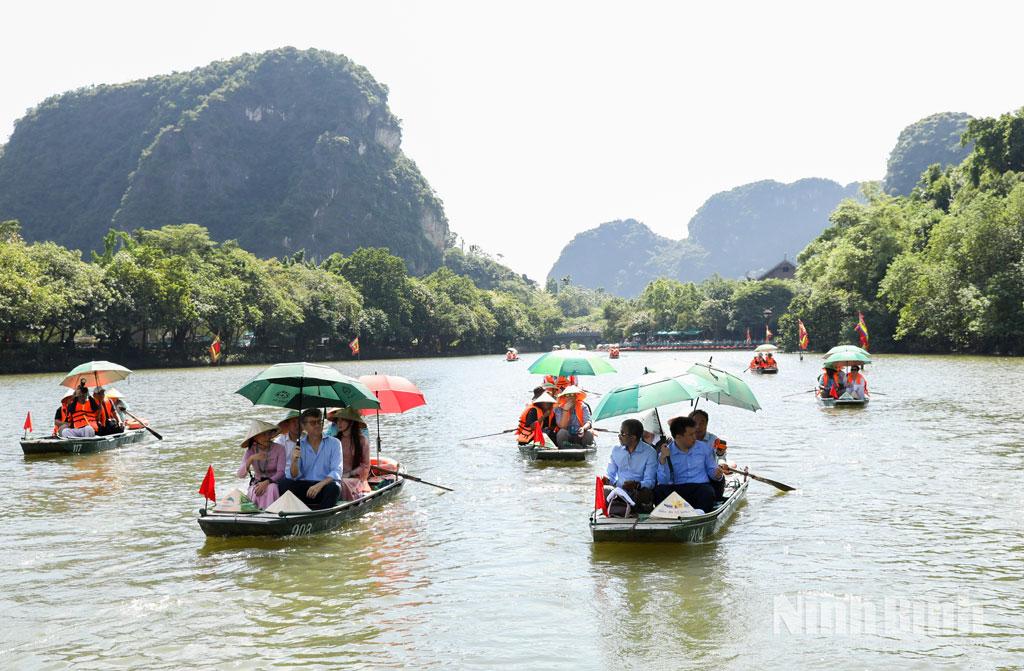
Local communities have become one of the strongest pillars of conservation. As tourism has created stable employment opportunities and forest protection contracts provide additional income, many residents have voluntarily abandoned traditional activities such as hunting, shifting cultivation and fuelwood collection. Instead, they have become active stewards of the heritage site's forests and landscapes.
The Trang An Landscape Complex Management Board is currently working with government agencies and research institutions to implement a long-term conservation strategy. Immediate priorities include establishing strict protection zones for ecologically sensitive habitats and introducing regular monitoring programmes for 14 flagship species, including Delacour's langur, mainland serow, Owston's civet, great hornbill, black eagle, Trang An odd-scaled snake, big-headed turtle, king cobra, northern mossy frog, An mossy frog, Excentrodendron tonkinense, Chukrasia tabularis, Melientha suavis and Drynaria fortunei.
The management board is also proposing the establishment of a dedicated heritage conservation fund to mobilise greater social resources while promoting the application of advanced technologies such as Geographic Information Systems (GIS), the Internet of Things (IoT) and artificial intelligence (AI) in environmental monitoring.
In parallel, the introduction of green tourism standards to regulate noise and artificial lighting, together with conservation education programmes in schools and local communities, is expected to play a key role in preserving Trang An's biodiversity and further enhancing the Outstanding Universal Value of the UNESCO World Heritage Site./.
Tin liên quan


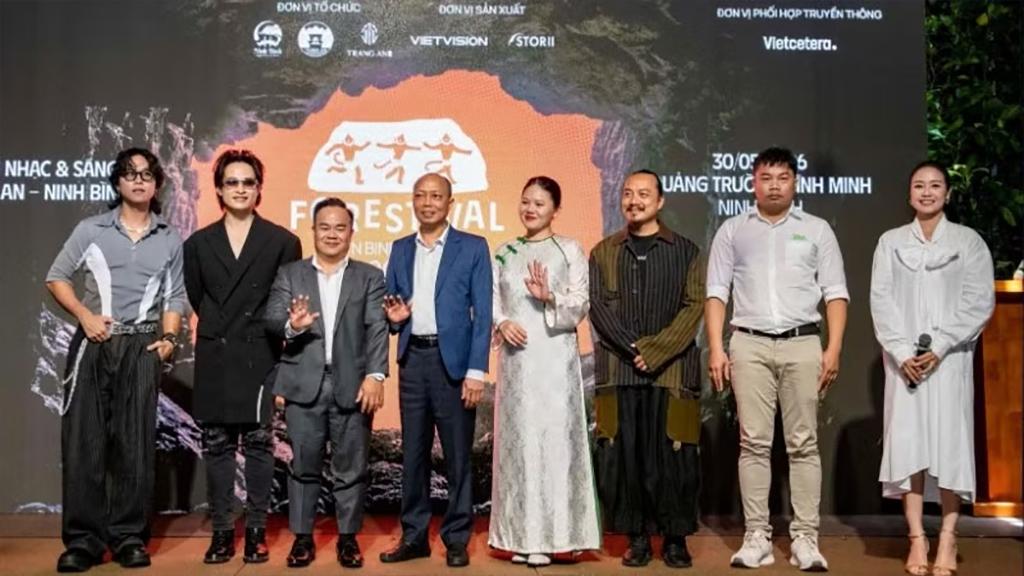
FORESTIVAL 2026 - music feast in the heart of Trang An heritage
Trang An Festival 2026 opens in Ninh Binh


Over 10,000 runners take part in Trang An Marathon 2025
Trang An Festival is a journey to sacred land of heritage