
Ninh Binh develops “Green OCOP” products linked with local resources
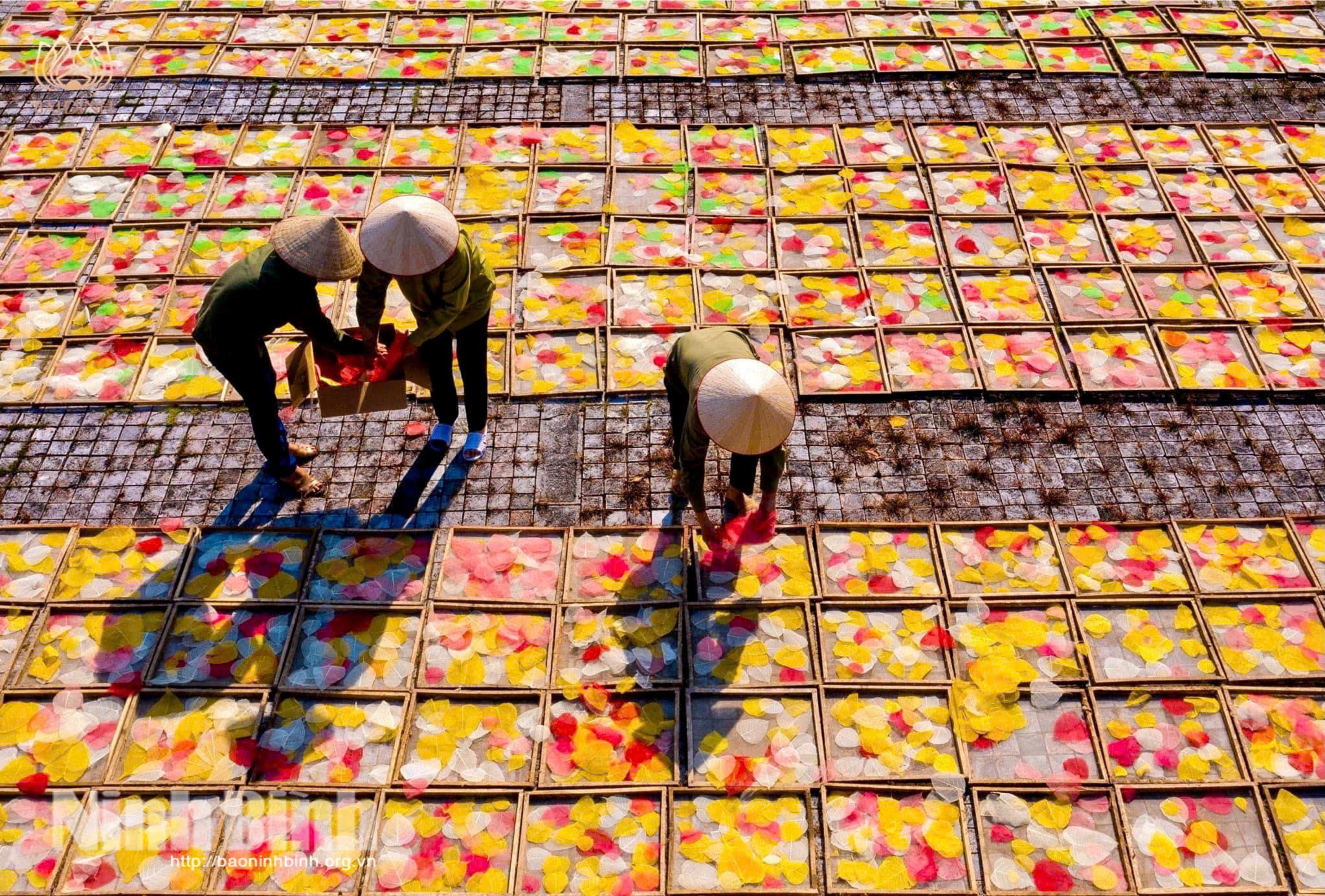
According to the provincial New-style Rural Development Coordination Office, as of April 2026, the province had more than 1,000 OCOP products certified with three stars or higher. While this reflects the remarkable expansion of the programme, it also highlights a new priority: shifting the focus from quantity to quality, particularly as consumers increasingly demand food safety, traceability, and sustainability.
A key feature of Ninh Binh's new strategy is the concept of "Green OCOP" a trend that prioritises the sustainable use of indigenous resources while promoting a green economy, circular production, environmental protection, and digital transformation throughout the entire value chain.
Discussing this direction, Le Hong Duc, Deputy Chief of the provincial New-style Rural Development Coordination Office, emphasised that “Green OCOP” development should focus on increasing value-added processing while transitioning from conventional agricultural production to circular and ecological agriculture.
To compete in today's marketplace, OCOP producers must demonstrate strong quality management systems, compliance with food safety standards, product traceability, improved packaging, and the ability to meet increasingly stringent environmental requirements, he noted.
Duc stressed that economic development must go hand in hand with preserving natural resources and local cultural heritage. This requires standardising specialty raw material zones, assigning planting area codes to products, conserving biodiversity, and implementing strict management of land and water resources.
At the same time, for traditional craft products, cultural stories, local history, and indigenous knowledge should be deeply incorporated into product packaging, branding, and consumer experiences. In this way, OCOP products offer not only physical goods but also cultural value, identity, heritage, and social responsibility, he added.
A leading example of this approach is Minh Duong One-Member Co., Ltd., located in Truong Thi ward. The company has two products - dried fresh waxy corn and cheese-flavored potato chips - that have been recognised as five-star national OCOP products.
Established in 2008, the company's main product portfolio includes dried sweet potatoes, dried corn, peanuts, waxy corn, potato chips, as well as convenient food products such as instant soups and pho. Each year, the company sells approximately 200 tonnes of products, generates around 18 billion VND (approximately 700,000 USD) in revenue, and provides employment for nearly 50 local workers. In addition to being available in supermarkets and retail stores across Vietnam, several products of Minh Duong have been exported to markets including the Republic of Korea, Canada, and France.
The company has successfully developed standardised raw material areas while makingstrategic investments in deep processing and strengthening partnerships with local farmers. Beyond purchasing agricultural products, Minh Duong also provides contract farming arrangements, supplies seeds, and develops production linkages to ensure a stable supply of high-quality raw materials.
Nguyen Van Thuy, Director of Minh Duong One Member Co., Ltd., shared: "From the early stages of developing our OCOP products, the company received strong support from local authorities and the agricultural sector in meeting the official evaluation and classification criteria. At the same time, we have consistently prioritised the use of local agricultural products, helping secure raw material supplies while creating stable employment and income opportunities for localresidents."
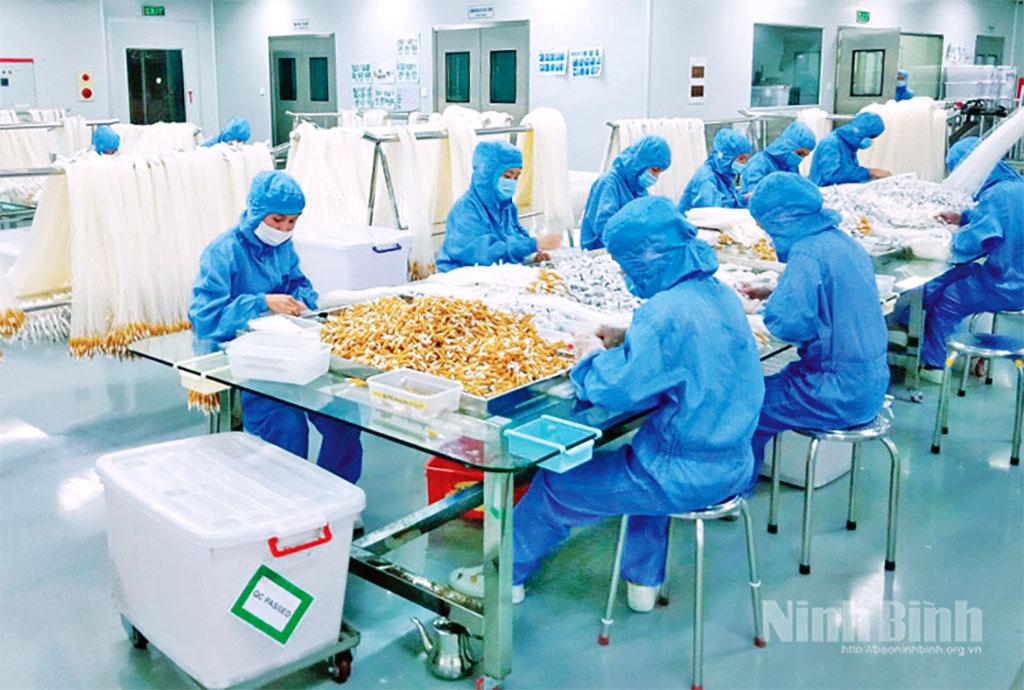
At Minh Duong, the "green" element extends beyond raw material sourcing to encompass safe, efficient, and rigorously controlled production processes. The company has adopted internationally recognised quality management systems, including ISO 22000:2018, HACCP, FSSC 22000, and FDA standards. Its production line follows a one-way process, from raw material intake and processing to packaging and distribution.
Across the province, an increasing number of OCOP producers are embracing the “Green OCOP” philosophy. Rather than exploiting natural resources for short-term gains, businesses are investing in ecosystem restoration, conservation, and regeneration. This approach creates higher-value products while contributing to biodiversity conservation, landscape preservation, and opportunities for eco-tourism, experiential education, and scientific research.
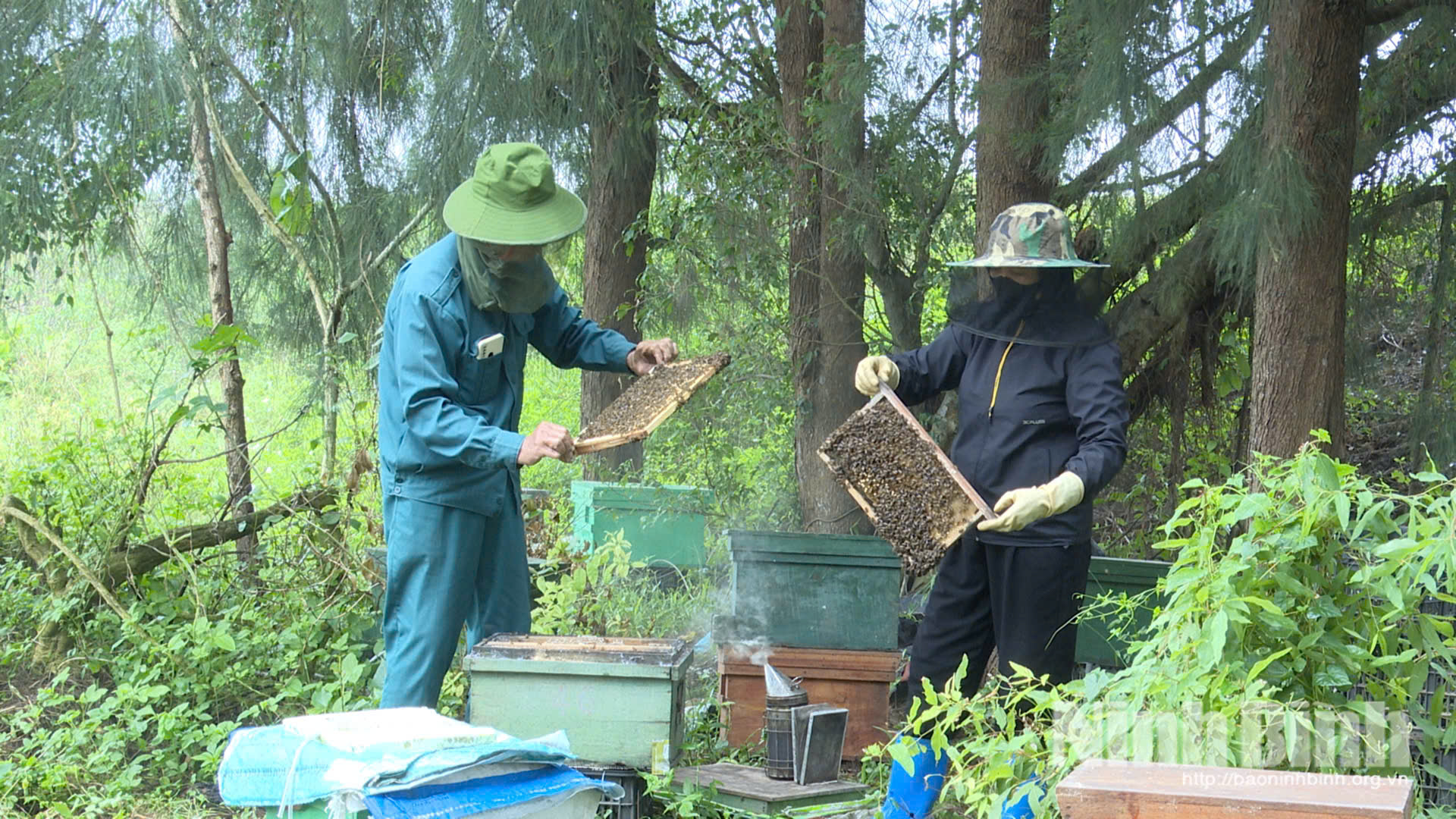
Another notable example is Vu Gia Medicinal Herbs Co., Ltd., located in Gia Lam commune, whose Cuc Phuong golden camellia tea exemplifies environmentally responsible production. Unlike conventional production models, the company has chosen to develop medicinal herbs alongside ecological conservation.
To date, Vu Gia has five OCOP products rated four stars, while its golden camellia tea has been recognised as a nationally outstanding product. The company's products are now distributed across numerous provinces and cities throughout Vietnam.
For Ninh Binh, promoting “Green OCOP”carries particular significance given the province's unique advantages in natural landscapes, cultural heritage, traditional craft villages, medicinal plants, and tourism. By connecting OCOP products with tourist destinations, festivals, craft villages, and rural eco-tourism models, the province can generate value that extends well beyond product sales. This integrated approach supports sustainable rural livelihoods, increases farmers' incomes, strengthens local branding, and builds greater consumer confidence in Vietnamese products.
According to Duc, during the 2026 - 2030 period, Ninh Binh aims to develop approximately 200 additional OCOP products rated three stars or higher, including one to two new nationally recognised five-star products.
To ensure the long-term success of “Green OCOP”, the province will prioritise integrated, multi-value development models in which economic growth is closely aligned with the conservation of natural resources and local cultural identity.
Key priorities include standardising specialty raw material areas, linking products with officially registered planting area codes, strengthening land and water resource management, and protecting biodiversity. For traditional craft products, local cultural and historical narratives will be incorporated into packaging and branding to enhance brand value. At the same time, Ninh Binh plans to expand green rural tourism by integrating eco-agricultural experiences into tourism offerings, creating additional sustainable livelihood opportunities for local communities.
"The province will also strengthen green management capacity among OCOP producers, covering green business practices, circular economy principles, intellectual property, and food safety. At the same time, we will expand market access through supermarkets, e-commerce platforms, and specialised promotional events, with the goal of bringing Ninh Binh's “Green OCOP” products to broader domestic and international markets," Duc added./.

Tin cùng chuyên mục