
Ninh Binh determined to ensure budget self-sufficiency by 2028
The goal requires the province to expand its economic base, improve the quality and sustainability of budget revenues, strengthen revenue administration, and enhance the efficiency of public financial management.
Building on encouraging socio-economic results in the first half of 2026, provincial authorities are intensifying measures to boost state budget revenue through sustained growth in industry, trade, services and tourism.
Identifying growth areas, increasing revenue sources
Ninh Binh's economy maintained strong momentum during the first six months of 2026. Its Gross Regional Domestic Product (GRDP) was estimated at 163.68 trillion VND (over 6.23 billion USD), up 11.44% year-on-year, ranking second among the country’s 34 provinces and centrally governed cities. The province's economic scale reached approximately 188.56 trillion VND (7.18 billion USD).
Industry and construction accounted for 47.44% of the provincial economy, followed by services at 33.68%, while agriculture, forestry and fisheries represented 11.81%.
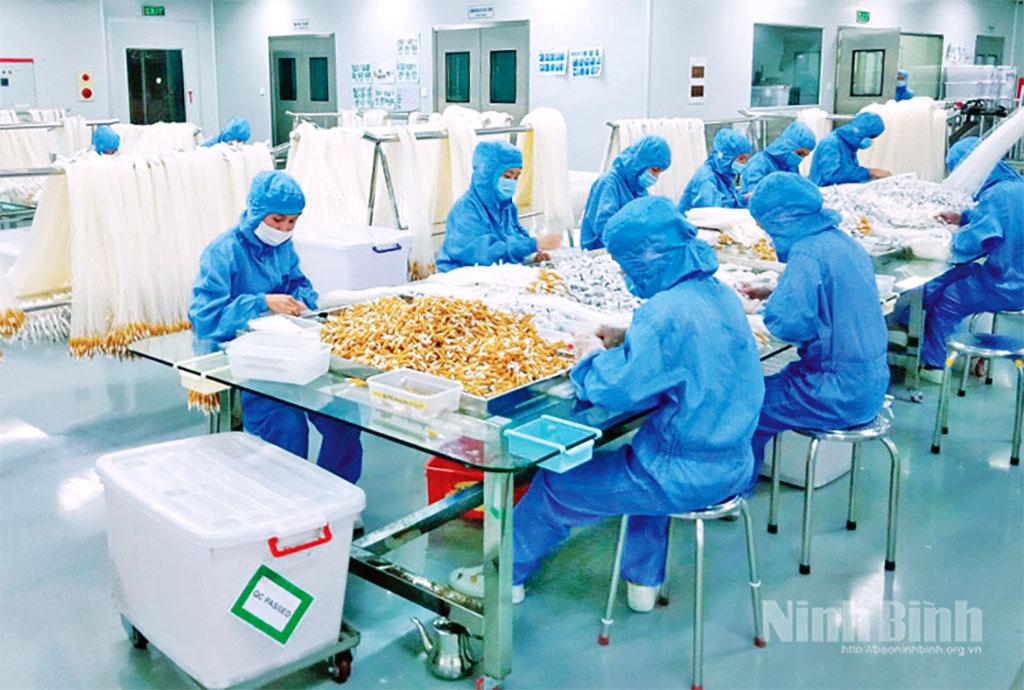
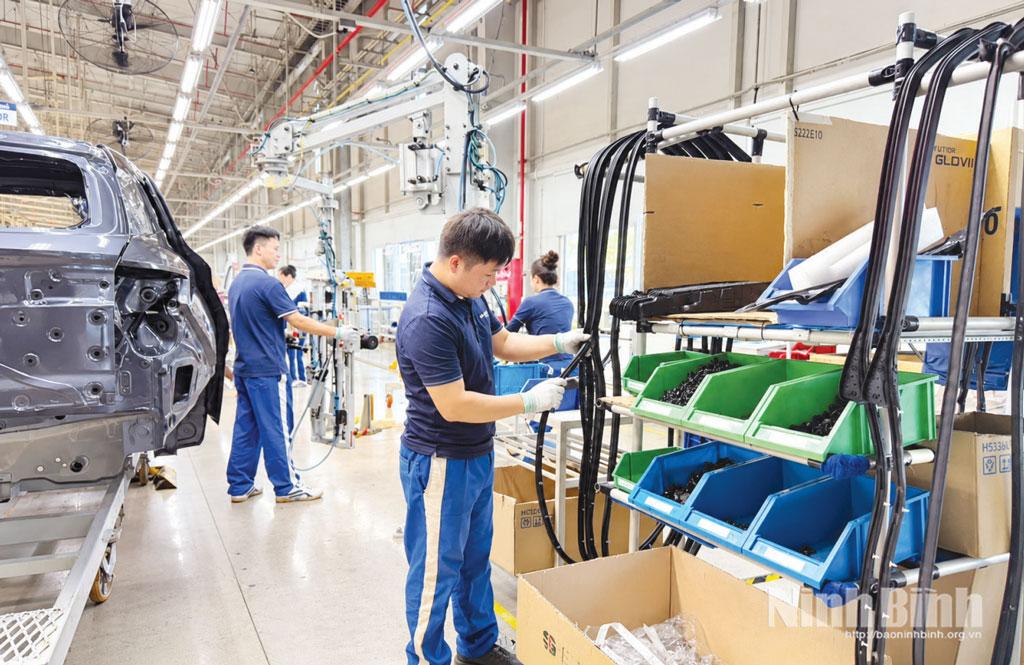
The industrial and construction sector remained the primary driver of growth, expanding by 16.52% compared with the same period last year. The industrial index of production (IIP) rose 27.26%, with manufacturing recording an even stronger increase of 27.68%.
Several key industrial products posted robust growth, including laptops, up 90.3%; trucks, up 35.4%; electricity generation, up 40.5%; and cement and clinker, up 10.3%. The strong industrial performance is expected to provide a more stable and sustainable foundation for provincial budget revenue, reducing dependence on less predictable income sources.
Trade and services also continued to expand steadily. Total retail sales of goods and consumer service revenue reached an estimated 161.29 trillionVND in the first half of the year, up 21.4% from a year earlier.
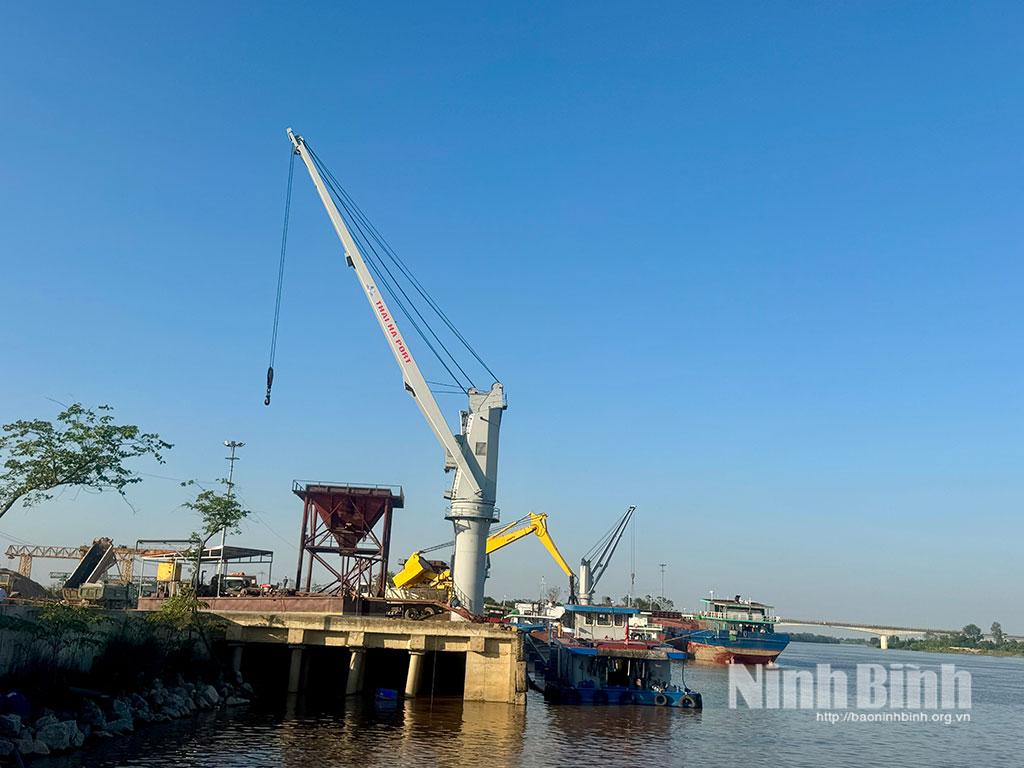
External trade remained a bright spot, with export turnover increasing 52.3% year-on-year to 17.26 billion USD, while imports rose 45.6% to 15.22 billionUSD, resulting in a trade surplus of 2.03 billion USD.
Tourism likewise delivered strong growth. The province welcomed around 17.6 million visitors during the first six months of 2026, up 23.3% year-on-year, generating more than 17.97 trillion VND in tourism revenue, an increase of 21.75%.
Following its merger with Ha Nam and Nam Dinh provinces, Ninh Binh's tourism network has expanded to include major destinations such as Trang An, Tam Coc Bich Dong, Bai Dinh Pagoda, Van Long Nature Reserve, Tam Chuc, Cuc Phuong National Park, Thinh Long Beach and Giao Ninh. Rising visitor numbers have stimulated demand for accommodation, dining, transportation, shopping and other tourism-related services, creating additional sources of tax revenue.
State budget revenue collected in the first half of the year reached 33.73 trillion VND, equivalent to 42.03% of the annual target approved by the Provincial People's Council. Of the total, domestic revenue excluding land-use fees and lottery proceeds amounted to 22.42 trillion VND, or 68.7% of the annual target. Revenue from land-use fees reached 8.08 trillion VND, while import-export activities contributed 3.14 trillion VND.
The results indicate that the province's revenue growth is increasingly being driven by productive economic activities, including manufacturing, trade, services and tourism, rather than relying primarily on land-related income, providing a stronger foundation for long-term fiscal sustainability.
Promoting sustainable revenue management and growth
To achieve budget self-sufficiency by 2028, Ninh Binh aims to collect around 65.33 trillion VND in taxes, fees and other domestic revenues, excluding land-use fees and lottery proceeds.
According to Dinh Nam Thang, Deputy Director of the provincial Department of Finance, the province will broaden its revenue base by promoting industrial production, attracting investment, supporting business development, and expanding trade, services and tourism.
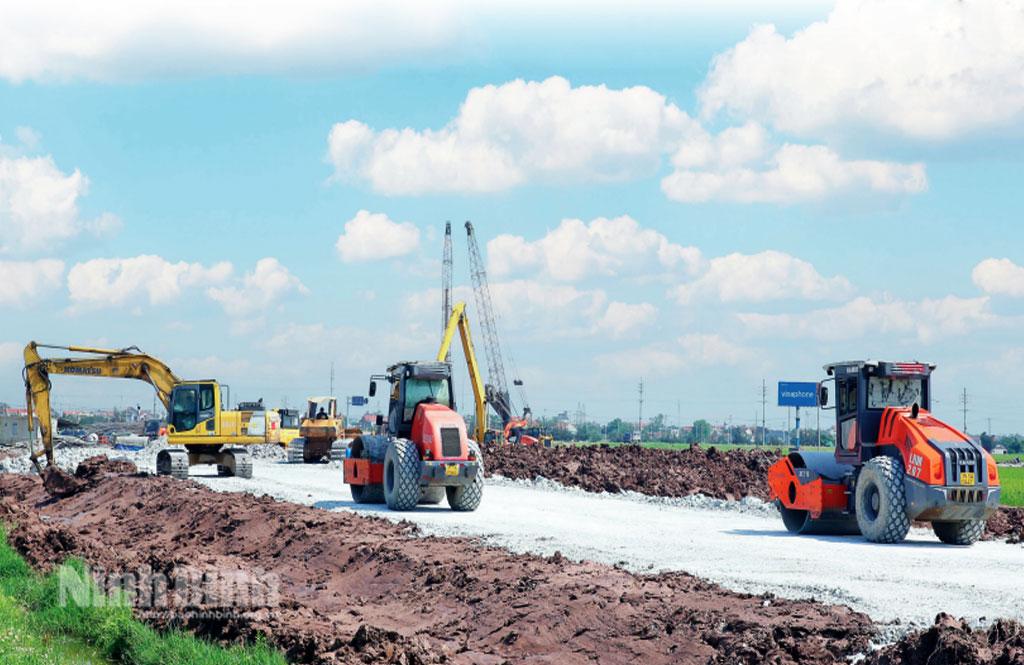
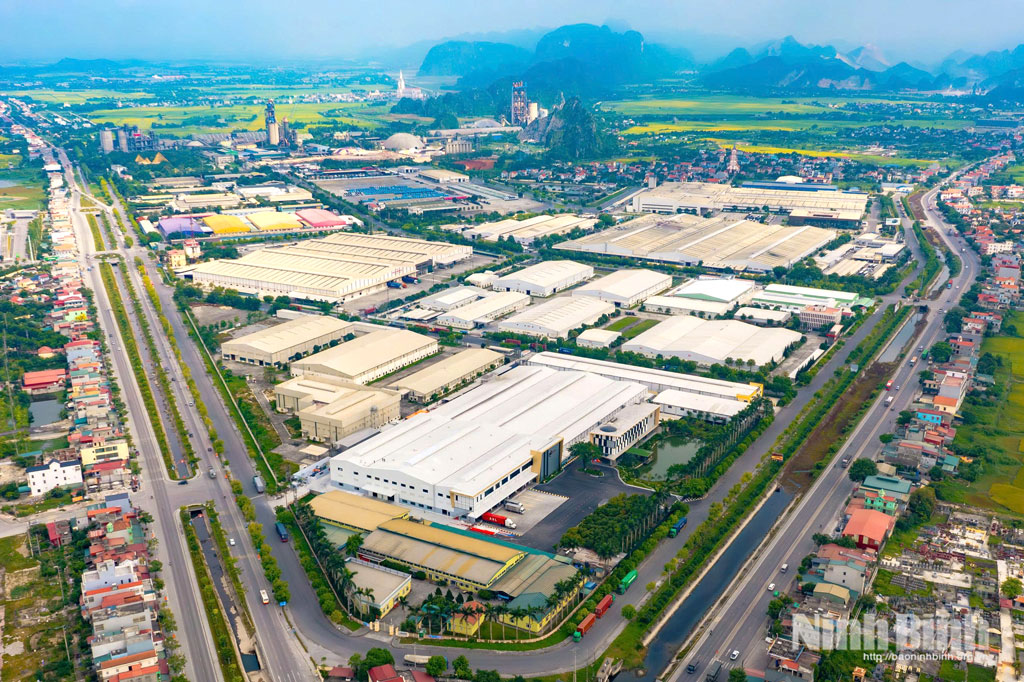
To this end, authorities are improving the investment climate, accelerating the development of industrial parks and industrial clusters, removing obstacles facing businesses, and attracting projects with higher added value.
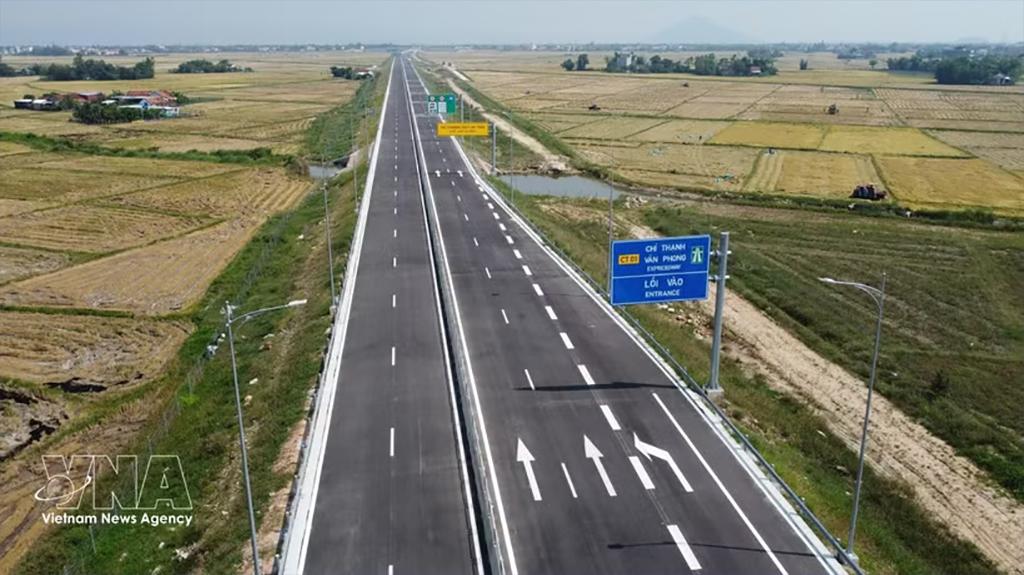
On the expenditure side, budget management will continue to prioritise development investment, infrastructure, digital transformation, education, healthcare and other strategic projects.
The province is also working closely with customs authorities and businesses to maintain and expand revenue from import-export activities. Measures include supporting enterprises in increasing production and trade, encouraging companies to register customs declarations, open customs tax accounts and pay import-export taxes locally, while strengthening dialogue to resolve bottlenecks and facilitate customs clearance. These efforts are expected to enhance business competitiveness and prevent revenue from shifting to other localities.
Meanwhile, the tax sector is accelerating administrative reform, expanding digital tax services and providing greater support for taxpayers in fulfilling their obligations. Tax authorities are also strengthening coordination with provincial departments and local governments to improve revenue management, particularly in areas related to land, mineral resources, construction, project transfers and service businesses.
With significant growth potential still available, provincial authorities believedthat improving tax administration, reducing tax arrears, making more effective use of development resources and fostering a more business-friendly environment will be critical to achieving fiscal self-sufficiency. These efforts are expected to strengthen Ninh Binh's financial capacity and support its long-term development ambitions as it moves toward becoming a centrally governed city by 2028./.
Tin liên quan


Tin cùng chuyên mục