
Provincial officials survey potential for sustainable ecotourism development at Xuan Thuy National Park
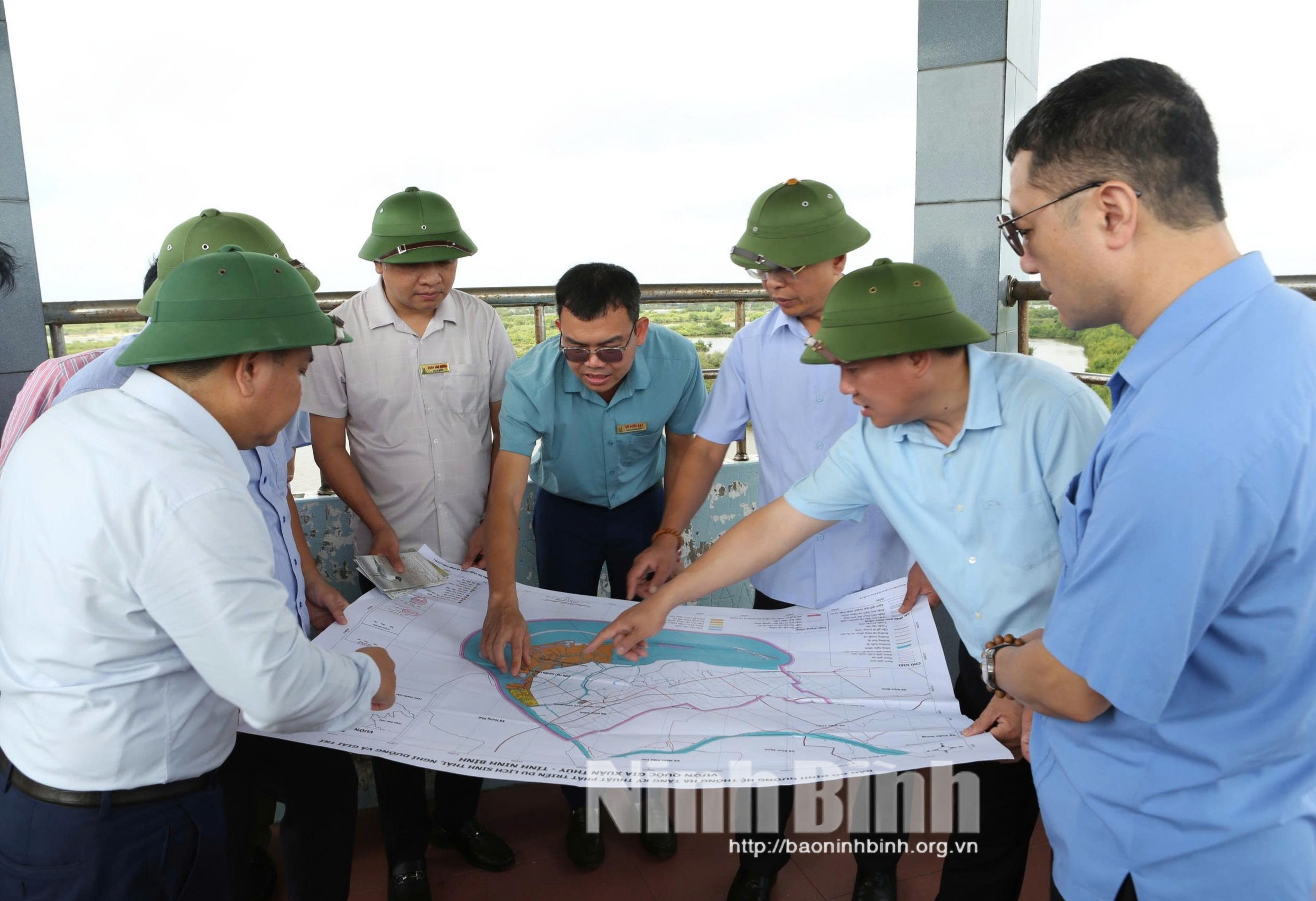
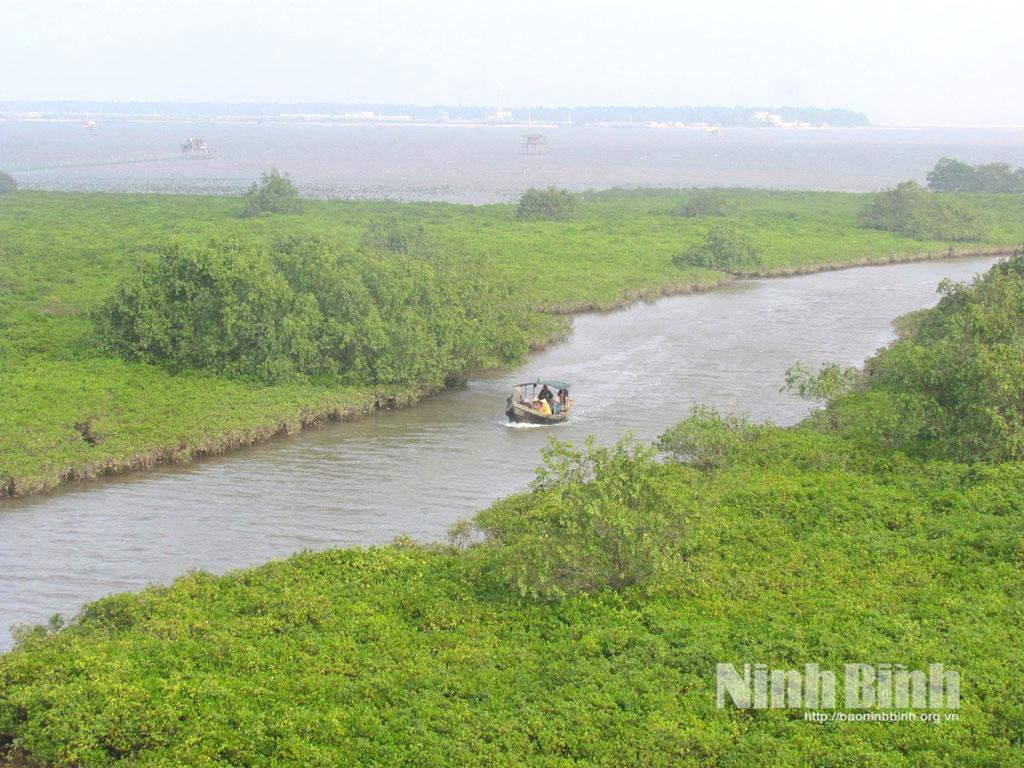
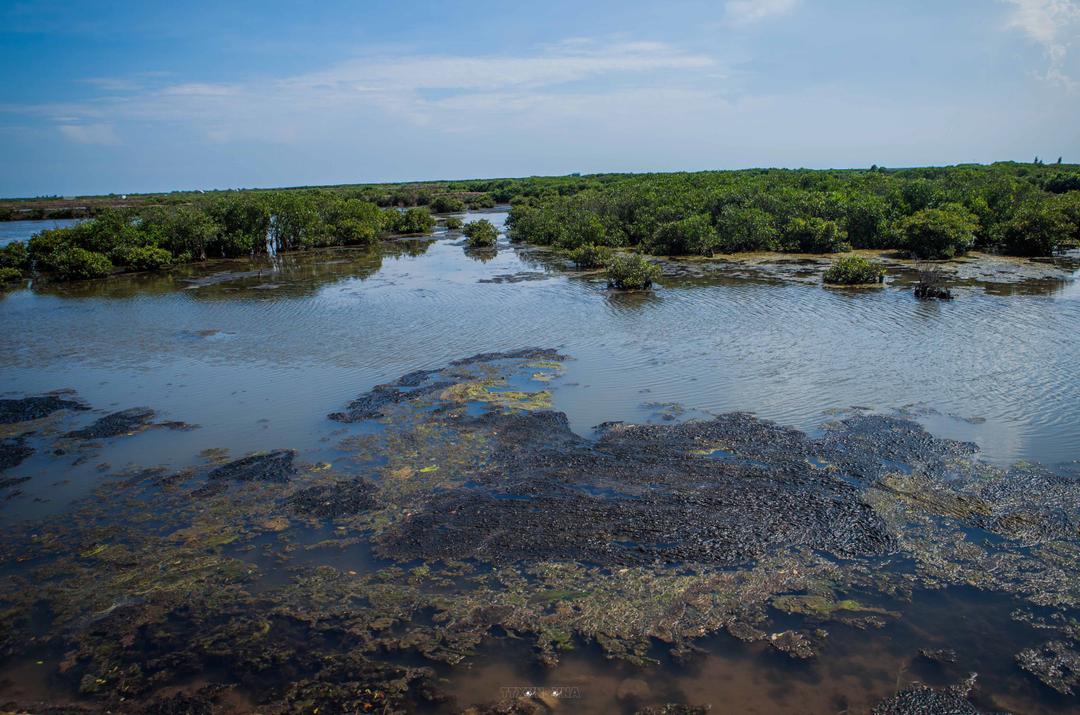
The delegation carried out a comprehensive inspection of the wetland areas, river tributaries, tidal creeks, mudflats, and sandbanks within the park.
The Xuan Thuy National Park is located across three communes, namely Giao Minh, Giao Hoa, and Giao Phuc. The park covers a total area of 15,100 hectares, including a 7,100-hectare core zone and an 8,000-hectare buffer zone.
In September 1988, the estuarine coastal mudflat area of former Xuan Thuy district was officially recognised as the world’s 409th wetland of international importance under the Ramsar Convention. It was also the first Ramsar site in Southeast Asia.
In 2004, the Xuan Thuy National Park was officially recognised as one of the two core zones of the Red River Delta Coastal Wetland Biosphere Reserve.
In September 2025, at the 18th ASEAN Ministerial Meeting on the Environment, the Xuan Thuy National Park was recognised as the 69th ASEAN Heritage Park in Southeast Asia and the 15th in Vietnam.
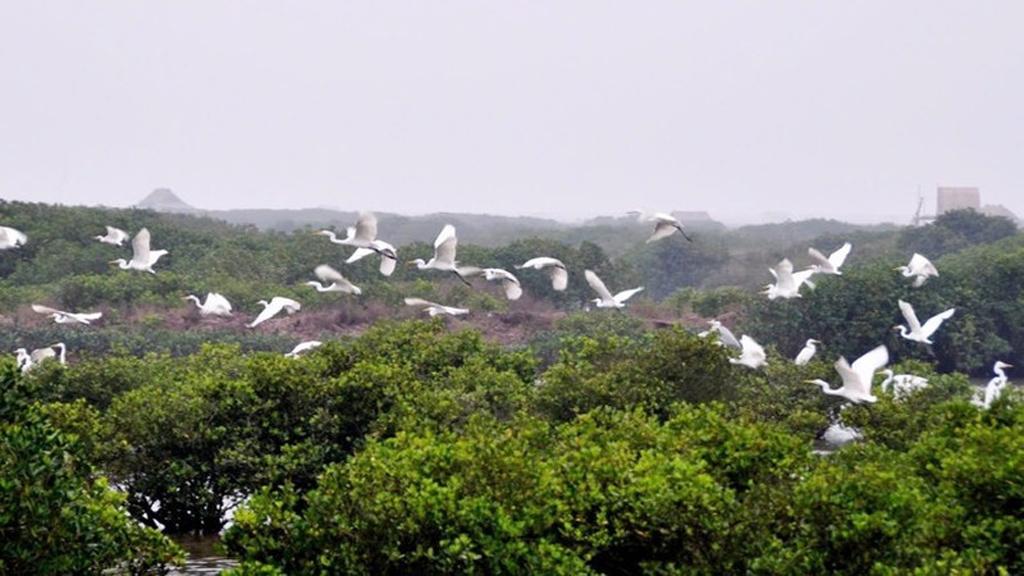
The park possesses a rich and diverse open ecosystem with many rare species of flora and fauna. More than 120 plant species, over 500 animal species, 30 reptile and amphibian species, more than 155 fish species, and hundreds of bird species have been recorded in the area.
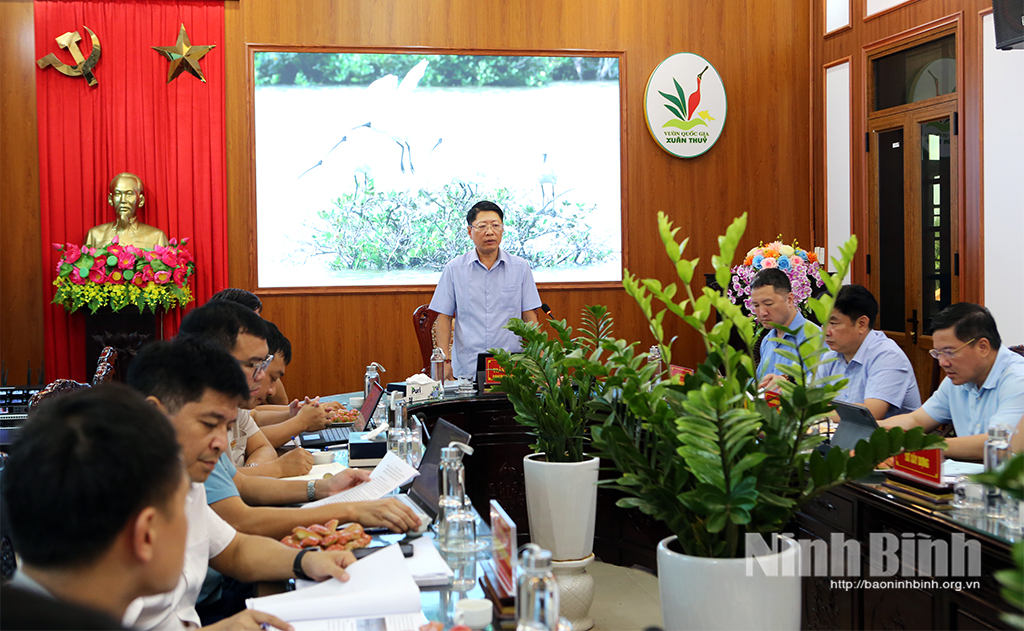
Following the field survey and discussions with local authorities, departments, and the management board of Xuan Thuy National Park, Tung emphasised that the park has significant advantages and vast development potential due to its strategic location along major national transportation routes. With the completion of the coastal road and the CT.08 expressway, travel distances from major urban centres such as Hanoi and Hai Phong will no longer pose a major obstacle. Therefore, the province aims for the Xuan Thuy National Park to become an attractive annual tourist destination by 2030.
To prepare for a growing number of visitors, the ecotourism development project for the park must be designed scientifically, with a long-term vision and ambitious goals, while clearly defining objectives, policies, and development orientations.
Current planning efforts should be substantially adjusted toward expanding administrative and reception areas to ensure sufficient space for parking facilities, service zones, and synchronized technical infrastructure. Authorities should also study the shortest transport routes connecting major traffic corridors directly to the park’s center in order to improve accessibility for tourists, he said.
The management board of Xuan Thuy National Park will continue to play the central role in natural resource management and conservation. Meanwhile, investment in transport services, resorts, accommodation, and food services should mobilise capable and responsible private enterprises.
Tung also stressed that tourism development must remain environmentally friendly and sustainable, without compromising the natural ecosystem. He further recommended organising scientific workshops and inviting both domestic and international experts to contribute ideas and expertise, ensuring that the development project is practical, effective, and feasible.
In addition, attention should be given to improving internal transport infrastructure within the park to enhance connectivity and convenience for visitors, he noted./.
Tin liên quan
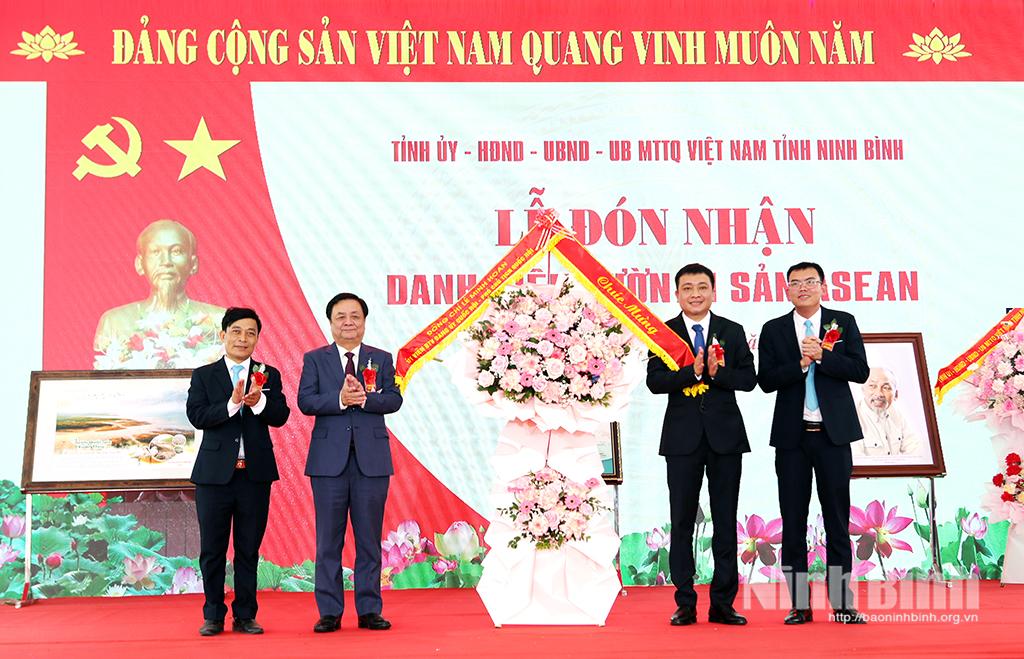
Xuan Thuy National Park recognised as ASEAN Heritage Park