
Ninh Binh to invest 464 billion VND to develop eco-tourism at Xuan Thuy National Park
The project will be implemented on an area of 7,110 hectares within the Xuan Thuy National Park. The total investment for the project is 464 billion VND, of which the state budget will invest in infrastructure, management, and forest conservation; and social resources will be mobilised through cooperation, linkages, and leasing of forest land for the development of ecotourism services.
The Xuan Thuy National Park is the first Ramsar site in Vietnam and Southeast Asia, a World Biosphere Reserve, an ASEAN Heritage Park, a place where characteristic wetland ecosystems of coastal estuaries converge, and is considered the largest "international bird station" in the northern region.
Tourism development in combination with conservation of international Ramsar area
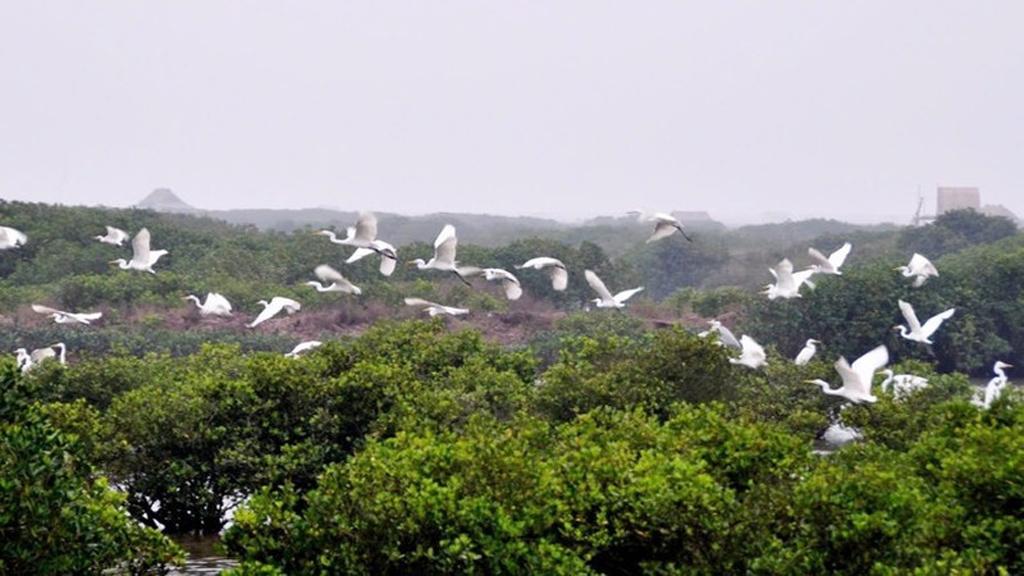
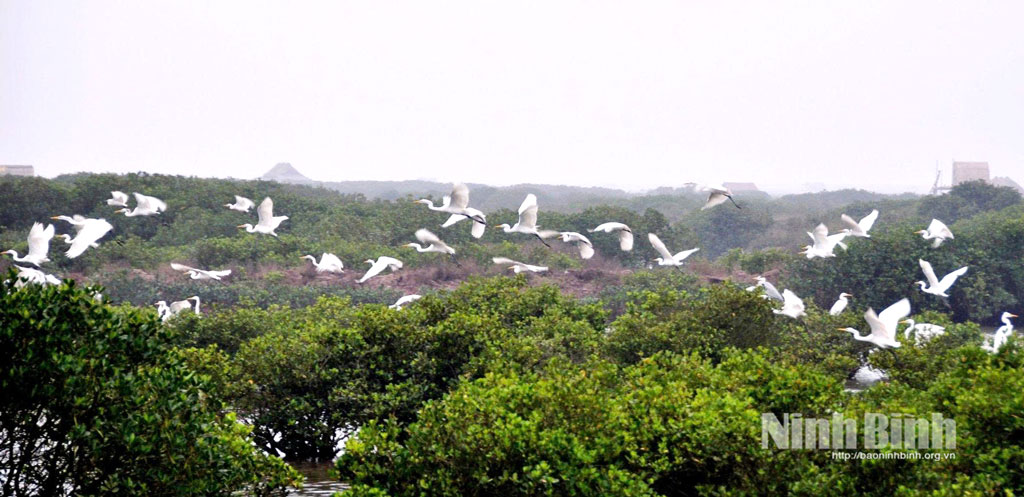
The Xuan Thuy National Park is located south of the Red River estuary in Giao Minh commune, Ninh Binh province. It is home to over 200 bird species, including 60 migratory species and 50 waterbird species. Many rare and endangered species are listed in the IUCN Red List, such as the spoon-billed sandpiper, spoonbill, black-headed duck, yellow-billed great hornbill, and dhort-billed gull.
In recent years, the park management has collaborated with the Institute of Natural Resources and Environment and the Royal Ornithological Institute of Japan to study the morphological characteristics and tag the birds; and with Birdlife and Viet Nature to monitor and count the number of endangered birds. As a result, the park has maintained a population of 60-80 individuals annually of the black-faced spoonbill an endangered species along with tens of thousands of other migratory birds.
Furthermore, the area boasts abundant aquatic resources, closely linked to the lives of the local community. Many economically valuable species such as razor clams, mud crabs, grouper, and snapper have been successfully researched and bred by the participating units, creating stable livelihoods and contributing to the sustainable management and protection of aquatic resources.
With this diverse ecological advantage, the overall goal of the project is to develop the Xuan Thuy National Park into a key ecotourism, resort, and recreation destination in the Northern Delta region, developing sustainably and associated with the international Ramsar brand.
In particular, the project aims to make Xuan Thuy a leading destination in Vietnam and the Asia-Pacific region for observing migratory birds, generating non-budgetary revenue through forest environment leasing, cooperation, and the organisation of ecotourism services.
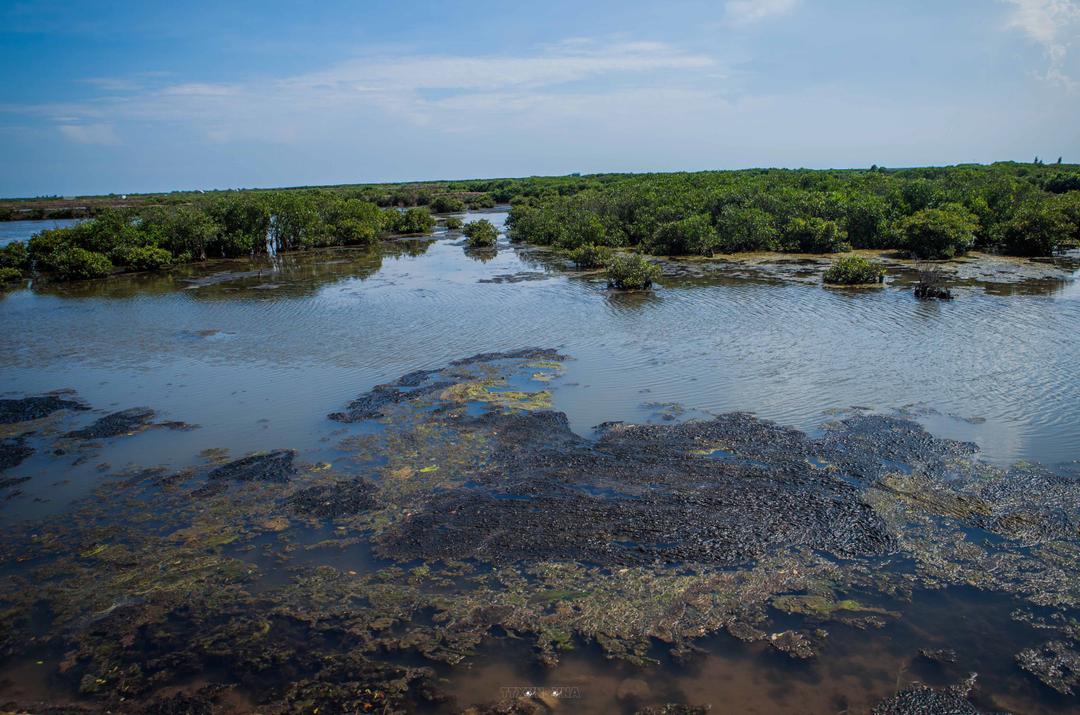
Furthermore, tourism activities are implemented harmoniously, balancing the conservation of mangrove ecosystems, alluvial plains, and biodiversity with cultural experiences and coastal community livelihoods.
The project sets targets for 2027, aiming to welcome 28,000 visitors annually, attracting at least two investors and partners to develop ecotourism services. Essential tourism infrastructure will be completed, connecting attractions into regional tourism routes. Tourism activities will create jobs for 50 local workers.
By 2030, the projected number of visitors is 80,000 annually, attracting three strategic investors, creating jobs for 200 local workers, and promoting socio-economic development in the coastal area.
Establishing three spots and four characteristic ecotourism routes
The project, implemented on an area of 7,110 hectares within the Xuan Thuy National Park, will establish three ecotourism sites: a 10-hectare administrative service centre, Con Ngan ecotourism experience site, and a botanical garden experience site.
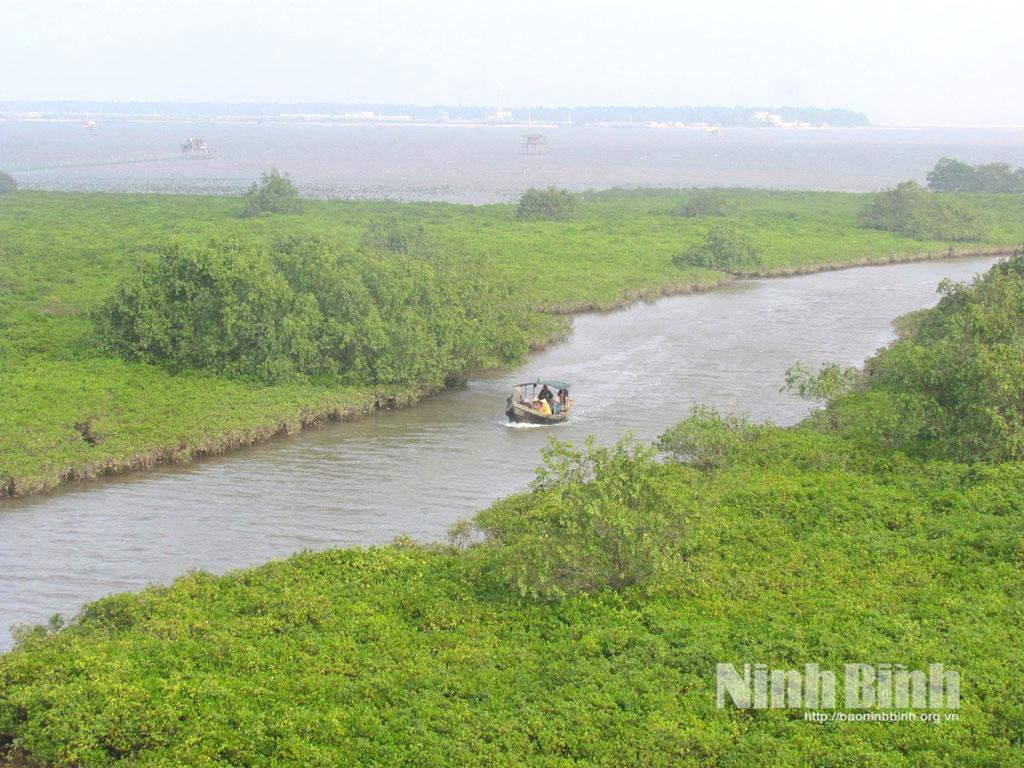
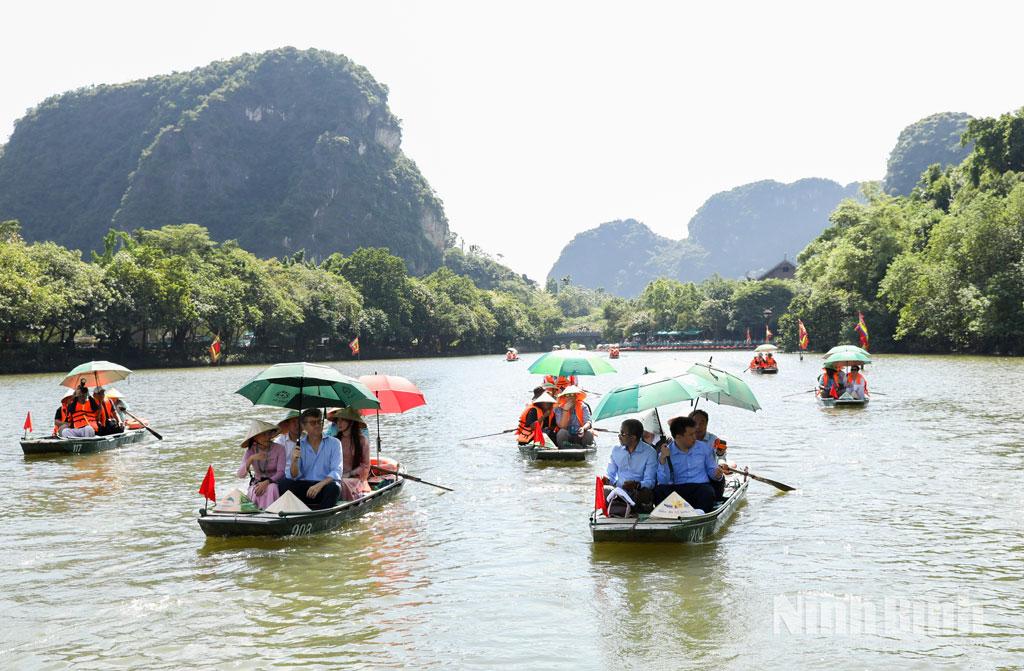
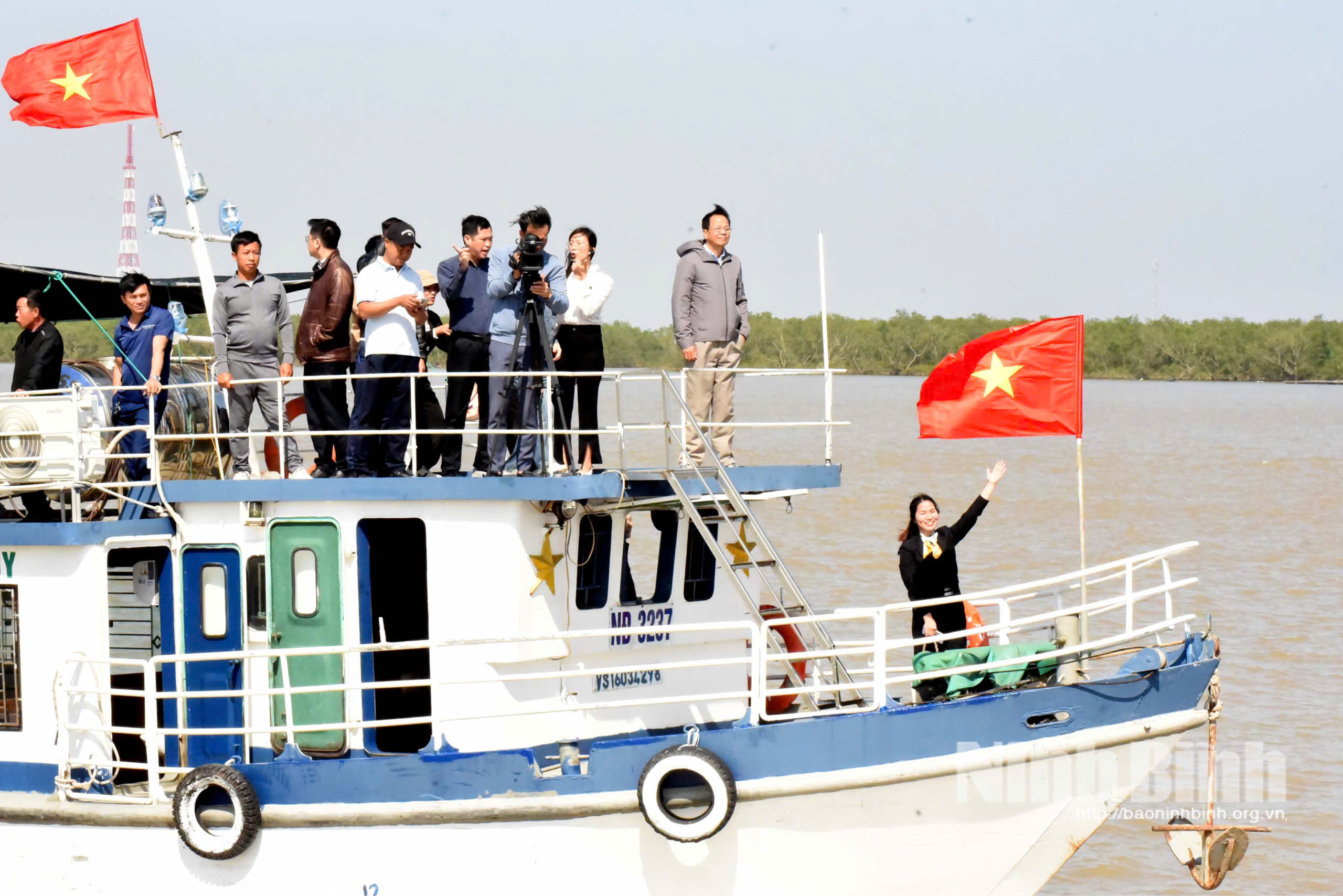
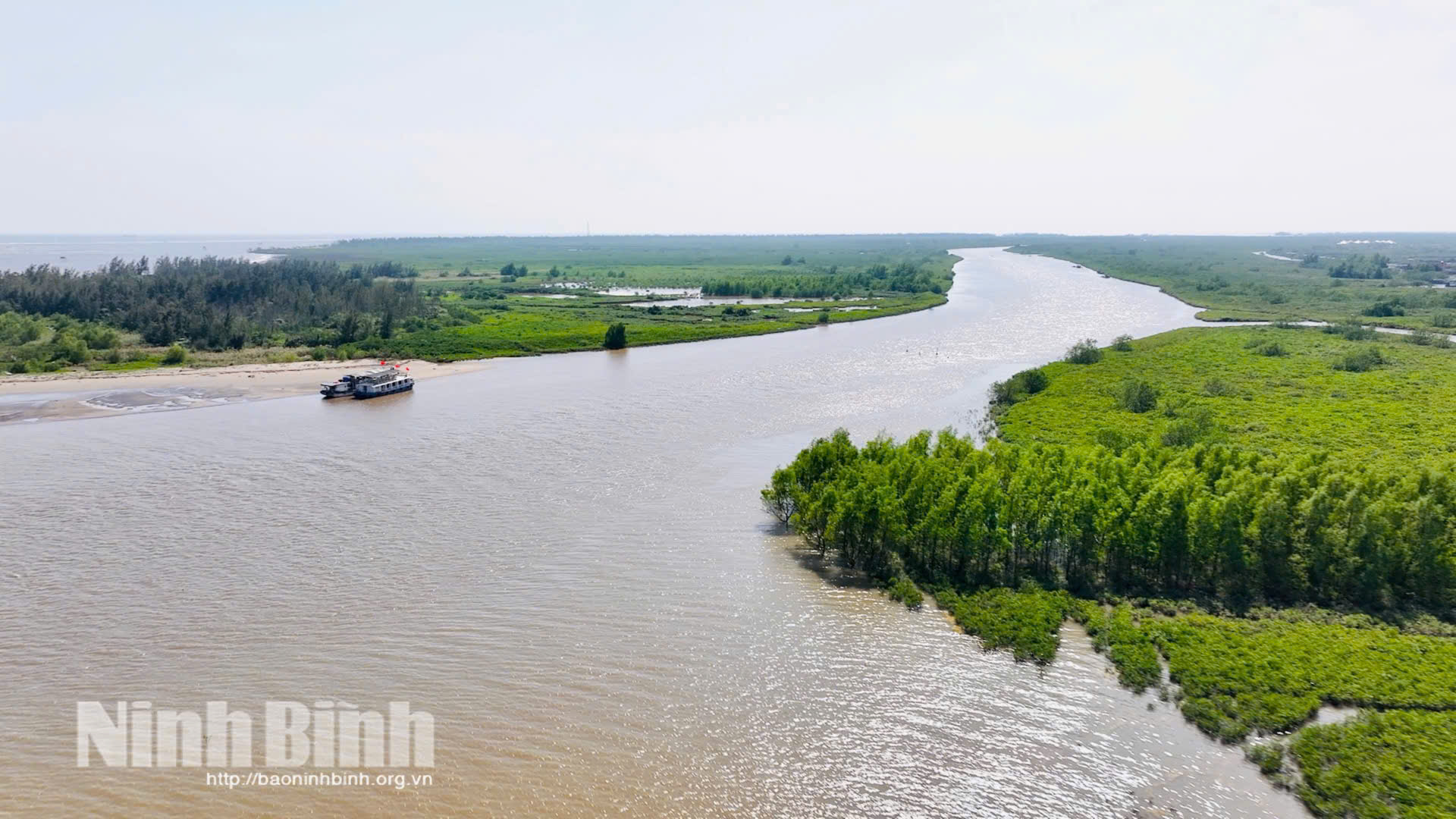
Simultaneously, four characteristic ecotourism routes will be developed: a river mouth boat tour route, a migratory bird observation route, an ecological field trip route, and a trekking and rural exploration route combined with local cultural experiences.
Currently, the Xuan Thuy National Park has developed and expanded river mouth boat tours, bird watching routes, field trip routes, and rural exploration routes to serve tourists.
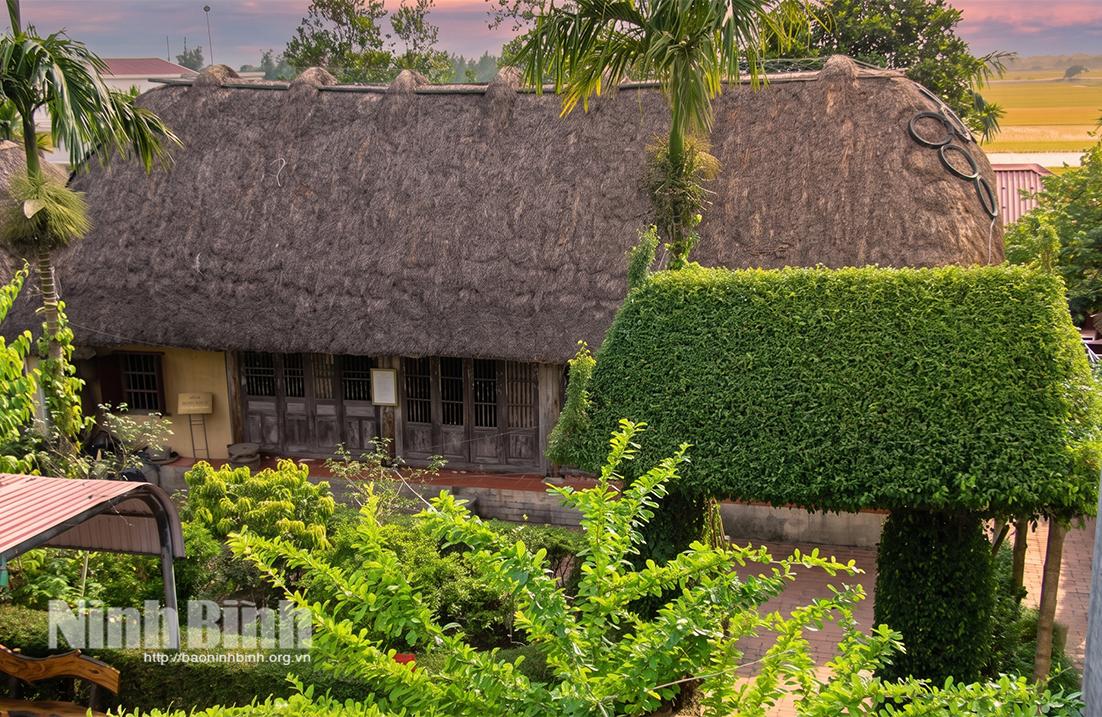
Accordingly, the bird watching route allows visitors to admire migratory birds, especially endangered and rare waterbirds. The rural tourism route explores the unique architecture and cultural life of the coastal residents of the Red River Delta.
Recently, the unit also launched a route to experience the livelihoods of local people and a route to visit and learn about mangrove forests. The number of visitors to the park is relatively stable, reaching 1,500 2,000 visitors per month during the tourist season, and approximately 4,500 visitors during the April 30 and May 1 holidays, averaging 20,000 25,000 visitors annually.
Tourism activities are organised in compliance with regulations on forest protection, nature conservation, and environmental protection.
Over more than 20 years of formation and development, the Xuan Thuy National Park has achieved many outstanding achievements in the management, conservation, and development of natural resources and the environment.
The approval of the project aims to effectively exploit the potential of coastal ecotourism, conserve the unique mangrove forest ecosystem and biodiversity value of the Xuan Thuy Ramsar site, develop a high-quality ecotourism model that integrates nature conservation, local economic development, and improves the lives of coastal communities./.