
Xuan Thuy National Park -the first Ramsar site of Vietnam as ASEAN Heritage Park
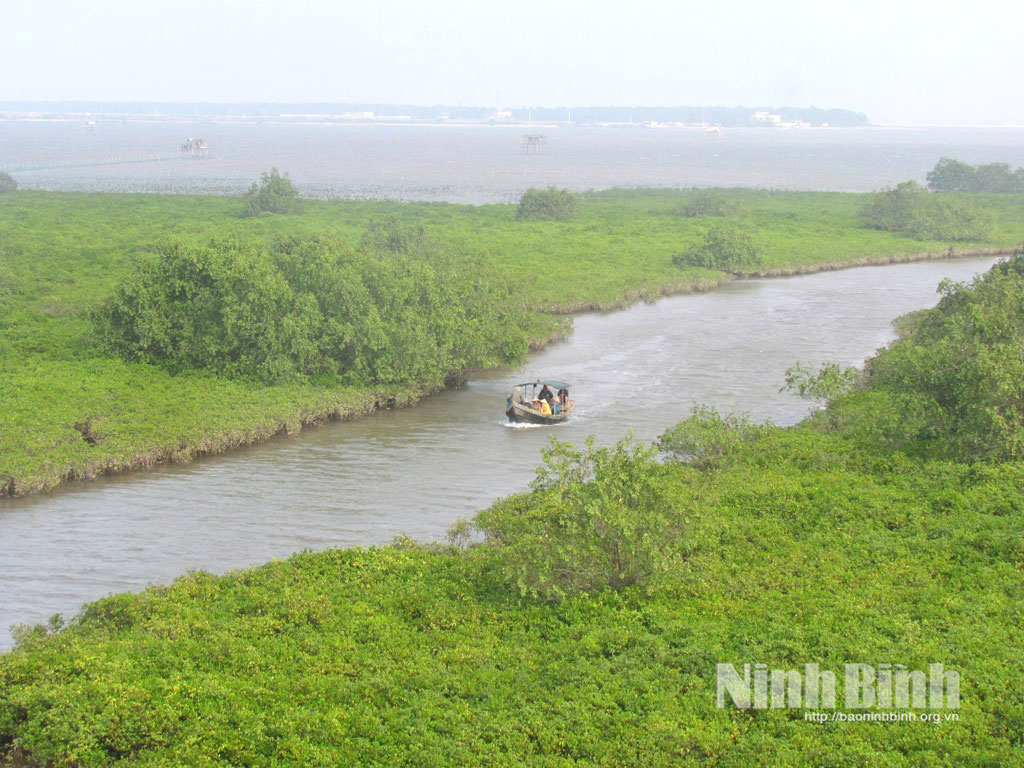
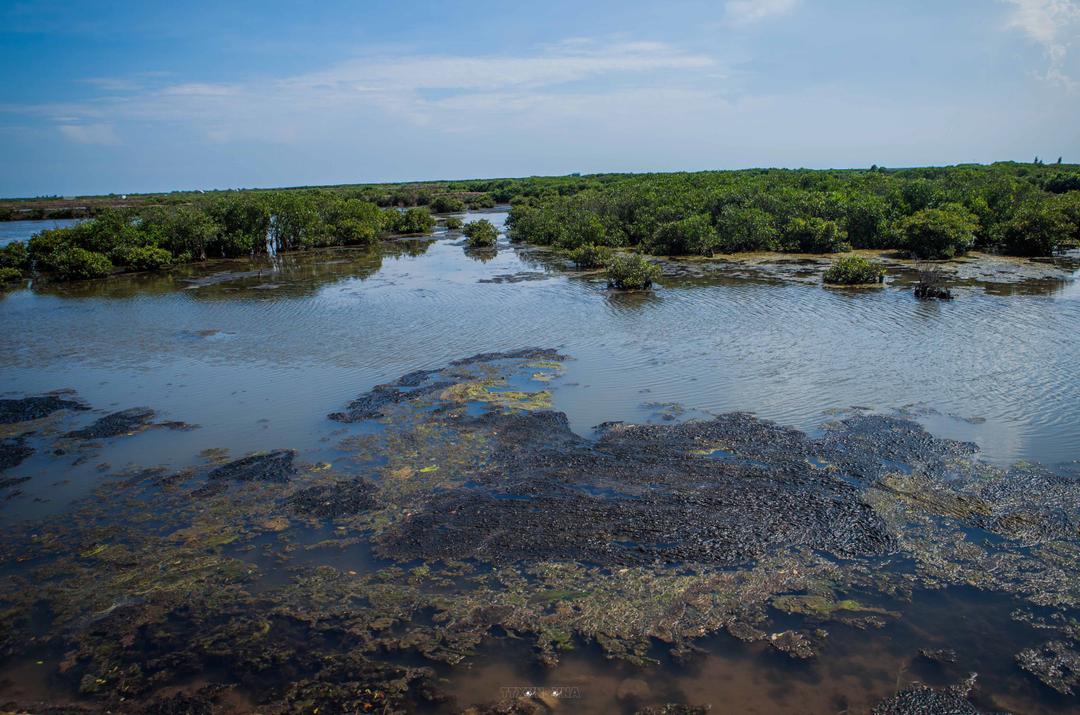
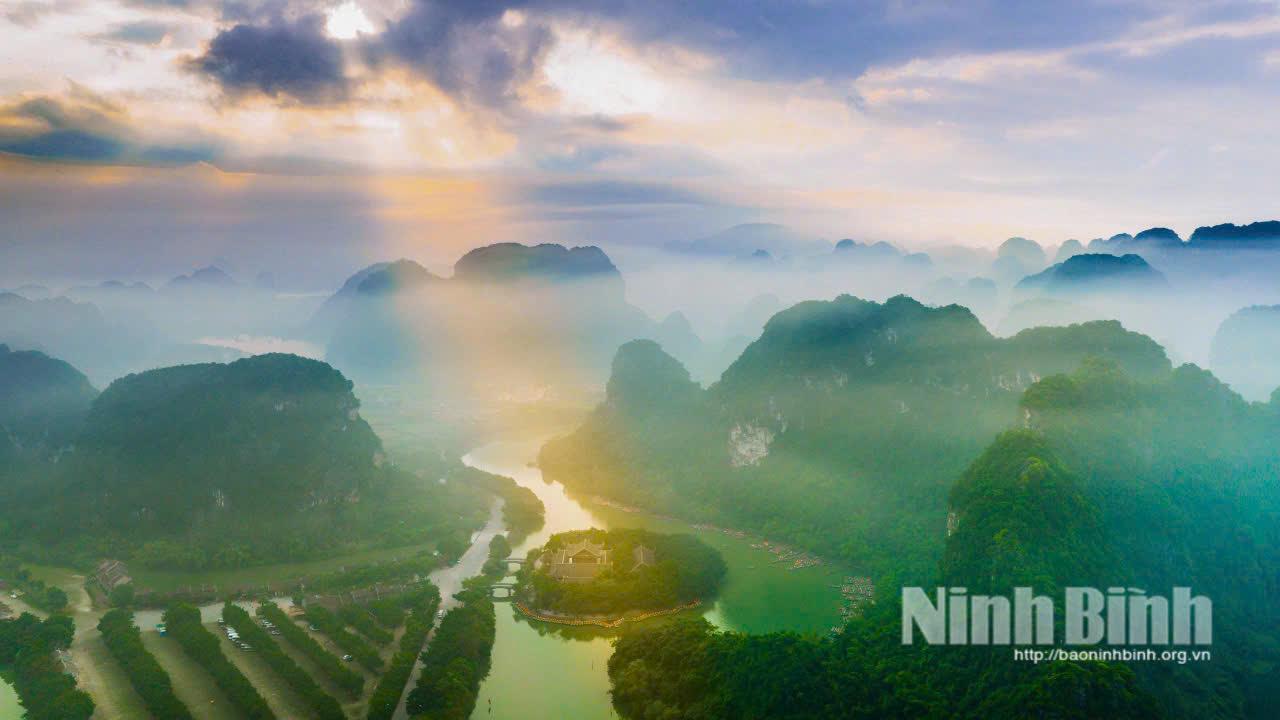
Spanning over the communes of Giao Minh, Giao Hoa and Giao Phuc, the Xuan Thuy National Park covers a total area of 7,000 hectares, comprising sand dunes, alluvial grounds, and is the first Ramsar site of Vietnam. It has a rich mangrove forest ecosystem and is home to many rare migratory bird species.
Xuan Thuy mangrove area has a diverse open ecosystem, with many rare species of organisms and animals.
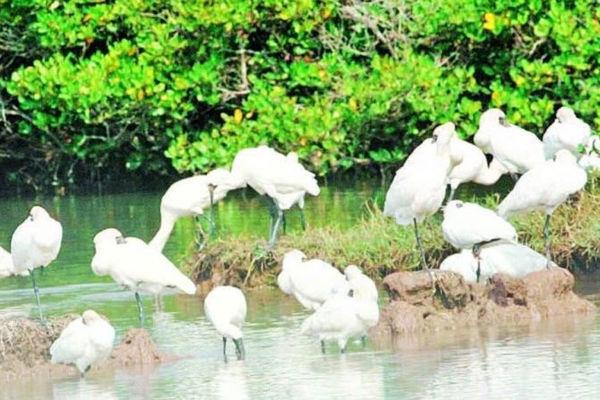
The park is home to many imigrant birds. According to surveys, the park has recorded 222 species of birds belonging to 42 families in 12 orders, including 166 species of migratory birds.
Besides, it is among six important wetlands in the North delta regions and belongs to the East Asian-Australasan Flyaway.
Notably, this place is also an important stopover and wintering place for migratory waterfowl, so the Xuan Thuy National Park is also known as "International Bird Station" or "Paradise" of birds.
Xuan Thuy is not only home of numerous species of birds but it is also a live museum of the mangrove ecosystem.
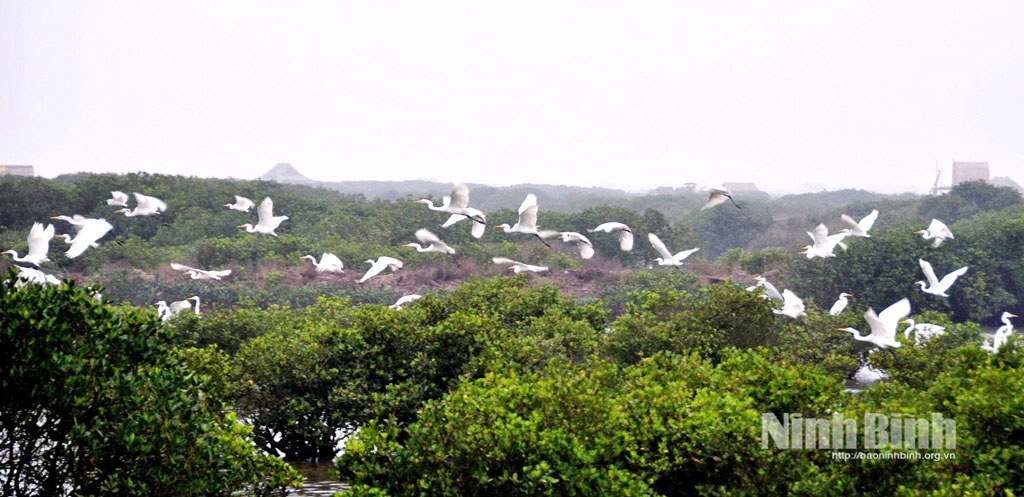
Up to 1,656 species of creatures were recorded; including 203 species of vascular plants, 155 species of fish, 358 species of invertebrates, 427 species of insects... Together with thousands species of zooplankton, reptiles, amphibians animals… Many of them are listed in the Red Book of Vietnam and IUCN, namely, catfish, horseshoe crab, spoonbill, grey heron…
The mangrove forest of the park has a diverse ecosystem with many rich aquatic species. This has created jobs and livelihoods for local people.
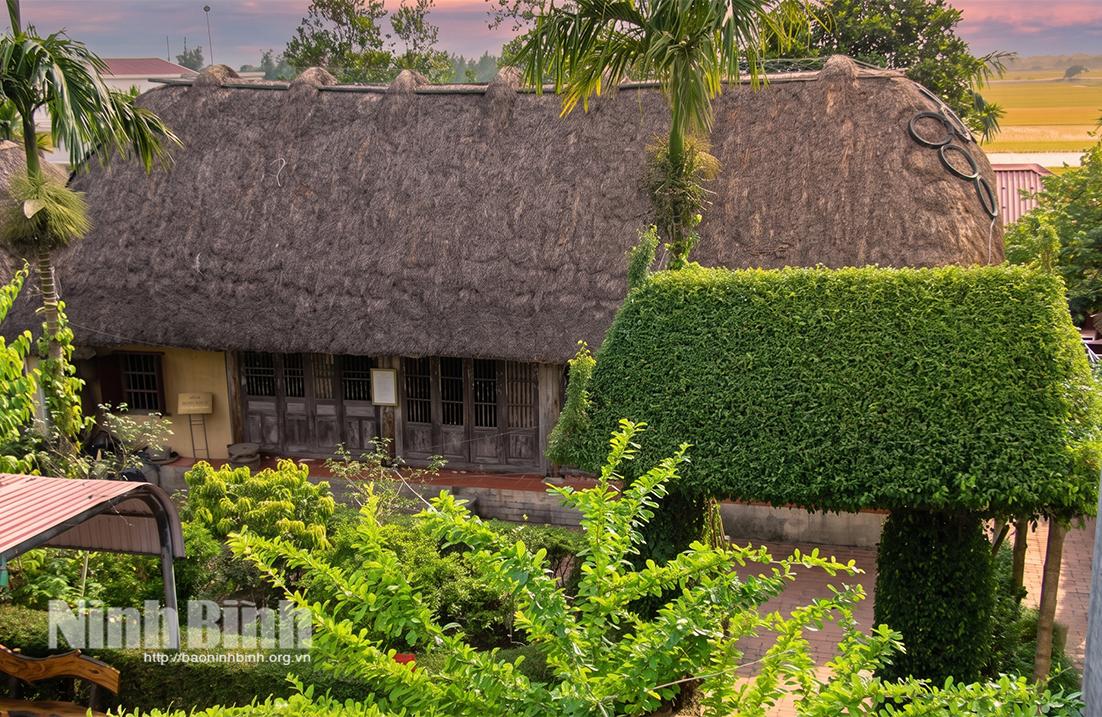
In recent years, people in the communes in the buffer zone of the Xuan Thuy National Park have taken advantage of natural conditions and mangrove forests to grow rice, expand aquaculture, and beekeeping for honey to boost economic development.
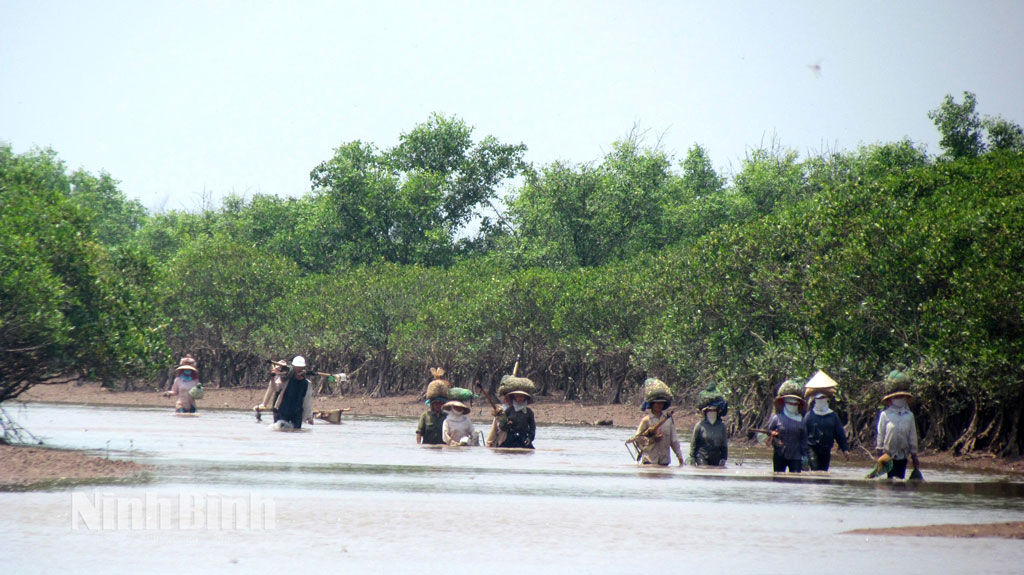
Doan Cao Cuong, Director of the Xuan Thuy National Park, said that in the past few years, we have defined that preserving and conserving mangrove forests in combination with developing sustainable livelihoods. People take benefits from forest, in turn they will be responsible for protecting forest. It is a key to develop Xuan Thuy national park sustainably.
The model of community livelihoods has improved the living standards for local people in the buffer zones while the mangrove forests become greener a proof for the harmony between people and nature.
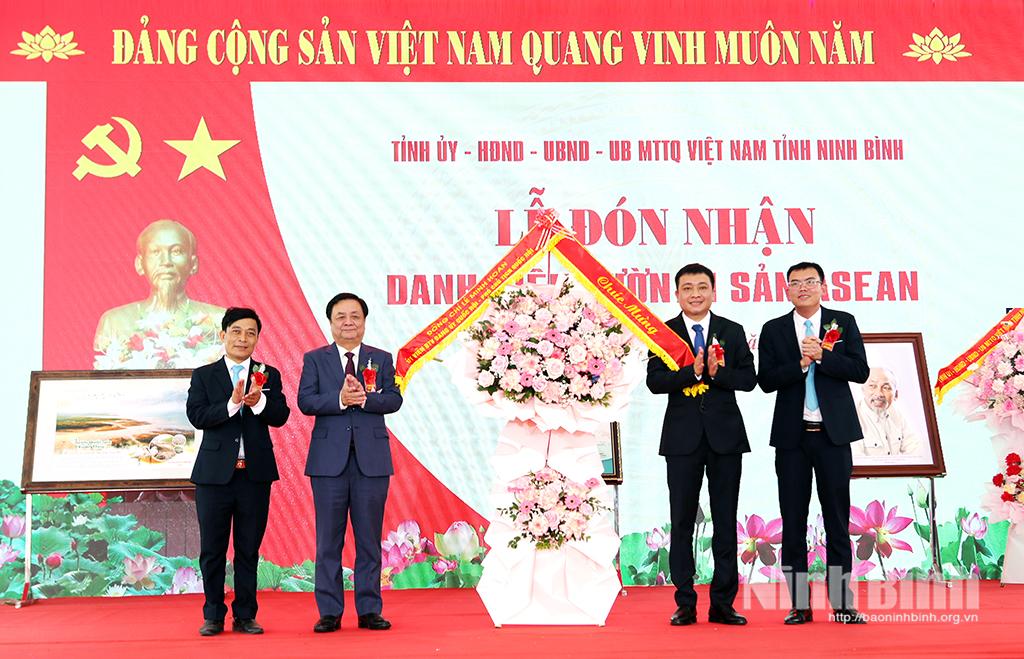
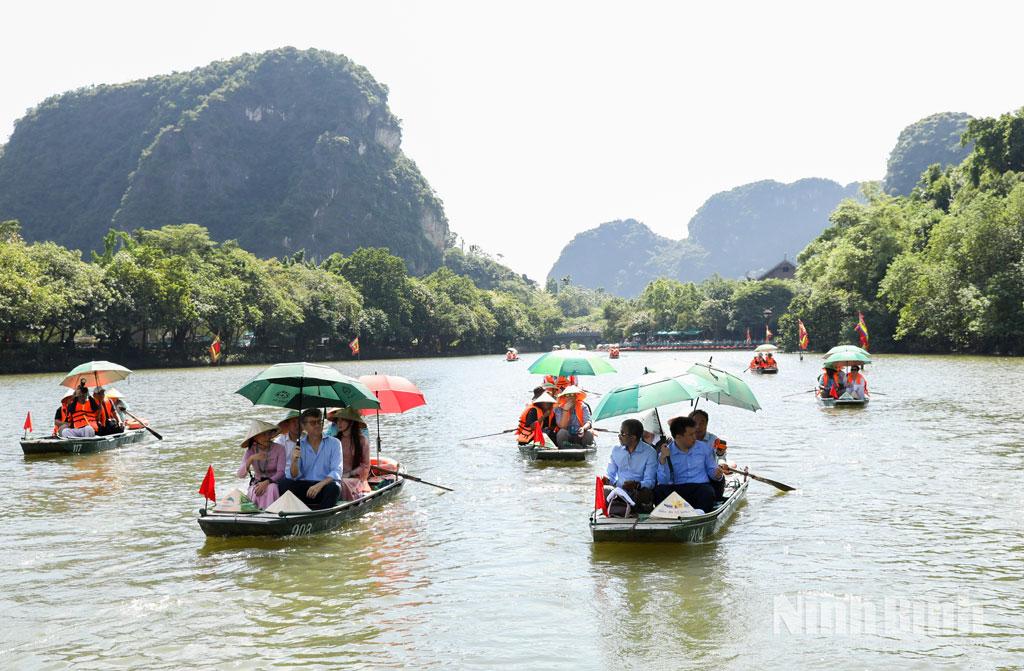
Director of the Xuan Thuy National Park Doan Cao Cuong said that the park is striving to meet the criteria to be recognised as an "ASEAN Heritage Park" in 2025, becoming an important conservation area in the region, preserving intact the wetland ecosystem in the coastal estuary area, especially endangered and rare wild animals and plants. This is also a trend to connect ASEAN world heritage in the digital age and promote Vietnamese tourism to attract domestic and international resources, contributing to promoting socio-economic development.
Tin liên quan