
Ninh Binh targets high-quality tourism, green urban development and heritage value
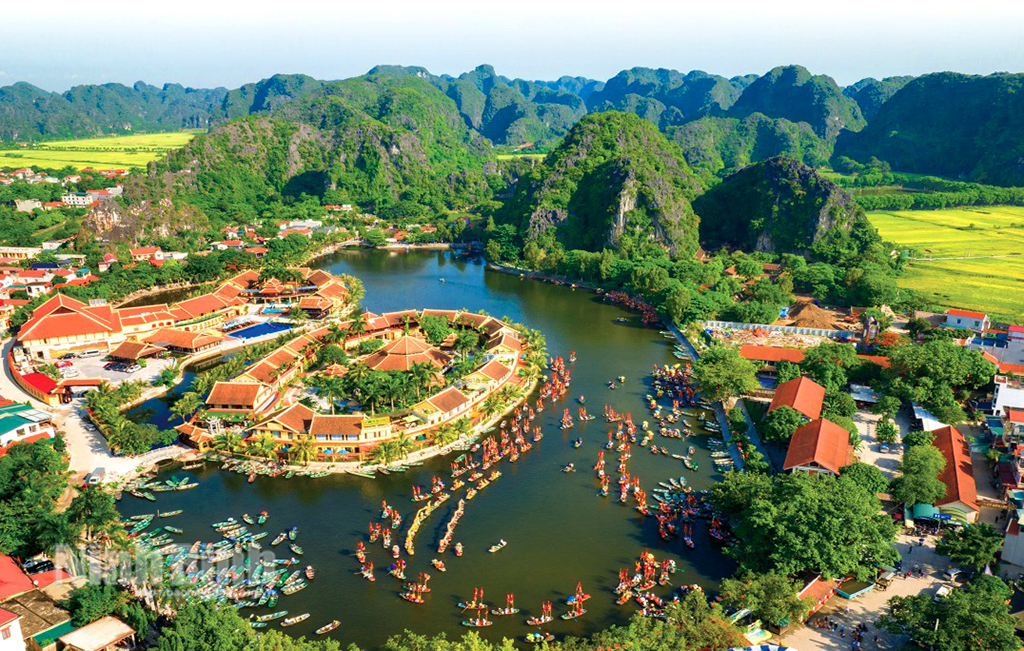
The positive results of the tourism industry in recent years, along with the Provincial Planning for the period of 2021-2030, with a vision to 2050, clearly demonstrate the political determination of the Ninh Binh Provincial Party Organisation in making tourism a key economic sector, linked to heritage preservation and improving the quality of life for the people.
Sustainable tourism development
Resolution No. 07-NQ/TU dated October 29, 2021, of the Ninh Binh Provincial Party Committee identified the development of tourism as a key economic sector as an important strategic direction for the province, and as the responsibility of the entire political system, authorities at all levels, sectors, and society as a whole.
The resolution emphasises the need to develop high-quality, sustainable tourism in a green growth direction, linked to the preservation and promotion of cultural and natural heritage values, making a significant contribution to socio-economic development and the formation of a modern economic structure.
Ninh Binh strives to become a leading tourism hub in Vietnam
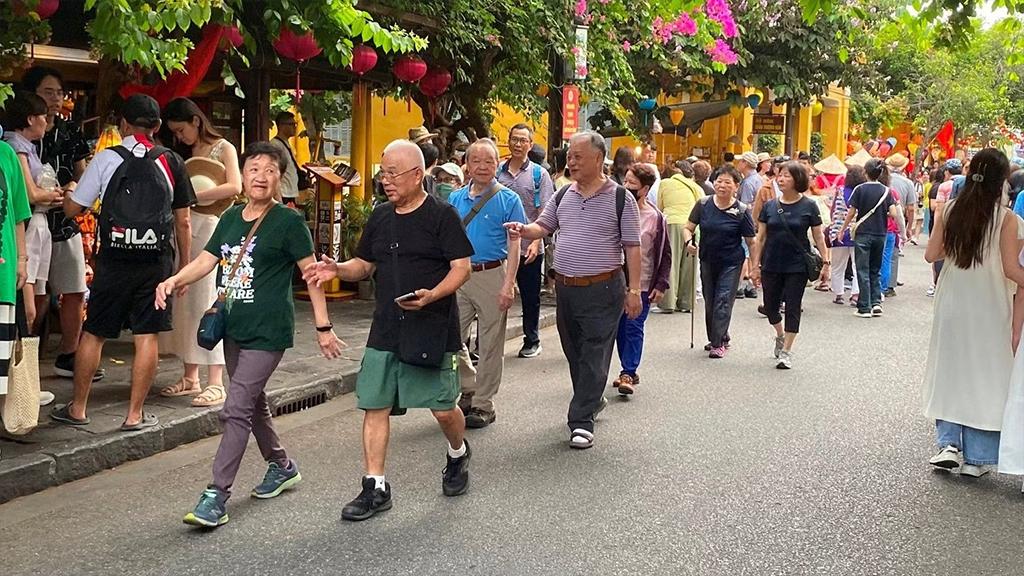
In recent years, Ninh Binh's tourism has recovered quickly and grown steadily, with both international and domestic tourists increasing, and tourism revenue gradually rising.
However, according to Standing Vice Chairman of the Provincial People's Committee Tran Song Tung, it cannot only look at the number of tourists or revenue in the short term. Developing tourism is a long-term process, not something that can be achieved in one or two terms. Effectiveness may be evident step by step, year by year, but the core is sustainability, demonstrated by protecting nature, preserving heritage, and improving service quality in every stage of the service chain.
“If we sacrifice the environment, landscape, and heritage for short-term growth, the price to pay will be enormous. Therefore, the province is committed to developing tourism in conjunction with conservation, gradually raising the quality of services, from planning and infrastructure to human resources,” he stressed.
From a management perspective, the Department of Tourism has determined that the focus for the next phase will no longer be on increasing the number of tourists, but on enhancing the added value per visitor, extending the length of stay, developing high-end, diverse, and culturally rich service products, and gradually participating in the high-spending tourism segment.
Resolution No. 07-NQ/TU identifies building green cities in conjunction with heritage conservation as one of the groundbreaking solutions for sustainable tourism development. Accordingly, urban, tourism, and transportation infrastructure projects must be placed within the overall context of landscape protection, with strict control over construction density, limitations on concrete construction, and preservation of green spaces and open areas around heritage sites and scenic spots.
Tung stated that green urban development not only aims to create a modern urban appearance, but more importantly, to ensure a healthy living environment, long-term benefits for residents, and the preservation of heritage spaces for future generations. The province is determined not to sacrifice the environment and heritage for mere economic growth.
From a business perspective, Tong Anh De, Vice Chairman of the Vietnam Green Tourism Association and General Director of Ninh Binh Legend Hotel, believed that environmental protection and improving service quality are prerequisites for developing high-end tourism. The tastes and standards of tourists, especially international visitors, are increasingly high. Service establishments must constantly update trends, innovate management methods, improve service quality, and understand the culture of each customer market.
Preserving heritage, elevating cultural values
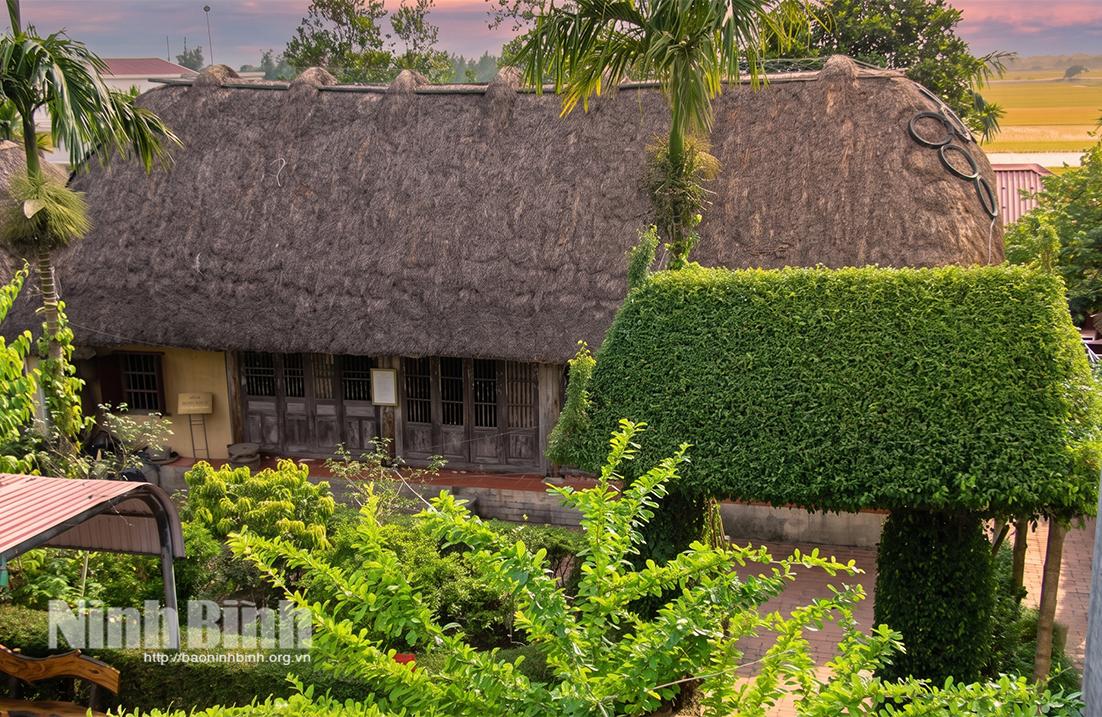
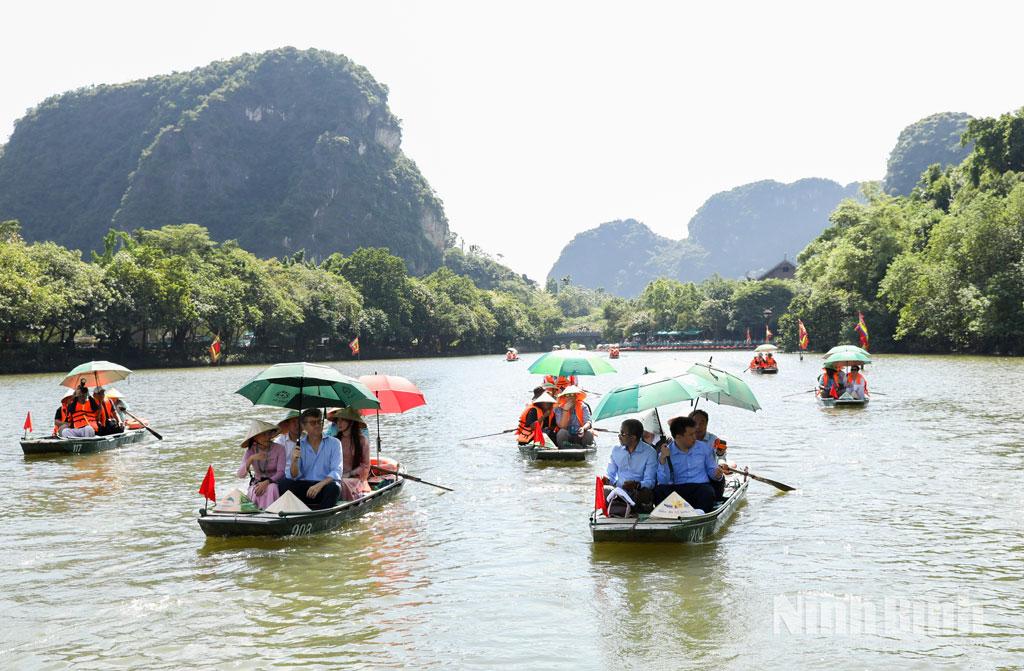
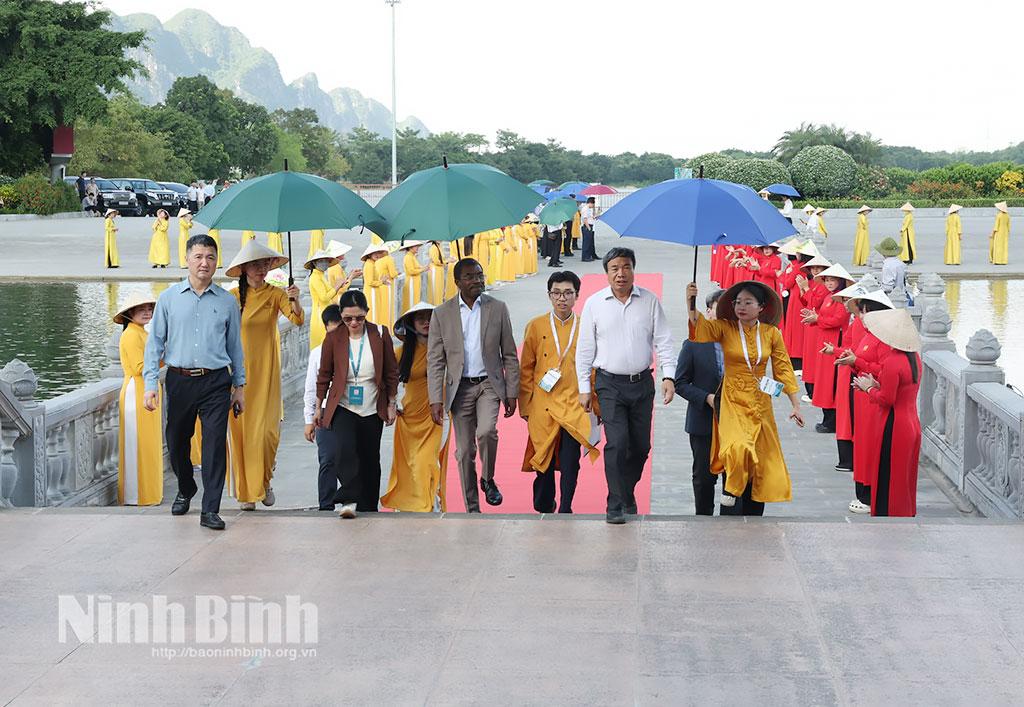
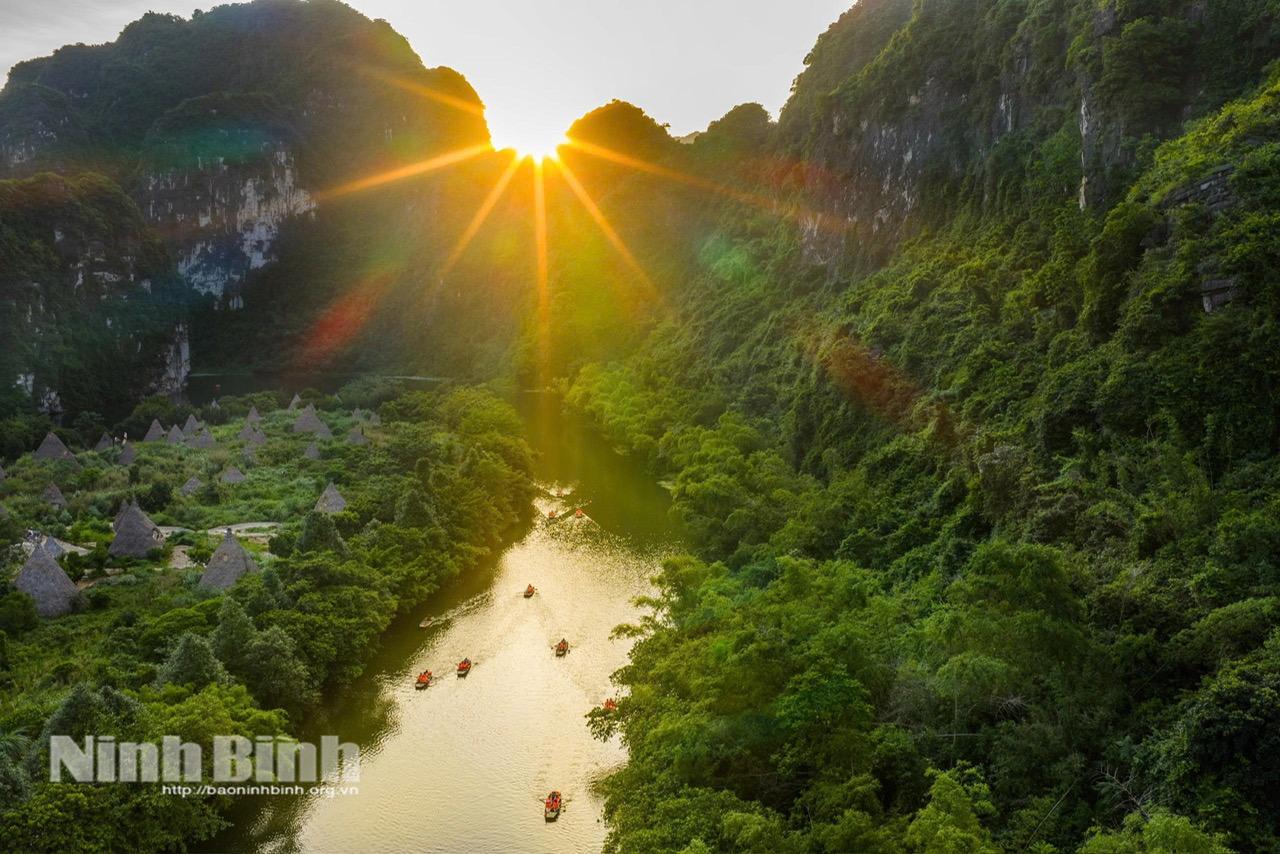
Ninh Binh possesses unique advantages in cultural and natural heritage, notably the Trang An Scenic Landscape Complex Vietnam's only mixed cultural and natural world heritage site, along with the Hoa Lu Ancient Capital, Bai Dinh Pagoda, Tam Coc-Bich Dong, and numerous traditional craft villages and festivals.
Resolution No. 07-NQ/TU emphasises the need to preserve and promote heritage values in conjunction with tourism development, considering culture as the core of all strategies. Tourism should both exploit the landscape and tell the story of history, people, and local identity in a profound way.
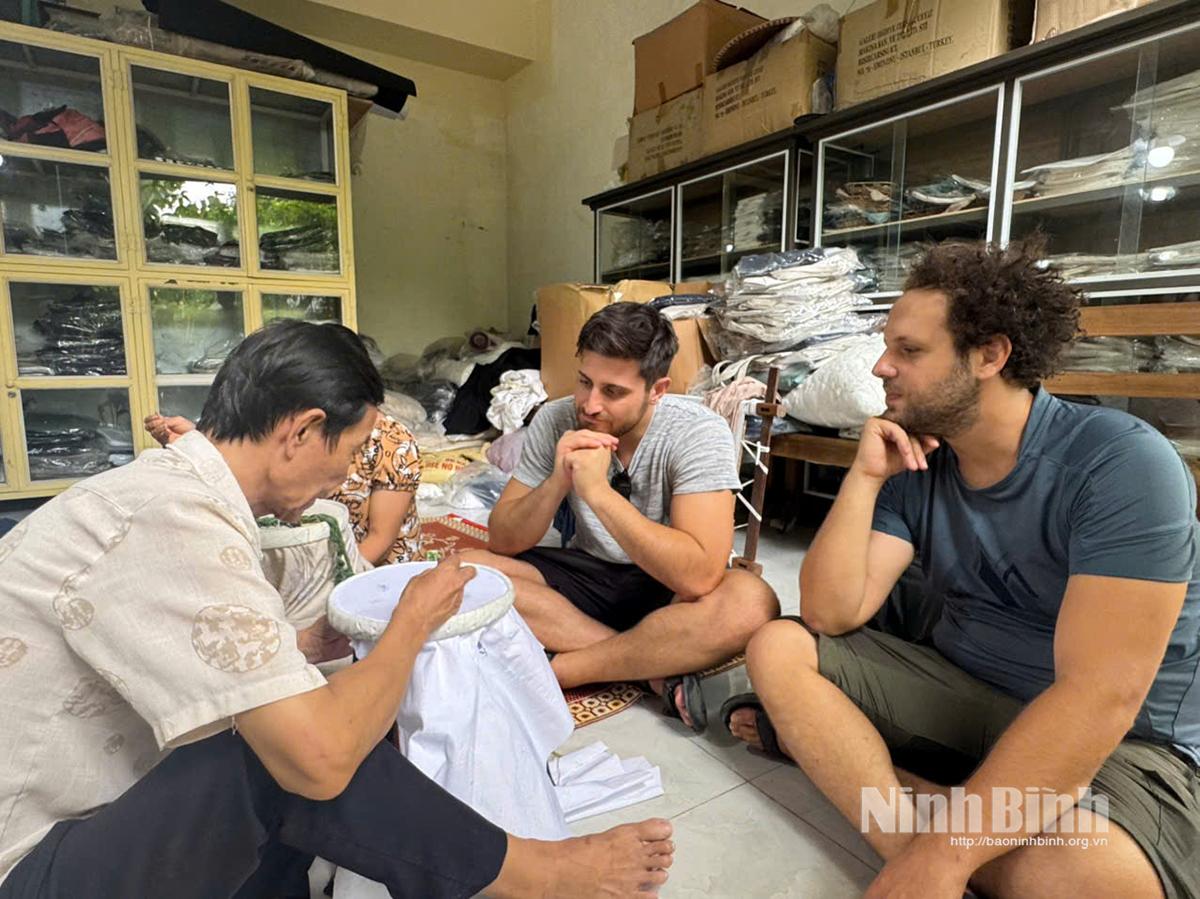
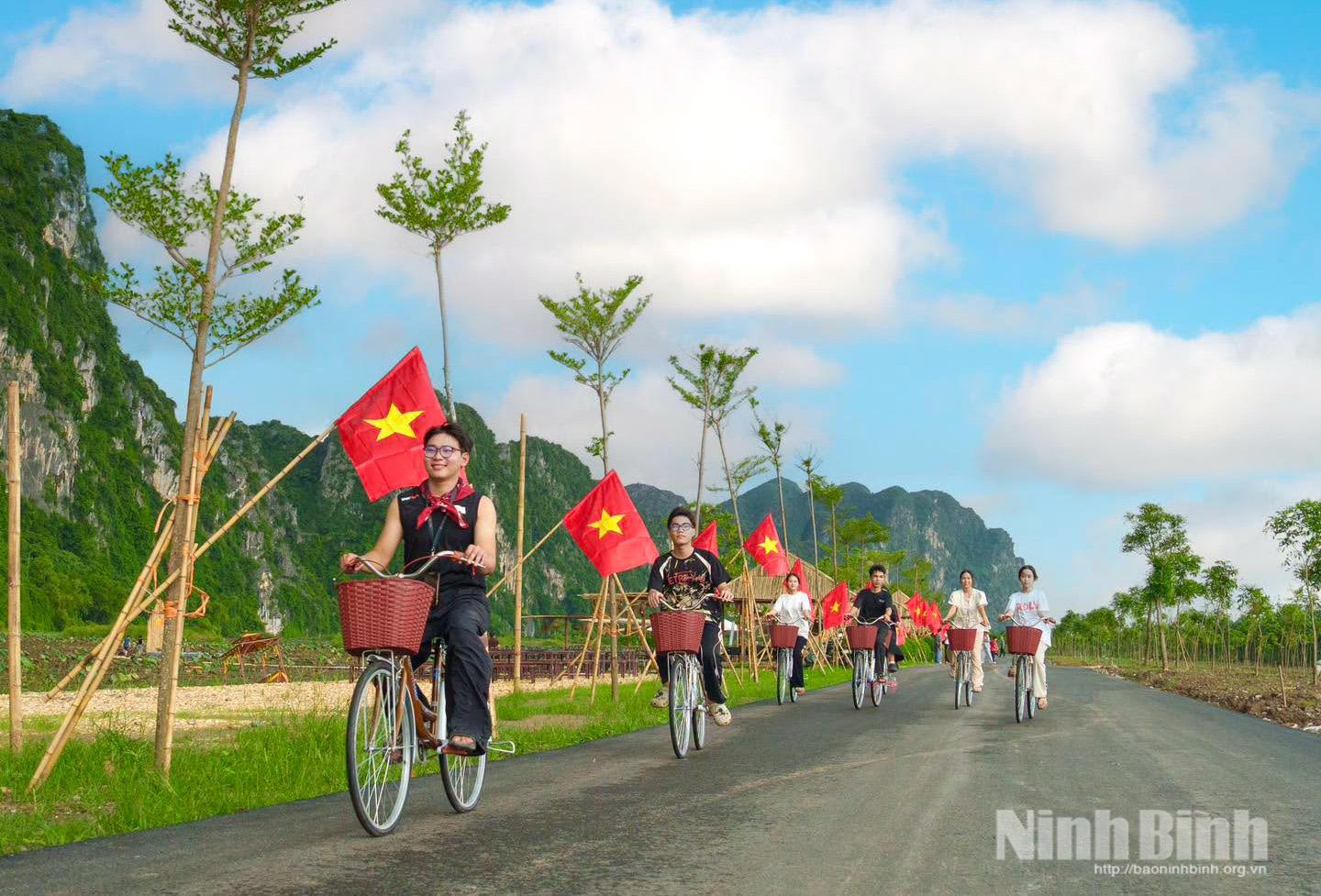
The province's tourism industry is focusing on developing products associated with cultural experiences, art, cuisine, craft villages, community tourism, and the application of digital technology in heritage interpretation, aiming to extend the length of stay and spread the benefits of tourism to the community.
Ninh Binh strives to become one of the leading tourism hubs in the country and the region, prioritising the development of high-quality tourism and building a tourism brand based on the outstanding global value of the Trang An Scenic Landscape Complex, Hoa Lu Ancient Capital, and its unique cultural heritage system. This is a consistent orientation, reflecting the long-term vision of the Provincial Party Organisation.
Creating and promoting high-quality tourism services and building a green city linked to heritage is a long-term journey, requiring strategic vision, perseverance, and strong political determination.
When the Provincial Party Organisation's orientation is concretised through comprehensive solutions, and the administration, businesses, and people participate decisively, Ninh Binh has the foundation to gradually affirm its position as a heritage city rich in identity and sustainably developing within the modern era./.
Tin liên quan