
Ninh Binh’s tourism sector speeds up, striving to fulfill yearly target ahead of schedule
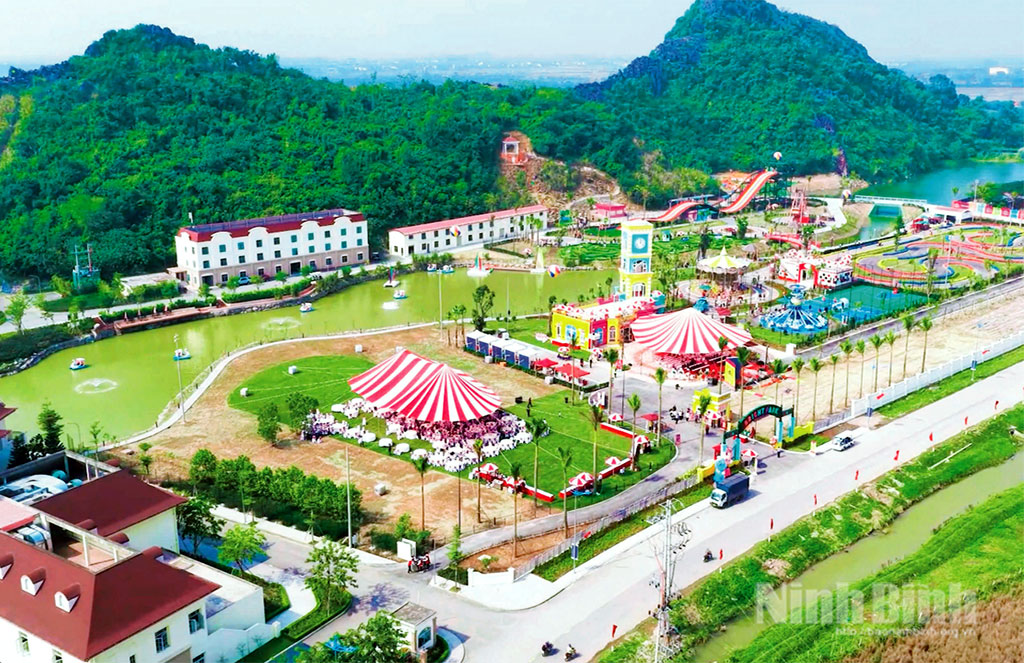
After the first seven months of 2026, Ninh Binh had received more than 18.7 million visitors, fulfilling 93.63% of its annual target. Tourism revenue reached nearly 19.35 trillion VND, equivalent to 96.74% of the year's goal. The strong performance, together with the expansion of tourism space and diversification of tourism products, has positioned the sector to achieve and potentially surpass its annual targets ahead of schedule.
Expanding space, diversifying tourism products
According to provincial statistics, Ninh Binh welcomed more than 18.72 million visitors between January and July, up 23.34% year-on-year, including over 2 million international tourists. Tourism revenue rose 21.8% to nearly 19.35 trillion VND, while overnight stays at accommodation establishments reached more than 3.745 million, an increase of 28.6%.
The provincial Statistics Office attributed the positive results to the expansion of tourism products, destination development, and promotional campaigns, which have helped attract more visitors while boosting accommodation and food service revenues.
Travel companies have also continued to innovate their tour programmes, strengthen destination connectivity and develop products tailored to different market segments.
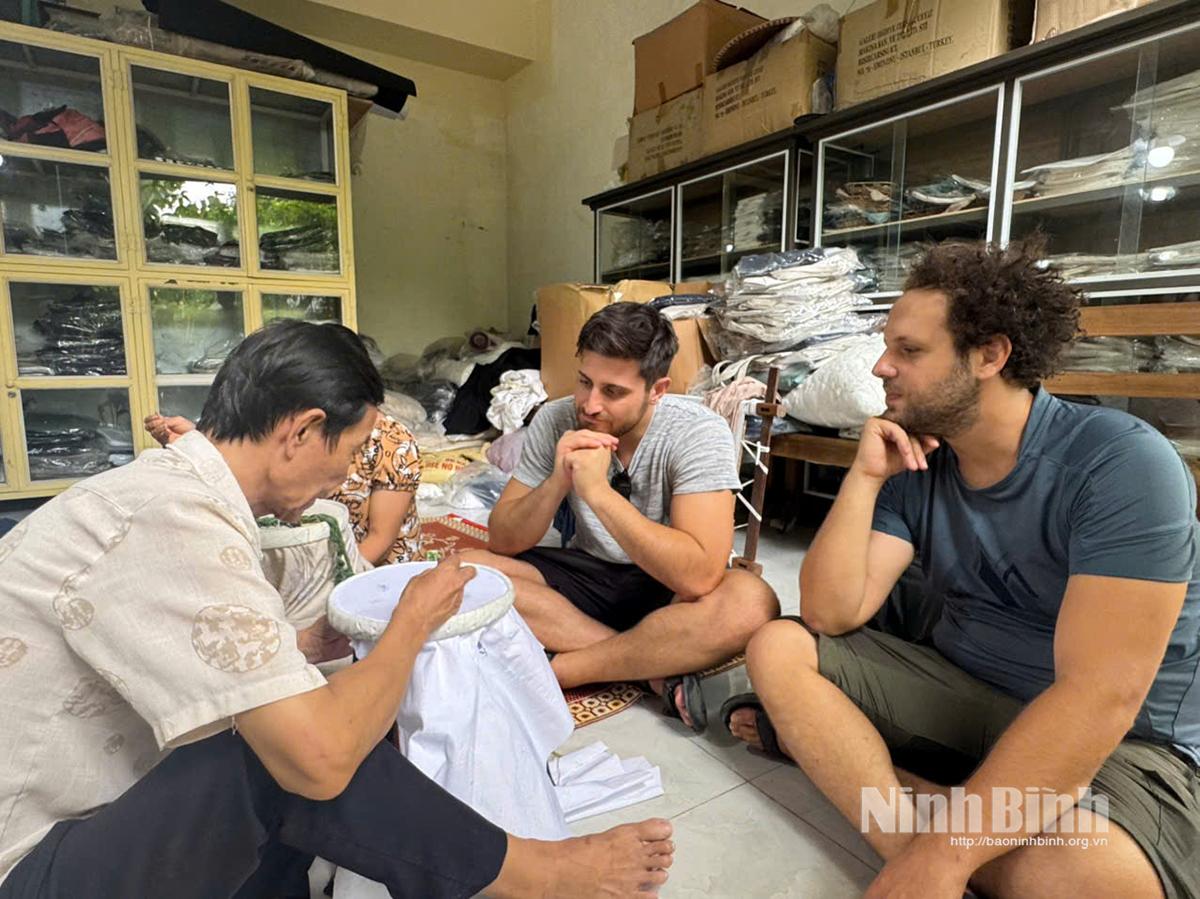
Capitalising on its diverse tourism resources spanning heritage, cultural and spiritual attractions, ecological sites, resorts and coastal areas, Ninh Binh has developed a broader range of tourism products, including golf courses, high-end resorts, traditional craft villages and coastal tourism destinations.
The integration of different tourism products has created more travel options, encouraged longer visitor stays and increased spending. Among the province's emerging products, golf tourism has been identified as having strong potential to attract international travellers and high-spending visitors.
The province is now home to four golf courses, which are being developed as integrated tourism destinations combining sports, accommodation, wellness, dining and entertainment, in line with the growing demand for multi-experience travel.
Legend Valley Country Club is considered a typical example of this integrated development model.
Hoang Manh Quan, a representative of the investor of Legend Valley Country Club, said the combination of golf with accommodation, dining, resort services and entertainment had already produced encouraging results.
Legend Valley Hotel served more than 20,000 guests, with visitor numbers increasing by 223% and revenue rising by 22% compared with the previous year. Room occupancy also increased by 18% from 2025.
The company plans to further cooperate with tourism destinations across the province to develop multi-experience itineraries combining golf, leisure, entertainment, heritage exploration and local cultural experiences.
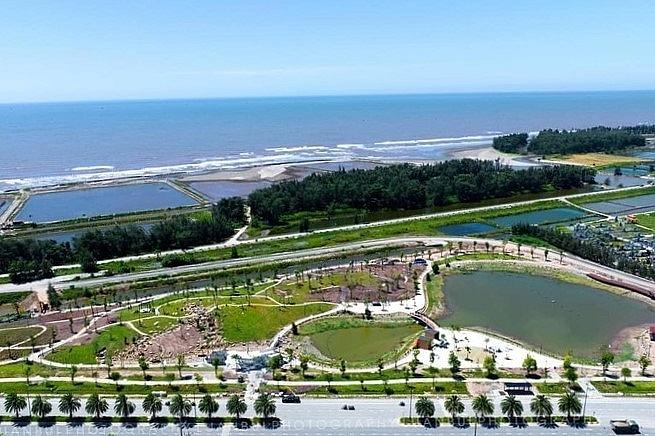
Alongside golf and resort tourism, Ninh Binh's coastal area is emerging as another growth driver. In July, the province introduced the brand identity for the Giao Ninh Tourism Area and a community-based tourism product portfolio for coastal communes, while launching the Thinh Long Quan Anh Hanh Thien Giao Ninh tourism route.
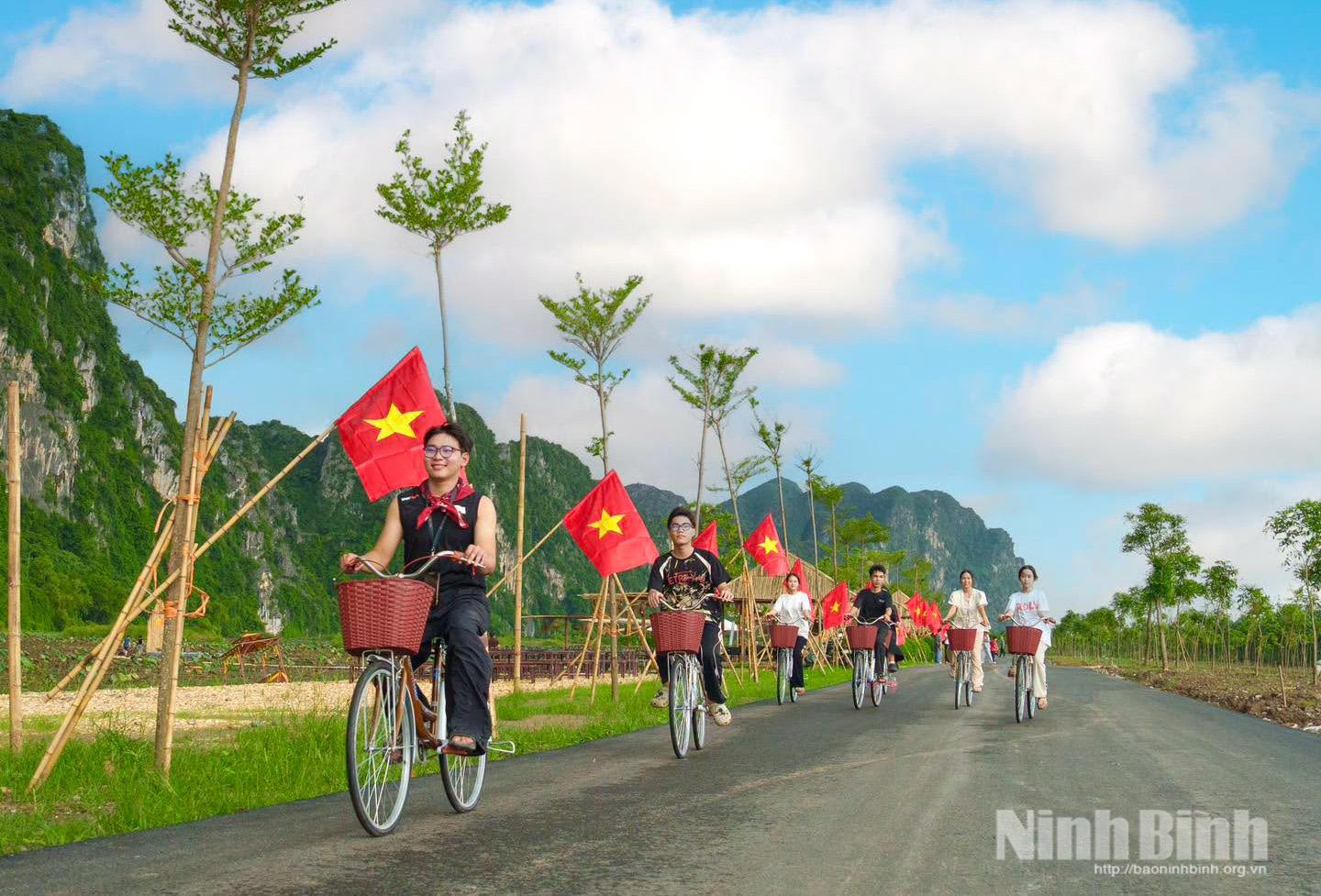
The new route links beaches with traditional villages, historical sites, cultural activities and community life. Events such as stilt-walking festivals, kite festivals, local cuisine showcases, OCOP product exhibitions and coastal tourism surveys have enriched visitor experiences while creating new business opportunities for local residents.
Xuan Thuy National Park, Hai Ly Coastal Church, together with traditional craft villages, festivals and coastal ecosystems, provide valuable resources for further developing tourism routes in the area.
The emergence of golf, resort, entertainment, coastal and community-based tourism demonstrates the province's transition from promoting individual destinations to developing integrated tourism circuits and comprehensive travel programmes. The approach is expected to attract new visitor segments, reduce seasonality and increase tourism's economic value.
Maintaining growth momentum in year-end months
Despite achieving more than 90% of its annual targets within the first seven months, the province is now focusing on improving the quality of tourism growth during the remainder of the year. The rapid increase in visitor numbers needs to be accompanied by longer stays, higher visitor spending and continued improvements in service quality across tourism destinations.
Bui Van Manh, Director of the provincial Department of Tourism, said that while continuing to strengthen heritage, cultural, spiritual and eco-tourism, the province would prioritise the development of coastal tourism, golf, resorts, entertainment and other high-quality tourism services.
Tourism routes connecting the Trang An heritage core area with Tam Chuc Kim Bang, golf courses, resorts and coastal destinations are expected to enable travel companies to develop longer itineraries instead of predominantly short sightseeing tours.
For the coastal region, the tourism sector will continue implementing its 2026 2030 coastal tourism development plan, assess tourism products and complete procedures for recognising Xuan Thuy National Park and Hai Ly Coastal Church as official tourism sites.
At the same time, promotional activities will be intensified with market-specific strategies targeting visitors who tend to stay longer and spend more on high-quality services.
According to Duong Thi Thanh, Chairwoman of the Ninh Binh Tourism Association, the association will continue encouraging tourism businesses to implement the VITA GREEN criteria, develop products linked to heritage, ecology and community culture, and strengthen cooperation among travel agencies, accommodation providers and tourism destinations.
Based on the results achieved during the first seven months, the province is confident of meeting and surpassing its annual targets of welcoming around 20 million visitors, including approximately 3 million international arrivals, while generating about 20 trillion VND in tourism revenue.
Beyond the impressive figures, the targets reflect Ninh Binh's broader transition from extensive growth towards higher-quality, more sustainable and competitive tourism development, reinforcing the sector's role as one of the province's key economic drivers./.