
Ninh Binh steps up sustainable heritage conservation and promotion
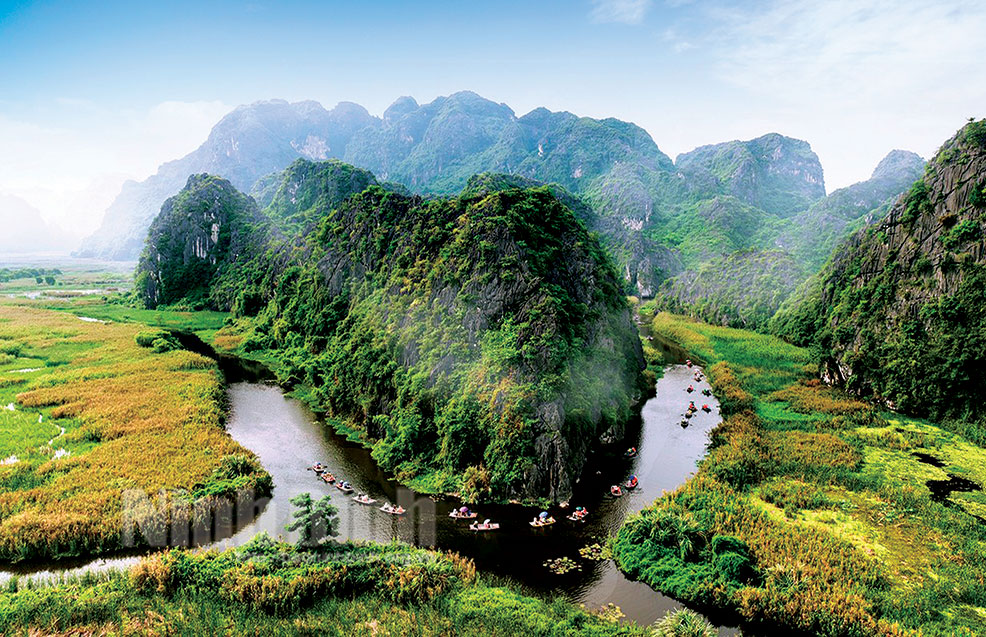
According to scientists, the Van Long - Kim Bang - Tam Chuc area possesses exceptional values in tropical karst geology and geomorphology, biodiversity, natural landscapes, archaeology, history and culture.
The Van Long Wetland Nature Reserve in Ninh Binh is home to a rich variety of rare and endemic flora and fauna, including the world's largest known population of the critically endangered Delacour's langur (Trachypithecus delacouri), one of the world's rarest endemic primates. The reserve therefore plays a vital role in global biodiversity conservation.
The unique combination of outstanding natural, biological and cultural values has created the area's distinctive heritage significance while providing an important basis for further research to fully identify its Outstanding Universal Value. This will serve as the scientific foundation for preparing a nomination dossier in line with UNESCO's criteria and requirements.
Advancing global biodiversity conservation
The Prime Minister has approved the preparation of a nomination dossier for the Van Long Kim Bang Tam Chuc Delacour's Langur Cultural and Ecological Landscape for consideration as a UNESCO World Heritage Site. The UNESCO World Heritage Centre has also included the property on the World Heritage Tentative List under the 1972 World Heritage Convention.
The milestone provides an important foundation for Ninh Binh to continue working with ministries, relevant localities, international organisations and scientists to complete the nomination dossier for submission to UNESCO.
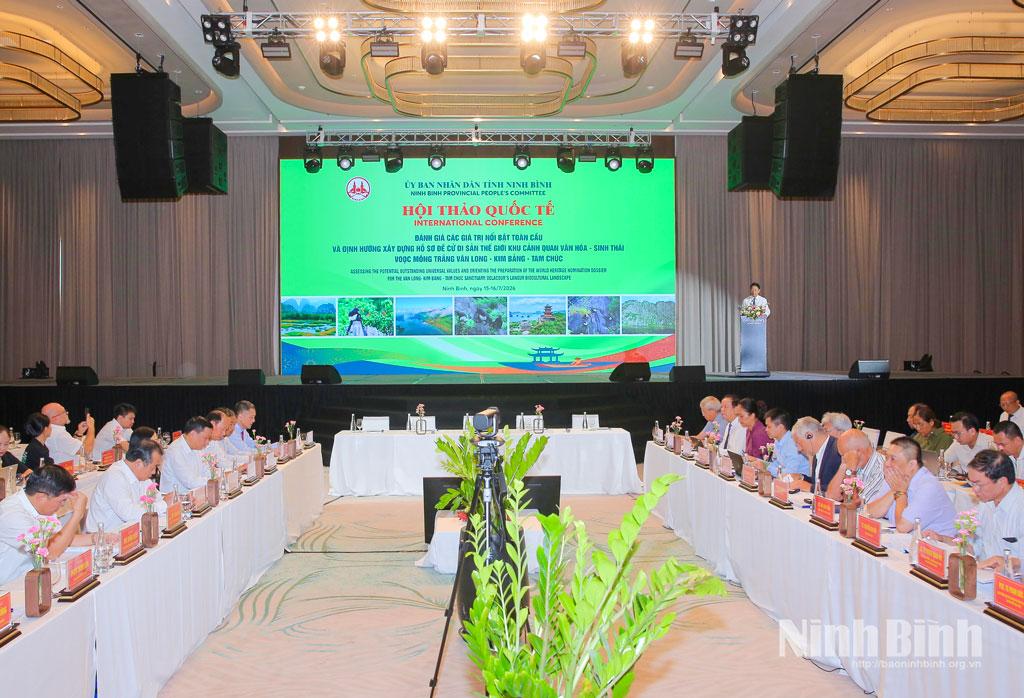
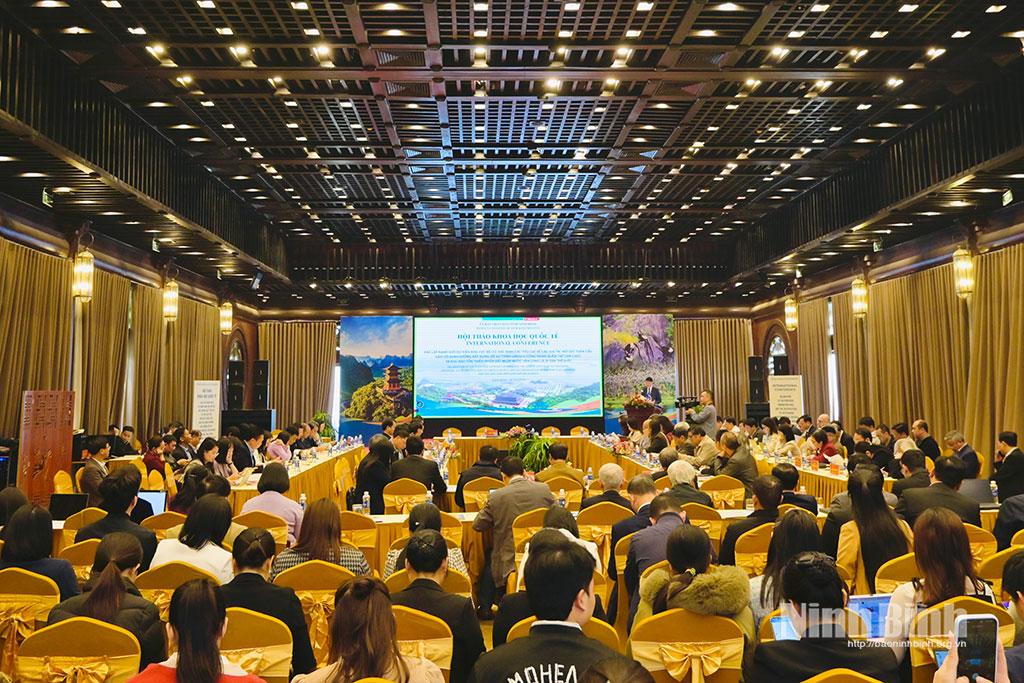
Bui Van Manh, Director of the provincial Department of Tourism, said Ninh Binh has organised a series of domestic and international scientific workshops involving leading experts and researchers to exchange research findings, receive independent scientific assessments and learn from international experience.
The consultations have helped the province gather valuable recommendations and strengthen the scientific basis for refining the nomination dossier in accordance with the provisions of the 1972 World Heritage Convention, he said.
Strengthening scientific foundation
Experts stressed that a successful World Heritage nomination should be built upon three key pillars: demonstrating the site's outstanding values and integrity, establishing a long-term conservation and management plan, and ensuring compliance with UNESCO's nomination requirements.
Researchers presented updated scientific evidence highlighting the area's exceptional biodiversity and confirmed that Van Long Kim Bang Tam Chuc remains an important centre of evolutionary processes associated with limestone ecosystems. The landscape provides critical habitats for numerous rare and endemic species, particularly the globally significant population of Delacour's langur.
Scientists also noted that the area is significant not only for its biodiversity, geology and geomorphology but also for illustrating the long-standing relationship between humans and nature.
Professor Dr Nguyen Van Kim, Vice Chairman of the National Council for Cultural Heritage and a member of the UNESCO World Heritage Committee, emphasised the need to build a solid scientific foundation for the nomination. He said the dossier should clearly demonstrate the natural characteristics of the heritage landscape, the distinctive limestone mountain systems and forests, the ecological connectivity across the area, and the harmonious relationship between local communities and the natural environment.
It should also highlight the richness of the ecosystem and the exceptional diversity of rare and endemic plant and animal species that contribute to the global significance of Ninh Binh's heritage landscape, he added.
Standing Vice Chairman of the Ninh Binh Provincial People's Committee Tran Song Tung said the province remains committed to placing heritage at the centre of development, viewing culture as an endogenous driving force, nature as the foundation for development, and people as the focus of all conservation policies.
He said the province aims to transform heritage into a strategic resource for socio-economic development, improve local livelihoods and promote the image of Vietnam to the international community. The approach also supports Ninh Binh's goal of becoming a centrally governed city by 2030 with the identity of a millennium heritage city and a creative city that balances economic growth with environmental protection.
The province will continue investing in biodiversity conservation, ecosystem protection and cultural preservation while strengthening management capacity and encouraging greater participation from local communities to ensure that heritage values become a lasting driver of sustainable development./.
Tin liên quan
Tin cùng chuyên mục
Muong Lo Festival 2026 opens with grand Xoe dance performance
Preserving traditional sedge-thatch houses in Ninh Binh