

Preserving traditional sedge-thatch houses in Ninh Binh
A distinctive coastal architectural tradition
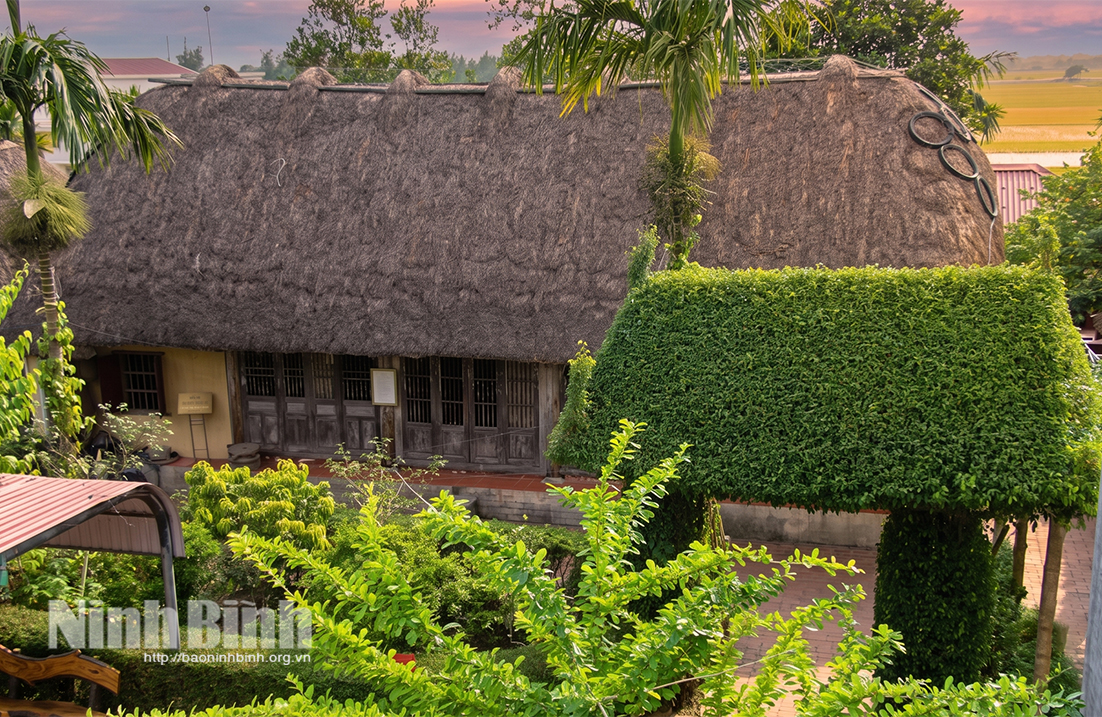
In several coastal communities across the province, including Quy Nhat, Hai Thinh, Lai Thanh, Kim Dong and Binh Minh, a number of families continue to maintain and live in traditional sedge-thatch houses.
While straw and rice stalks were commonly used for roofing in other rural areas, sedge became a distinctive building material in certain coastal and reclaimed-land communities, giving rise to a unique local architectural tradition.

Ngo Gia Thoang, owner of a sedge-thatch house built in 1978 in Quy Nhat commune, explained that sedge thrives in saline and brackish soils along the coast. After harvesting, farmers carefully sort the plants according to their size and quality. Straight stalks measuring between 1.5 and 1.6 metres are selected for traditional mat weaving, while thicker, shorter or lower-grade sedge is cut, dried along field embankments and used for roofing.
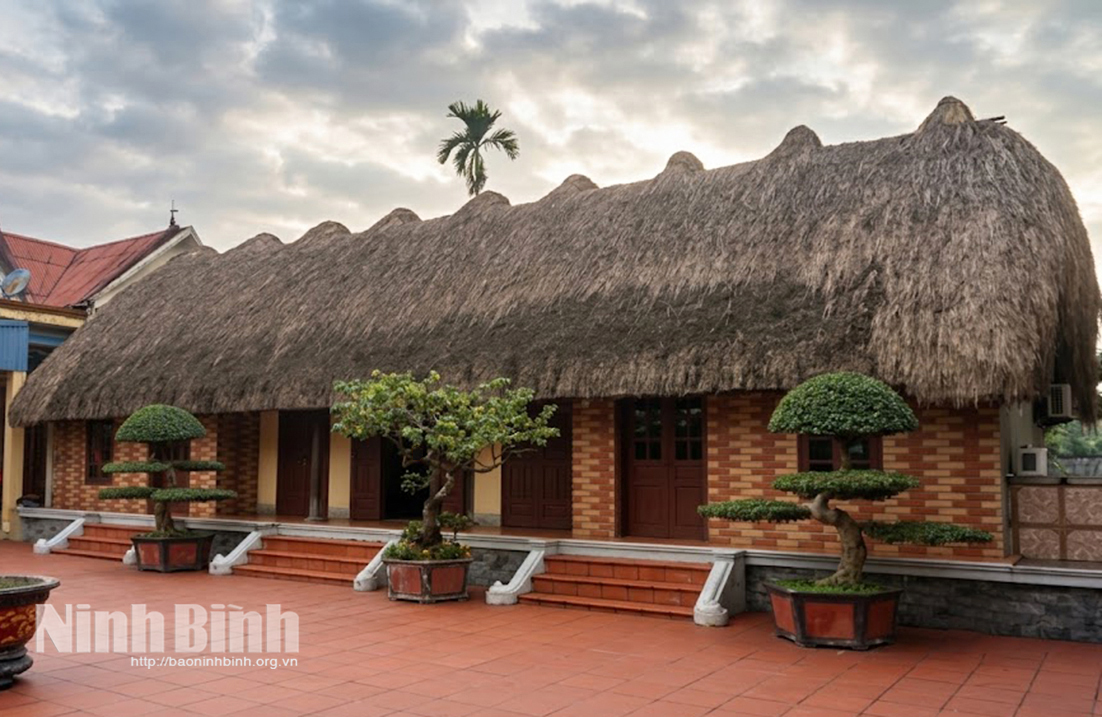
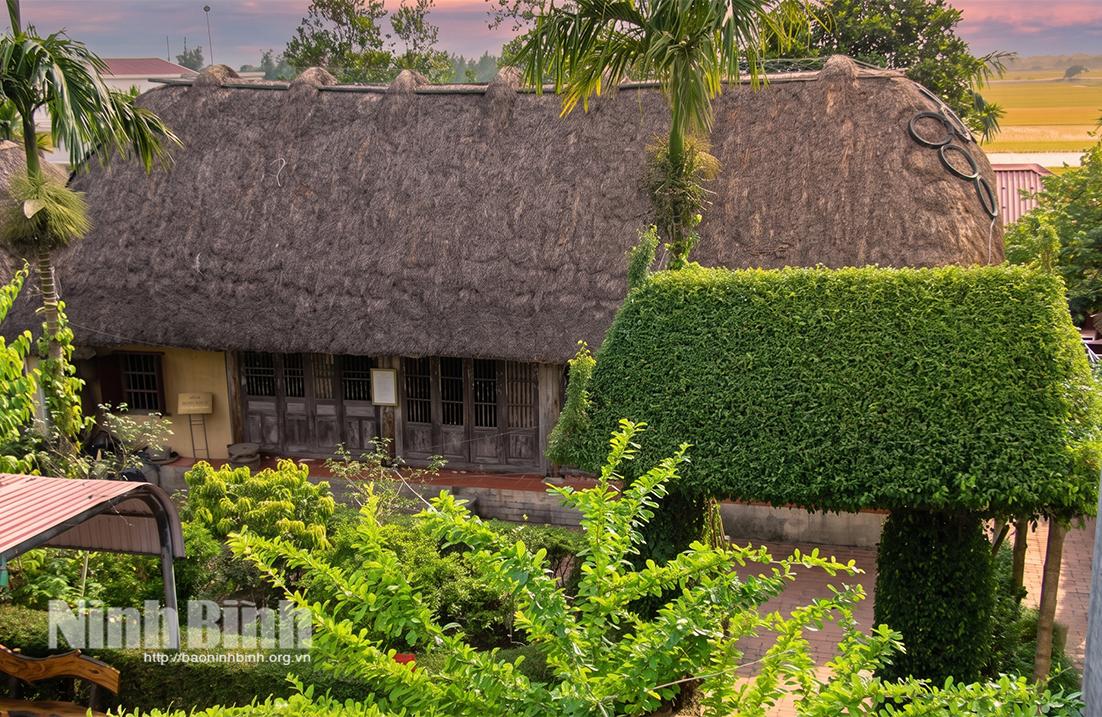
The defining feature of these houses is their massive thatched roof, carefully constructed in multiple thick layers. The ridge can measure between 70 centimetres and one metre in thickness, while the sides are generally more than 50 centimetres thick.
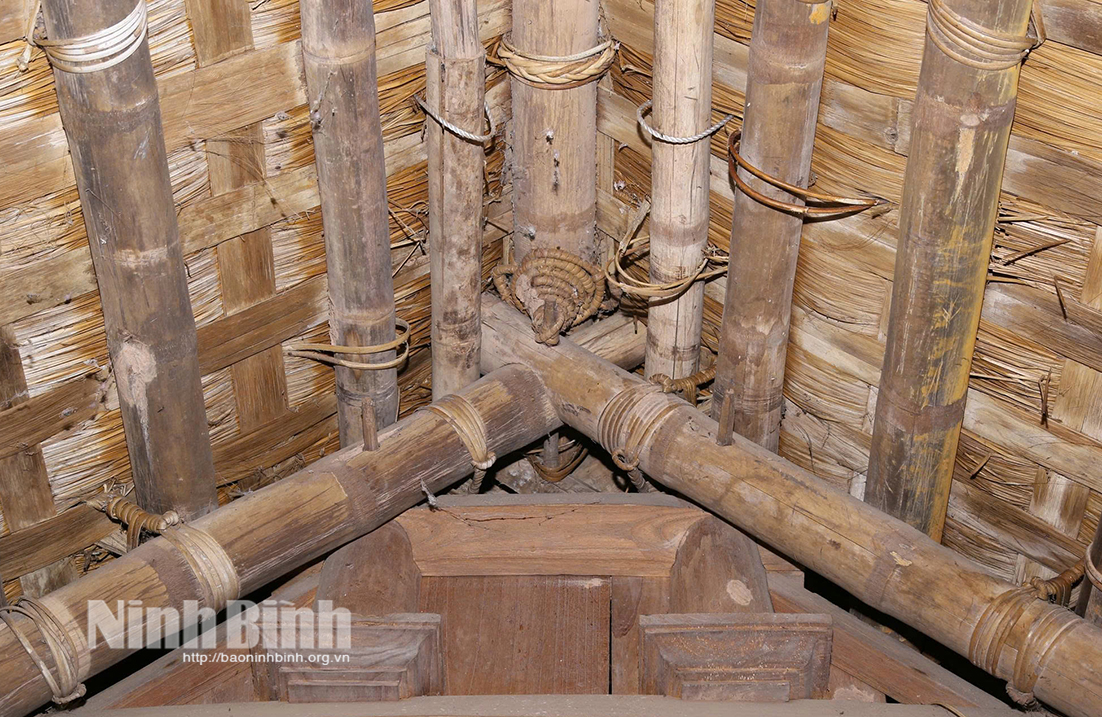
Supporting such a heavy roof requires a robust timber frame, with sturdy wooden beams and bamboo rafters and battens. These structural components are tightly bound with rattan, a climbing plant native to tropical forests.
The natural properties of sedge make it particularly well suited to the harsh coastal climate. Its porous stems contain air pockets that provide effective insulation, keeping interiors warm in winter and cool in summer. The smooth outer surface also allows rainwater to drain quickly, reducing water accumulation and the risk of leaks.
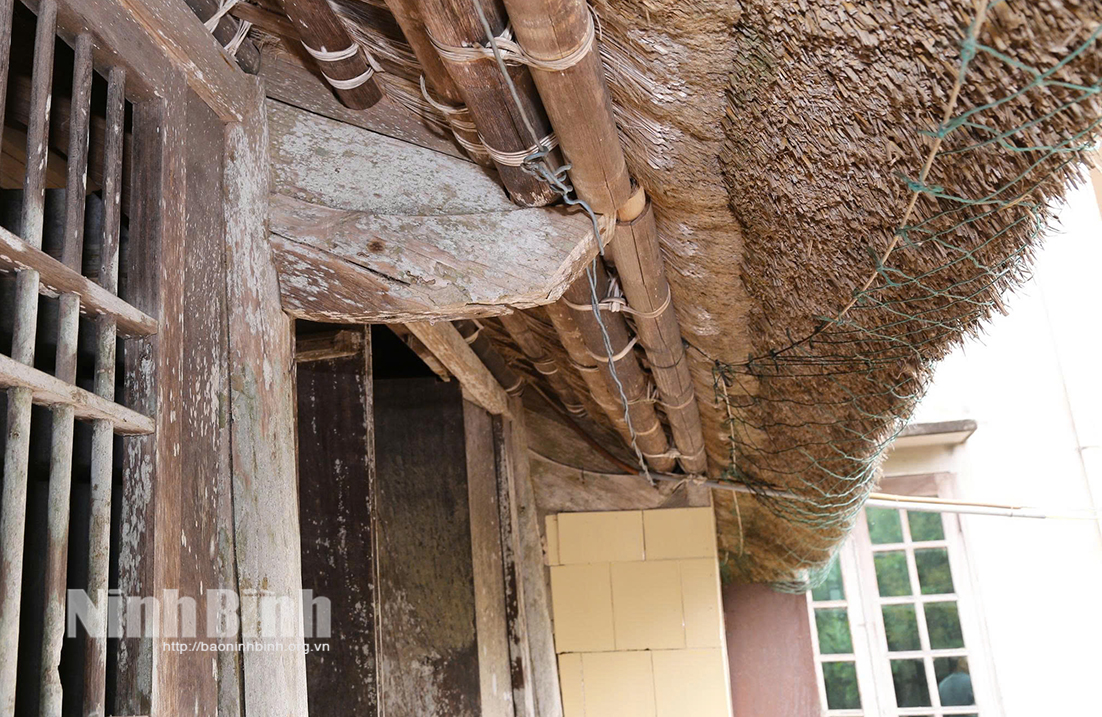
Combined with traditional roofing techniques, these characteristics have enabled sedge-thatch houses to endure for decades, even in coastal areas frequently exposed to powerful storms.
According to residents familiar with the craft, a heavier roof is generally more stable and better able to withstand strong winds and heavy rain. With regular maintenance, a sedge-thatch roof can last for many years before requiring replacement. Homeowners must periodically scrape away accumulated dust, soil and sand, while also taking measures to prevent rats from damaging the thatch.
One notable example is the single-story sedge-thatch house owned by Vu Van Phi in Lai Thanh commune. Estimated to be 160 years old, the house has been passed down through five generations, making it a living testament to the area's architectural heritage.
Efforts to preserve old houses
For generations of coastal residents, sedge-thatch houses have evolved from practical shelters into distinctive expressions of local culture and identity, shaped by the communities' long-standing relationship with the sea.
Before 1995, when economic conditions remained difficult for many rural households, these houses were a common sight in poorer villages. Hundreds of hectares of land were then devoted to sedge cultivation, allowing residents to obtain inexpensive, lower-grade plants locally for roofing.
Today, however, building and maintaining a sedge-thatch house has become increasingly challenging, with the costs of materials, labour and upkeep all rising.
Much of the coastal alluvial land once used for sedge cultivation has been converted to higher-value agricultural production or aquaculture, leaving local supplies increasingly scarce.
Thoang said that sedge for roofing, once readily available in coastal areas across the province, must now be sourced from Nga Son area in neighboring Thanh Hoa province. He added that the cost of thatching a new five-bay house is now two to three times that of installing a tiled roof.
Labour requirements present another challenge, as roofing a house with sedge is a labor-intensive process. Maintenance also entails considerable expense. The roof ridge generally requires servicing every three years, while the entire roof must be stripped and thatched anew every 20 to 30 years.
For Phi's family, however, the financial and physical demands remain worthwhile. The 160-year-old house holds generations of family memories and preserves traditional domestic practices. During holidays and the Lunar New Year, family members return from different places to gather beneath its thick thatched roof.
Phi remains determined to repair and maintain the house so that future generations will have a place to return to and a tangible connection to their family heritage.
The surviving sedge-thatch houses offer a rare glimpse into the history of settlement, land reclamation and cultural life in Vietnam's coastal alluvial communities. Yet as traditional materials become harder to source and skilled labor and roofing techniques grow increasingly scarce, preserving these structures will require sustained efforts by families, local communities and authorities.
With appropriate conservation and opportunities to connect them with cultural experiences and community-based tourism, these distinctive sedge-roofed homes could continue to serve as living heritage, preserving the architectural identity and collective memory of Vietnam's coastal communities./.
Tin cùng chuyên mục
Preserving traditional sedge-thatch houses in Ninh Binh

Le Duc Tho Memorial House recognised as National Historical Site