
Seminar highlights global significance of Van Long-Kim Bang-Tam Chuc Delacour’s langur cultural and ecological landscape
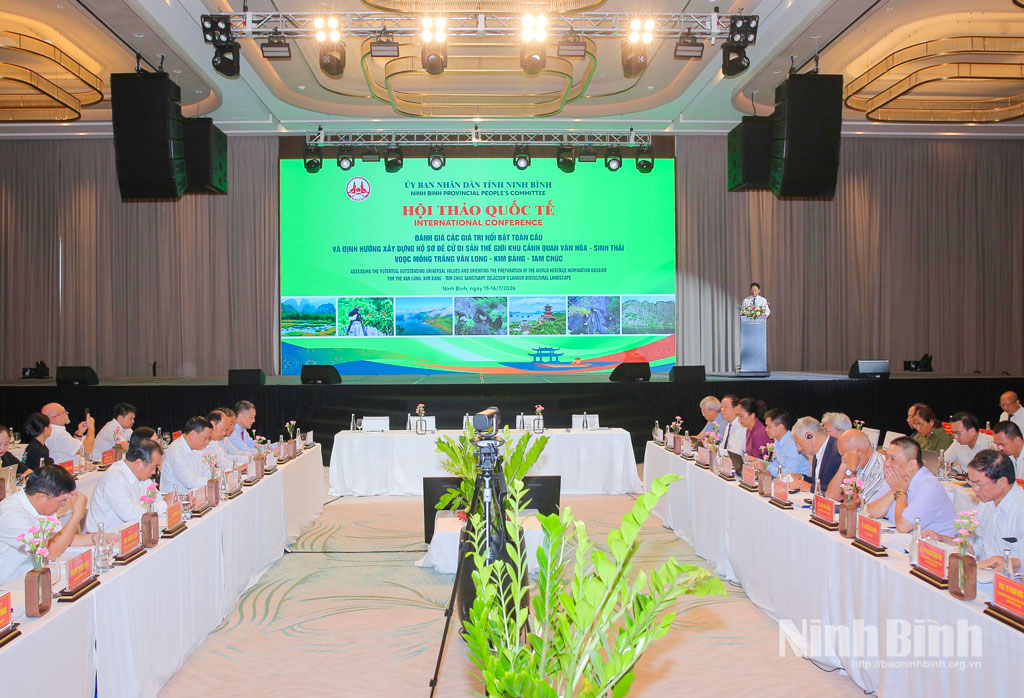
An international seminar, held by the Ninh Binh Provincial People's Committee on July 19, brought together policymakers, scientists, heritage specialists and representatives from relevant ministries and local authorities to assess the site's cultural and natural significance and discuss the roadmap for preparing its World Heritage nomination dossier.
The seminar aimed to strengthen both the scientific and practical foundations of the nomination by comprehensively evaluating the area's cultural heritage, biodiversity and the long-standing relationship between local communities and the natural environment.
Participants also reviewed key scientific evidence supporting the property's outstanding universal value, including its proposed boundaries and buffer zone, integrity and authenticity, as well as long-term conservation and management strategies in line with the 1972 UNESCO Convention Concerning
the Protection of the World Cultural and Natural Heritage.
Associate Professor Dr. Tran Tan Van, former Director General of the Institute of Geological Sciences and Mineral Resources, said significant progress has already been made in preparing the nomination. A summary report for the site's inclusion on UNESCO's Tentative List has been completed on schedule, while Vietnamese research teams have conducted studies to support UNESCO criteria (v), (ix) and (x), alongside drafting major sections of the nomination dossier and the site's management plan.
International experts are also collaborating to assess the site's heritage characteristics, determine the most appropriate boundaries and nomination strategy, and prepare the Preliminary Assessment Request required under UNESCO's updated nomination process.
Initial research indicates that the Van Long- Kim Bang- Tam Chuc landscape has strong potential to satisfy UNESCO criteria (v), (ix) and (x). Researchers noted that thousands of years of sustainable interaction between humans and nature have created a distinctive cultural landscape while helping conserve the world's largest remaining population of the critically endangered Delacour's langur in what is regarded as the species' last major stronghold.
Beyond presenting preliminary findings, the seminar focused on several issues considered critical to the quality of the nomination dossier. One of the main topics was defining the site's heritage category.
Researchers concluded that nominating Van Long -Kim Bang -Tam Chuc as an independent World Heritage Site would be more appropriate than extending the existing Trang An World Heritage Site, citing the geographical separation between the two areas and differences in the UNESCO criteria under which they would be nominated.
Experts also recommended exploring the possibility of expanding the nomination across provincial boundaries to enhance ecosystem integrity and establish ecological corridors for Delacour's langur populations. As an initial step, they proposed connecting the nominated area with adjacent protected landscapes in Phu Tho province, while considering a future extension toward the Huong Son area of Hanoi at an appropriate stage.
Regarding the nomination timetable, participants stressed the importance of following UNESCO's standard procedures rather than accelerating the process. Under the proposed roadmap, the nomination dossier is expected to be finalised and submitted for evaluation in 2030.
Delegates also called for resolving legal and administrative bottlenecks and strengthening coordination mechanisms and financial support to enable domestic and international experts to carry out the necessary research, field surveys, archaeological work and preparation of a comprehensive long-term management plan.
Experts believed that the outcomes of the seminar would create uninamous on scientific base, legal and orientations to expedite, thereby creating solid foundation for finalising nomination dossier seeking UNESCO World Heritage status for the Van Long Kim Bang Tam Chuc Delacour’s Langur cultural and ecological landscape under UNESCO’s standards.
Tin cùng chuyên mục

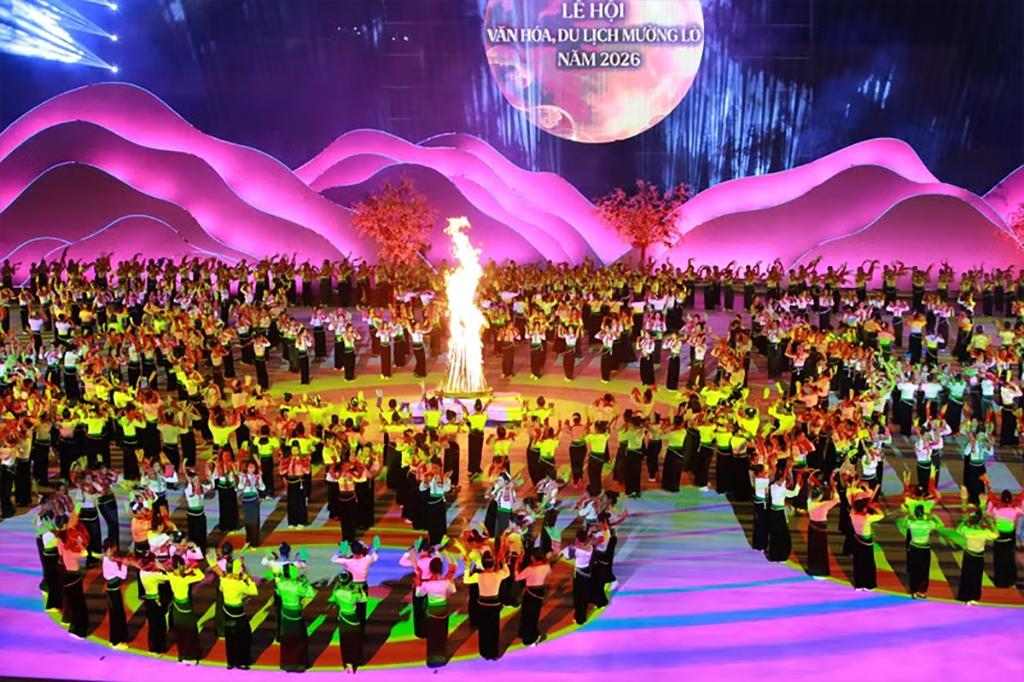
Muong Lo Festival 2026 opens with grand Xoe dance performance
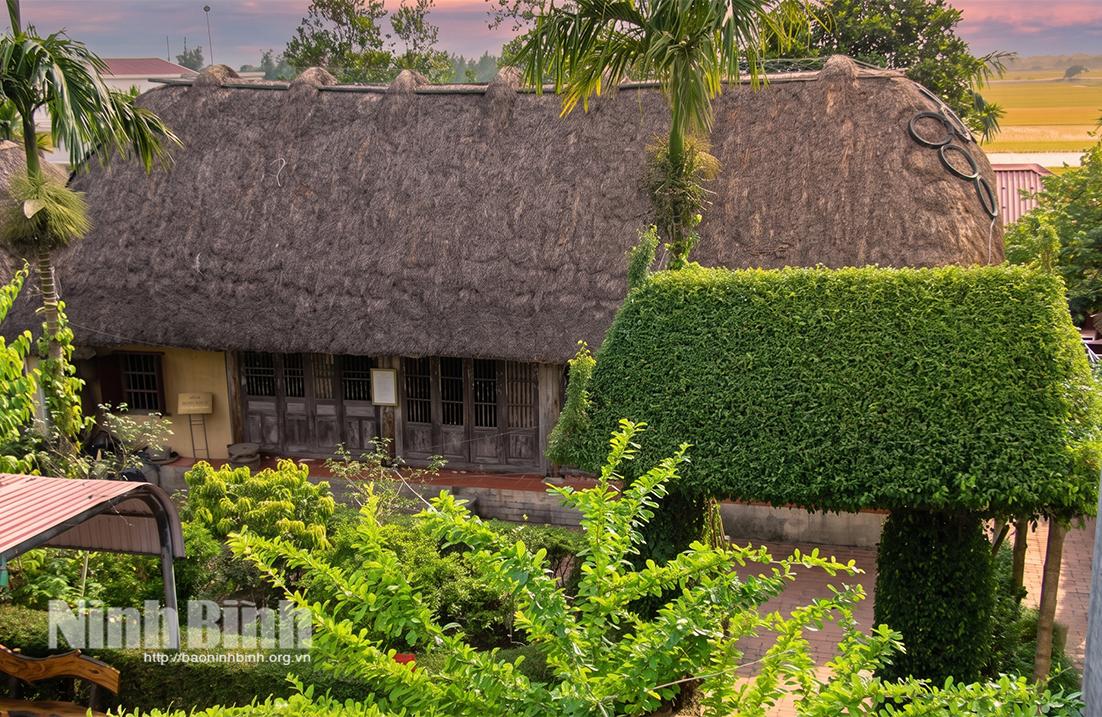
Preserving traditional sedge-thatch houses in Ninh Binh