
Ninh Binh plans Ninh Co Economic Zone as multi-sector marine economic hub
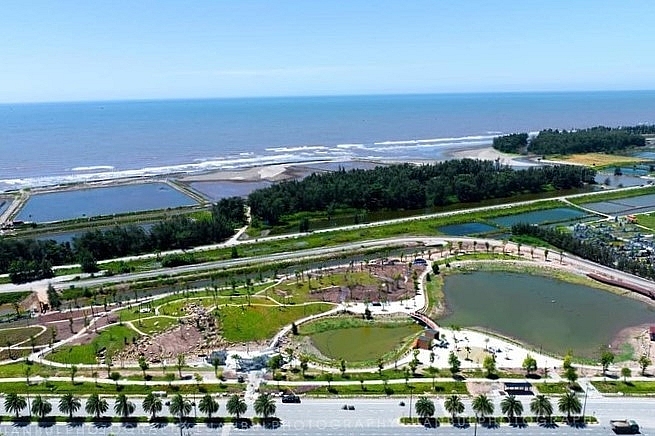
The Ministry of Construction has appraised the General Planning Scheme for the Ninh Co Economic Zone in Ninh Binh province through 2050, which envisions the development of a comprehensive, multi-sector coastal economic zone to create a new growth driver for the province and the Red River Delta.
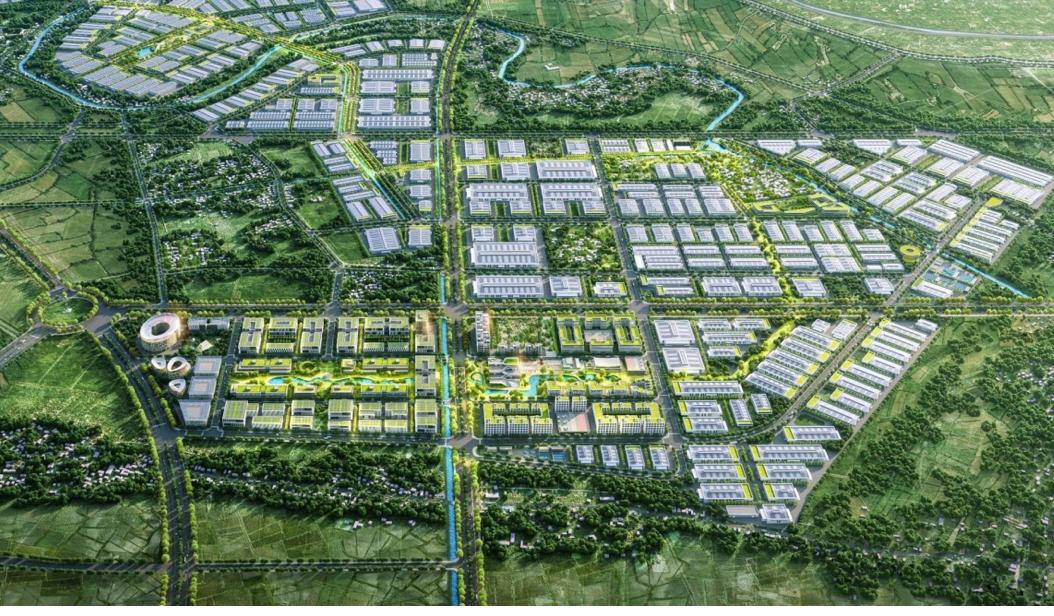
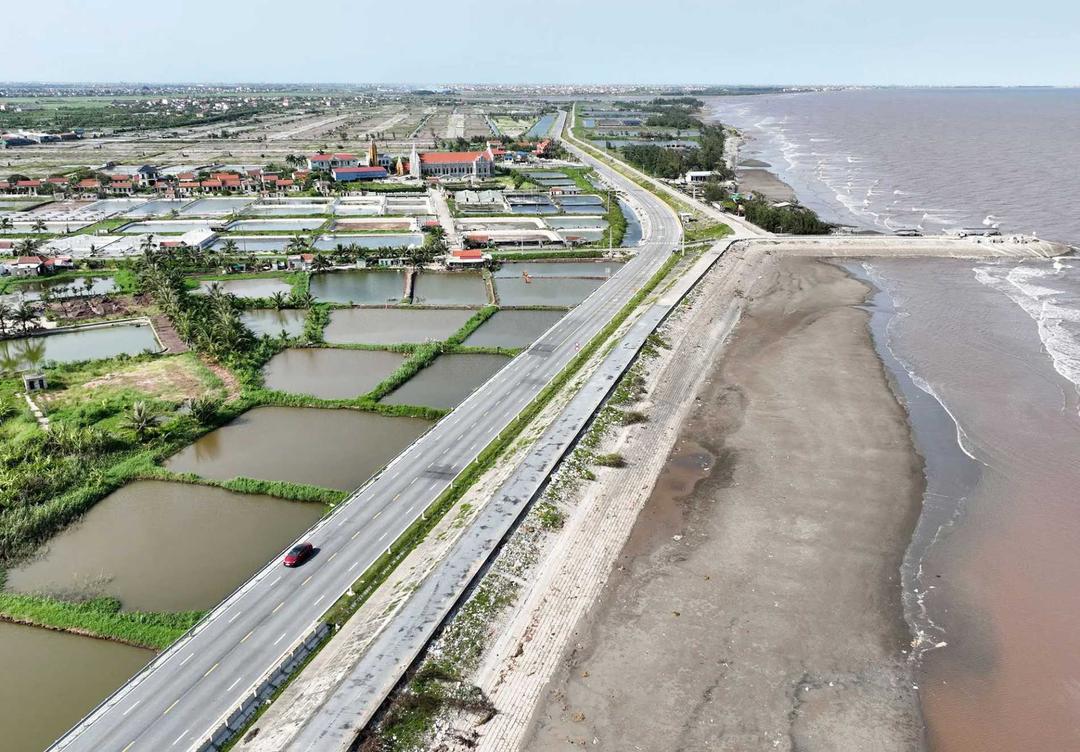
Under the plan, the Ninh Co Economic Zone, spanning approximately 13,950 hectares, will be developed into a centrefor industry, seaports, logistics and service-oriented urban development in Ninh Binh.
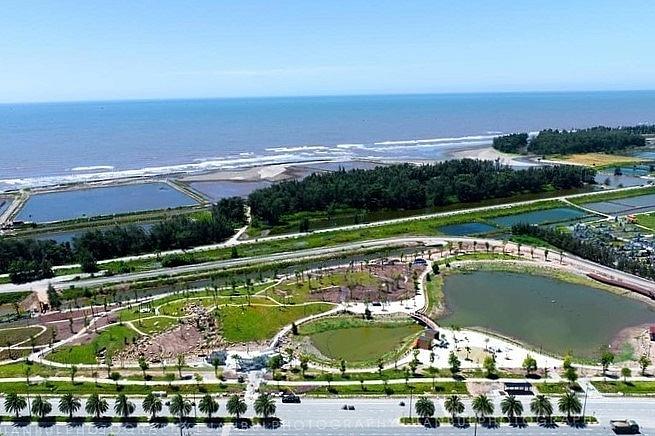
The planning study area also covers approximately 16,000 hectares of sea surface. The economic zone is located in Rang Dong and Hai Thinh communes, part of Quy Nhat and Hai Xuan communes, as well as alluvial areas and adjacent coastal waters.
According to the consulting unit, the plan defines an urban-industrial-service development model oriented toward green and smart growth, with services and logistics playing a key role.
The spatial structure is organised around three connectivity axes: provincial road 490, Cao Bo-Ninh Co expressway and the coastal road; and three ecological corridors associated with tourism and coastal services, as well as the Ninh Co and Day rivers.
Three growth-driving centres have been identified, including the economic zone centre at the Ninh Co River estuary, the seaport industrial park centre, and the service, urban development and innovation centre.
Based on this structure, the economic zone will be divided into three sub-areas: an urban area for services and tourism; an urban area providing services to support industrial development; and an industrial, urban and seaport services area.
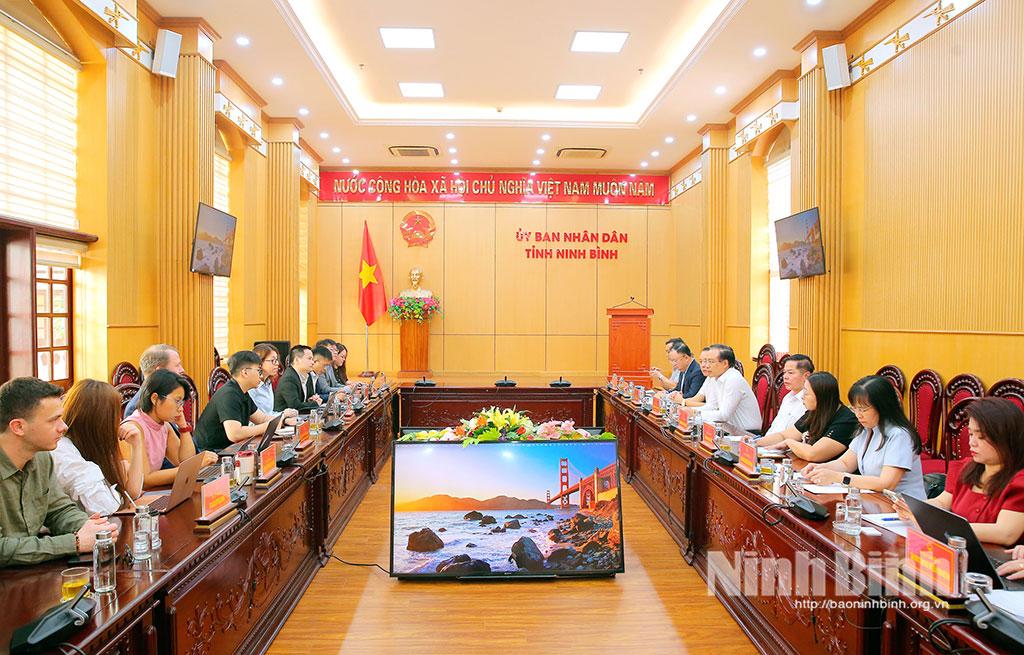
Deputy Minister of Construction Nguyen Tuong Van said the Ninh Co Economic Zone has been identified as one of the key areas with the potential to create breakthroughs in infrastructure and economic development for the provincein the coming period.
While broadly agreeing with the planning orientations, experts and members of the appraisal council said the plan should be further reviewed to improve its quality and feasibility and enhance its attractiveness to investors.
Vu Anh Tu, Deputy Director of the Department of Planning and Architecture under the Ministry of Construction, said the plan has established an orientation for multi-sector development, integrating industry, urban areas, services and tourism. However, its implementation must meet requirements for strategic infrastructure, environmental protection and climate change adaptation.
Dr. Architect Nguyen Xuan Hinh, former Dean of the Faculty of Urban and Rural Planning at Hanoi Architectural University, said the plan needs to further clarify the zone's distinctive advantages in developing a marine economic zone, particularly its potential for seaport development alongside inland waterway, road and air transport connections. He stressed that a seaport is a decisive factor in establishing a marine economic zone.
Deputy Minister of Construction Nguyen Tuong Van affirmed that the plan initially meets the requirements set for the planning task, but some issues still need further study and refinement.
Opinions from the Ministry of Public Security, the Ministry of National Defence and other relevant ministries and agencies must be fully considered during the revision process. The legal basis should also be reviewed, with the Ninh Co Economic Zone placed within the broader development context of the region, while transport connectivity and challenges related to terrain and geology should be carefully assessed, he said.
The planning must also comprehensively address regional connectivity, economic and urban development orientations, and the zone's capacity to adapt to future changes, Van noted.
According to the official, comprehensive and thorough research is essential to developing an effective planning scheme, enhancing the zone's ability to attract investment and promoting its role as a driving force for development./.
Tin liên quan
Tin cùng chuyên mục