
Exploring Hang Boi Cave where prehistoric humans lived more than 12,000 years ago in Trang An

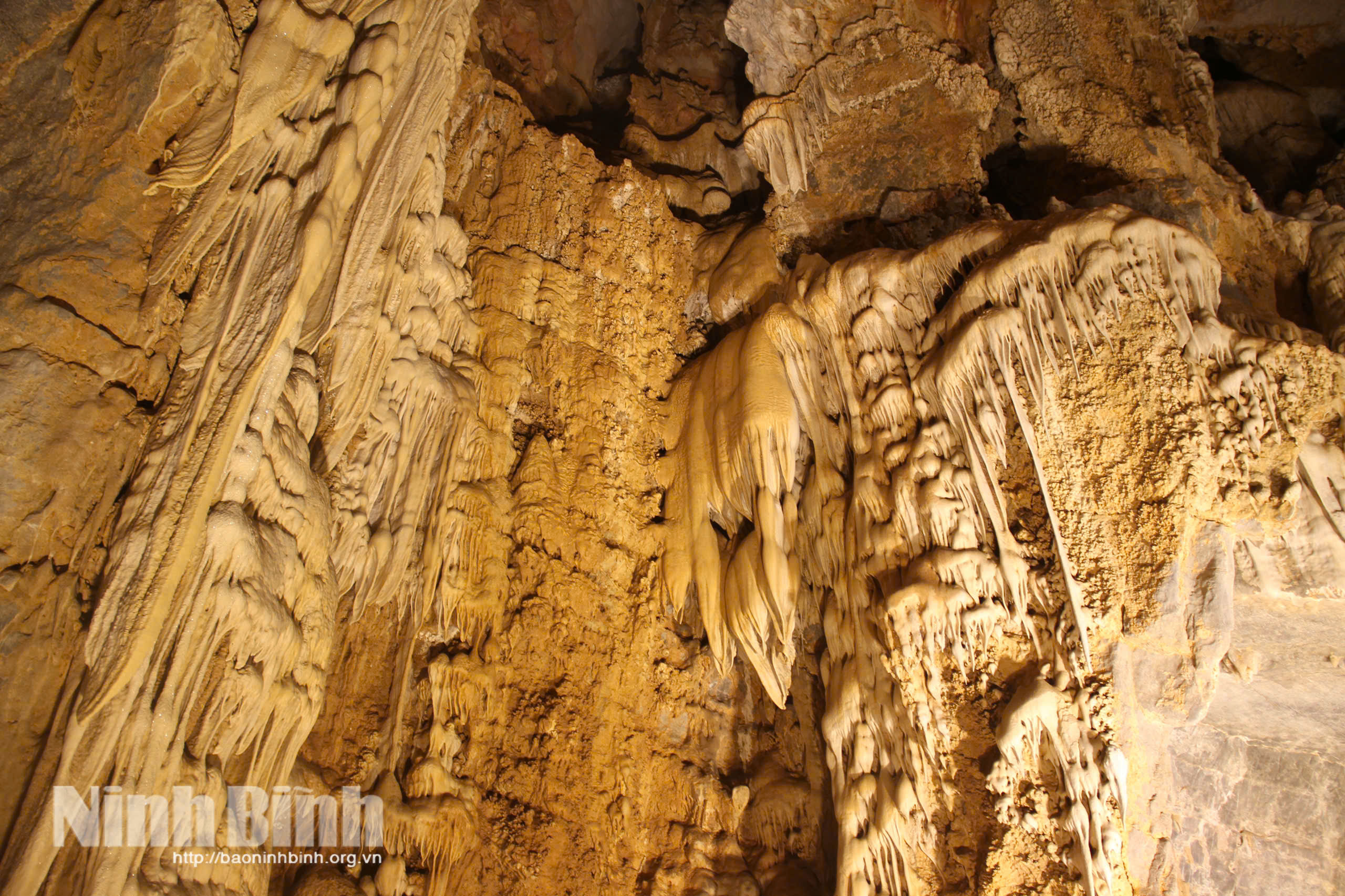
To reach Hang Boi Cave, visitors must walk approximately one kilometre from the entrance to the Thung Ui forest, following a narrow path beneath a canopy of lush green trees. The route then climbs 200 stone steps to a point halfway up the mountain, at an elevation of around 100 metres. The cave emerges as a striking natural spectacle, adorned with countless stalactites formed over millions of years.
The name Hang Boi also reflects distinctive historical and cultural traditions that local residents have passed down through generations. According to local legend, during the second resistance war against the Mongol Yuan forces in 1285, King Tran Nhan Tong and his troops travelled through these mountains from Vu Lam Palace, now located in Nam Hoa Lu ward.
Upon discovering a cave with a broad rock overhang that offered a convenient place to rest, the King reportedly cast a divination to determine the direction of his military campaign. Legend has it that the result foretold victory. In remembrance of the story, local people came to call the site Hang Boi, or Thung Boi.
Evidence of prehistoric human habitation at Hang Boi was first discovered in 2002. In 2007, Vietnamese scientists and researchers from the University of Cambridge in the United Kingdom conducted studies and excavations at the site. Discoveries of stone tools, mollusk shells and other traces of daily life indicate that humans occupied the area during the Stone Age, with radiocarbon (C14) dating placing the evidence more than 12,000 years ago.
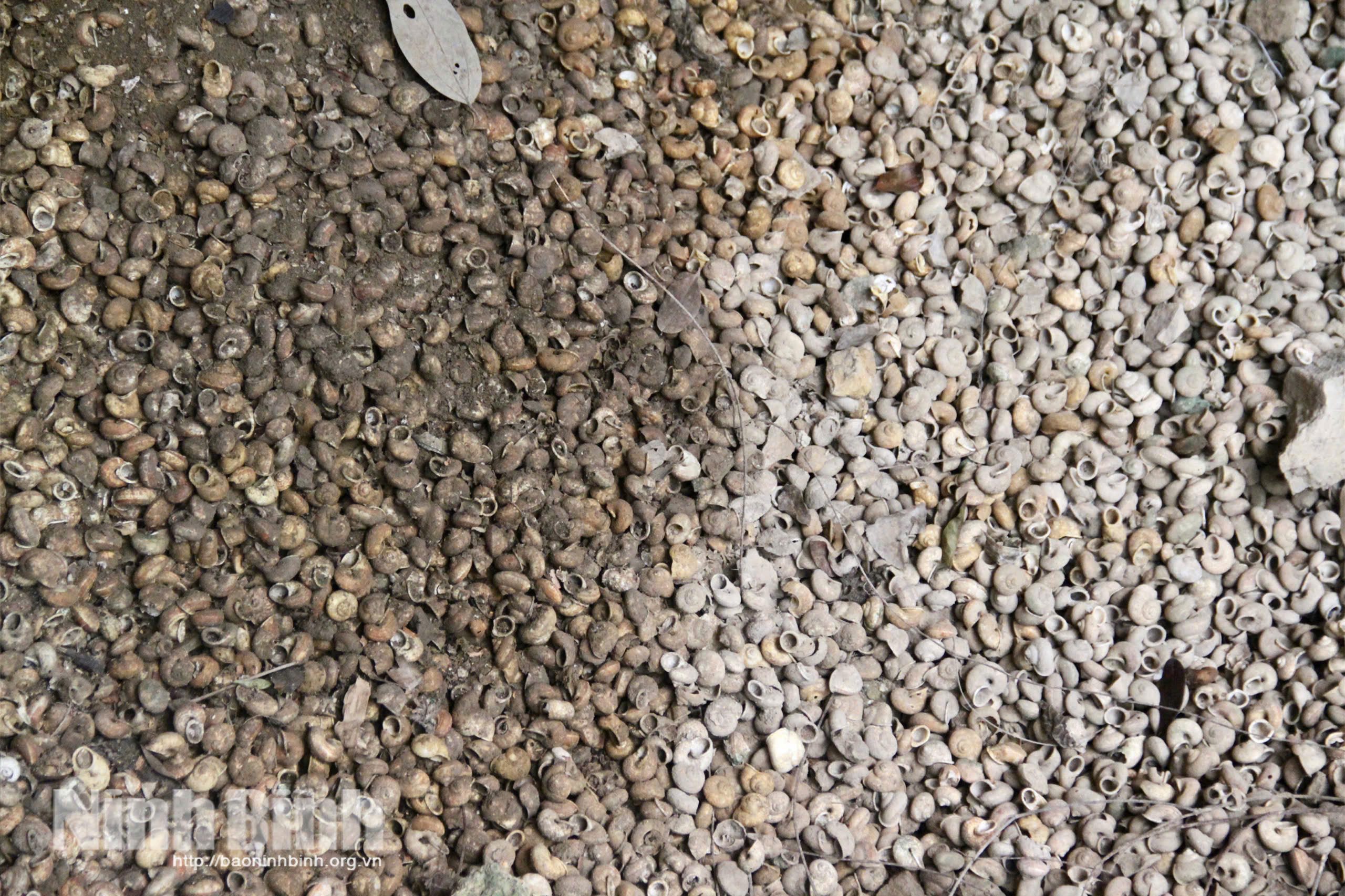
Particularly prominent around the cave entrance are layers of accumulated mollusk shells, remains closely associated with the daily lives of prehistoric inhabitants. According to research documents, these shells date back tens of thousands of years, offering insights into how early humans obtained food, adapted to their surroundings and survived in a limestone mountain environment.
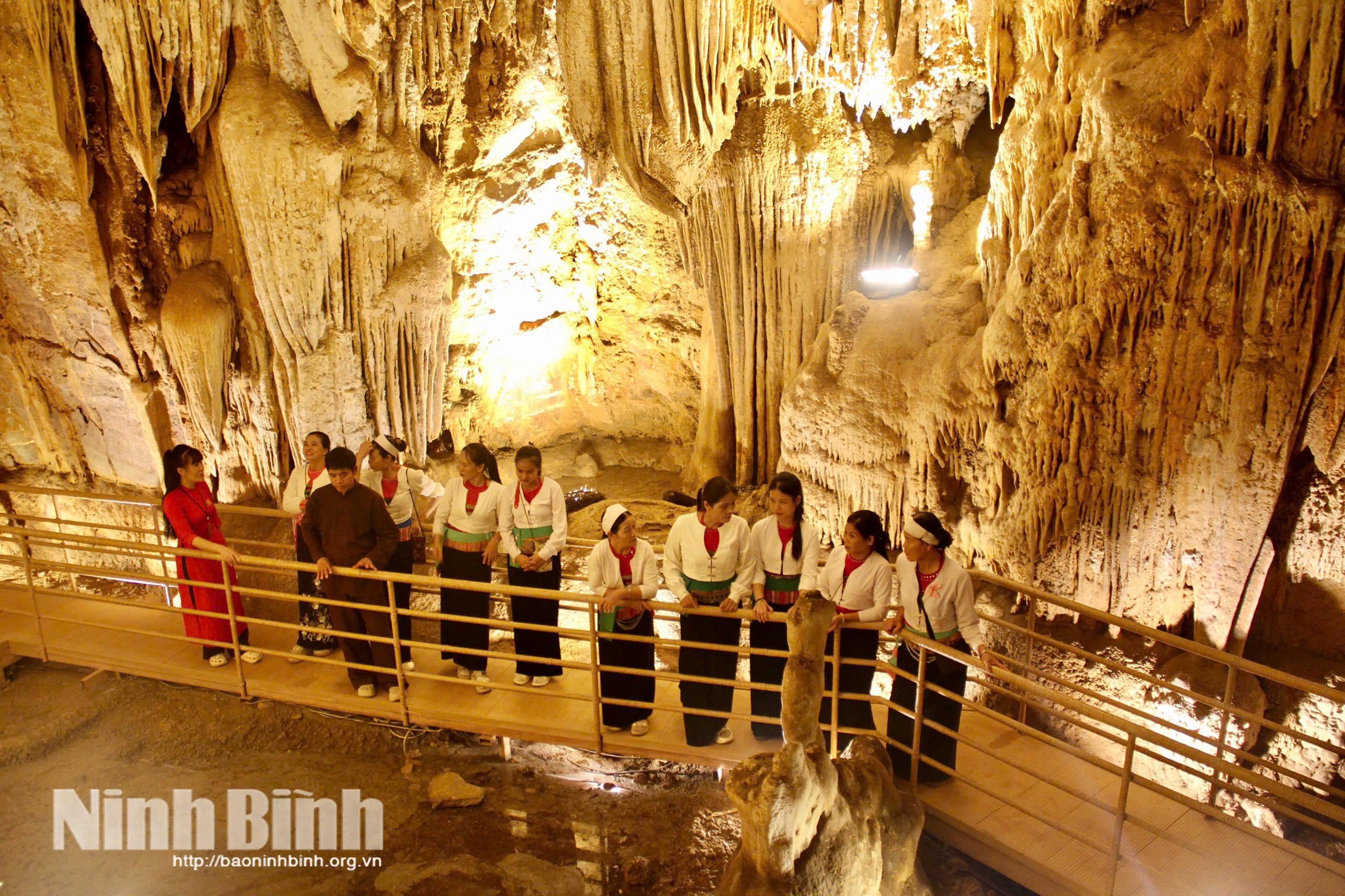
Beyond its archaeological significance, Hang Boi attracts visitors with the pristine beauty of its stalactite formations. The cave extends approximately 70 metres deep and measures around 30 50 metres wide. As visitors venture farther inside, they encounter increasingly mysterious formations of glittering stalactites and stalagmites, whose shapes evoke a royal throne, lotus flowers, dragons and even a statue of Buddha entering Nirvana.
Beyond Hang Boi, the Thung Ui Cultural Tourism Area also has the potential to connect visitors with numerous archaeological caves in the surrounding region, notably the Thung Binh Cave system, where important discoveries have provided further evidence of prehistoric human presence in Trang An.

At Thung Binh Cave, the SUNDASIA archaeological project, working with scientists from the University of Cambridge and Queen's University Belfast in the United Kingdom, discovered prehistoric human remains dating back nearly 13,000 years. The remains yielded what has been reported as the oldest ancient DNA sample ever recorded in Vietnam. The site is also associated with King Dinh Tien Hoang, who established the Kinh Thien Altar there more than a thousand years ago. During the feudal period, the royal altar was used for ceremonies seeking favorable weather, peace and prosperity for the country.
These discoveries demonstrate that Trang An's cave system is not merely a geological and geomorphological masterpiece, but also an exceptional repository of evidence documenting human settlement, development and adaptation over tens of thousands of years.
Phung The Quynh, Director for Operations of the Thung Ui Cultural Tourism Area, said the decision to open Hang Boi to visitors aims to diversify tourism offerings and provide new experiences while introducing the distinctive natural, historical, cultural and archaeological values of the Trang An region in greater depth.
“Throughout the preparation process, we have placed the preservation of the site above all else, with particular emphasis on maintaining the cave's natural condition and avoiding any disturbance to archaeological remains or stalactite formations,” he said.
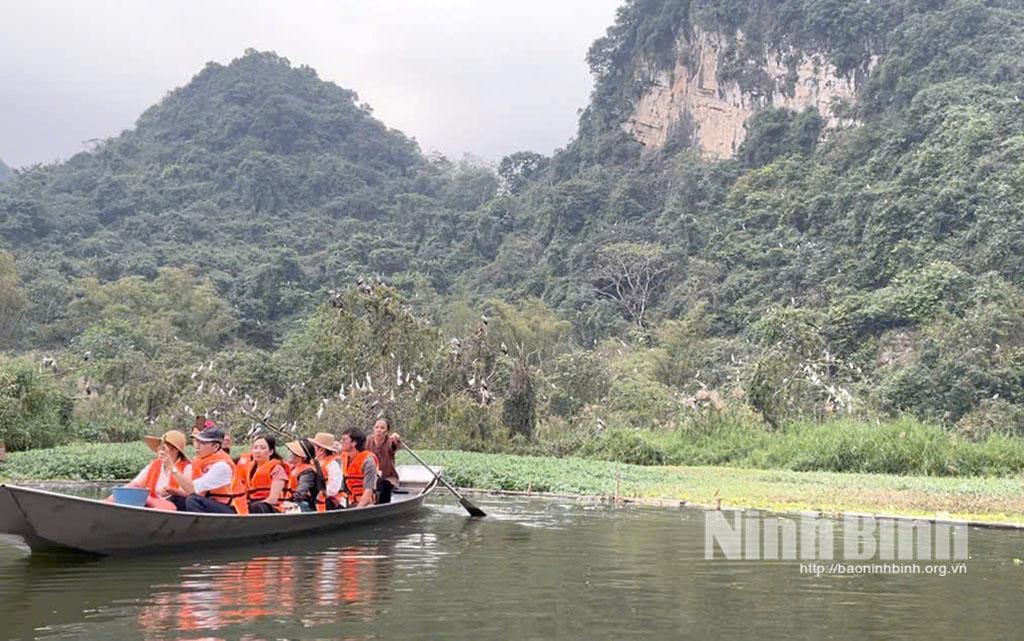
The journey through Hang Boi becomes even more appealing when combined with an exploration of the Muong cultural space at Thung Ui.
Assessing the significance of developing tourism routes centered on archaeological caves, Nguyen Cao Tan, Deputy Director of the Ninh Binh Department of Tourism, emphasised that the province has considerable advantages in its natural cave systems. Many of these caves are notable not only for their scenic, geological and geomorphological value, but also for the precious traces of prehistoric human activity they preserve.
“Researching the possibility of opening archaeological caves such as Hang Boi and Thung Binh to visitors will help diversify tourism products while creating opportunities to introduce the heritage's values to a wider public,” he said.
According to Tan, this is a specialized form of tourism that requires a careful balance between visitor access and heritage conservation. The Department of Tourism has instructed operators to strictly comply with regulations on monument protection, preserve the landscape and environment, and ensure visitor safety.
As Ninh Binh continues to develop cultural, ecological and immersive tourism experiences, Hang Boi is expected to become a distinctive new attraction, expanding opportunities for exploration and enhancing the appeal of this heritage-rich region./.
Tin cùng chuyên mục