

Ninh Binh takes comprehensive measures to achieve sustainable poverty reduction

According to a report by the Provincial People’s Committee, the multidimensional poverty rate in Ninh Binh, based on the 2022-2025 multidimensional poverty standards, has fallen to 3.1%. The number of poor households has dropped to 13,754, accounting for 1.1% of all households, while the number of near-poor households stands at 25,008, or 2%.
Behind these figures is a gradual improvement in people’s living conditions. Thousands of households have received support to build or repair solid houses, while 100% of poor people have been provided with health insurance cards and benefited from legal aid and tuition exemption and reduction policies.
Hundreds of livelihood models and agricultural production projects linked to the One Commune One Product (OCOP) programme and value chains have also helped create jobs and raise incomes for workers from disadvantaged groups.
Building on the results achieved, Ninh Binh has set specific targets for 2030. The province aims to increase the average income of rural residents by 2.5-3 times compared with 2020, while the average income of ethnic minority people is expected to reach half of the national average. At the same time, the province strives to reduce the multidimensional poverty rate to below 1% under the 2026-2030 poverty standards.
To achieve these targets, Ninh Binh has identified enhanced communications, greater public awareness and a shift in social attitudes toward poverty reduction as top priorities.
Alongside State budget resources, the province is promoting socialisation and mobilising contributions from businesses, communities and social organisations.
These resources will be prioritised for the development of synchronised rural technical infrastructure, particularly in ethnic minority, mountainous and disadvantaged areas.
Ninh Binh will also continue restructuring its agricultural sector toward a green, organic and circular agricultural economy. Production linkages and high-tech agricultural models will be expanded, while local residents will be supported in accessing preferential loans to develop household-based economic activities.
Alongside livelihood creation, the social security system will continue to be strengthened in a comprehensive manner, ensuring that people, particularly vulnerable groups, have better access to essential social services, including healthcare, education, preferential credit, clean water, environmental services and housing.
Accelerating digital transformation in the management of social security records will also help improve transparency, accuracy and timeliness in the implementation of social welfare policies.
The target of reducing the multidimensional poverty rate to below 1% by 2030 reflects Ninh Binh’s commitment to ensuring the quality and inclusiveness of socio-economic development in the new period.
When every resident has opportunities to access essential services, develop livelihoods and improve their lives through their own capabilities, poverty reduction can become truly sustainable, contributing to building a wealthier, more civilised and prosperous Ninh Binh where no one is left behind./.
Tin liên quan







Tin cùng chuyên mục

Awards ceremony convened for sixth Party ideology writing contest

Top Vietnamese leader hosts banquet in honour of Swiss President

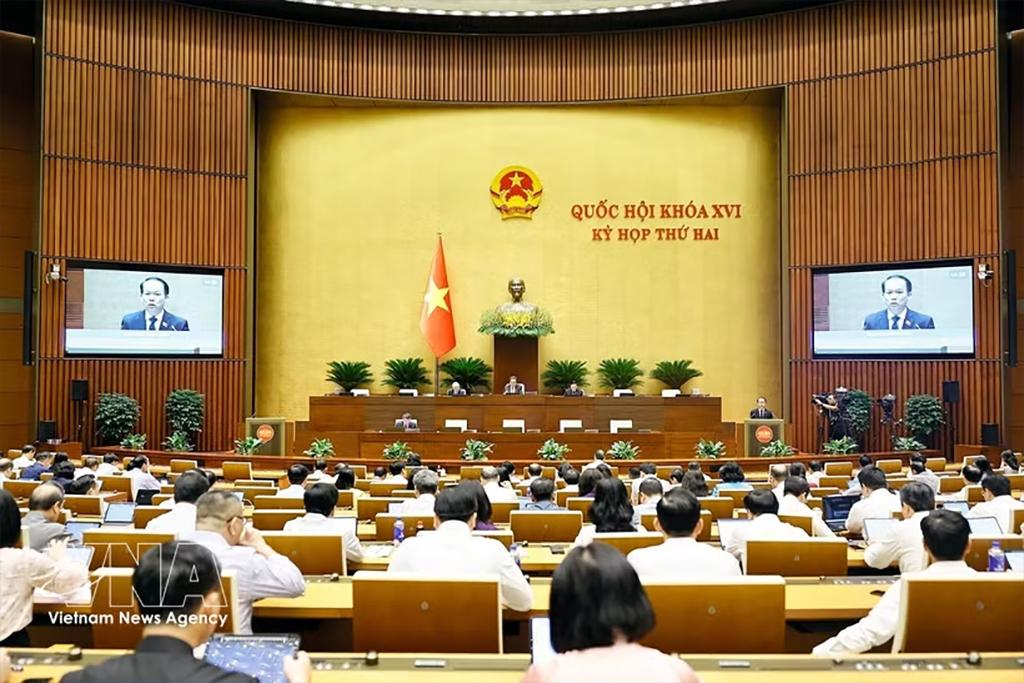
16th National Assembly commences second session

FAO honours 10 prominent Vietnamese women in agriculture, rural development

Ninh Binh’s delegation attends “Meet Korea 2026” plenary conference