
Ninh Binh province steps up digital transformation in culture and heritage sector
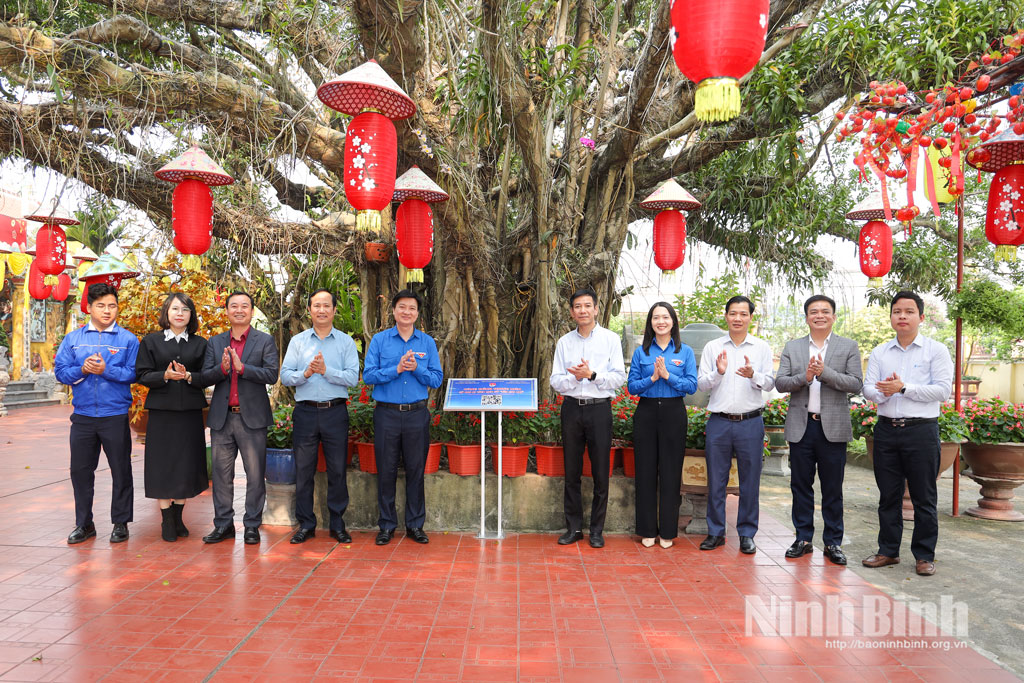
Digital transformation in the cultural sector, particularly the digitisation of heritage, is identified by Ninh Binh's cultural sector as the optimal solution to optimise the storage, management, preservation, exploitation, promotion, and enhancement of heritage values in a sustainable manner.
Based on its rich heritage, the province has implemented digital transformation in the cultural heritage sector through the construction of a database for managing historical sites, digitising documents, images, and artifacts for promotional purposes; developing online tourism portals and platforms; and promoting digital communication on social media and the national digital media ecosystem.
Currently, digital technology plays a crucial role in helping tourists find practical and effective information and destinations for their trips.
Dao Thu Hang, a tourist from Hanoi, shared: “After watching promotional videos about Ninh Binh's tourist destinations on digital platforms, I was very impressed with the pristine and majestic natural beauty of Trang An, the rice harvest season in Tam Coc, the butterfly season in Cuc Phuong National Park… that motivated me and my friends to visit Ninh Binh.”
In reality, the application of science and technology combined with digital transformation not only changes management and promotion methods but also directly impacts the lives and livelihoods of the people, contributing to poverty reduction and sustainable income improvement.
Le Van Hong, from Thung Nham tourist area, said: “Before adopting digital transformation in our business, my family's tourism business mainly relied on regular customers and small groups, resulting in unstable customer numbers. Since the administration and travel companies promoted and guided us on digital tourism platforms and booking applications, our homestay has become more well-known to tourists. Thanks to this, our business has become much more successful, our family income has improved significantly, and we have the resources to invest in additional facilities and services to better serve tourists.”
In implementing the Programme for the Digitalisation of Vietnamese Cultural Heritage in the 2021-2030 period, the Ninh Binh Department of Culture and Sports has deployed the construction of an information management system and created a database for typical artifacts at the Provincial Museum.
Given the unique nature of the museum field, digital transformation plays a crucial role in preserving and promoting the value of artifacts and heritage. To enhance the interactive and immersive experience for visitors, the Ninh Binh Museum has digitised and showcased many representative artifacts. As a result, visitors can easily explore artifacts with full technical specifications regarding color, size, and history.
The provincial museum currently preserves over 92,000 artifacts and documents. The application of information technology in artifact management has made the museum's artifact management more scientific, faster, and more accurate.
Do Van Hien, Director of the Provincial Museum, stated: Bringing the exhibition space to an online platform is not just about "digitising" images, but about redefining the heritage experience, which has yielded high effectiveness. The public can visit from anywhere, anytime, eliminating barriers of geographical distance and travel costs.
The application of technology has helped change the method of interaction from "passive viewing" to "active experience"; from "no touching of artifacts" to "deep interaction": With virtual reality (VR) and augmented reality (AR), viewers can rotate artifacts 360 degrees, zoom in to clearly see every detail and pattern.
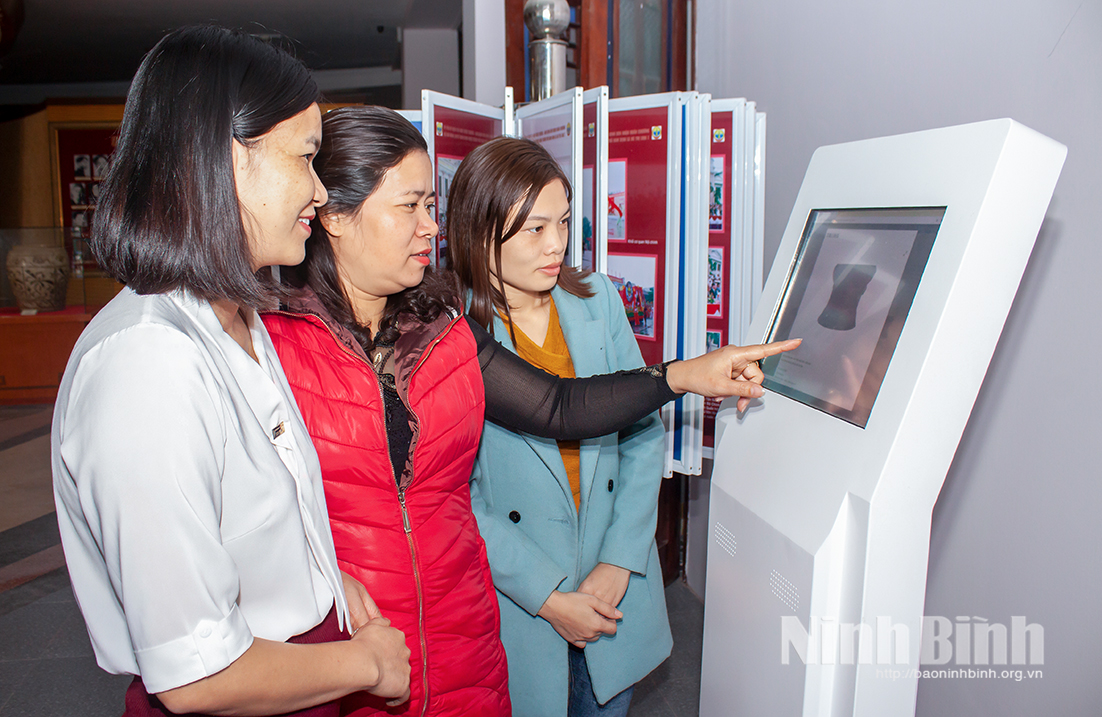
Modern projection applications combine sound, lighting effects, and simulations of historical contexts, making viewers feel as if they are living in the space of the artifact, rather than just standing and looking. Thus, the application of technology helps artifacts come out of display cases, becoming more vivid and accessible to the digital generation.
However, the digital transformation process in culture and heritage in Ninh Binh is mainly at the level of applying supporting technology, and has not yet formed a comprehensive model of digital heritage management. Digitalisation activities are largely project-based and have not yet established an integrated digital heritage ecosystem to serve management, research, and the exploitation of the creative economy.
These limitations and challenges show that the digital transformation of cultural heritage in Ninh Binh is essentially a process of transforming the cultural governance model, requiring a change in development mindset, improvement of institutions, and building of digital governance capacity to effectively apply technology to the preservation and promotion of cultural heritage./.

Tin cùng chuyên mục

Muong Lo Festival 2026 opens with grand Xoe dance performance

Preserving traditional sedge-thatch houses in Ninh Binh