
Ninh Binh Museum brings heritage closer to the public through digital technology
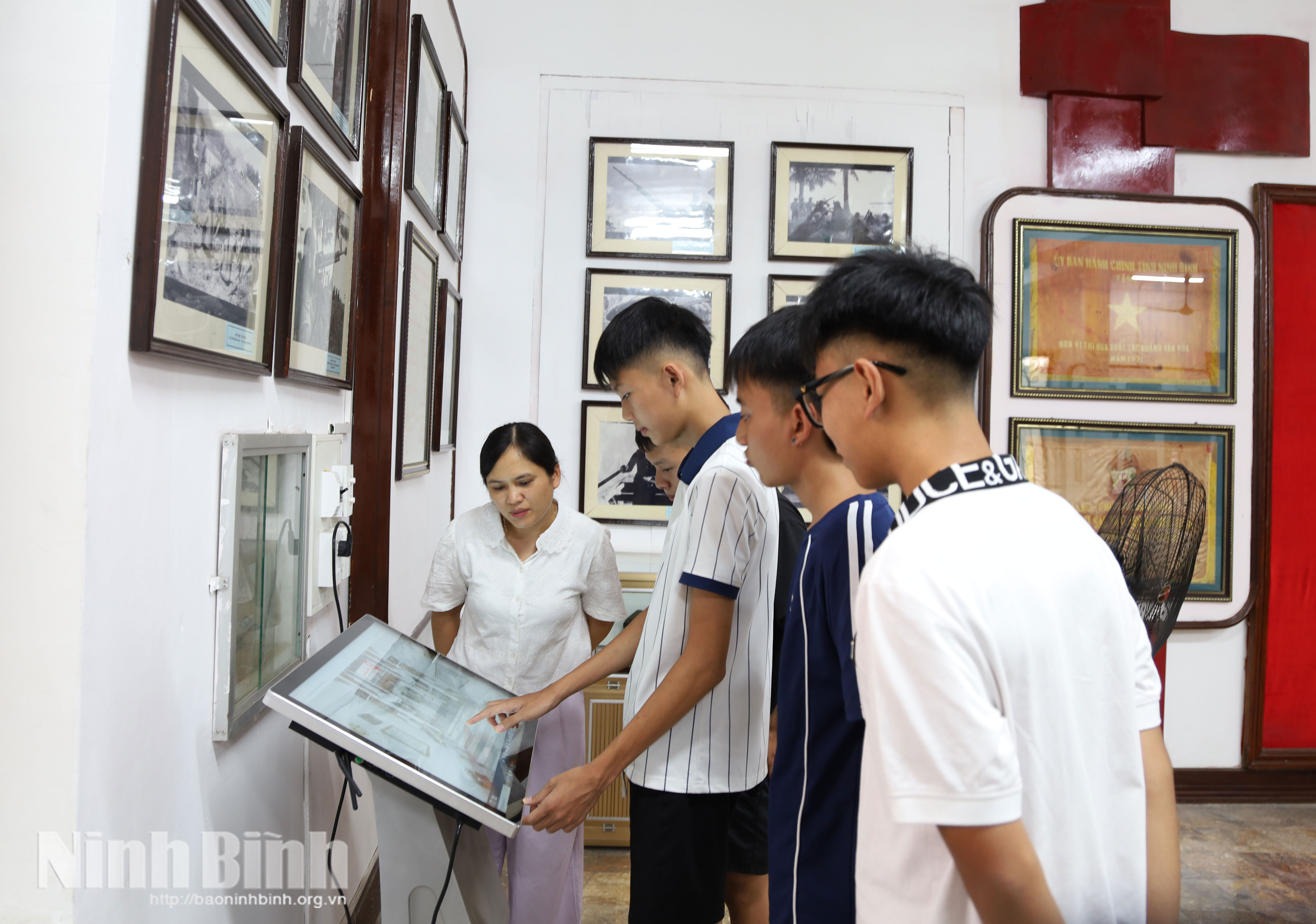
At the museum, visitors can not only view artefacts in person but also use smartphones to scan QR codes for additional information. They can also explore digital images of artefacts through virtual reality (VR) and augmented reality (AR), allowing them to rotate objects 360 degrees, enlarge images and examine intricate details and patterns.
Visitors can also access baotangtinh.ninhbinh.gov.vn to experience a 360-degree VR Tour, providing an immersive and interactive way to explore the museum remotely.
These initiatives reflect the provincial museum’s efforts to apply digital technology to preserve valuable cultural heritage while expanding public access and promoting smart tourism.
The museum has so far digitised more than 10,000 artefacts. Of these, 350 representative items have been selected for 3D digitisation. The museum has also carried out 3D scanning of a group of Dong Sơn cultural artefacts, including bronze drums, bronze spears and bronze axes.
The technology allows users to rotate and examine the artefacts from different angles on screen, while accessing information about their colours, dimensions and historical origins.
Alongside its website, which provides detailed information on key heritage sites and artefacts, national treasures and scientific research activities, the museum is also making use of social media platforms such as Facebook and TikTok to engage more effectively with younger audiences.
Lam Nguyen Hoang Hieu, a visitor from the University of Social Sciences and Humanities under Vietnam National University Ho Chi Minh City, said the digital features are well suited to the growing trend of independent travel. With QR codes, information screens and automated audio guides, visitors can proactively explore artefacts and exhibition spaces in greater depth without necessarily having a tour guide accompanying them.
Digital technology is not only changing the way visitors engage with artefacts but is also gradually being incorporated into the museum’s educational activities, creating new opportunities for students to learn about history and culture.
Tran Xuan Kien, Deputy Director of theNinh Binh Provincial Museum, said the museum is currently digitising 27 national treasures and groups of national treasures recognised by the Prime Minister, as well as representative collections such as Dinh-Le dynasty artefacts, Ly dynasty stone artefacts and Hoa Lu ceramics from the Tran dynasty.
Paper-based documents and artefacts are also being prioritised for digitisation to reduce the risk of deterioration over time while facilitating their long-term preservation, research and use.
Alongside investment in technology, the Ninh Binh Provincial Museum is focusing on building a team of staff capable of effectively managing, updating and exploiting digital data, gradually meeting the requirements of preserving and promoting the value of cultural heritage in the digital environment.
Tin liên quan
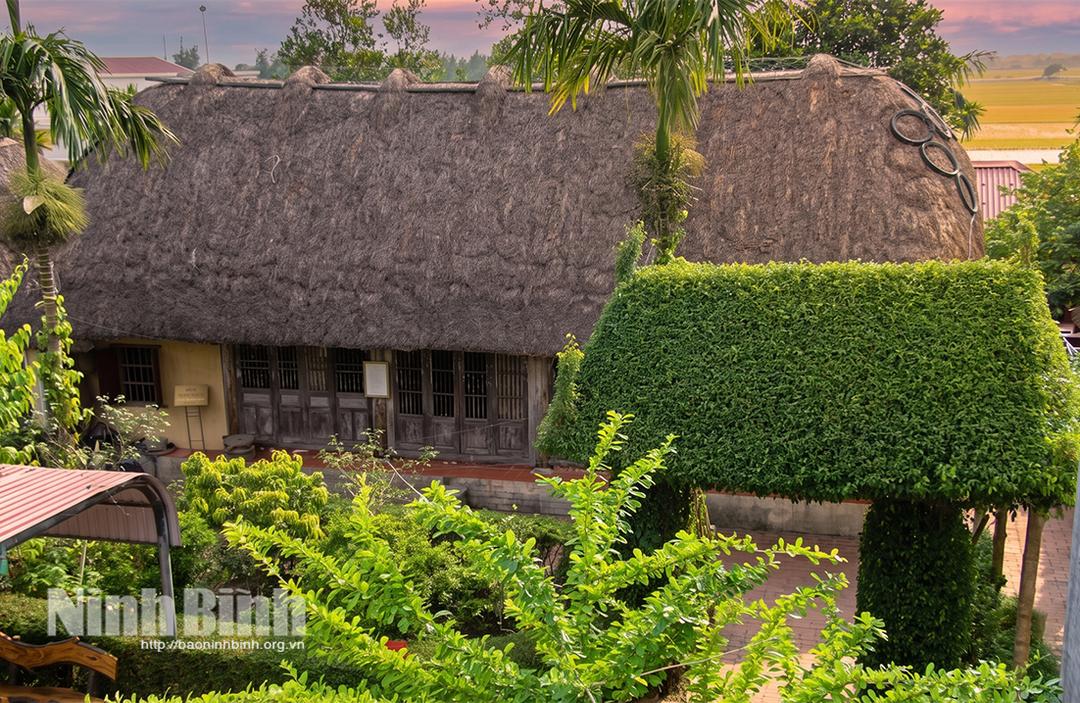
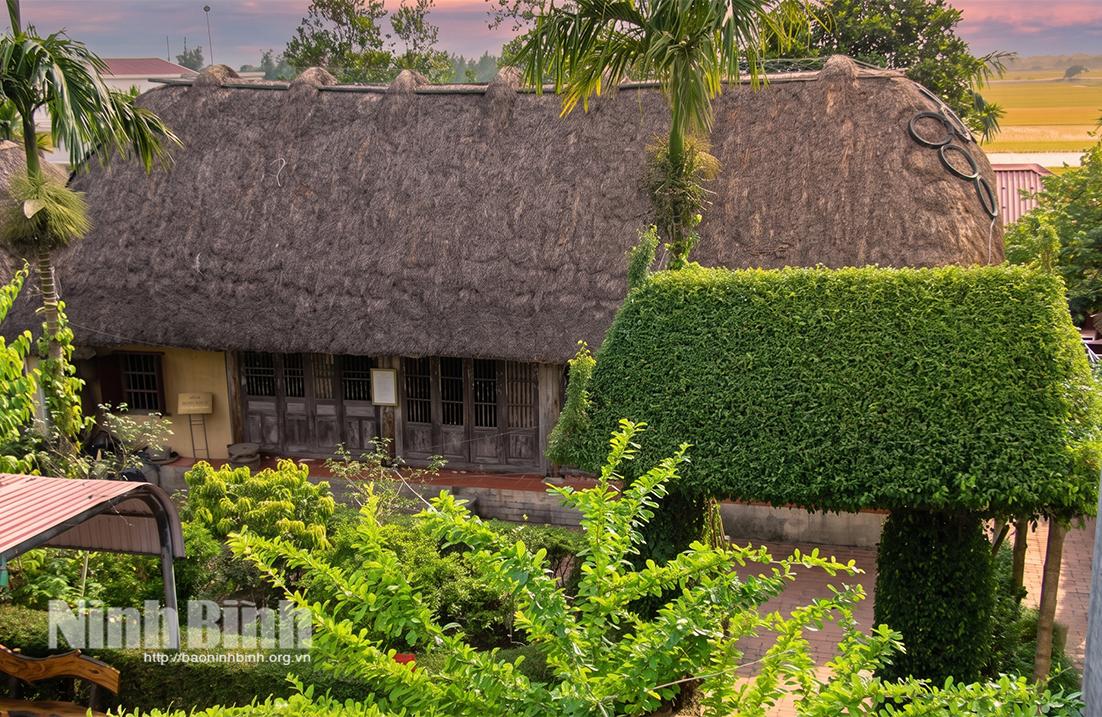
Preserving traditional sedge-thatch houses in Ninh Binh

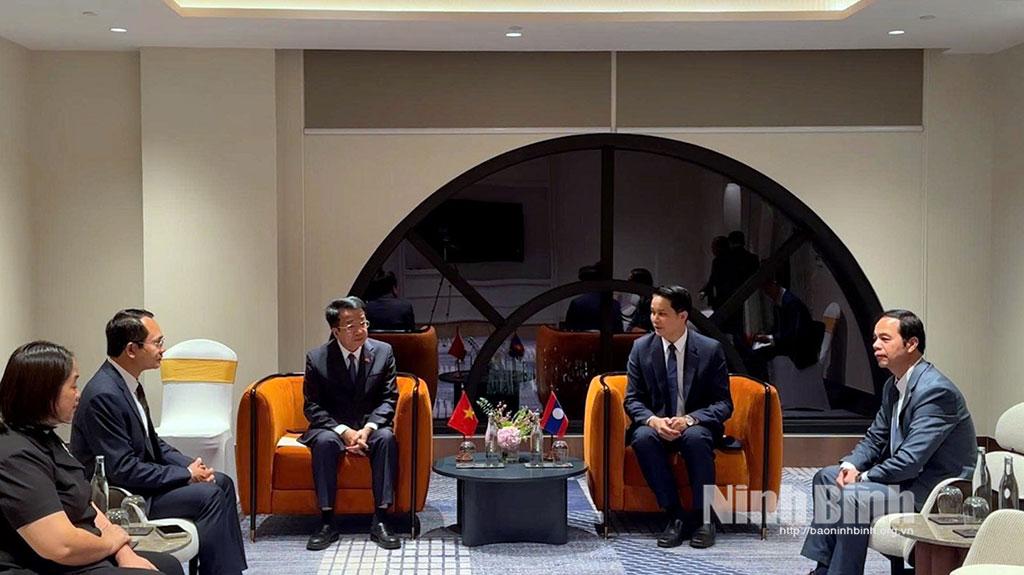
Ninh Binh strengthen friendly cooperation with Oudomxay
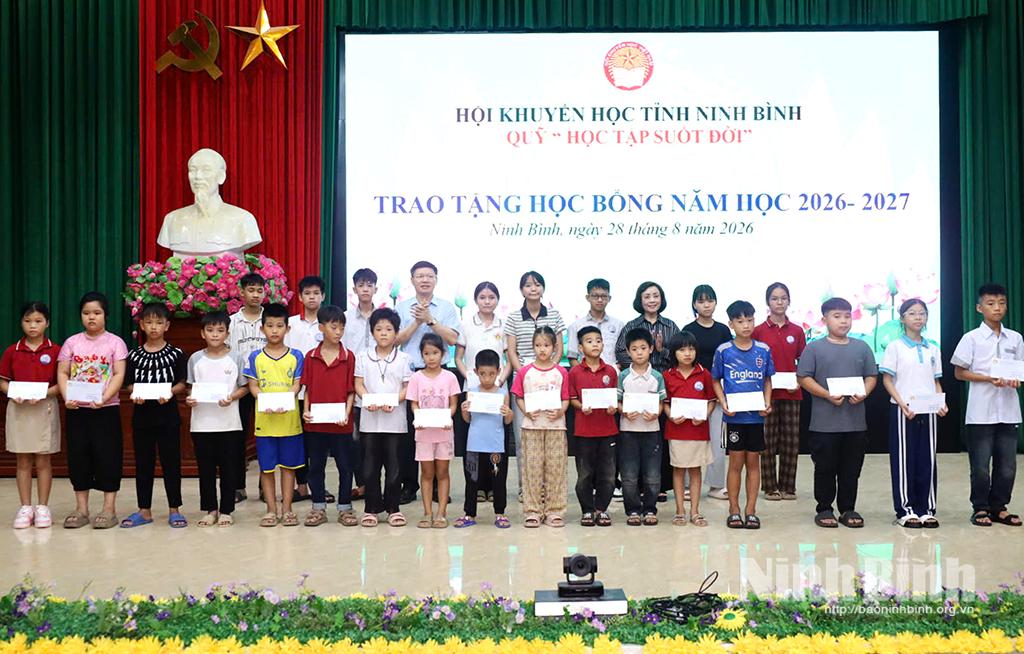
Ninh Binh mobilises resources to support disadvantaged students
Tin cùng chuyên mục

Muong Lo Festival 2026 opens with grand Xoe dance performance
Preserving traditional sedge-thatch houses in Ninh Binh