
Strong export growth paves the way for Ninh Binh to achieve annual target
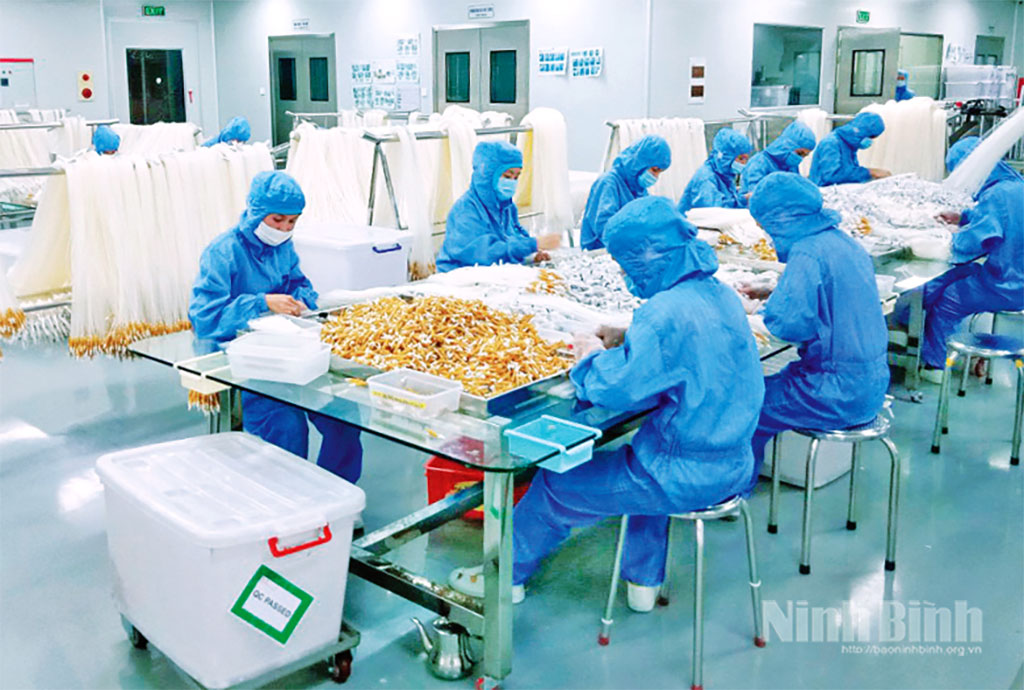
Strong growth in key export sectors
Despite complex global economic developments and frequent adjustments to tariff policies in major markets, Ninh Binh’s export performance remained positive.
According to the provincial People’s Committee’s socio-economic report, export turnover in the third quarter of 2026 was estimated at 10.62 billion USD, up 43.1% year on year. Cumulative export turnover in the first nine months reached 28.13 billion USD, representing a 50% increase compared with the same period in 2025.
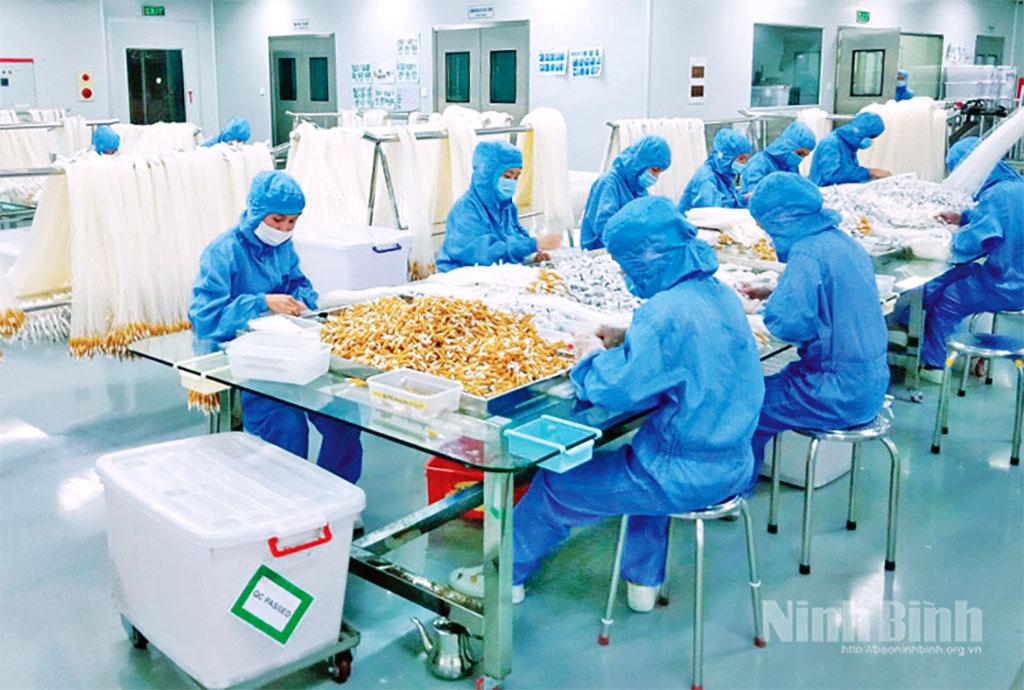
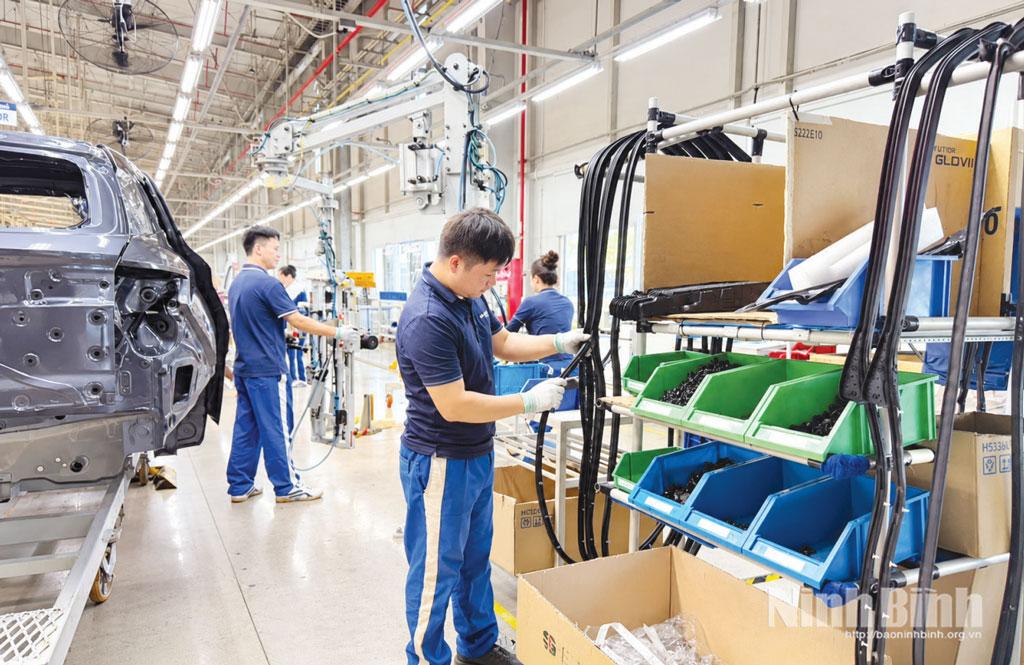
According to the provincial Department of Industry and Trade, the figure was equivalent to 86.8% of the full-year target. Notably, growth was recorded across several key export categories. Electronic components generated an estimated 11.25 billion USD, up 38.1%; computers and computer components reached 2.85 billion USD, up 67.3%; garments totalled 3.15 billion USD, up 116.4%; footwear reached 1.85 billion USD, up 30%; and automobiles and auto parts generated 502.5 million USD, up 30.8%.
The province’s products have reached more than 100 countries and territories, with many major enterprises participating in global supply chains. These results have been underpinned by the expansion of industrial production. The province’s industrial production index was estimated to have risen 25.01% in the first nine months of the year, with the processing and manufacturing sector growing by 25.38%.
Improved demand for electronic products, electrical equipment and certain consumer goods has enabled businesses to maintain production and expand their operations.
The structure of Ninh Binh’s exports has also become increasingly diversified, with electronics, computers, mechanical engineering and automobiles contributing alongside traditional sectors such as textiles, garments and footwear.
Nguyen Thanh Binh, Deputy Director of the provincial Department of Industry and Trade, said the sector had implemented measures to help businesses develop markets and take advantage of preferences under FTAs. Efforts to disseminate information on trade commitments, rules of origin and tariff reduction and elimination schedules had been stepped up, providing businesses with additional information to organise production and select suitable markets.
Despite the strong export growth, the sector still faces several challenges, including dependence on foreign partners for both input materials and sales markets. Many businesses have yet to gain greater control over their value chains and distribution networks, while domestic value added remains relatively low compared with overall export turnover.
Such dependence leaves production vulnerable to changes in orders, raw material prices and trade policies.
Supporting businesses to retain markets and secure more orders
At its fourth session on July 28, 2026, the 16th provincial People’s Council adopted Resolution No. 52/NQ-HDND, adjusting and supplementing the growth targets set out in the Government’s Resolution No. 169/NQ-CP dated June 27, 2026. Under the revised targets, export turnover in 2026 is expected to increase by 23% compared with 2025.
Binh said that in the remaining months of the year, the Department of Industry and Trade would closely monitor market developments while continuing to help businesses make better use of traditional markets and explore new ones. The department would also strengthen the provision of information on market demand, technical standards, rules of origin and trade policies in individual markets.
The department plans to enhance coordination with specialised agencies under the Ministry of Industry and Trade and Vietnamese trade offices abroad to closely monitor policy adjustments in major economies, including the United States, China, the European Union and Japan.
Alongside efforts to consolidate existing markets, the province will prioritise support for key export products, including electronic components, computers, automobiles and auto parts, textiles and garments, footwear, handicrafts and processed agricultural products.
Market expansion is expected to give businesses more opportunities to find partners and secure orders. The application of information technology and digital transformation in trade promotion will also be encouraged to broaden customer reach and improve product promotion.
The provincial People’s Committee has instructed relevant departments and agencies to continue reviewing the situation, gathering information and promptly addressing difficulties faced by industrial enterprises. Ensuring a safe and stable electricity supply for production is another priority.
For businesses, the immediate task is to maintain stable production, ensure product quality and meet delivery deadlines.
In the longer term, technological innovation, more efficient use of raw materials, compliance with environmental standards and stronger links with domestic suppliers will help increase value added and strengthen the province’s position in production chains.
The final months of 2026 will be a crucial period for Ninh Binh to accelerate export activities and strive to achieve its annual target, thereby contributing to the province’s overall economic growth. Support from authorities, combined with businesses’ ability to respond proactively to the requirements of individual orders and markets, will be essential to sustaining momentum and building a stronger foundation for export development in the years ahead./.

Tin cùng chuyên mục