
Rare turtles repatriated to Cuc Phuong National Park from RoK
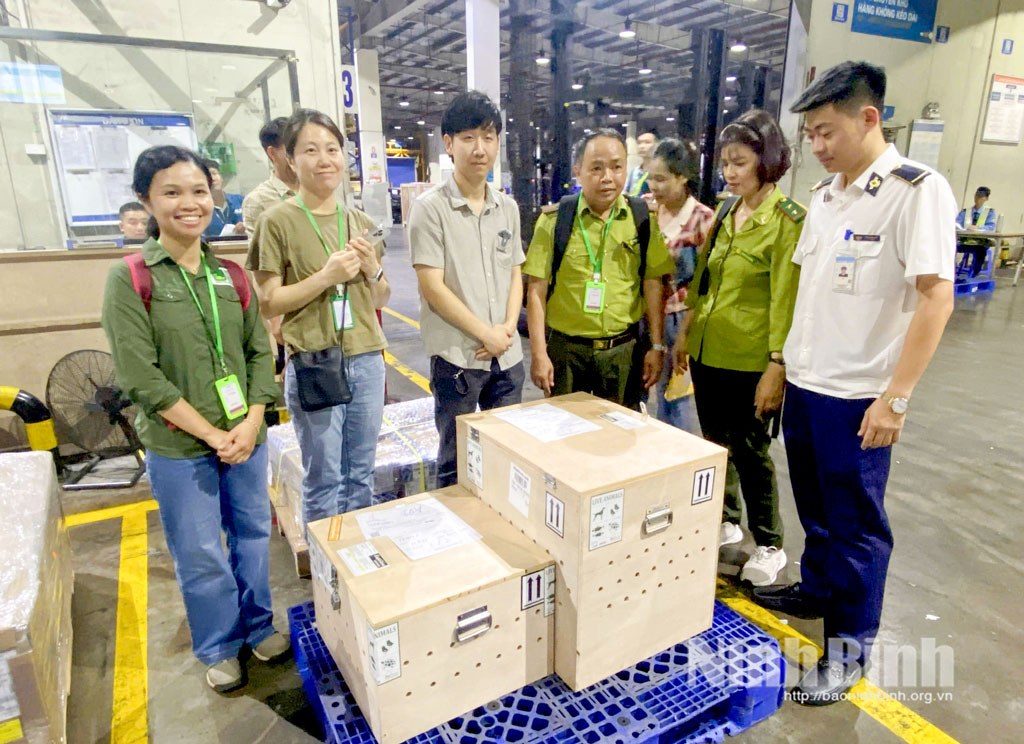
The Cuc Phuong National Park in the northern province of Ninh Binh on May 12 coordinated with Indo-Myanmar Conservation, Vietnamese authorities, and the National Institute of Ecology of the RoK to organise a handover and reception ceremony for the turtles.
The turtles arrived in Vietnam through Noi Bai International Airport on the same day. They are believed to be connected to an illegal wildlife trafficking case uncovered in the RoK.
The shipment includes several endangered Vietnamese species such as the Indochinese box turtle (Cuora galbinifrons), Bourret’s box turtle (Cuora bourreti), keeled box turtle (Cuora mouhotii), and black-breasted leaf turtle (Geoemyda spengleri), all considered highly endangered and increasingly threatened in the wild by habitat destruction, poaching, and illegal trade.
Authorities said the transportation, quarantine and handover procedures were conducted in full compliance with Vietnamese regulations, CITES requirements and international veterinary standards to ensure biosecurity and animal welfare.
Following their arrival, the turtles will be cared for, monitored and assessed at the Cuc Phuong National Park.
Suitable individuals may join captive breeding and conservation education programmes, with the possibility of future release into appropriate natural habitats.
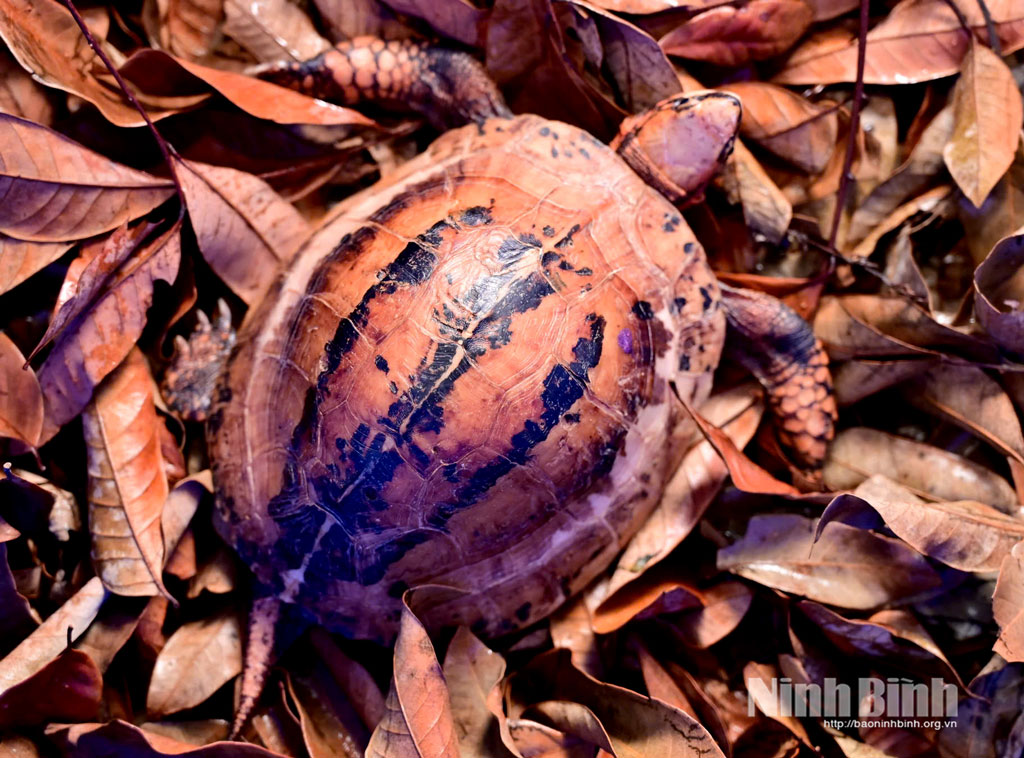
The repatriation highlights the growing effectiveness of cross-border cooperation in wildlife conservation and the commitment of all parties to enforcing CITES, tackling illegal wildlife trafficking and restoring endangered species to their native ecosystems./.
Tin liên quan

In Cuc Phuong National Park, life thrives at every link in the chain

Cuc Phuong National Park Wildlife Restoration Plan launched
Quang Tri hands over rare otter to Cuc Phuong National Park

Tin cùng chuyên mục
Awards ceremony convened for sixth Party ideology writing contest
Top Vietnamese leader hosts banquet in honour of Swiss President

16th National Assembly commences second session
FAO honours 10 prominent Vietnamese women in agriculture, rural development
Ninh Binh’s delegation attends “Meet Korea 2026” plenary conference