

Ninh Binh invests in healthcare workforce, infrastructure to improve quality
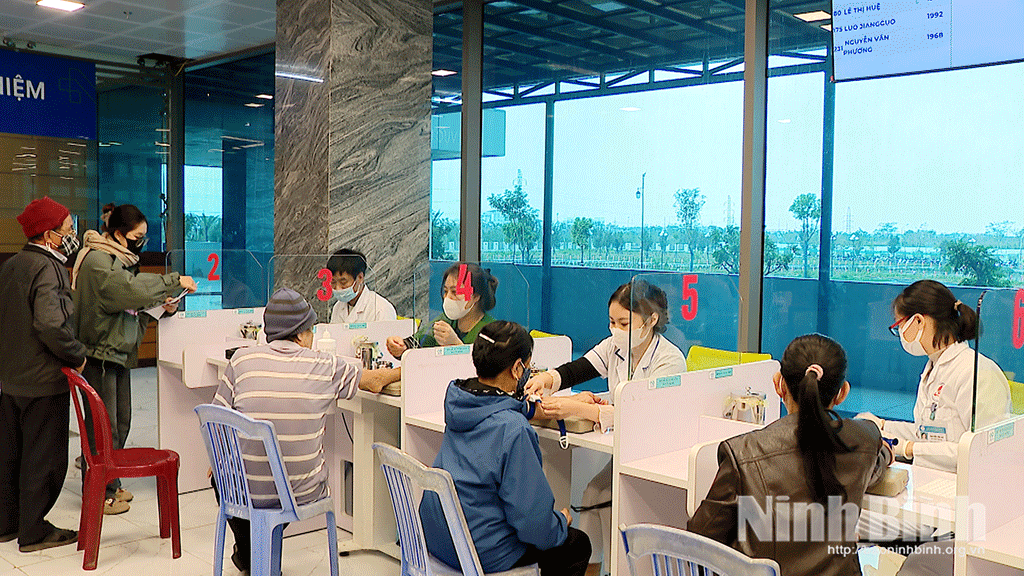
Following the administrative restructuring, Ninh Binh’s healthcare sector is entering a new phase of development, with a larger population, broader geographical coverage and greater demand for healthcare services. At the same time, the operation of centrally managed hospitals in the province is expected to create new opportunities for the local healthcare sector.
One notable step is the Ninh Binh Provincial People’s Council’s issuance of Resolution No. 12/2026/NQ-HDND on attracting highly qualified human resources in selected fields and providing support for highly qualified and talented personnel in public service during the 2026-2030 period. Healthcare has been identified as one of the strategic fields prioritised for attracting talents.
Under the policy, one-off financial support for highly qualified personnel in strategic fields can reach 1 billion VND (38,000 USD) per person for professors, 700 million VND for associate professors, 400 million VND for PhDs, 350 million VND for Level II specialist doctors and pharmacists, 250 million VND for master’s degree holders, and 200 million VND for students graduating with excellent results.
Alongside new recruitment, the healthcare sector will continue to provide training from medical assistant to doctor and postgraduate training. It will also enhance the transfer of technical expertise from higher-level to lower-level facilities. Regional general hospitals have been tasked with providing professional support to commune-level health stations until sufficient personnel are recruited.
The human resources challenge is being addressed in parallel with investment in facilities and medical equipment, as well as the reorganisation of the healthcare network. Ninh Binh has reorganised 18 medical centres into regional general hospitals responsible for medical examination and treatment.
Meanwhile, personnel and equipment related to preventive healthcare and population affairs have been transferred to commune-level health stations.
Following the restructuring, the population served by each health station has increased significantly. On average, each health station now serves around 32,000 people, more than four times the previous figure.
Pham Thi Phuong Hanh, Director of the Ninh Binh Department of Health, said the department is coordinating with commune- and ward-level People’s Committees and relevant agencies to review the current condition of healthcare facilities, prioritise the renovation and repair of degraded health stations, and provide essential equipment for medical examination and treatment, preventive healthcare and primary healthcare.
Under its 2026 investment attraction project list, Ninh Binh plans to develop and attract one or two hospitals meeting international standards, alongside projects to develop healthcare facilities for the elderly. The orientation forms part of the province’s healthcare development strategy through 2030, with a vision to 2045.
“Policies to attract highly qualified personnel, combined with a professional working environment and modern equipment, will be the key for Ninh Binh to turn its existing advantages into genuine healthcare capacity in the years ahead,” Hanh said./.
Tin liên quan


Preserving traditional sedge-thatch houses in Ninh Binh



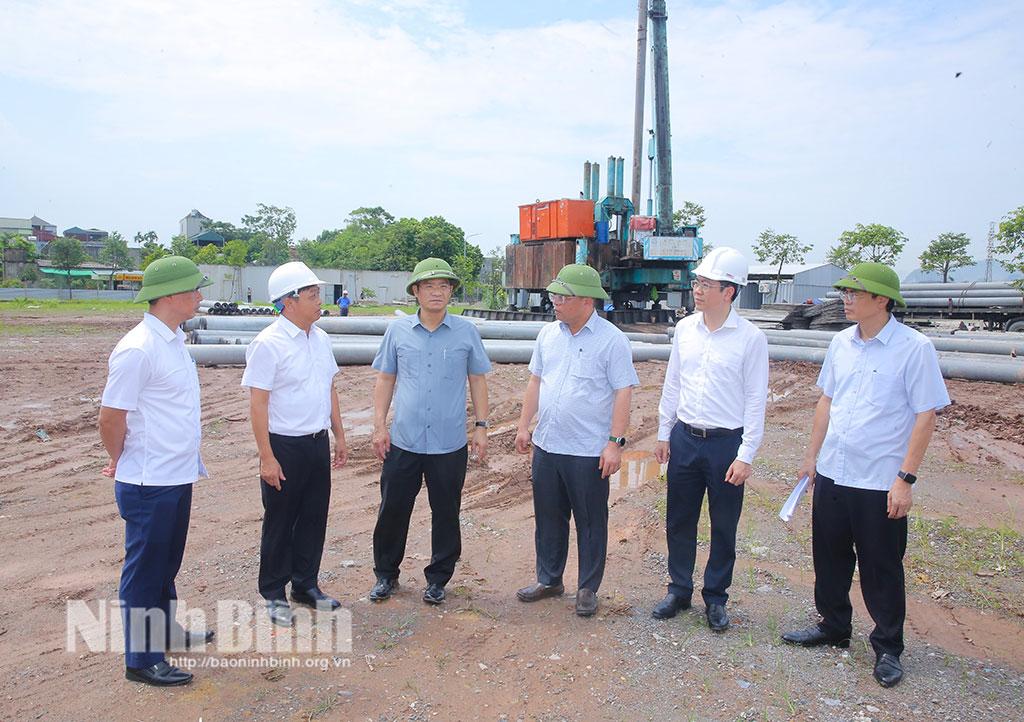

Ninh Binh strengthen friendly cooperation with Oudomxay
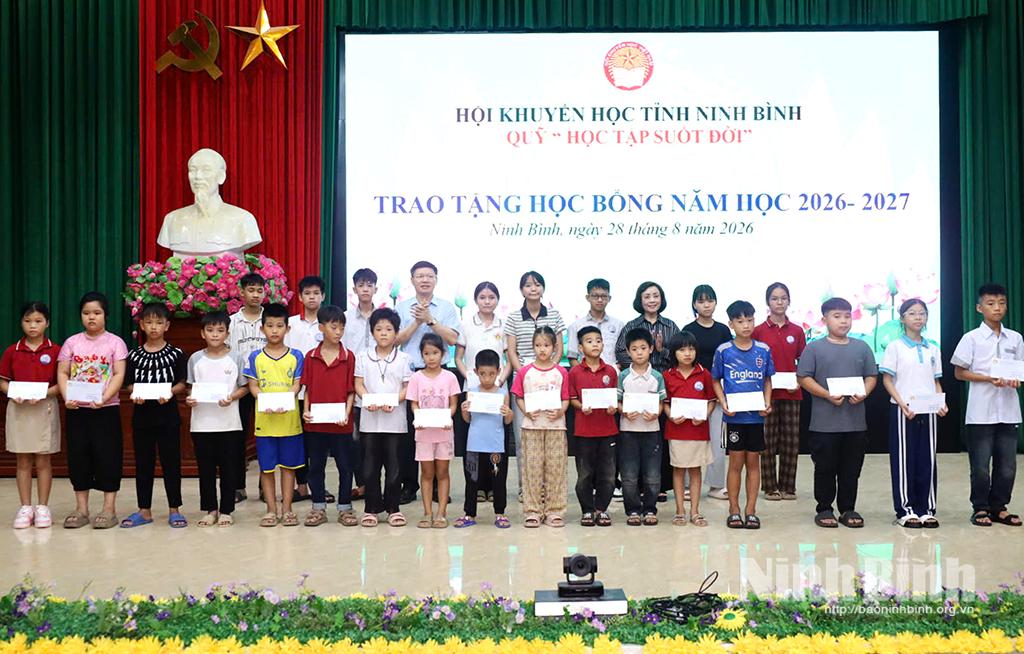
Ninh Binh mobilises resources to support disadvantaged students

Tin cùng chuyên mục

Awards ceremony convened for sixth Party ideology writing contest

Top Vietnamese leader hosts banquet in honour of Swiss President

16th National Assembly commences second session

FAO honours 10 prominent Vietnamese women in agriculture, rural development

Ninh Binh’s delegation attends “Meet Korea 2026” plenary conference