
Ninh Binh aims to become high-tech industrial hub
Location, potential, and outstanding strengths
Following the administrative mergence, Ninh Binh province now covers 3,942.61 sq.km and is home to approximately 4.4 million people, making it one of Vietnam’s six most populous localities.
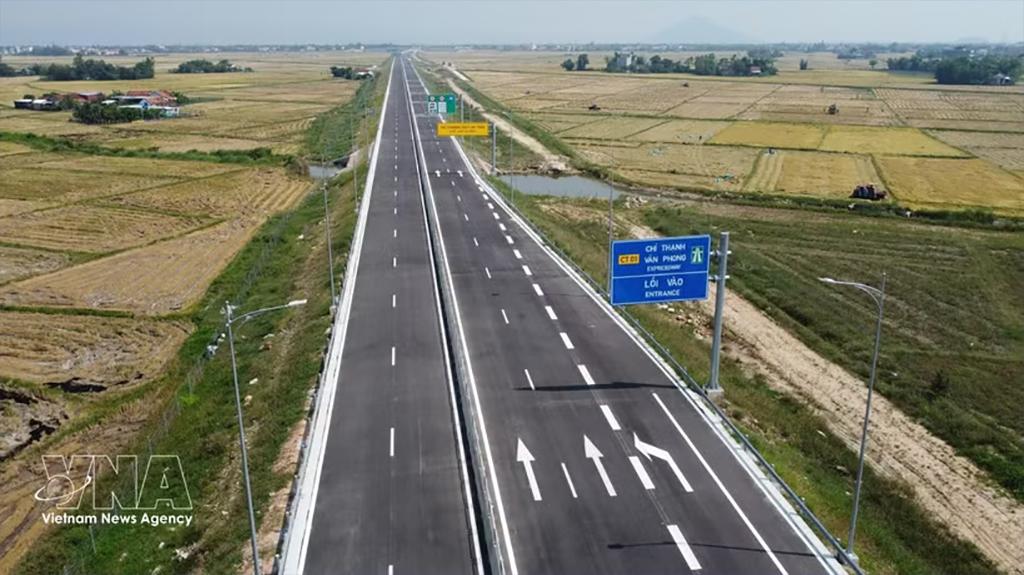
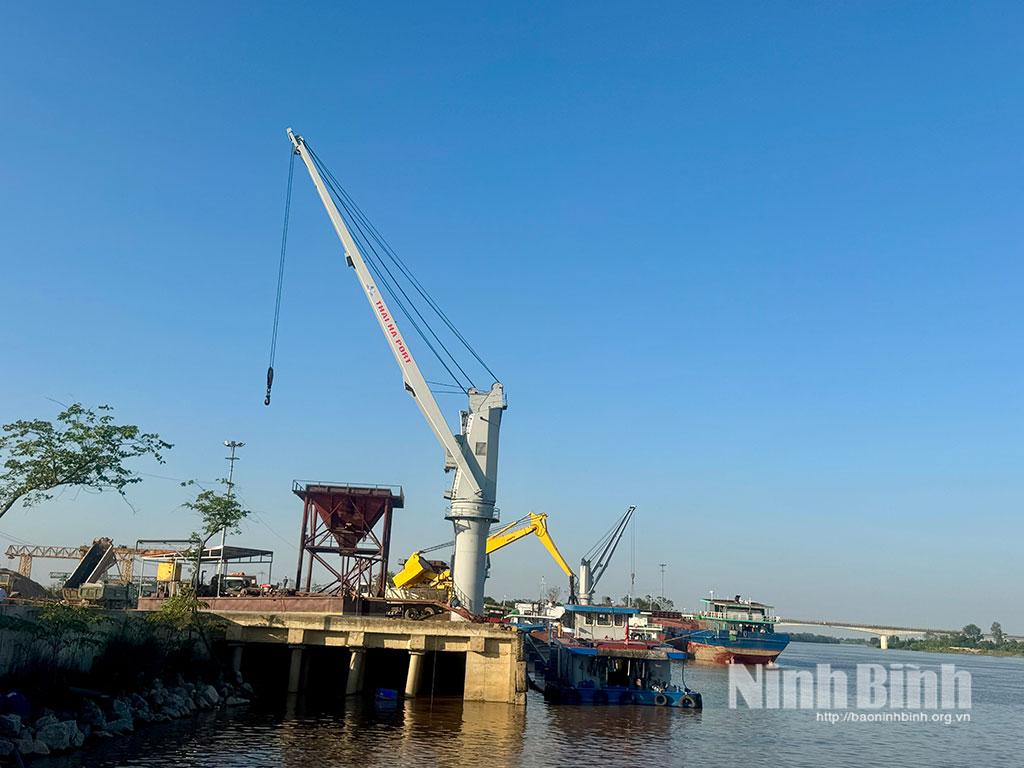
Situated at the southern gateway of the Red River Delta, Ninh Binh occupies a strategic position along the North South Economic Corridor, the Gulf of Tonkin Coastal Economic Corridor, and the East West Economic Corridor. The province also serves as a key transport and logistics link connecting three major economic regions: the Red River Delta, the North Central and Central Coastal Region, and the Northern Midlands and Mountainous Region.
Ninh Binh benefits from a range of development advantages, including an increasingly comprehensive transport network, fertile plains, mountainous landscapes, and more than 90 kilometres of coastline.
The province is also renowned for its rich cultural and historical heritage, with nearly 5,000 historical and cultural sites. Among its most prominent attractions are the Trang An Scenic Landscape Complex, recognised as a UNESCO World Cultural and Natural Heritage Site, and the UNESCO-listed Practice of The Mother Goddess Worship of the Three Realms.
Among Vietnam’s top FDI destinations
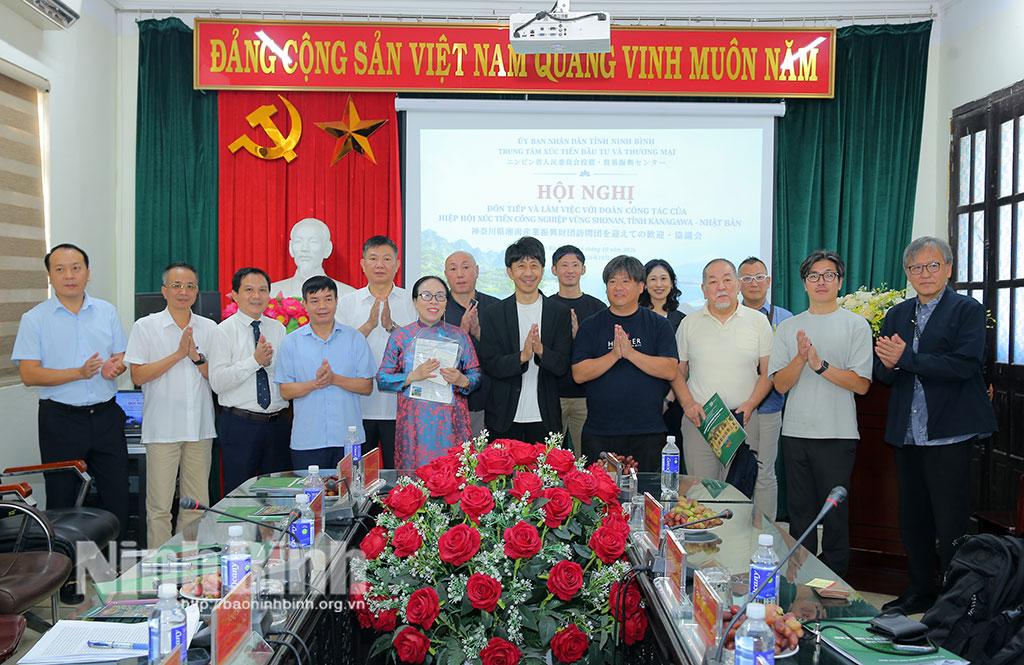
Ninh Binh ranks among the country’s top 10 destinations for foreign direct investment (FDI). As of May 2026, the province had attracted 871 FDI projects with a combined registered capital exceeding 15.7 billion USD, alongside 2,610 domestic investment projects worth more than 1.21 quadrillion VND.
The province’s gross regional domestic product (GRDP) in 2025 was estimated at 187.8 trillion VND, up 10.65% year-on-year, ranking third among Vietnam’s 34 provinces and centrally governed cities and third within the Red River Delta region.
Industrial and construction activities generated 90.4 trillion VND, up 13.7%, while services contributed 62.6 trillion VND, rising 9.62%. Agriculture, forestry, and fisheries reached 20.1 trillion VND, increasing 3.53%.
By the end of 2025, Ninh Binh’s economic scale had expanded to 342.8 trillion VND, with per capita GRDP estimated at 89.19 million VND.
The province’s economic structure continues to shift toward higher-value sectors. Industry and construction account for 47.05% of the economy, services for 34.39%, and agriculture, forestry, and fisheries for 11.04%.
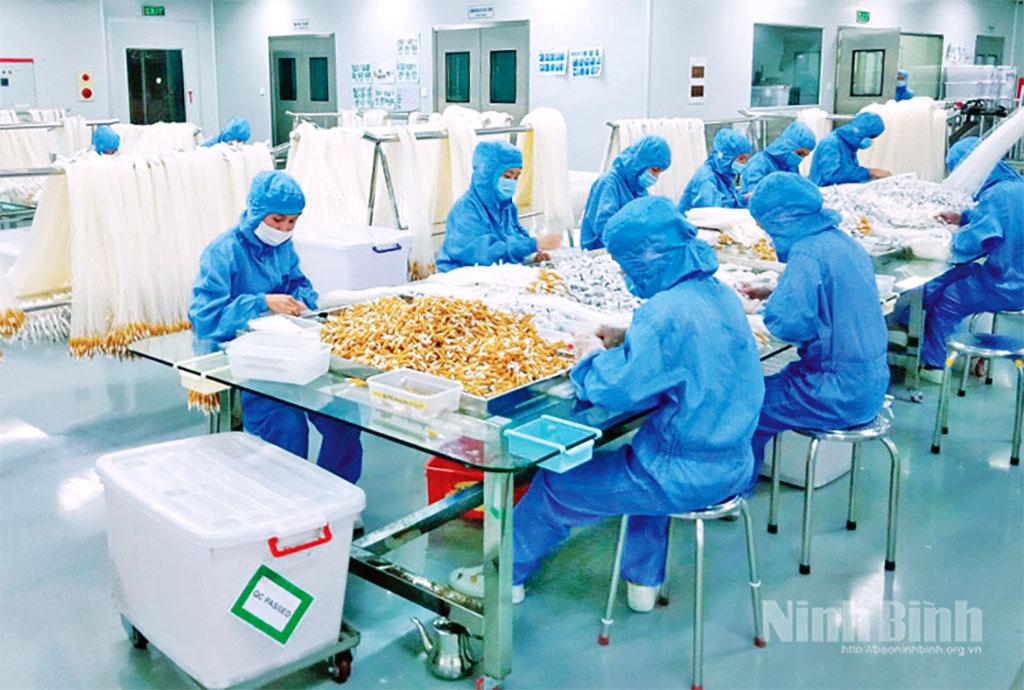
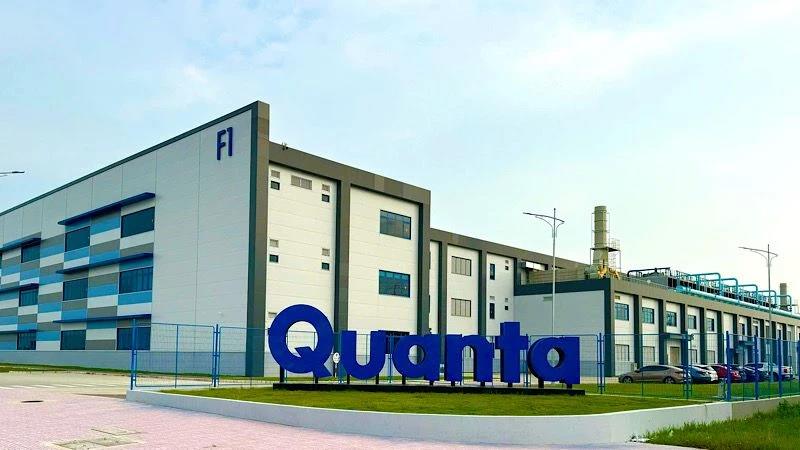
Several flagship projects featuring advanced technologies, green growth models, circular economy principles, and innovation have become major contributors to the province’s economy. These include Quanta Computer’s laptop manufacturing plant, a high-purity liquid CO₂ production facility, and a camera module manufacturing project. Together, these investments are laying the foundation for Ninh Binh’s ambition to become a national high-tech industrial centre.
Investment attraction strategy
Under its development strategy for 2021 2030, with a vision toward 2050, Ninh Binh is prioritising investment in high-tech industries, advanced manufacturing, smart production systems, artificial intelligence applications, green transition, and clean technologies.
Key industrial sectors such as mechanical engineering, automobile assembly, supporting industries, electronics, information technology, biotechnology, advanced materials, renewable energy, semiconductors, and agricultural processing are expected to remain major growth drivers while strengthening the province’s participation in global supply chains.
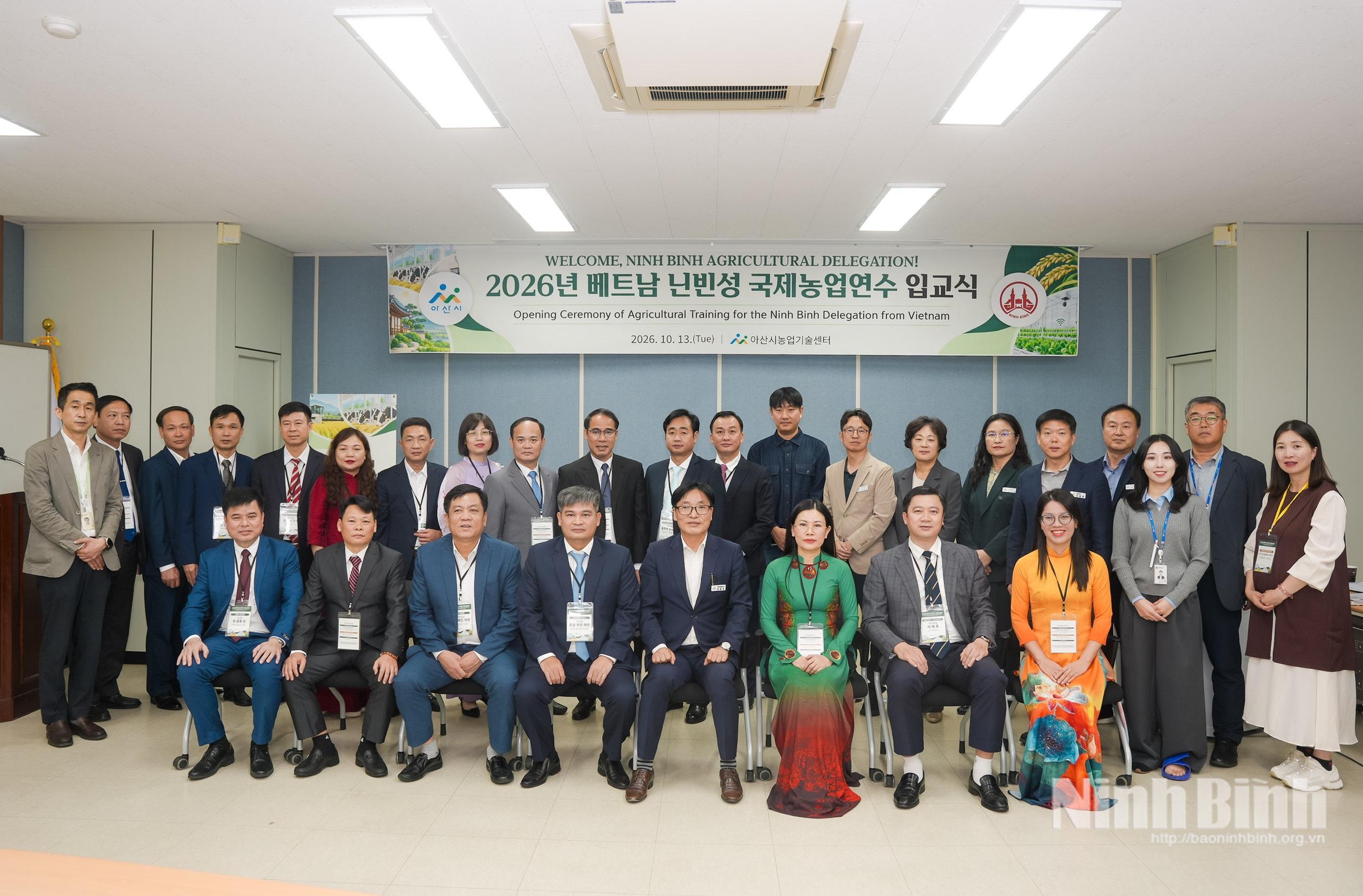
In agriculture, the province seeks investment in ecological, organic, safe, circular, and high-value farming models supported by advanced technologies and integrated with eco-tourism, landscape preservation, and biodiversity conservation. Priority will be given to projects developing specialty agricultural products, OCOP products, and competitive crop and livestock value chains.
Ninh Binh is also promoting investment in agricultural processing and preservation industries to increase value-added production and meet domestic and export market demands.
Expanding tourism and cultural industries
The province is reinforcing its position as a national and international tourism destination, leveraging the distinctive values of Hoa Lu Ancient Capital, the Trang An Scenic Landscape Complex, Tam Coc Bich Dong, Cuc Phuong National Park, and a wide network of historical and cultural landmarks.
Authorities are encouraging investment in eco-tourism, luxury resorts, wellness tourism, international-standard hotels, convention and exhibition centres, and high-end entertainment facilities, creating a diversified tourism ecosystem with strong international competitiveness.
Recognising the growing potential of cultural industries, Ninh Binh is also prioritising projects in creative and heritage-based sectors, including film studios, cinema and television production, sports and event management, festivals, multimedia arts, software development, and digital gaming. These initiatives are expected to strengthen the province’s unique cultural identity while generating new economic opportunities.
Developing industrial parks and clusters
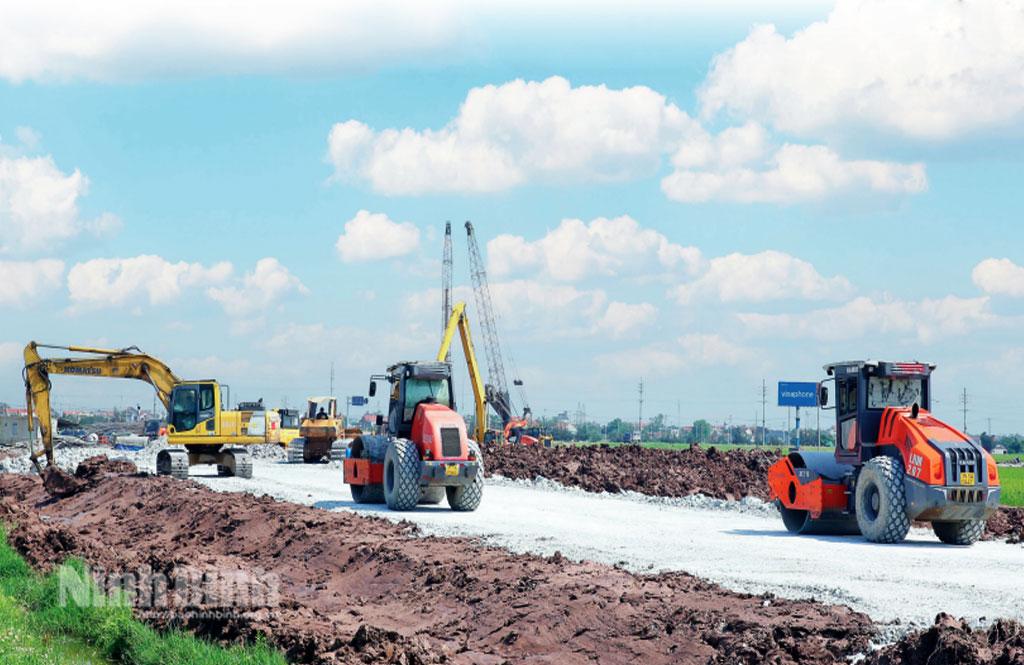
Industrial development remains a central pillar of Ninh Binh’s growth strategy. Industrial parks are being planned in alignment with broader socio-economic development goals, transport infrastructure projects, and urban expansion plans.
By 2030, the province aims to establish 97 industrial parks covering nearly 47,800 hectares, an increase of 45 parks and more than 32,800 hectares compared with current plans.
In addition, Ninh Binh plans to develop 114 industrial clusters with a total area of approximately 6,557 hectares, strategically distributed across coastal economic zones, urban centres, rural areas, and industrial development corridors.
Competitive incentives for investors
To attract investment, Ninh Binh is implementing the highest level of incentives available under Vietnamese regulations, including exemptions and reductions in land-use fees, land rental costs, and land-use taxes, as well as preferential corporate income tax rates for eligible projects.
Provincial authorities provide comprehensive support services for investors, including project information, site selection assistance, administrative procedures, land clearance, workforce training and recruitment, and access to essential infrastructure such as electricity, water, internet connectivity, and logistics services.
The province is also committed to maintaining a stable business environment, facilitating connections within domestic and international value chains, and supporting product promotion activities.
At the same time, Ninh Binh emphasises sustainable development by balancing economic growth with cultural preservation, social progress, and environmental protection.
Investment promotion efforts are also being directed toward urban development projects, social housing, and logistics infrastructure to support sustainable socio-economic development./.
Tin cùng chuyên mục