
Ninh Binh aims to become global creative city
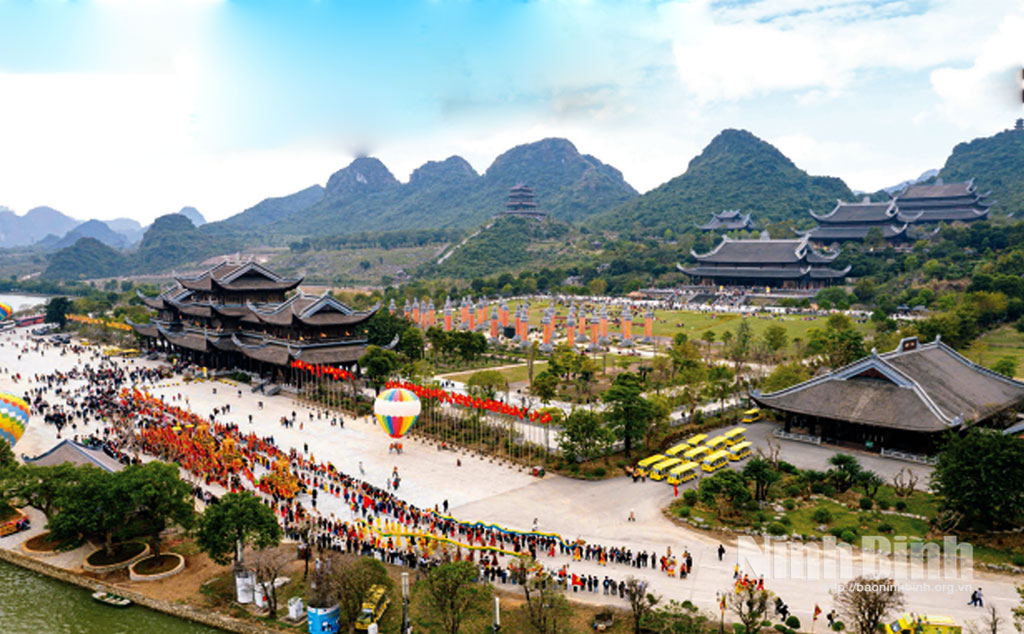
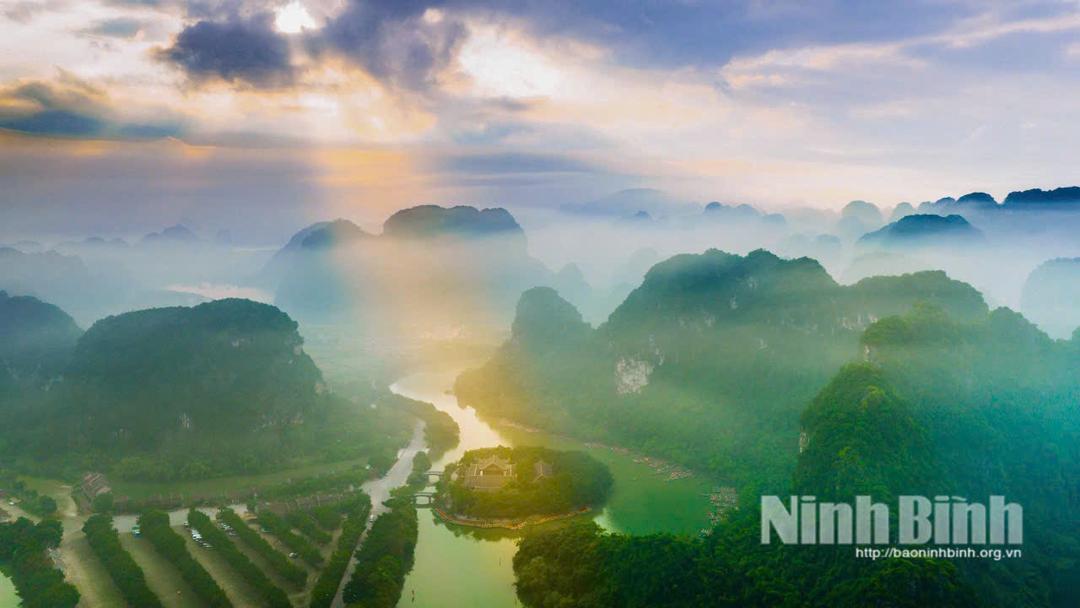
Located at the intersection of the Northwest mountainous region, the Red River Delta, and the North Central region, Ninh Binh is known as a place where mountains meet and waters converge, possessing a rich, diverse, and unique system of tourism resources with outstanding global value.
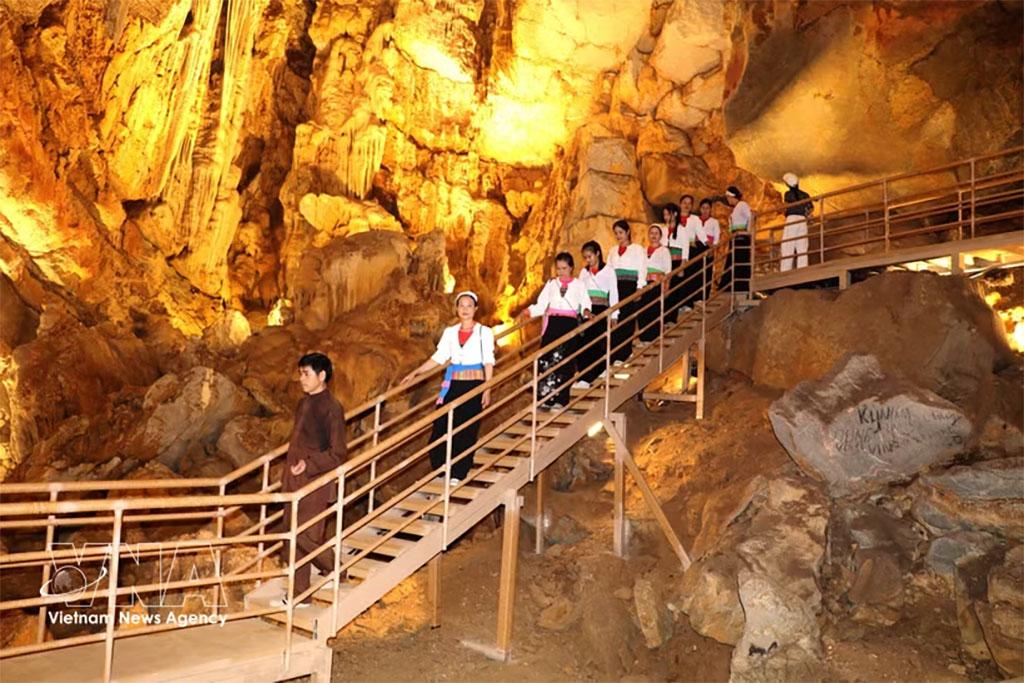
Regarding natural resources, notable examples include the Trang An Scenic Landscape Complex the only World Cultural and Natural Heritage site in Vietnam and Southeast Asia today; Cuc Phuong National Park; Van Long Ramsar Site; Xuan Thuy National Park; Bat Canh Son Scenic Landscape Complex; and Kenh Ga hot springs, which are representative ecological areas of regional and international significance.
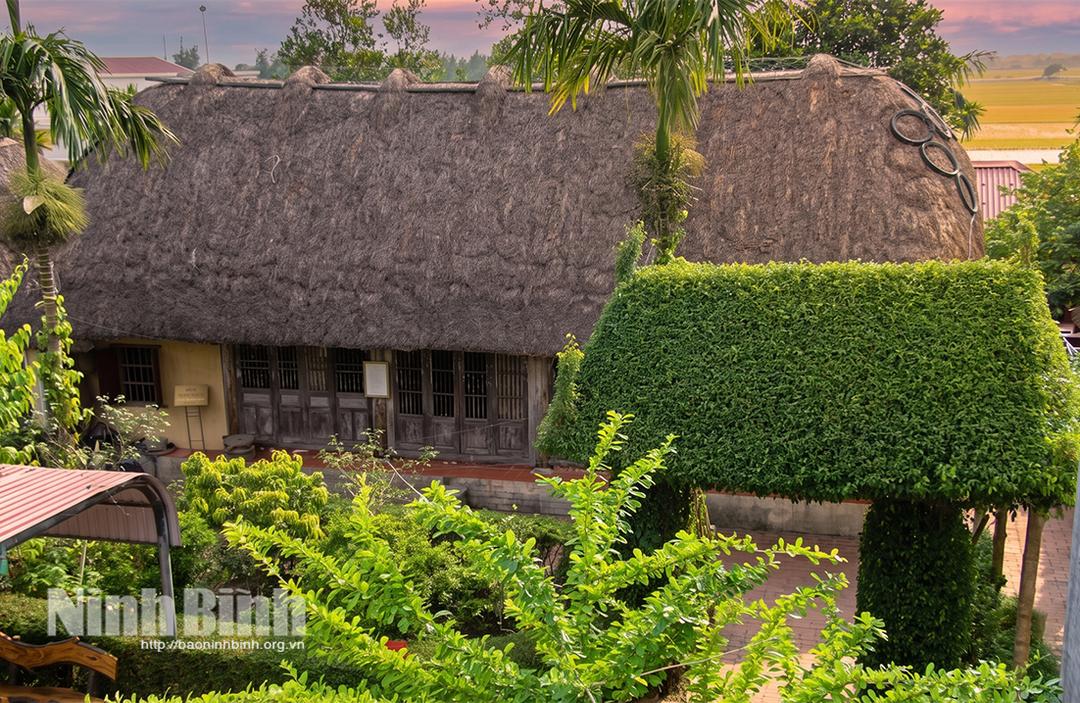
Regarding cultural and historical resources, Ninh Binh is a land where the unique cultural values of the Northern Delta converge, intertwine, and spread. The province has more than 5,000 relics of various types, including 10 special national relics, along with many national treasures.
Notably, Ninh Binh boasts numerous cultural and spiritual complexes such as: Phu Day, Tran Temple, Thanh Nguyen Temple, Lanh Giang Temple, Truc Temple - Ngu Dong Thi Son, Bai Dinh Pagoda, Tam Chuc Pagoda, Pho Minh Pagoda, Long Doi Son Pagoda, Phat Quang Pagoda, Dia Tang Phi Lai Pagoda, Ba Danh Pagoda, Phat Diem Cathedral, Phu Nhai, and Bui Chu.
Ninh Binh also possesses a unique system of intangible cultural heritage with 40 national intangible cultural heritage sites and two UNESCO-recognised heritage sites.
According to Bui Van Manh, Director of the provincial Department of Tourism, in recent years, the Ninh Binh tourism brand has been affirmed on the national and international tourism maps, receiving many prestigious awards such as "Leading Cultural Destination in the World 2023"; "Special Achievement Award 2024"; and ranking 4th in the "Top 10 New Wonders of the World for People Who Don't Like Crowds". Ranked among the “Top 10 friendliest destinations in the world”; Trang An Scenic Landscape Complex nominated for the “Influencing Destination” award at the Kotler Awards; Bai Dinh Pagoda awarded the title “Travellers' Choice - Outstanding Destination of 2025” by TripAdvisor.
Trang An is among the top 1% of favorite destinations worldwide; Van Long is the first conservation area in Vietnam to receive Green List certification in 2020. Ninh Binh is one of the 12 most beautiful filming locations in Asia as selected by the American magazine Travel+Leisure; it has served as the backdrop for many famous films such as: Indochine, Kong: Skull Island, The Hero's Destiny, Ly Cong Uan - The Road to Thang Long Citadel…, contributing to promoting the image of Ninh Binh - a land of heritage - to international friends.
Tourism infrastructure and services invested in comprehensively.
The province currently has more than 50 tourist areas and destinations with diverse types and rich experiences; there are approximately 1,500 accommodation establishments with more than 20,000 rooms… Tourism businesses and local communities are actively innovating and improving product quality, building a civilised and friendly tourism environment.
Many large projects have been implemented and are proving effective, such as: the Trang An ecological tourism area infrastructure project; the Tam Chuc spiritual tourism complex - the largest in Southeast Asia; the National Wildlife Park; high-end resorts such as: Emeralda, Vedana, Muong Thanh Luxury Ha Nam, Melia Vinpearl Phu Ly, Legend Valley, Sun World Ha Nam entertainment complex…
Tourism products are increasingly diverse, formed on the basis of rationally exploiting the potential and advantages of the locality, including heritage tourism, cultural and historical tourism, and spiritual tourism. Tourism in Ninh Binh includes sightseeing of natural landscapes; resort tourism, community tourism; entertainment, creative tourism, and themed tourism.
Over the years, the number of tourists visiting Ninh Binh has steadily increased. Tourism has become a driving economic sector with strong ripple effects and a positive contribution to the province's growth and sustainable development.
On average, during the 2020-2025 period, the number of tourists increased by 25.4% per year, total tourism revenue increased by 43% per year, contributing increasingly to the province's GRDP and creating a shift in the economic structure towards increasing the proportion of services.
In the first quarter of 2026, the number of tourists visiting tourist areas and destinations in the province is estimated to reach nearly 9.9 million, an increase of 20.91% compared to the same period last year. Total tourism revenue in the first quarter of 2026 is estimated at nearly 10 trillion VND, an increase of 18.07% compared to the same period in 2025.
With its unique cultural traditions and the expansive development space after the provincial merger, Ninh Binh is facing a golden opportunity to "take off" in the new era, affirming its local identity on the national and international map of heritage, culture, and tourism.
Resolution 07-NQ/TU of the Provincial Party Committee is the "key" to gradually building Ninh Binh into a millennium-old heritage tourism city, possessing a leading national and international cultural, tourism, and creative ecosystem, and becoming a UNESCO-recognised global creative city.
Accordingly, by 2030, Ninh Binh province aims to become a centre for heritage, ecological, cultural, and religious tourism in Vietnam, as well as a centre for organising national and international events. The cultural and tourism industry will contribute approximately 10% of the province's GRDP.
Tourist areas and destinations will welcome over 30 million tourists; create jobs for approximately 120,000 workers; have at least 300 tourism businesses achieving green certifications; complete the dossier for submission to UNESCO for recognition of two typical historical sites and scenic spots as World Heritage sites; and develop Ninh Binh into a "national film location destination".
The province has proposed fundamental solutions to gradually realise the goal of building Ninh Binh into a UNESCO-recognised global creative city.
It will plan, manage and organise development space in conjunction with the development of strategic infrastructure serving the cultural and tourism industry. Heritage preservation is linked to the development of a cultural and tourism industry ecosystem of products and services; developing specialised tourism product groups such as ecotourism, high-quality resort tourism, beach tourism, and river tourism.
Ninh Binh will develop cultural, ecological, and resort tourism in conjunction with communities, traditional crafts, and experiential agriculture; linking community tourism development with the advanced new-style rural development Programme and model new-style rural development programmes.
It will promote digital transformation and innovation; form innovation centres and spaces; attract domestic and foreign creative enterprises to invest; implement the "Ninh Binh - Creative City" project, gradually meeting the criteria for participation in UNESCO's Global Creative Cities Network.
The province will promote, cooperate and develop destination brands; develop sustainable cultural and tourism industries; research the establishment of funds to support tourism development, heritage preservation funds, and cultural and tourism industry innovation funds; strengthen multilateral cooperation and enhance the role of UNESCO and other international organisations./.
Tin liên quan
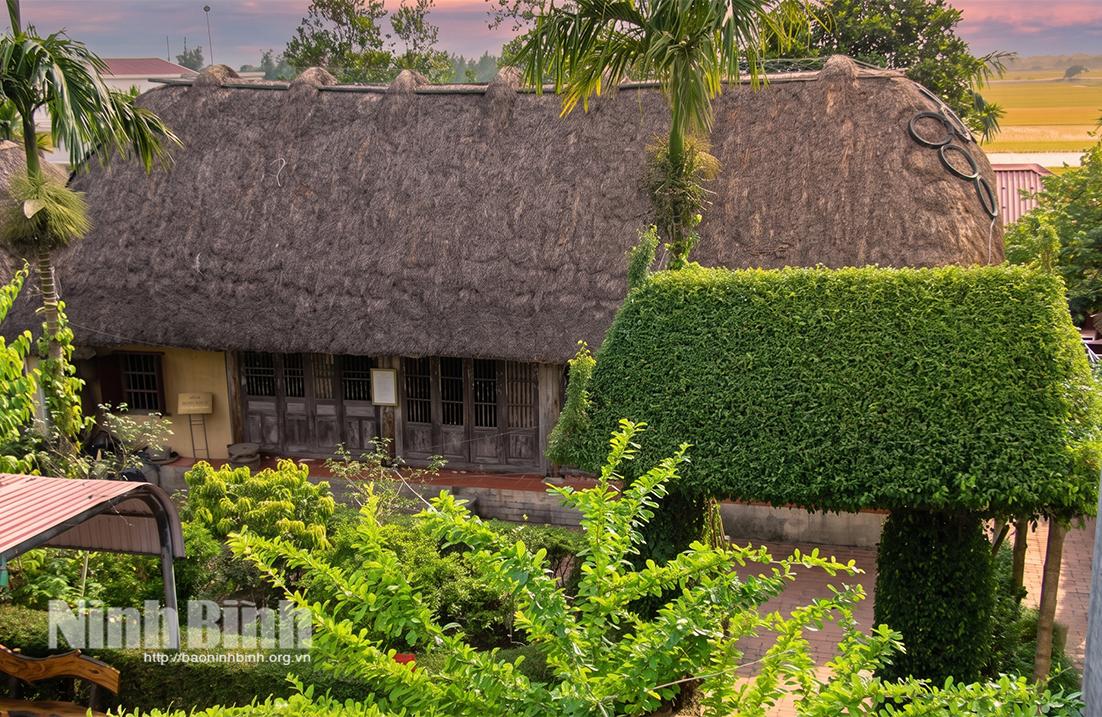
Preserving traditional sedge-thatch houses in Ninh Binh
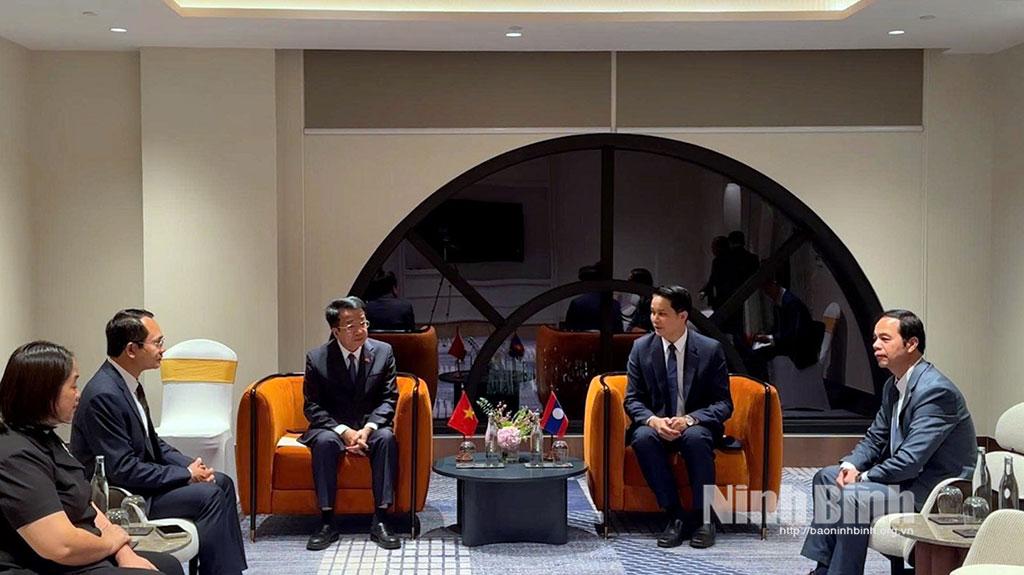
Ninh Binh strengthen friendly cooperation with Oudomxay
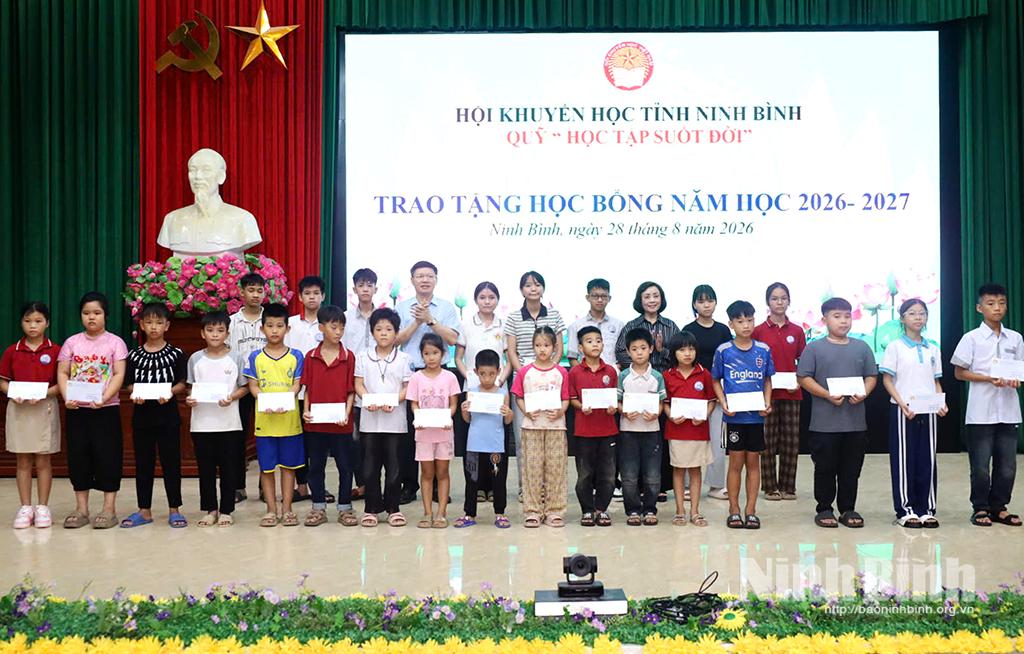
Ninh Binh mobilises resources to support disadvantaged students
Tin cùng chuyên mục
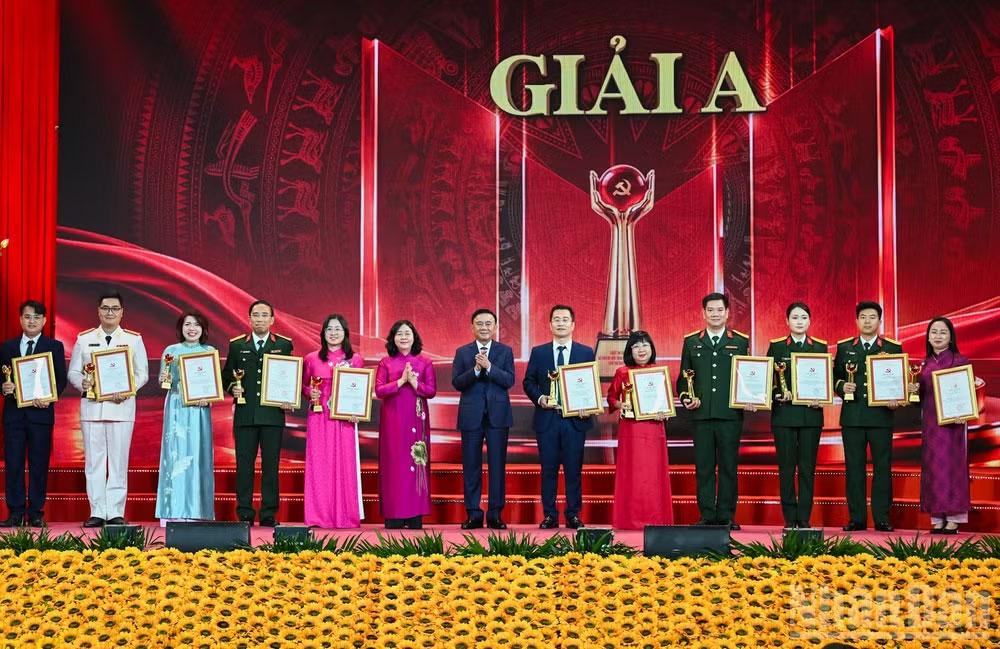
Awards ceremony convened for sixth Party ideology writing contest
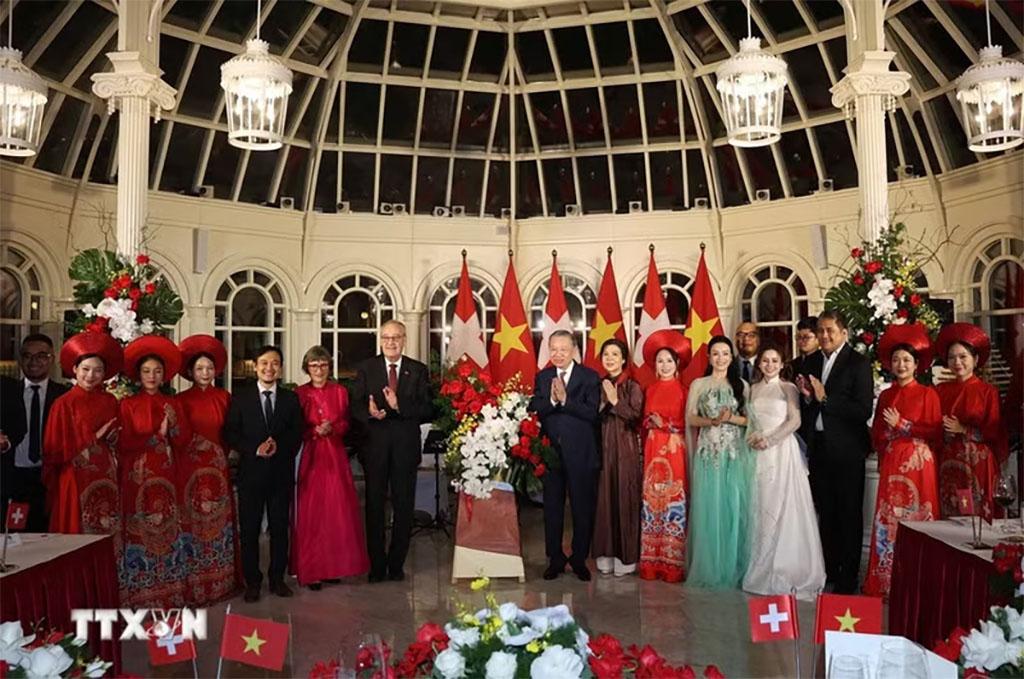
Top Vietnamese leader hosts banquet in honour of Swiss President

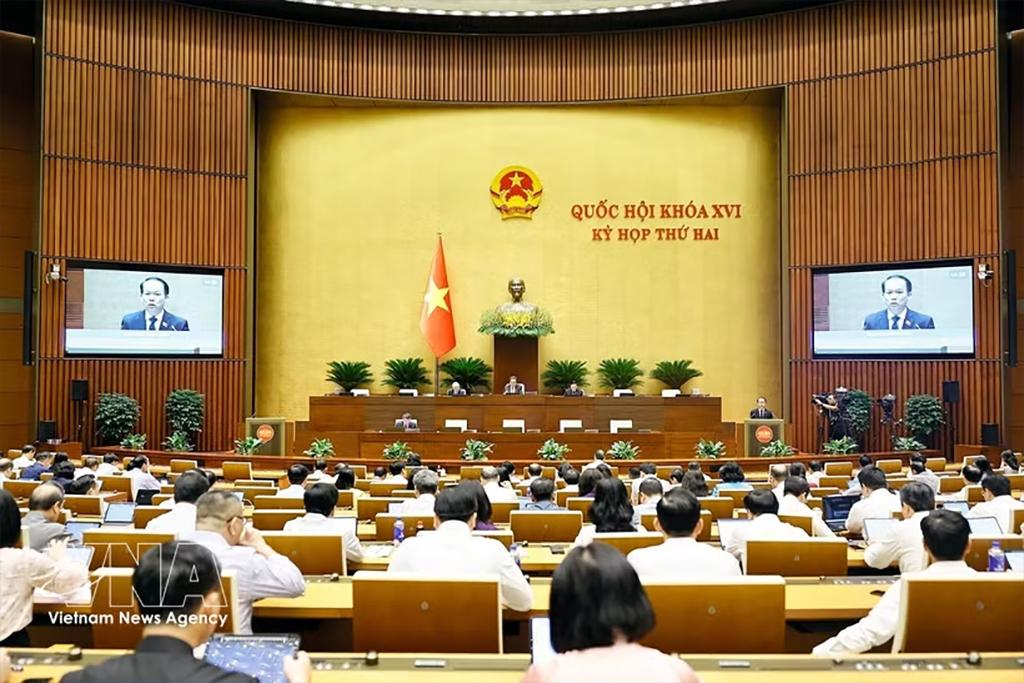
16th National Assembly commences second session
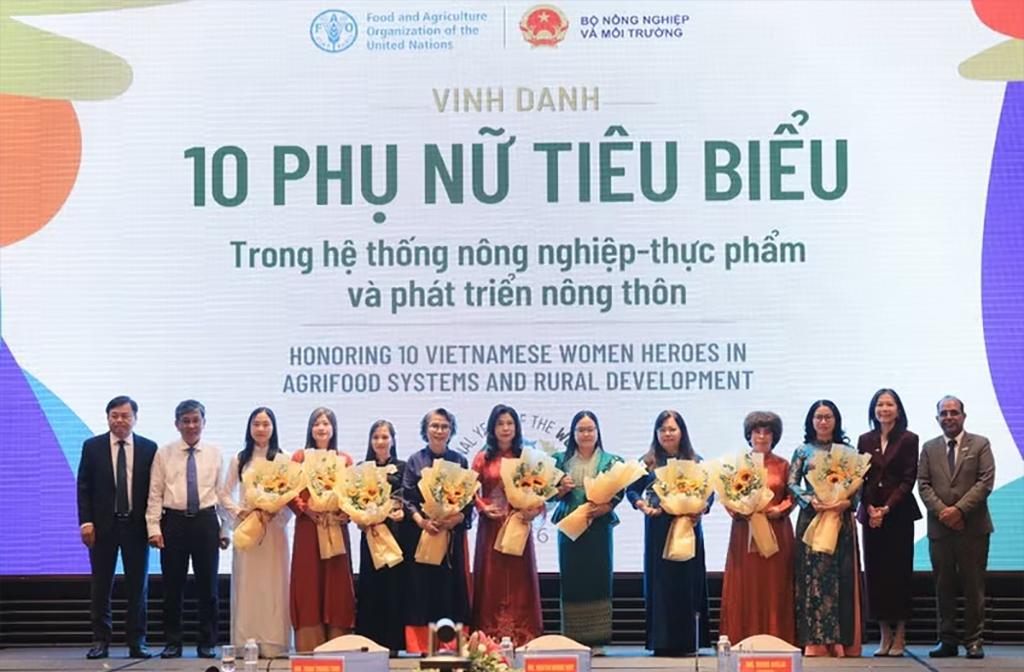
FAO honours 10 prominent Vietnamese women in agriculture, rural development
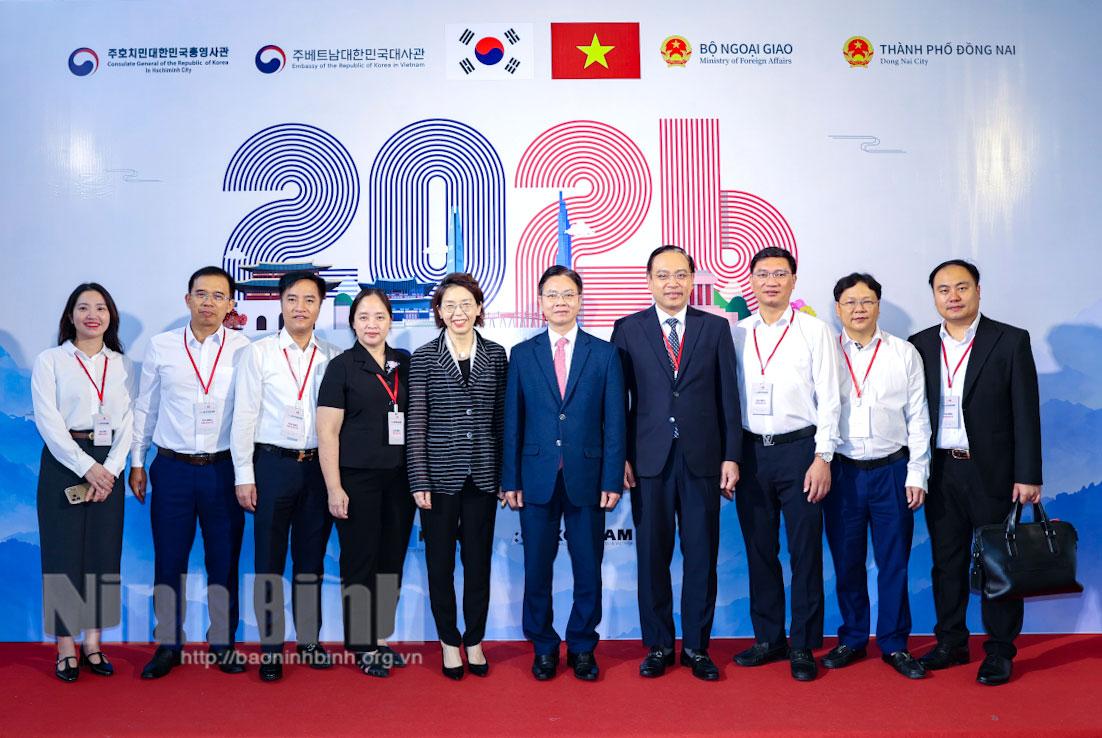
Ninh Binh’s delegation attends “Meet Korea 2026” plenary conference