
Ninh Binh accelerates efforts to meet criteria for centrally-governed city status
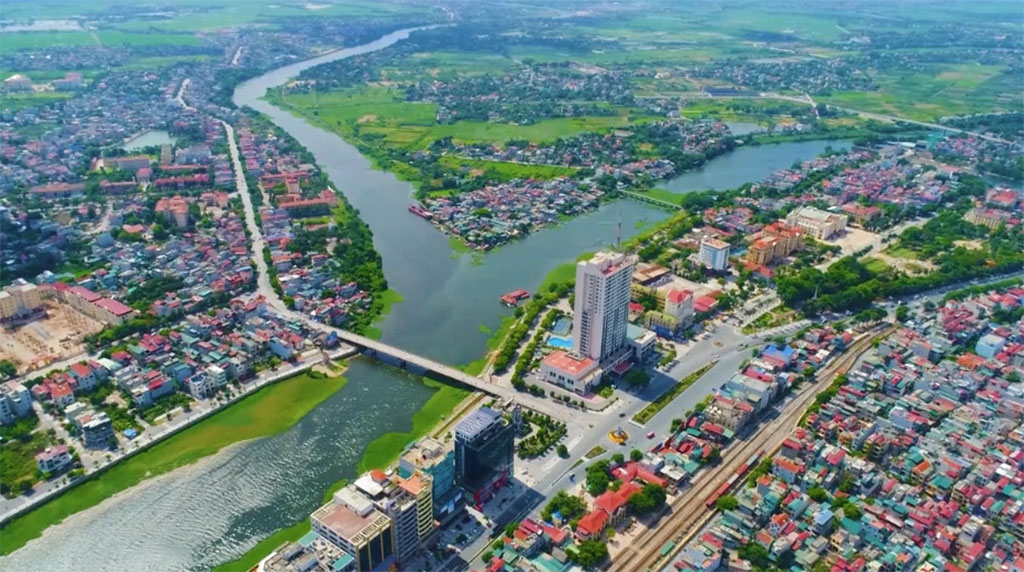
Clear roadmap, specific responsibilities
Under Resolution No. 05-NQ/TU and Plan No. 07/DA-UBND on building Ninh Binh into a centrally-governed city, the province has identified the project as a key political task requiring concerted efforts from the entire political system.
Provincial departments, agencies and localities are reviewing assigned tasks and drawing up plans with specific timelines and responsibilities, while incorporating the project's objectives into sectoral and field-specific development programmes.
Communication and dissemination efforts have also been stepped up to build consensus in awareness and action.
Under the roadmap, Ninh Binh aims to meet all standards and criteria stipulated by regulations by 2028, laying the groundwork for completing the dossier on the establishment of Ninh Binh as a centrally-governed city.
As of July 30, 2026, the province had met two standards concerning population size and natural area. Two other standards relating to location and functions, as well as the urbanisation rate, had basically been met.
Three standards remain unmet, including the ratio of wards to commune-level administrative units, recognition as a Class-I urban area, and the structure and level of socio-economic development.
To achieve these targets, Ninh Binh has identified seven major groups of tasks, comprising 88 key programmes, schemes and plans for the 2026-2031 period. Many of them have already been launched, creating a foundation for meeting the remaining criteria.
11 of 15 Class-I urban criteria basically met
According to a report by the Ninh Binh Provincial People's Committee on the implementation of tasks to turn the province into a centrally-governed city before 2030, developing a Class-I urban area has been identified as a key task.
Provincial departments, agencies and localities are reviewing the current situation and implementing planning schemes, while developing transport and technical infrastructure, upgrading urban areas and promoting smart-city development.
As of July 30, 2026, Ninh Binh had basically met 11 of the 15 criteria for a Class-I urban area. Many requirements relating to planning, infrastructure, urban spatial organisation and economic development had either been met or basically met.
However, the province still needs to accelerate the completion of the Ninh Binh Urban Master Plan, increase the urbanisation rate, develop smart urban areas, and improve wastewater treatment, transport, green spaces, solid waste management, green buildings and climate-change resilience.
The two fundamental standards concerning population size and natural area have already been met. For the remaining standards, the province has assigned specific agencies to take the lead and established implementation roadmaps.
The Department of Home Affairs is responsible for implementing the criterion on the ratio of wards to commune-level administrative units during the 2026-2028 period. Meanwhile, the Department of Construction is focusing on the urbanisation rate and recognition of Ninh Binh as a Class-I urban area, with completion targeted for 2027.
The standard concerning the structure and level of socio-economic development is being implemented in a coordinated manner, with the target of balancing the local budget expected to be achieved in 2028.
Overall, progress in meeting the standards for centrally-governed city status is broadly on schedule.
Ninh Binh enjoys a number of advantages, including its strategic geographical location, transport connectivity, cultural and natural heritage sites recognised by UNESCO, as well as strong tourism, industrial and service sectors. Continued improvements in socio-economic development, budget revenue, investment attraction, administrative reform, digital transformation and human resource quality are creating additional resources for implementation of the project.
At the same time, the province faces a number of bottlenecks, particularly in balancing the local budget, developing urban infrastructure, completing land databases, managing solid waste and preserving heritage sites. These areas require substantial resources and close coordination among administrations at all levels and sectors.
In the coming period, Ninh Binh will continue to mobilise resources and accelerate key infrastructure projects, while completing the remaining standards and linking urban development with economic growth, environmental protection, heritage preservation and digital transformation.
With a clear roadmap, well-defined responsibilities and concerted efforts across the political system, Ninh Binh is gradually completing the conditions necessary to achieve its goal of becoming a centrally-governed city by 2028, thereby creating new momentum for socio-economic development and improving the quality of life for local residents./.
Tin liên quan
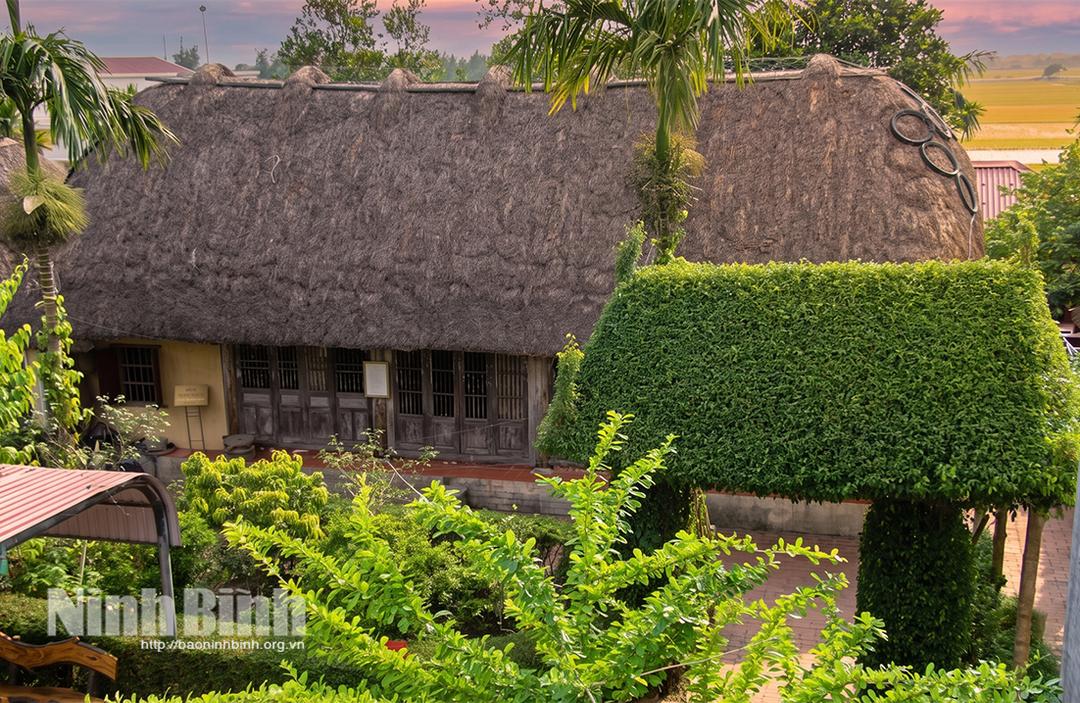
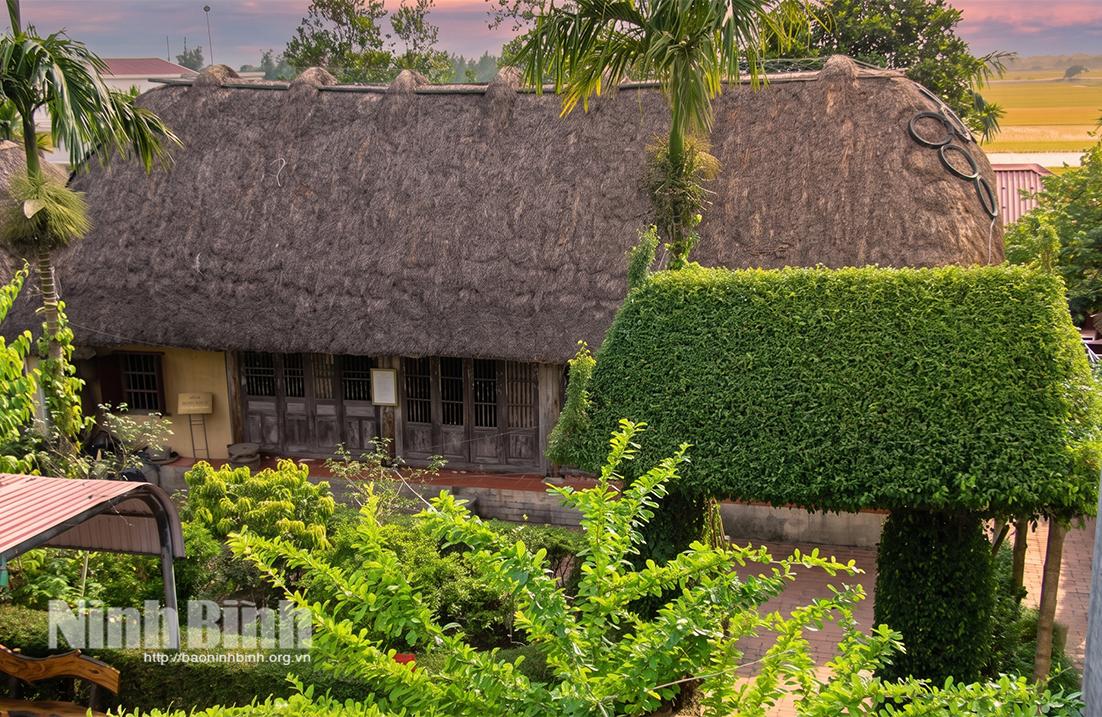
Preserving traditional sedge-thatch houses in Ninh Binh


Ninh Binh strengthen friendly cooperation with Oudomxay
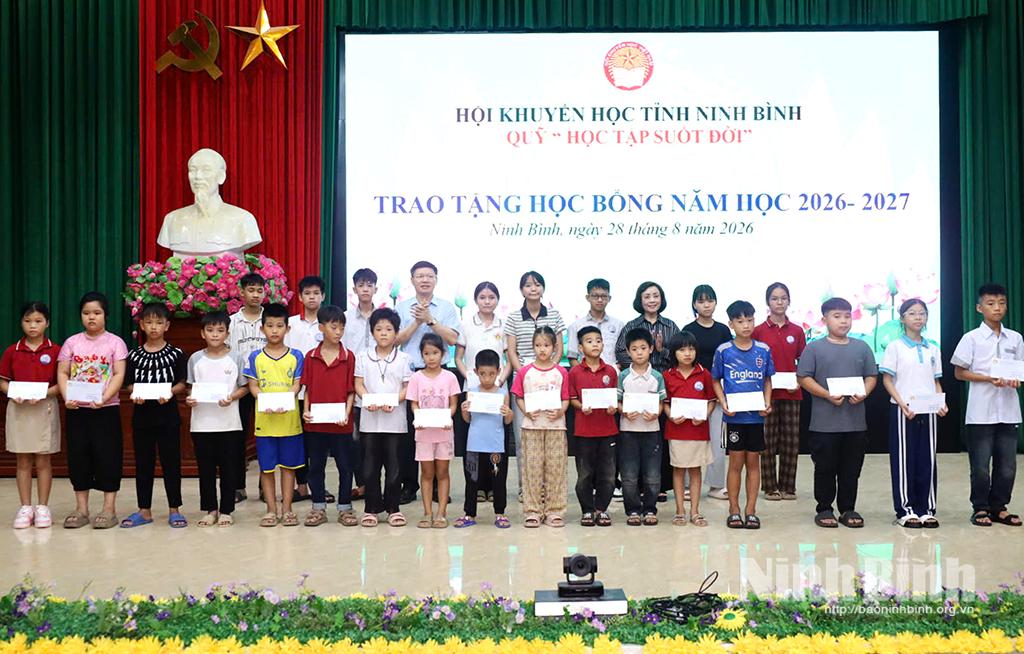
Ninh Binh mobilises resources to support disadvantaged students
Tin cùng chuyên mục
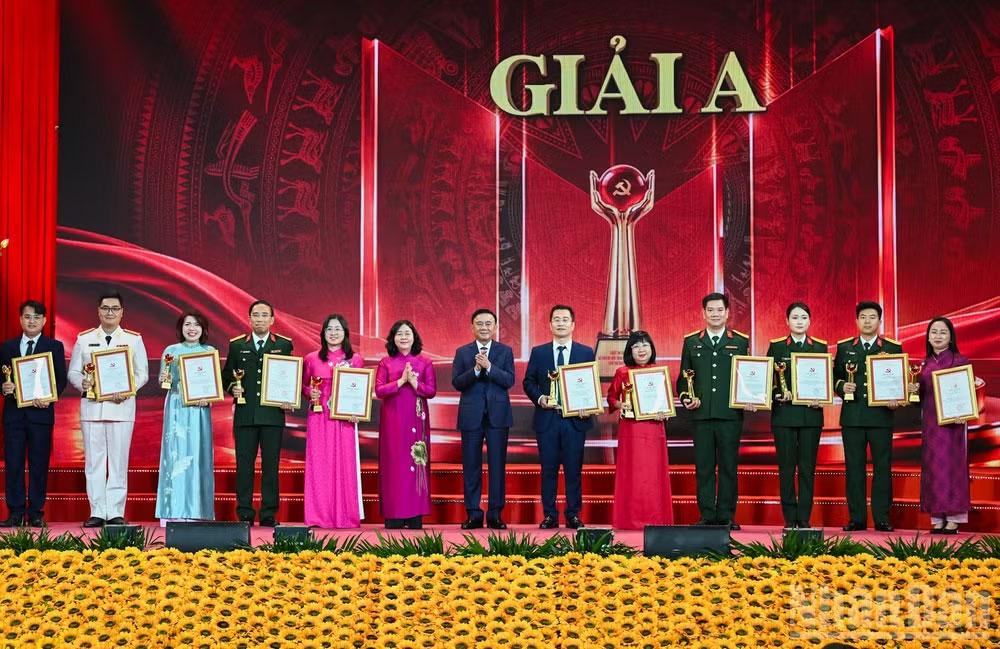
Awards ceremony convened for sixth Party ideology writing contest

Top Vietnamese leader hosts banquet in honour of Swiss President

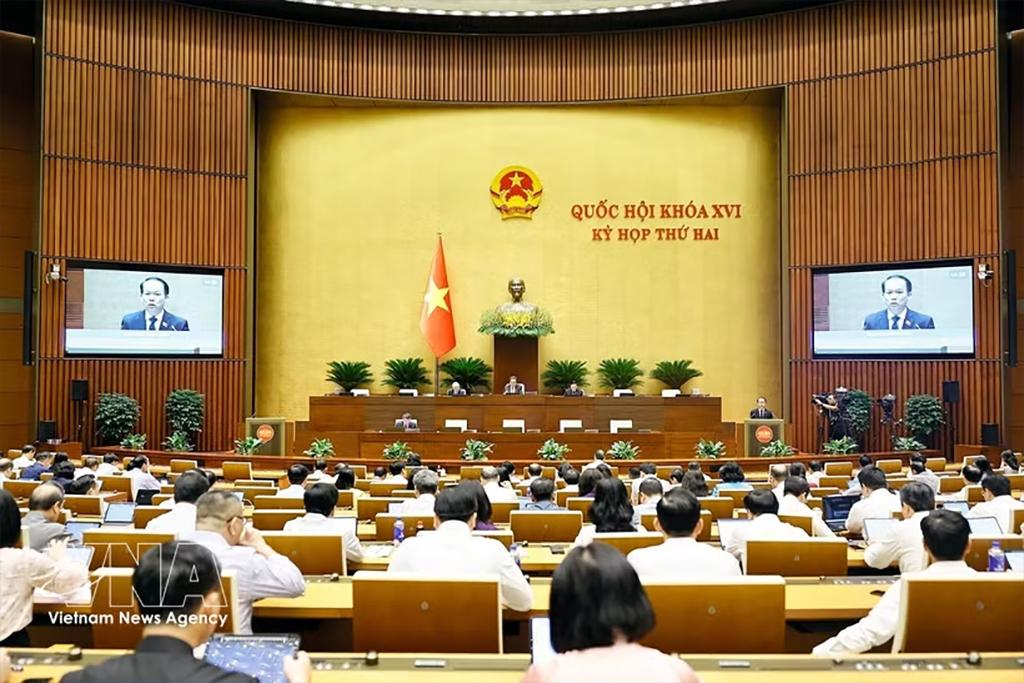
16th National Assembly commences second session
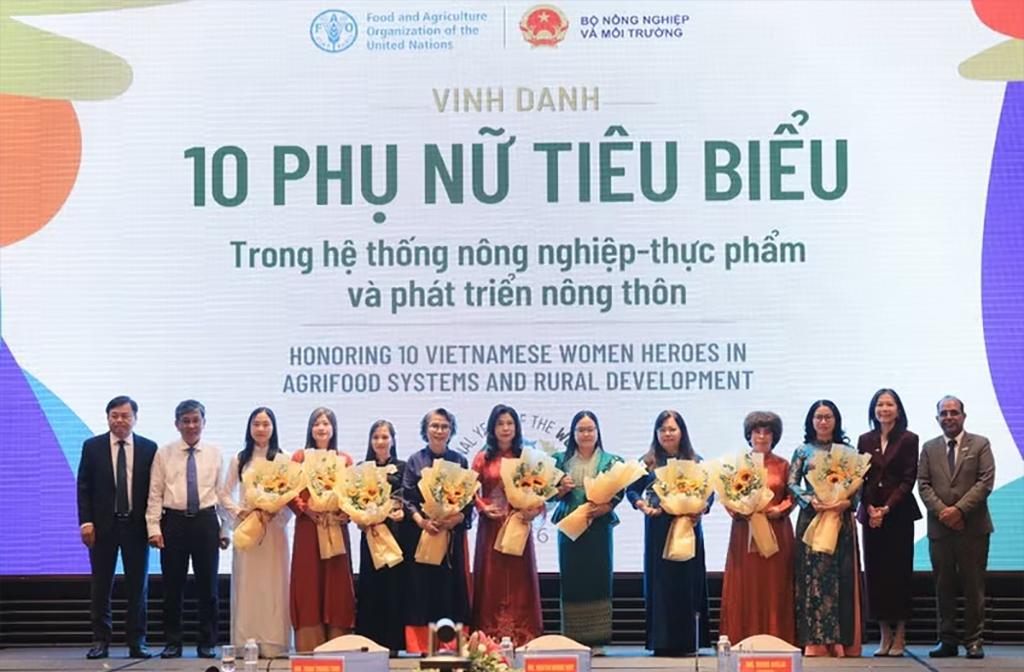
FAO honours 10 prominent Vietnamese women in agriculture, rural development
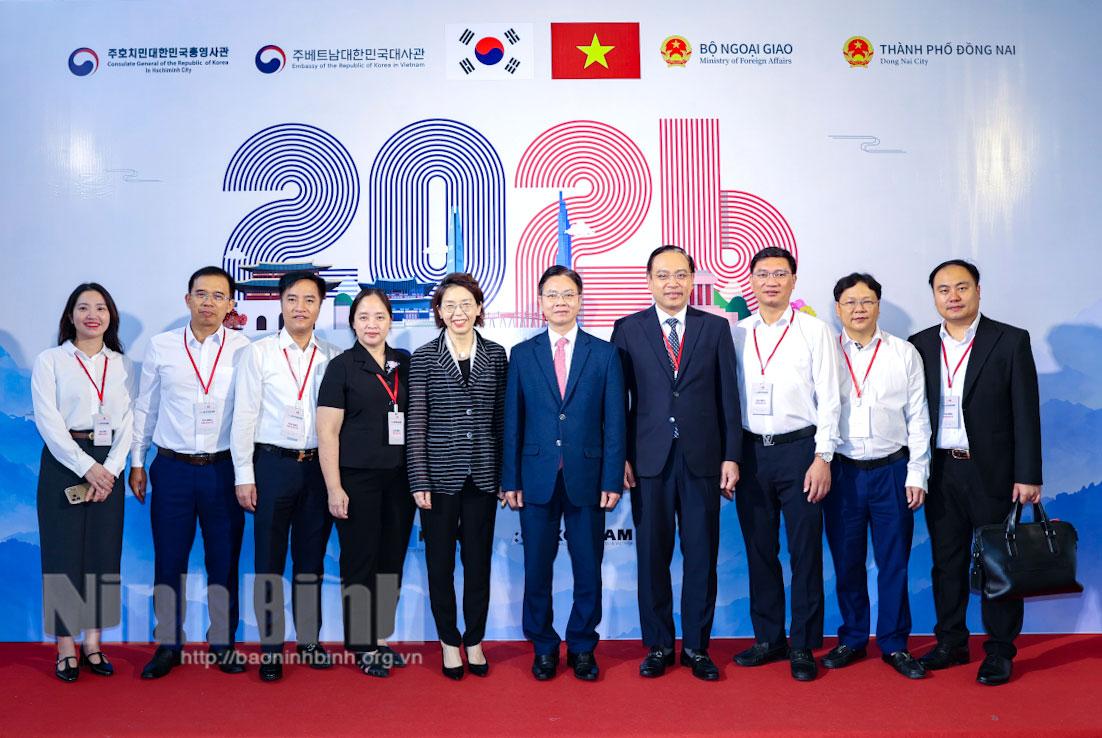
Ninh Binh’s delegation attends “Meet Korea 2026” plenary conference