
Momentum for Ninh Binh to become centrally-governed city before 2030

The initiative is expected to create a new growth pole in northern Vietnam, improve residents' quality of life, strengthen public administration and enhance Ninh Binh's role within the country's national urban system.
Ninh Binh’s position in national urban system
Following the administrative merger, Ninh Binh now covers more than 3,942sq.km and has a population of more than 4.4 million, making it one of Vietnam's most populous provinces. The enlarged province combines strategic geography, rich historical and cultural heritage, abundant human resources, strong economic potential and increasingly modern infrastructure, providing favourable conditions for sustainable development.
During the 2021-2025 period, the province's Gross Regional Domestic Product (GRDP) expanded by an estimated average of 8.2% annually, outperforming the national average. In 2025, Ninh Binh ranked third nationwide in economic growth, while its GRDP rose 11.44% year-on-year in the first six months of 2026, the second-highest rate in the country.
The province has also recorded notable progress in administrative reform, digital transformation and the implementation of Politburo Resolution No. 57-NQ/TW on breakthroughs in science, technology, innovation and national digital transformation.
In 2025, Ninh Binh ranked fourth nationwide in the Public Administration Reform Index and first in digital transformation within state agencies, laying a solid foundation for modern governance and more effective public services.
The province has also emerged as one of the Red River Delta's leading destinations for investment. During 2020-2025, total social investment accounted for 51.25% of GRDP, surpassing several major industrial centres, including Quang Ninh and Bac Ninh. The figure reflects a transparent investment climate, synchronised infrastructure and strong investor confidence.
Ninh Binh currently has 53 industrial parks covering nearly 15,000 hectares under approved planning, alongside 114 industrial clusters with a combined area of more than 6,500 hectares. Total social investment reached an estimated 175.8 trillion VND (6.7 billion USD) in 2025, up 23.9% from the previous year and exceeding the annual target by 10.5%.
Its integrated transport network, encompassing roads, railways, inland waterways and seaports, has strengthened the province's role as a logistics hub for the southern Red River Delta.
Tourism has become a key economic pillar, with visitor arrivals increasing by an average of 25.4% annually during 2021-2025 and tourism revenue expanding by 43% each year. The sector has made an increasingly significant contribution to GRDP while accelerating the shift toward a service-oriented economy.
Education remains another competitive advantage, with both general and specialised education consistently ranking among the country's best.
Living standards have continued to improve, with average annual income reaching 89.19 million VND per capita in 2025, while the multidimensional poverty rate fell to just 1.21 percent.
Strong political will, innovative thinking, and unique policy mechanisms.
According to Duong Xuan Ha, Head of the Administration Building Division under the provincial Department of Home Affairs, Ninh Binh has already met all three major criteria and 11 of the 15 standards required for a Grade-I urban area.
Regarding the criteria for becoming a centrally governed city, the province has fulfilled two standards - population size and natural area - and has largely met two others, namely urban functions and urbanisation rate. Three standards remain to be completed, including the proportion of wards among commune-level administrative units, official recognition as a Grade-I urban area, and further improvements in socio-economic development.
Bui Van Hoang, Director of the provincial Department of Home Affairs, said the goal of establishing Ninh Binh as a centrally governed city before 2030 is fully aligned with national and provincial urban development strategies approved by competent authorities.
The department has coordinated with relevant agencies to advise the provincial People's Committee in issuing Project No. 07/DA-UBND, dated June 18, 2026, on building Ninh Binh into a centrally governed city before 2030. The project is based on a comprehensive assessment of the province's socio-economic conditions, urban development, competitive advantages and remaining challenges.
Under the roadmap, 2026 will focus on strengthening the foundations for urban development by adopting a provincial urban development programme through 2030, increasing the urbanisation rate to around 42 percent, upgrading at least six existing wards to meet Grade-II urban standards, and improving infrastructure in 12 key communes in preparation for their conversion into wards.
In 2027, the province aims to complete the remaining requirements for Grade-I urban status, raise the urbanisation rate to at least 45%, ensure that more than half of its wards meet Grade-II standards, and submit documentation seeking official recognition as a Grade-I urban area.
By 2028, Ninh Binh plans to increase urbanisation beyond 50%, achieve fiscal self-sufficiency and submit a proposal to the National Assembly for approval of its transition into a centrally governed city.
To realise these goals, the province will continue implementing comprehensive measures, including improving planning, expanding urban infrastructure, investing in transport and social facilities, accelerating digital transformation, developing smart cities, attracting investment, promoting urban economic growth and mobilising greater private-sector resources.
Provincial authorities envision Ninh Binh becoming one of Vietnam's leading socio-economic centres, serving as a national and international hub for tourism, cultural industries, high-value services and high-tech industries.
The province also aims to build a modern, climate-resilient infrastructure system while fostering a green, clean and distinctive urban environment that balances economic development with environmental sustainability./.
Tin liên quan

Tin cùng chuyên mục
Awards ceremony convened for sixth Party ideology writing contest
Top Vietnamese leader hosts banquet in honour of Swiss President

16th National Assembly commences second session
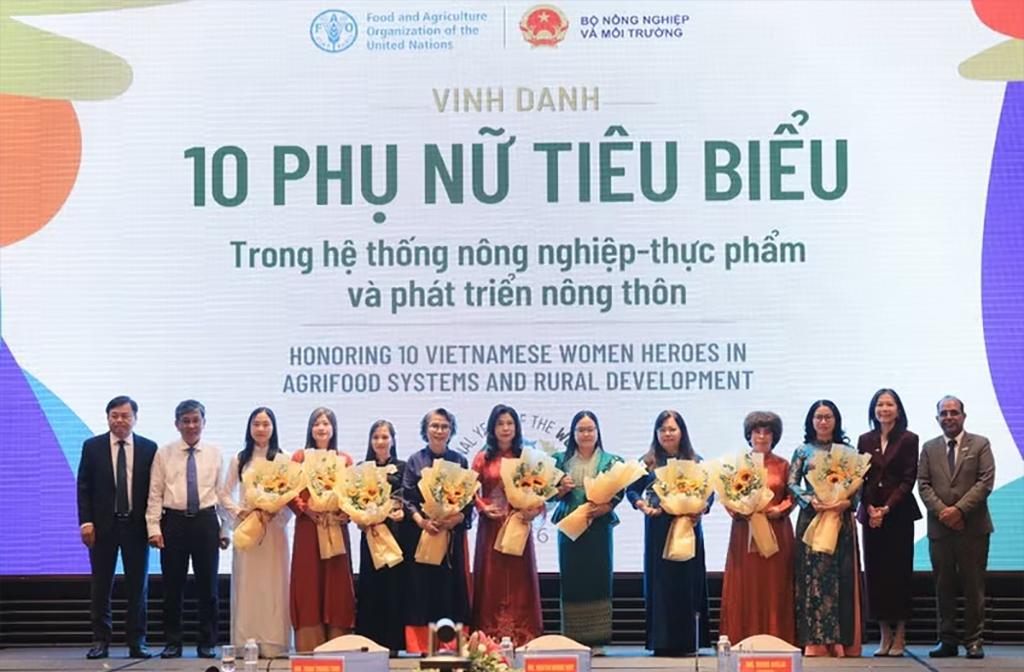
FAO honours 10 prominent Vietnamese women in agriculture, rural development
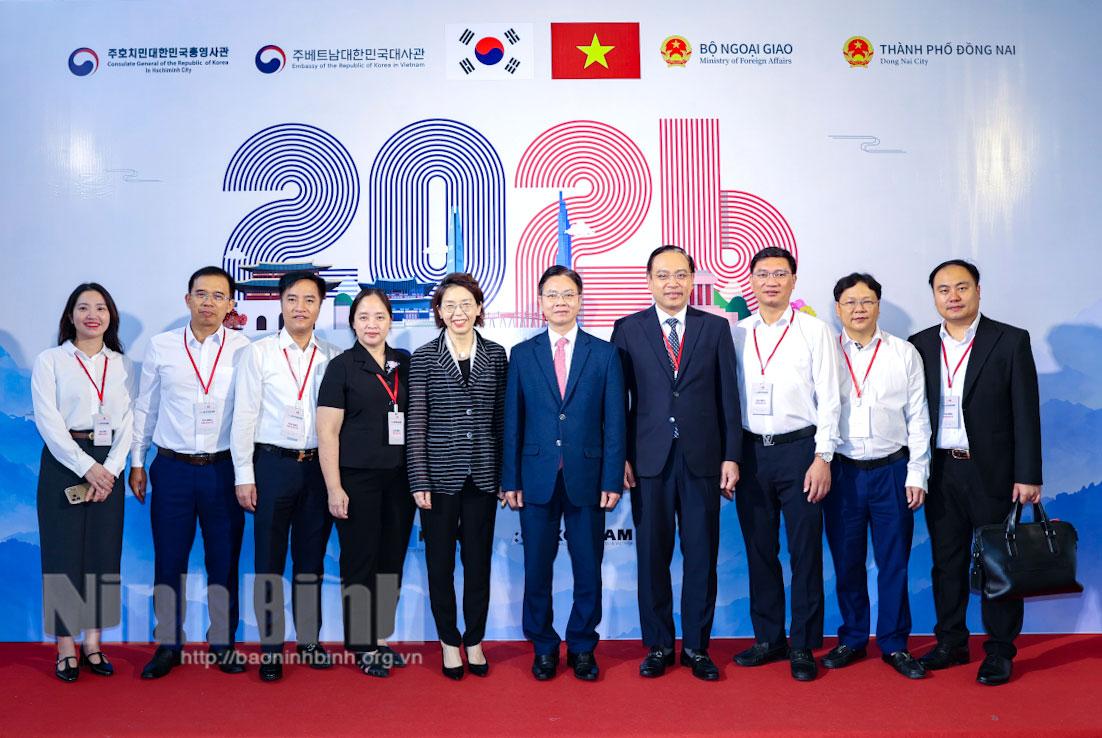
Ninh Binh’s delegation attends “Meet Korea 2026” plenary conference