
Awakening potential of Xuan Thuy Ramsar in Ninh Binh
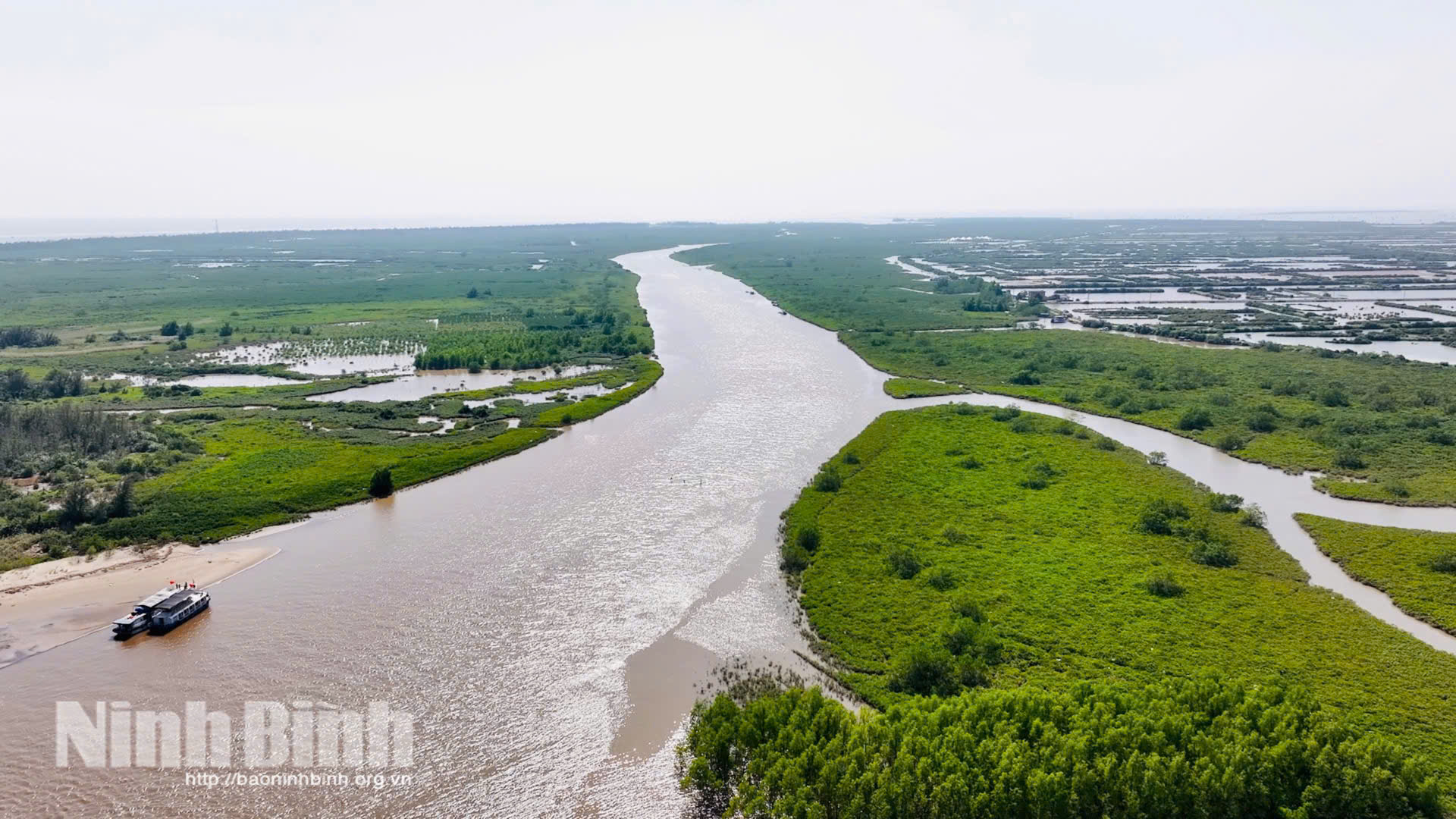
A treasure at the river’s end
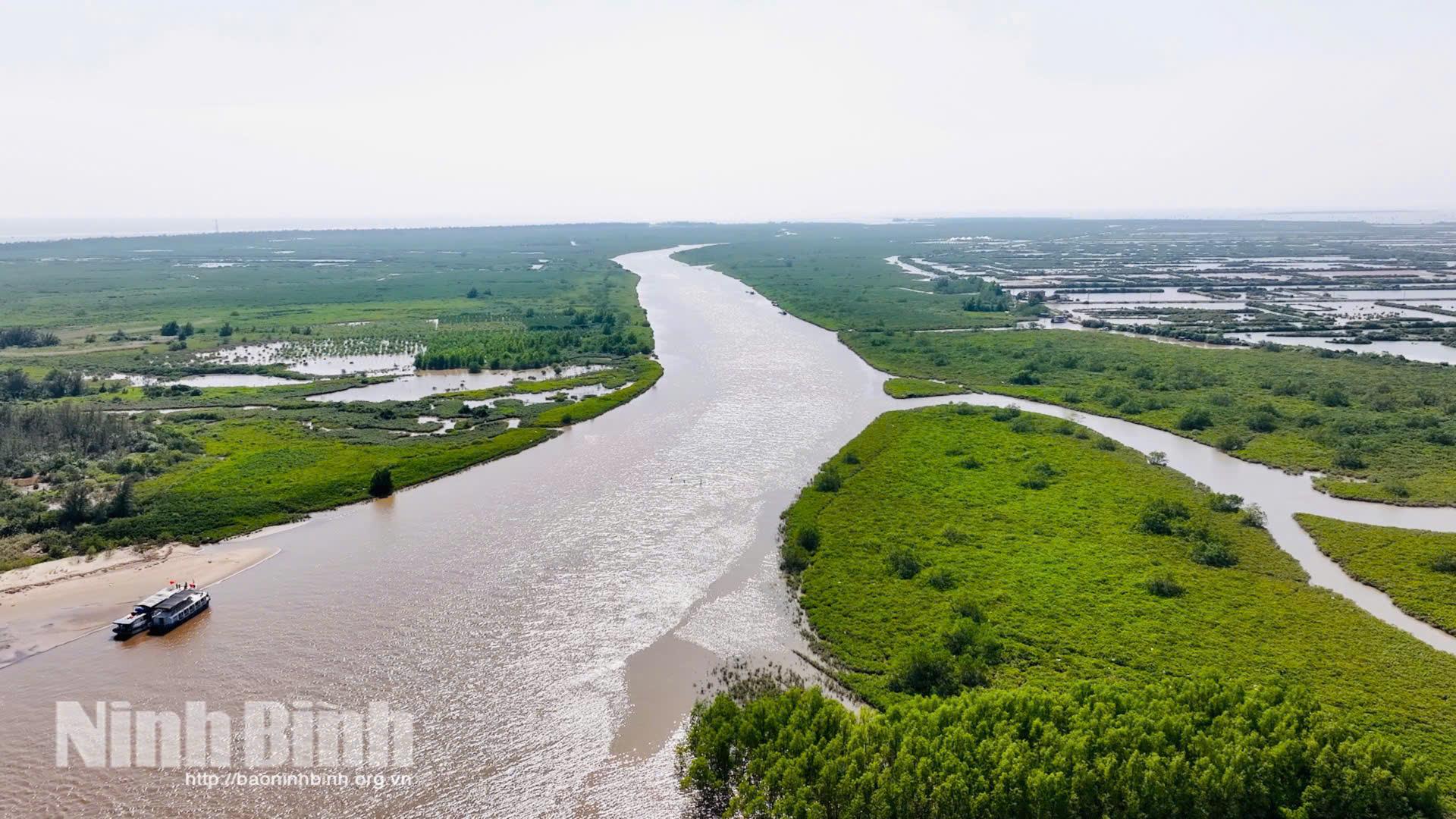
Xuan Thuy Wetland Nature Reserve was recognised as a national park in 2003, covering a total area of 15,100 hectares, including a 7,100-hectare core zone and an 8,000-hectare buffer zone.
The area is a biological treasure trove, with 1,670 species recorded to date. Many species of plants, fish, reptiles, birds and crustaceans found here are listed in the Vietnam Red Data Book, the IUCN Red List and other categories protected by law.
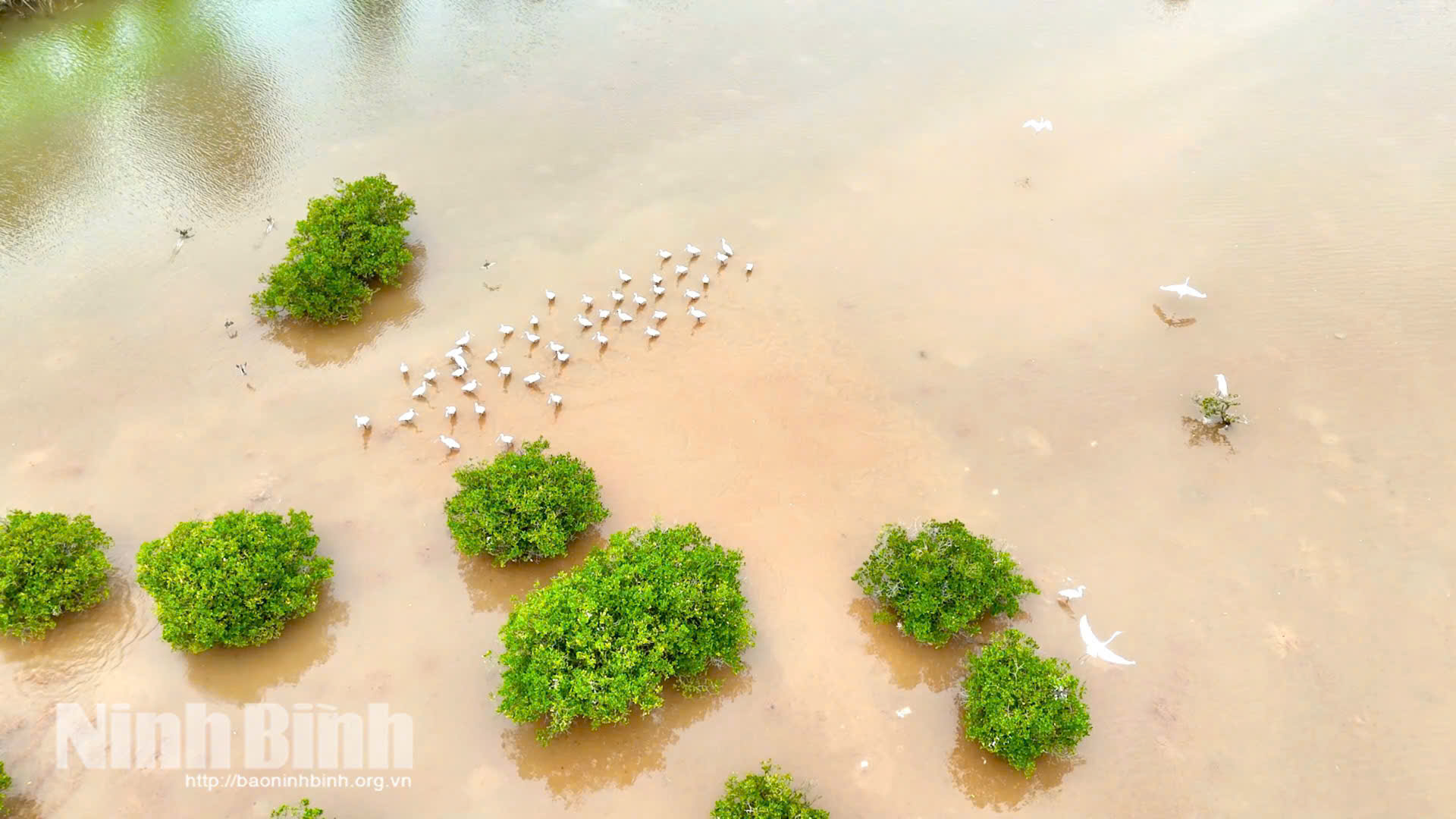
In particular, Xuan Thuy National Park is regarded as one of the largest international bird stations in northern Vietnam. From around October to April each year, tens of thousands of migratory birds fleeing the cold of the north stop here to feed, rest and build up energy for the next leg of their journey.
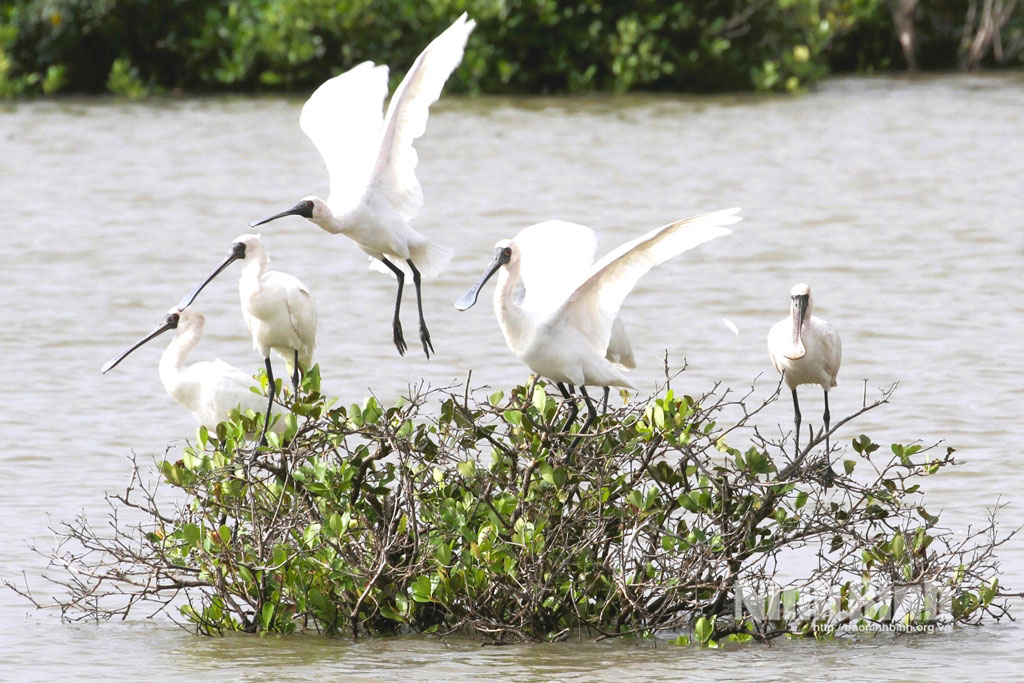
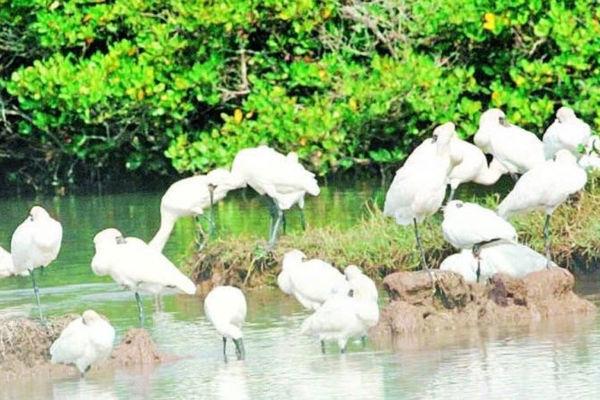
Of the 222 bird species recorded at the park, the black-faced spoonbill is among the rare species of particular interest to researchers, photographers and nature enthusiasts. During each migratory season, around 90 to 100 spoonbills are recorded in the area.
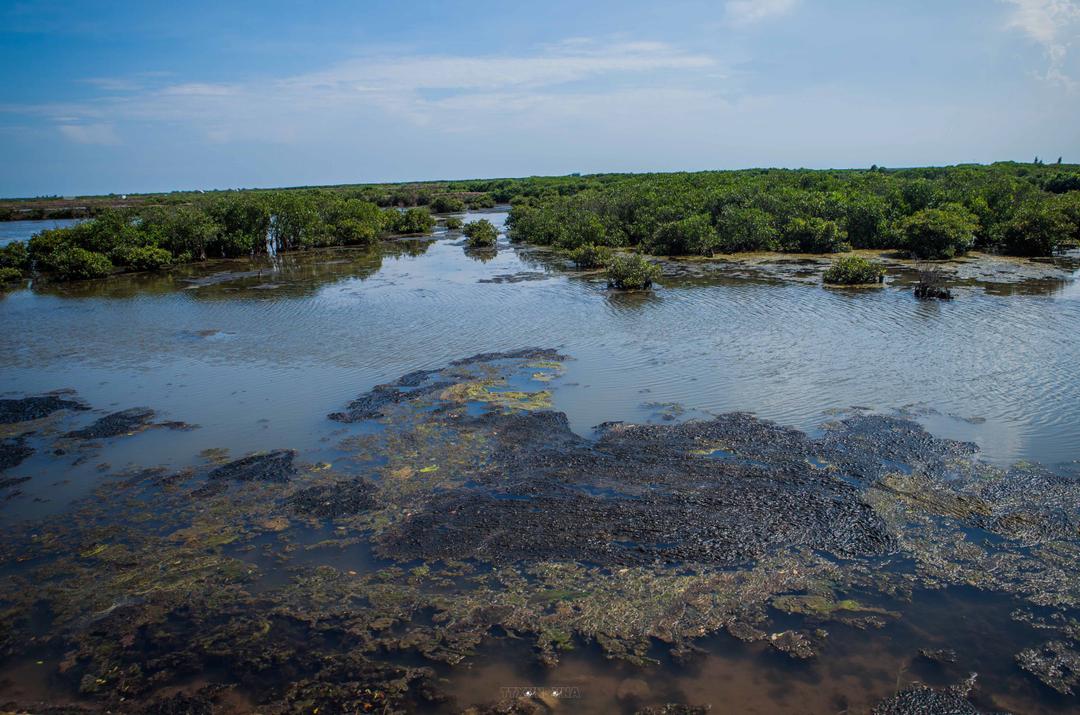
The biosphere reserve is also home to thousands of hectares of mangrove forests, wetlands, mudflats and estuaries, providing habitats for around 500 species of aquatic flora and fauna.
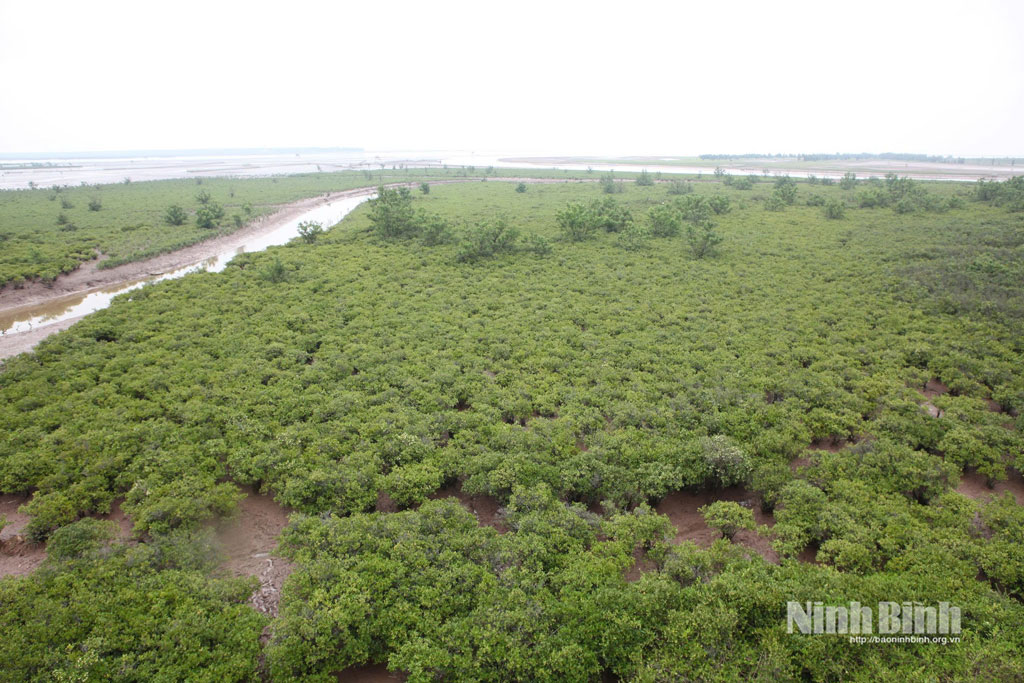
On September 14, 2026, the Ninh Binh Provincial People's Committee issued Decision No. 3374/QD-UBND recognising Xuan Thuy National Park in Giao Minh commune as a tourist attraction.
The move marks a new position for the wetland area, which has traditionally focused on conservation and scientific research, gradually transforming it into a destination within the province's diverse tourism landscape.
Standing Vice Chairman of the Provincial People's Committee Tran Song Tung said that the exploitation of Xuan Thuy National Park's values must be based on a long-term vision, creating distinctive tourism products while preserving its natural resources and landscape.
Relevant sectors and localities need to closely coordinate with the park in management, invest in appropriate infrastructure and organise services in an efficient and sustainable manner, he said, stressing that short-term growth objectives must not come at the expense of the unique ecosystem of the estuary.
Unlocking the potential
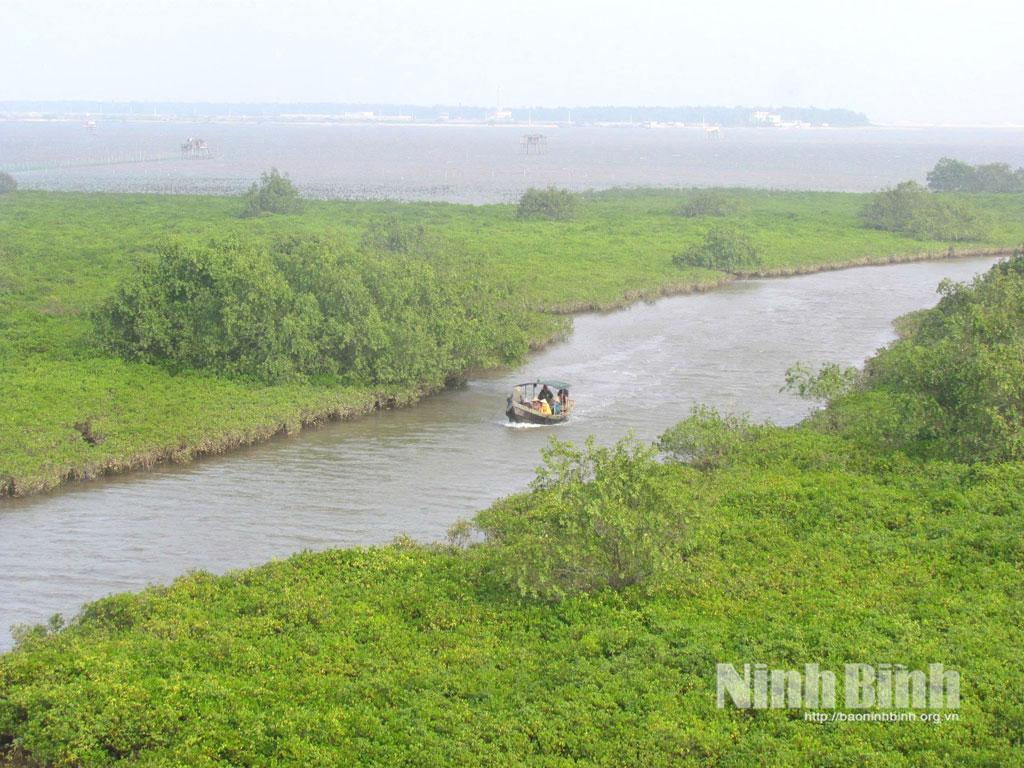
Three sightseeing routes have now been developed at Xuan Thuy National Park: Where the Red River meets the eea, A day exploring Xuan Thuy Ramsar and Where birds find a safe haven.
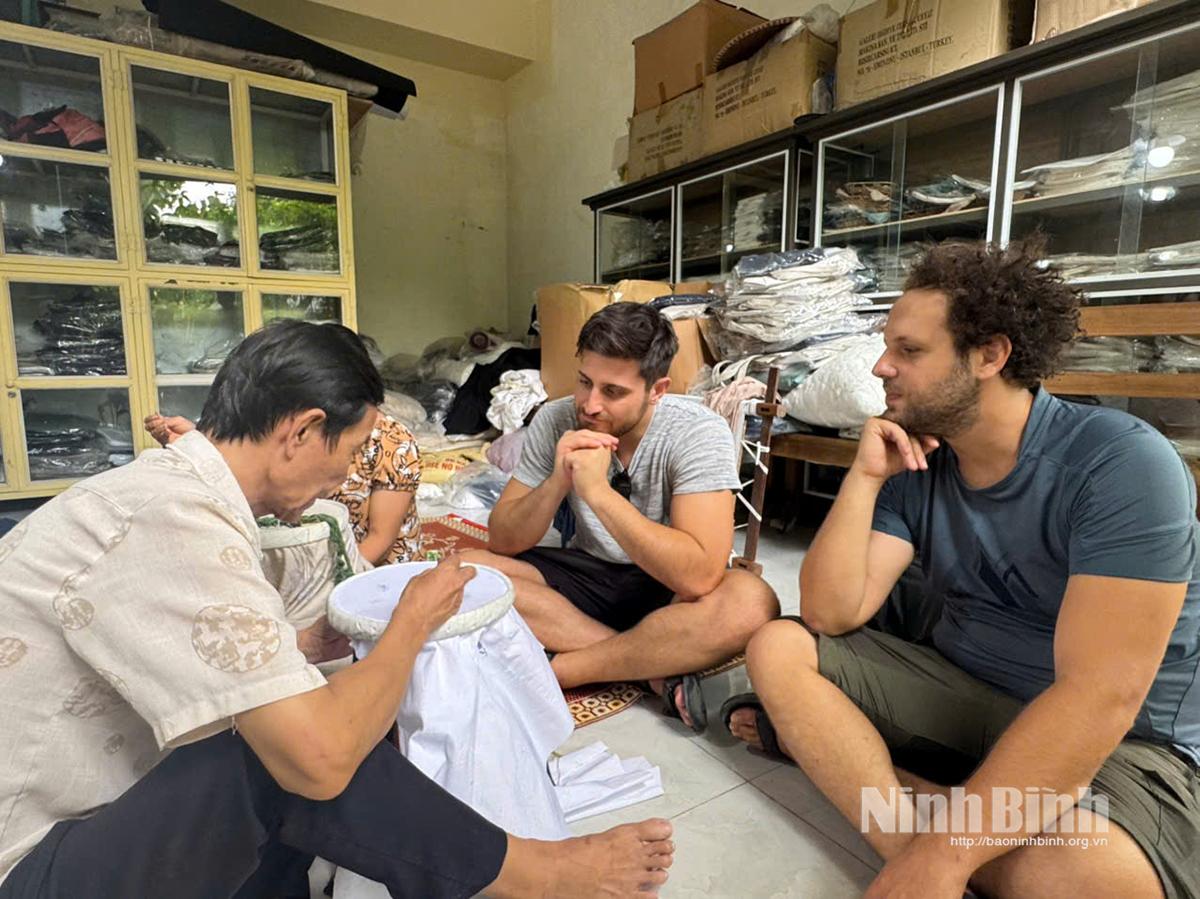
These routes feature 12 experiential destinations, ranging from a scientific experimental forest and a mangrove tree nursery to extensive shrimp-farming ponds, clam fields, the Ba Lat estuary, birdwatching towers, a mangrove-bee honey production model, fishing ports and traditional craft establishments.
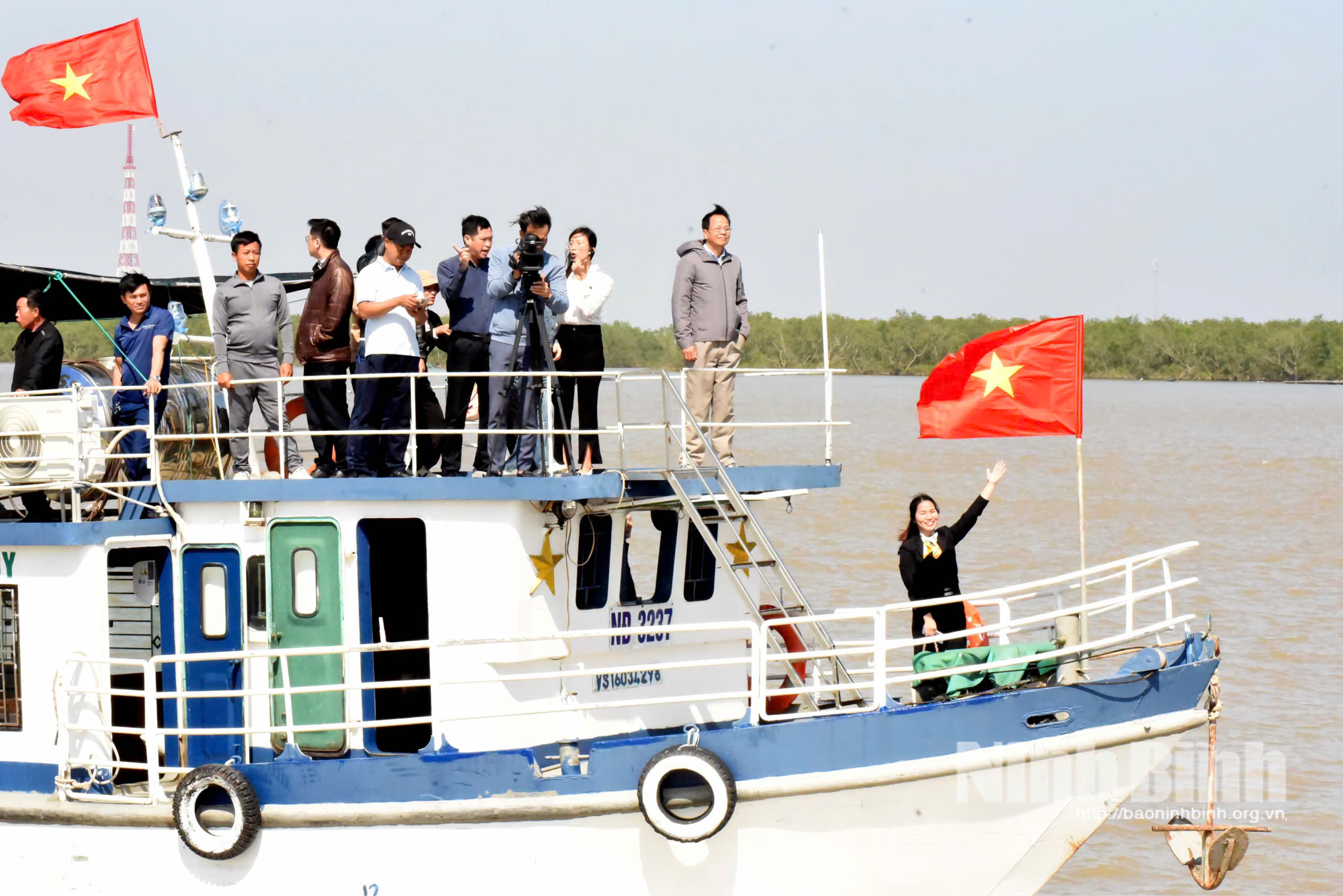
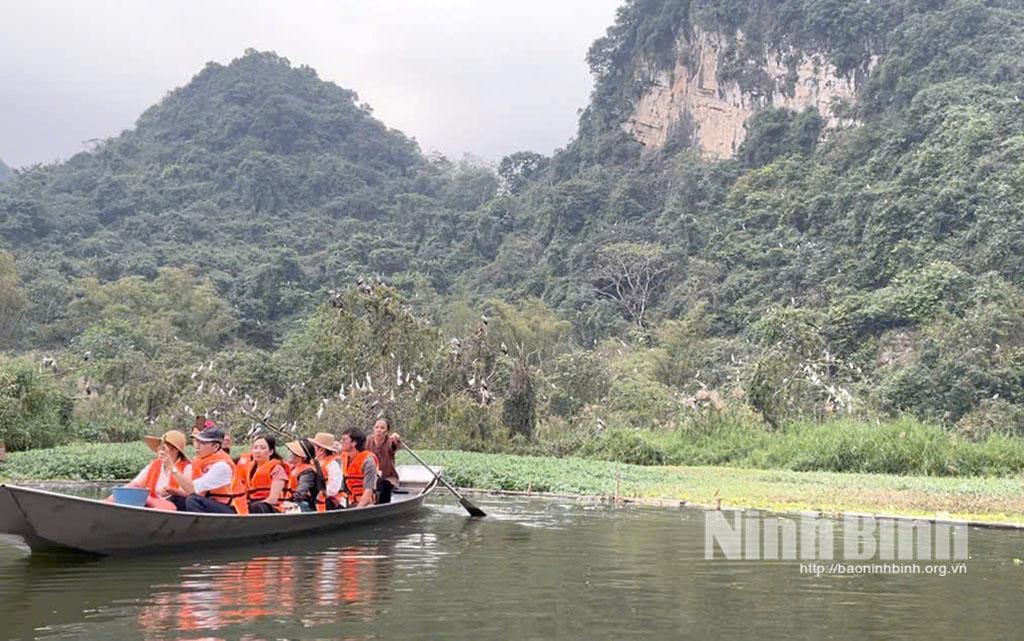
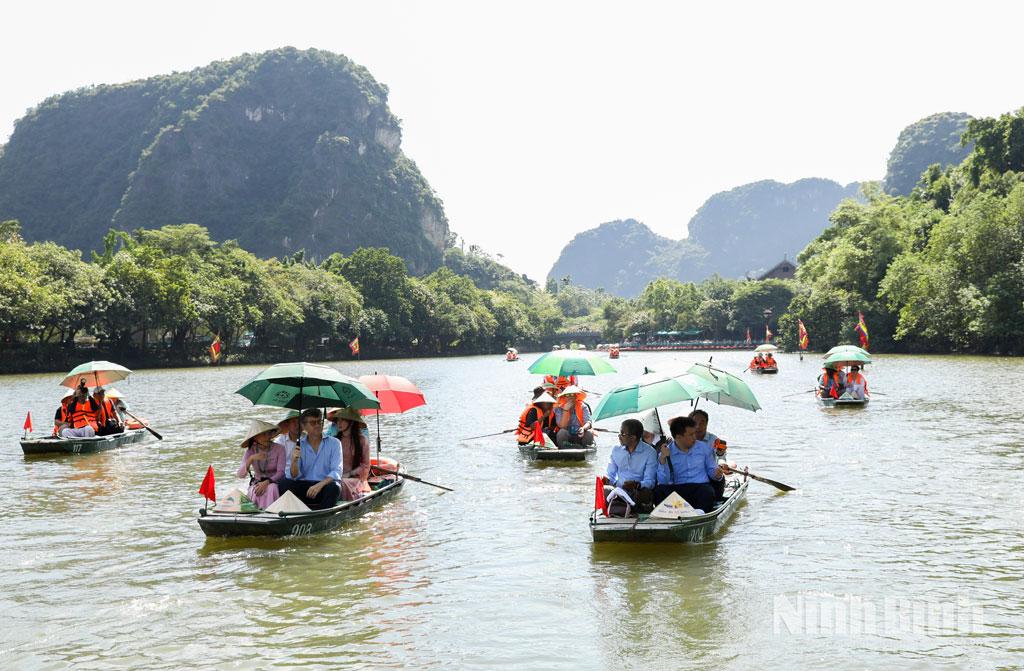
Visitors can travel by boat along the Vop and Tra rivers, learn about rare migratory birds, experience clam harvesting, admire the spectacular scenery of mangrove forests and explore the cultural life of communities in the buffer zone.
These attractions provide ample material for meaningful journeys in which visitors can relax and explore while gaining a deeper understanding of the relationship between people and the sea.
Since 2023, Xuan Thuy National Park and surrounding areas have welcomed an average of 15,000-17,000 visitors annually. More than 10,000 visitors arrived in the first six months of 2026 alone. Tourism revenue across the area is estimated at around 7 billion VND per year.
After a trip to the Ba Lat estuary, Nguyen Thu Ha, a nature enthusiast from Hanoi, said she was most impressed by the feeling of entering the world of the estuary, seeing trees growing from the mud, flocks of birds feeding on tidal flats and the rhythm of local people's lives shaped by the tides.
However, to encourage visitors to stay longer, the destination needs more seasonal birdwatching programmes, early-morning activities, community-based experiences and information systems that help visitors better understand what they are seeing, she said.
Ha's observations highlight some of the bottlenecks facing tourism in Xuan Thuy: despite abundant natural resources, the area has yet to fully turn them into professional tourism products. Tourism infrastructure remains incomplete, while souvenirs associated with the Ramsar brand are limited. The number of tour guides with in-depth knowledge of migratory birds, wetlands and biodiversity is also insufficient to meet the needs of specialized visitors.
Director of Xuan Thuy National Park Doan Cao Cuong said that recognition as a tourist attraction is only the beginning.
In the coming period, the park will focus on developing products centered on wetlands, mangrove forests and migratory birds as its core values, while expanding experiential activities, environmental education, nature research and community-based tourism.
The park will advise on planning and create suitable land funds to attract investors, establish coordination mechanisms for managing the tourist attraction, and strengthen links with travel businesses, buffer-zone localities and local communities.
The approach is to extend visitors' stays by connecting nature with local culture, traditional crafts and distinctive agricultural products, while gradually developing an environmental education center, birdwatching sites and other visitor services.
The biggest challenge facing Xuan Thuy is not simply how to attract more visitors, but how to do so without disturbing habitats, increasing waste and noise, or negatively affecting birds' feeding and resting patterns.
At the same time, communities in the buffer zone must become key stakeholders in this process. Local residents understand the tides, clam beds, bird seasons and every path through the forest. With training in hospitality, foreign languages, waterway safety and environmental protection, they could become knowledgeable local guides with first-hand experience.
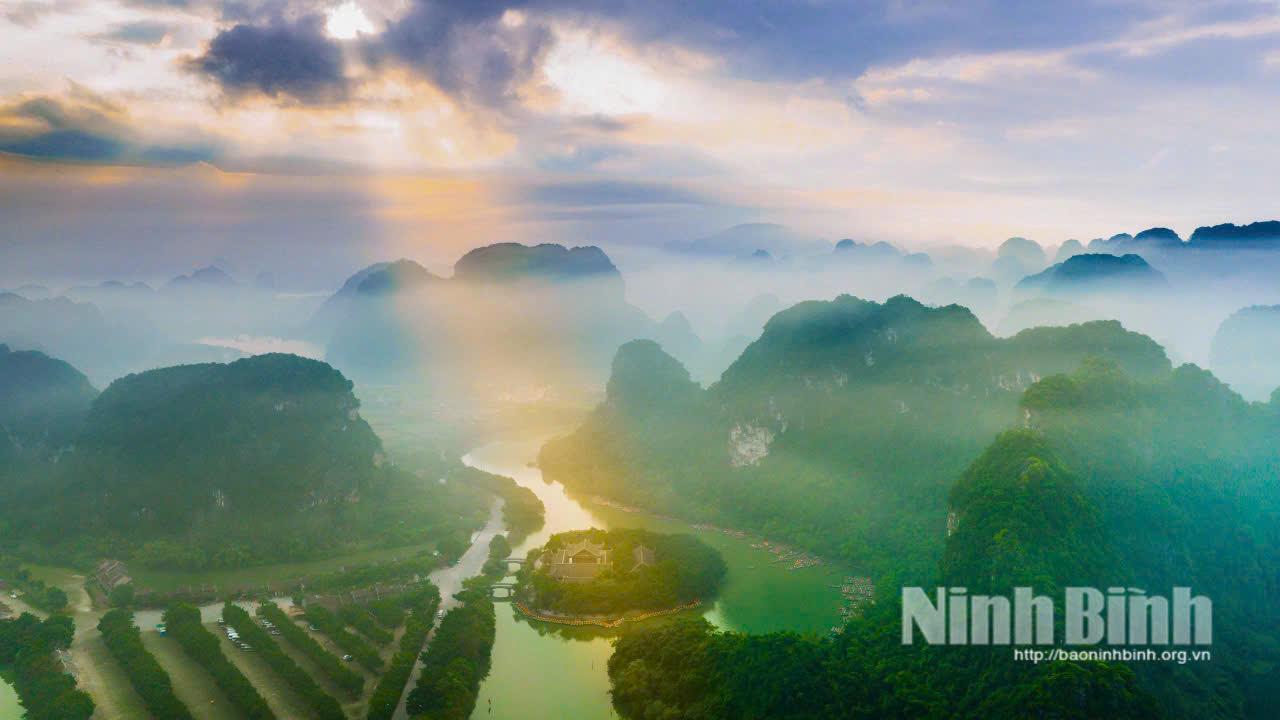
Within the expanded Ninh Binh province, Xuan Thuy also has an opportunity to connect with established cultural, spiritual and ecological tourism hubs, creating journeys that stretch from the forests of Cuc Phuong to the estuary, and from cultural heritage sites to wetlands of international importance.
Such connections could turn Xuan Thuy into a destination with a distinctive identity one that is more scientific, more immersive and closer to nature./.
Tin liên quan
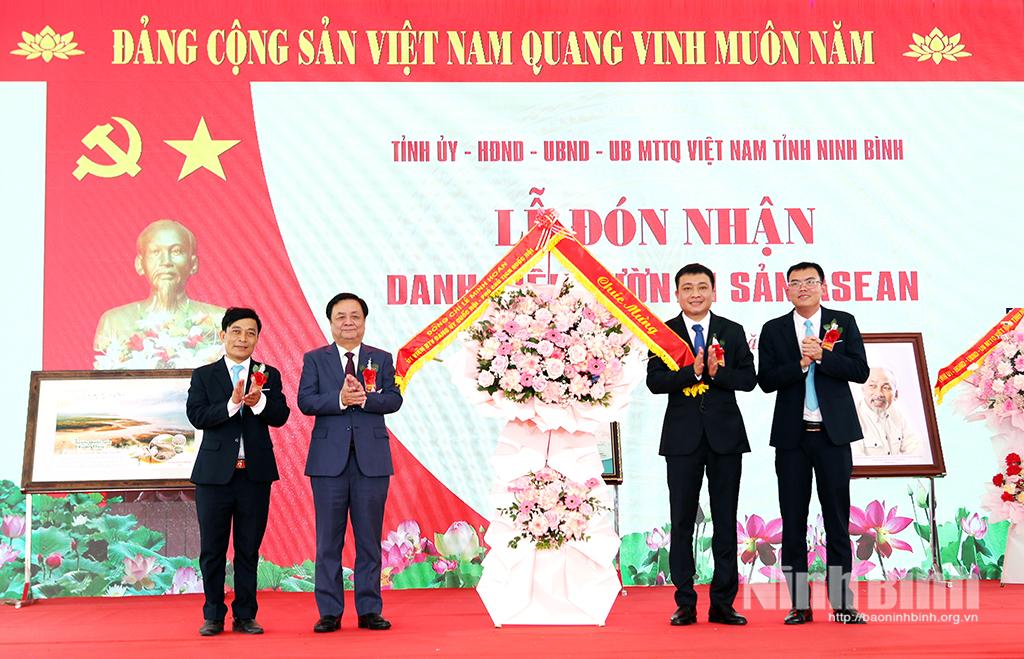
Xuan Thuy National Park recognised as ASEAN Heritage Park
Xuan Thuy aims to become a multifunctional ASEAN heritage park
Tin cùng chuyên mục