
Traditional culture finds new life in contemporary Vietnam
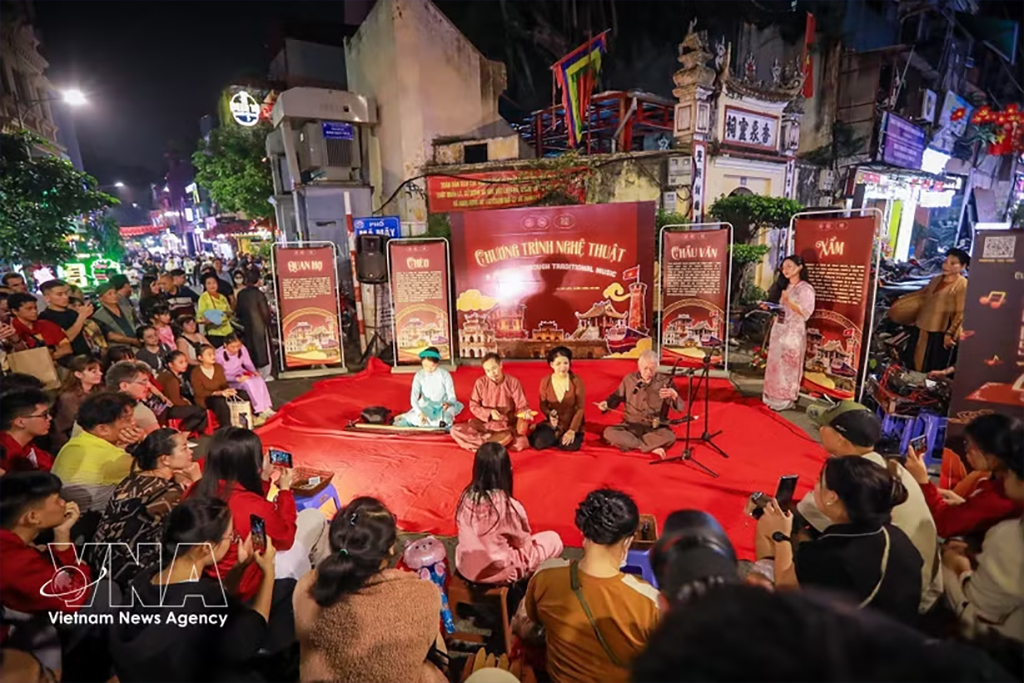
Many localities have recently launched activities to preserve festivals, promote traditional arts, renew cultural and arts education, and expand creative spaces, bringing culture closer to the public in line with the Politburo’s Resolution No. 80-NQ/TW. By remaining relevant to contemporary life, traditional cultural values are being preserved and promoted.
Preserving cultural values through contemporary life
On September 19, the Vietnam State Artists Association organised the 17th Vietnam Stage Day 2026 and a ceremony commemorating the founders of the traditional theatre sector in Hanoi, giving artists an opportunity to honour their predecessors and reaffirm their responsibility to preserve and promote national theatre.
In Ho Chi Minh City, a September 17 seminar marking the 50th anniversary of the Tran Huu Trang Cai Luong Theatre reviewed the institution’s contribution to the city’s cultural life and discussed its future development.
Established in 1976, the theatre has brought together generations of artists, writers, directors and musicians, contributing to the preservation and promotion of Southern Vietnamese cai luong, a traditional form of musical theatre.
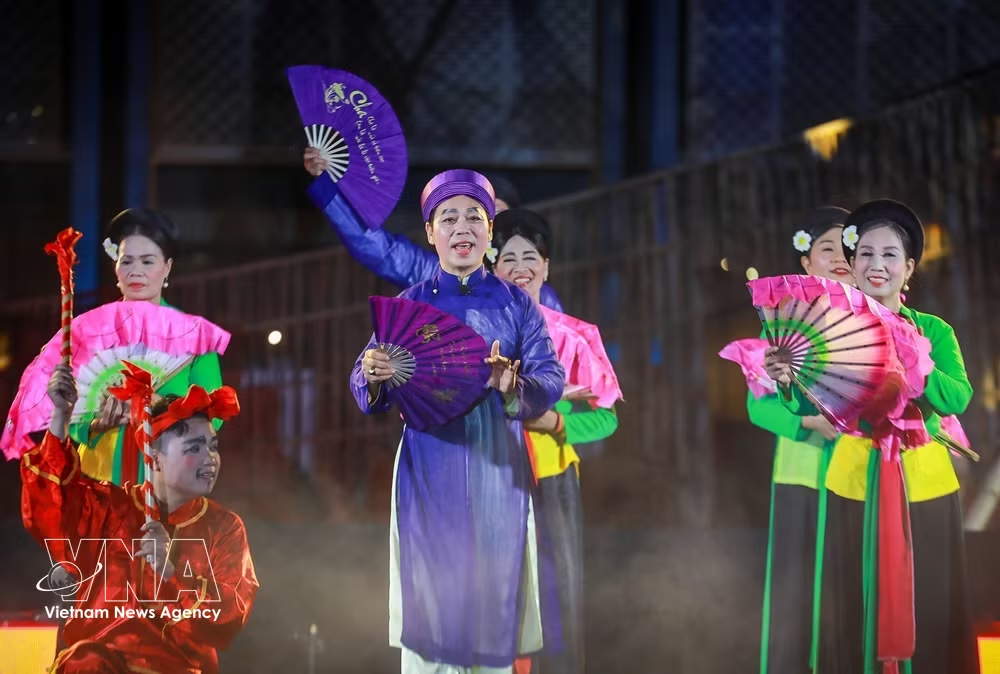
People’s Artist Trinh Kim Chi, Chairwoman of the Ho Chi Minh City Theatre Association, said developing a successor workforce, passing on professional skills and nurturing young artists’ passion and responsibility are crucial. Cai luong should also renew its approach to audiences while maintaining its traditional features and embracing innovation in staging and creative thinking.
Nguyen Thi Thanh Thuy, Deputy Director of the municipal Department of Culture and Sports, stressed that preservation must go hand in hand with creativity and innovation. Priorities include safeguarding the roots and identity of Southern cai luong while developing new forms of expression and themes for contemporary audiences, particularly young people, alongside training human resources, digitising archives and expanding international exchanges.
Renewing cultural education in the digital era
The rapid development of digital technology, particularly artificial intelligence (AI), is changing how cultural and artistic products are created and enjoyed, creating a need to renew education and workforce training.
At a September 18 workshop at Ho Chi Minh City University of Culture, experts said education should not only train arts professionals but also develop creative human resources capable of mastering technology, understanding markets, managing products and adapting to the digital environment.
Assoc. Prof. Dr. Lam Nhan, rector of the university, said learners need technological skills, data literacy, project management, digital content distribution, intellectual property awareness and interdisciplinary collaboration alongside professional knowledge.
Dr. Nguyen Thi Thu Thuy of the university noted that technology should expand creative capacity while remaining under human supervision. AI proficiency without cultural foundations, aesthetic appreciation, critical thinking and social responsibility would not be enough to create meaningful works.
The workshop also highlighted stronger links between educational institutions, businesses, digital markets and cultural institutions, as well as the need to build audiences for cultural industries.
Meanwhile, the Bac Ninh Library on September 16 opened an exhibition featuring more than 121 documents and images on the Kinh Bac region, 114 books and documents on national history, and nearly 100 images and materials on the province’s development achievements, connecting cultural heritage with contemporary development.
Responding to Vietnam Culture Day
The Department of Performing Arts under the Ministry of Culture, Sports and Tourism on September 14 issued an open letter calling on cultural and arts bodies, theatres, art troupes, businesses, artists and creators to mark the first Vietnam Culture Day on November 24.
Under Resolution 80-NQ/TW, dated January 7, 2026, November 24 was designated Vietnam Culture Day, to be observed annually. The occasion aims to give the public opportunities to participate in, create and enjoy cultural activities, helping spread positive values and foster pride in Vietnamese culture.
Beyond political and traditional themes, the department urged units to curate shows that are highly entertaining yet carry cultural depth, aesthetic value and positive messages suited to today's audiences.
Activities can include performances at theatres, public spaces, schools, industrial parks, remote and disadvantaged areas, border regions and islands, while live shows can be combined with television, radio and digital platforms./.
Tin cùng chuyên mục
Muong Lo Festival 2026 opens with grand Xoe dance performance
Preserving traditional sedge-thatch houses in Ninh Binh