
Tourism development strategy to be shaped for new era

As Vietnam enters a new phase of development, tourism is poised for a breakthrough that can reaffirm its role as a key engine of economic growth. In this context, refining the policy framework and fostering an open, modern development environment have become essential prerequisites for accelerating momentum and unlocking the sector’s full potential.
Visa policy breakthroughs as a catalyst for international arrivals
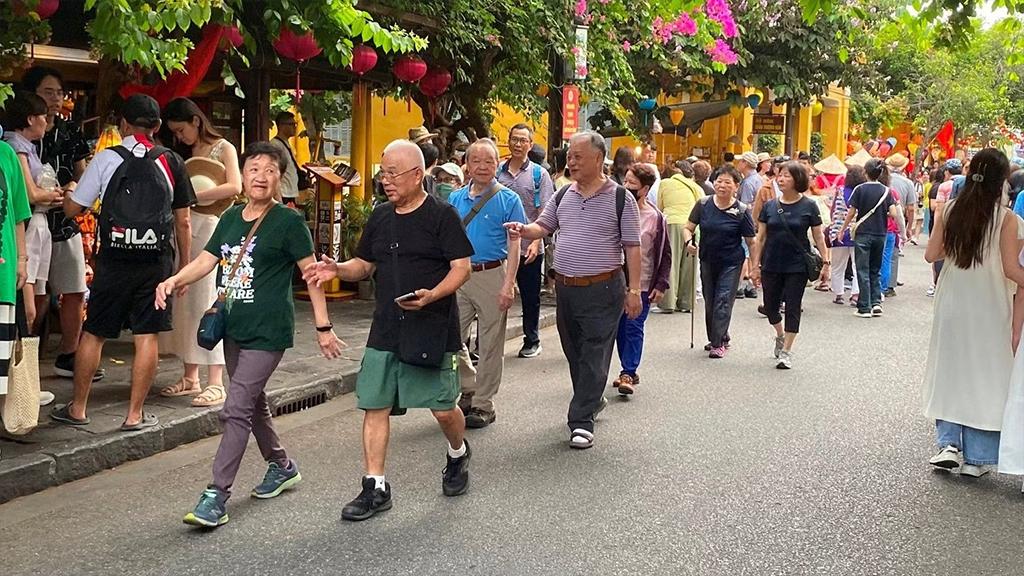
In 2025, the Vietnam National Authority of Tourism (VNAT) stepped up its efforts to review and perfect institutional frameworks, and work closely with competent authorities to introduce policies aimed at removing bottlenecks and facilitating tourism activities. More liberal visa and immigration policies have emerged as a crucial catalyst, drawing international visitors from across the globe to Vietnam.
A significant milestone was the consolidation of the State Steering Committee for Tourism under Decision No. 1532/QD-TTg dated July 15, 2025, issued by the Prime Minister. The promulgation of its Action Plan for 2025 2026 and updated operating regulations strengthened inter-agency coordination, ensuring unified direction from the central to local levels. This mechanism has enabled timely resolution of cross-sectoral issues, laying a solid foundation for the synchronised implementation of tourism development measures in the new context.
Further underscoring the Government’s commitment, Official Dispatch No. 34/CD-TTg dated April 10, 2025 called for accelerating tourism development to help achieve double-digit economic growth. This directive reflects the high priority placed on tourism as a sector capable of generating spillover effects across aviation, hospitality, retail and service industries, while contributing to job creation, fiscal revenues and national branding.
Notably, Decision No. 382/QD-TTg dated February 21, 2025 approving the implementation plan for the Tourism System Master Planning Scheme for 2021 2030, with a vision to 2045, has translated strategic orientations into concrete action programmes. The decision clarifies tasks, timelines, responsibilities and coordination mechanisms among ministries and local authorities, providing a unified framework for mobilising resources to develop infrastructure, products and markets.
Visa facilitation continues to stand out as a policy highlight. The expansion of visa exemptions, enhanced incentives for key source markets and the addition of new entry points for e-visa issuance have strengthened Vietnam’s competitiveness as a destination. These measures function as a “soft lever” to widen access for international travelers, reducing costs and processing time while creating favourable conditions for visitors in choosing Vietnam.
Such policies are particularly effective in attracting high-quality source markets characterised by longer stays and higher spending, thereby increasing revenue streams and generating positive spillovers to related sectors. Selective preferential mechanisms for special categories of visitors, including investors, experts and MICE travellers, further demonstrate a flexible, integration-oriented and visitor-centred management approach.
Administrative reform has also been pursued vigorously. Procedures in travel services, tour guiding and accommodation have been reviewed and simplified. The 50% reduction in appraisal fees for international travel licences and tour guide cards in 2025, along with streamlined licencing procedures and the application of electricity pricing for tourism accommodation establishments equivalent to production facilities, has eased cost pressures and supported business recovery and expansion.
Restructuring tourism development space
In 2026, institutional reform will remain a priority, with a focus on proposing amendments to the 2017 Tourism Law and its guiding documents to meet the requirements of a new era.
Nearly a decade after its enactment, the law has provided an essential legal foundation for professional and transparent sector management, clarifying the rights and obligations of enterprises, visitors and regulatory bodies. It has standardised travel services, accommodation, tour guiding, promotion and destination management, underpinning robust growth in recent years.
However, rapid digital transformation, platform economy, green and smart tourism models, and new business formats have created challenges that extend beyond the current legal framework. Therefore, revising the law in 2026 is therefore both necessary and urgent to establish a modern legal environment that enhances competitiveness, attracts investment and aligns with global trends.
At the same time, the sector will redefine its strategic framework to position tourism as a pillar growth driver contributing to the country’s double-digit economic growth target. This requires a shift toward a value-added growth model anchored in service quality, innovation and sustainability. Clear identification of target markets, high-spending segments, flagship products and regional growth poles will provide a basis for restructuring investment, infrastructure, human resources and digital transformation across the sector.
Administrative mergers of provinces and cities, together with the operation of a two-tier local administration model, have also created broader development spaces for tourism. Expanded administrative boundaries enable the formation of tourism regions with diverse resources, facilitating integrated destination chains, thematic corridors and product clusters. This approach reduces fragmentation and strengthens connectivity in infrastructure, data and joint promotion.
In this new setting, a systematic and scientific restructuring of tourism development space along newly-defined administrative boundaries is imperative. Comprehensive reviews of resource distribution, visitor flows, infrastructure and service chains will help redefine growth poles, tourism corridors, destination clusters and service hubs. Properly executed, this process offers an opportunity to form new tourism growth centres, improve resource utilisation and enhance the overall competitiveness of Vietnam in the years ahead./.