
Resolution 80 unlocks cultural strength to build millennium heritage city

Turning heritage into assets
Issued on January 7, 2026, Resolution 80 marks a new milestone in Vietnam's approach to cultural development by recognising culture not only as the spiritual foundation of society but also as an endogenous resource and an important engine for sustainable national development.
According to Deputy Director of the Ninh Binh Department of Culture and Sports Nguyen Manh Cuong, the resolution is particularly significant for the province, which has identified cultural industries and tourism as strategic economic sectors while striving to become a centrally-run city by 2030 with the distinctive identity of a heritage city.
The resolution identifies cultural industries as a dynamic economic pillar built on the convergence of creativity, national identity and modern technology. The orientation closely aligns with Ninh Binh's long-term development strategy, creating opportunities to transform its cultural, historical and natural assets into new growth drivers.
Following the resolution's spirit, the province is steadily pursuing its vision of becoming a millennium heritage and tourism destination with a nationally and internationally competitive ecosystem for culture, tourism and creativity.
Following the recent administrative merger, Ninh Binh now possesses an extensive and diverse heritage system, with more than 5,000 inventoried relic sites, including over 1,100 nationally recognised sites, along with thousands of items of intangible cultural heritage. The province preserves invaluable historical evidence and records reflecting Vietnam's national construction, defence and development process.
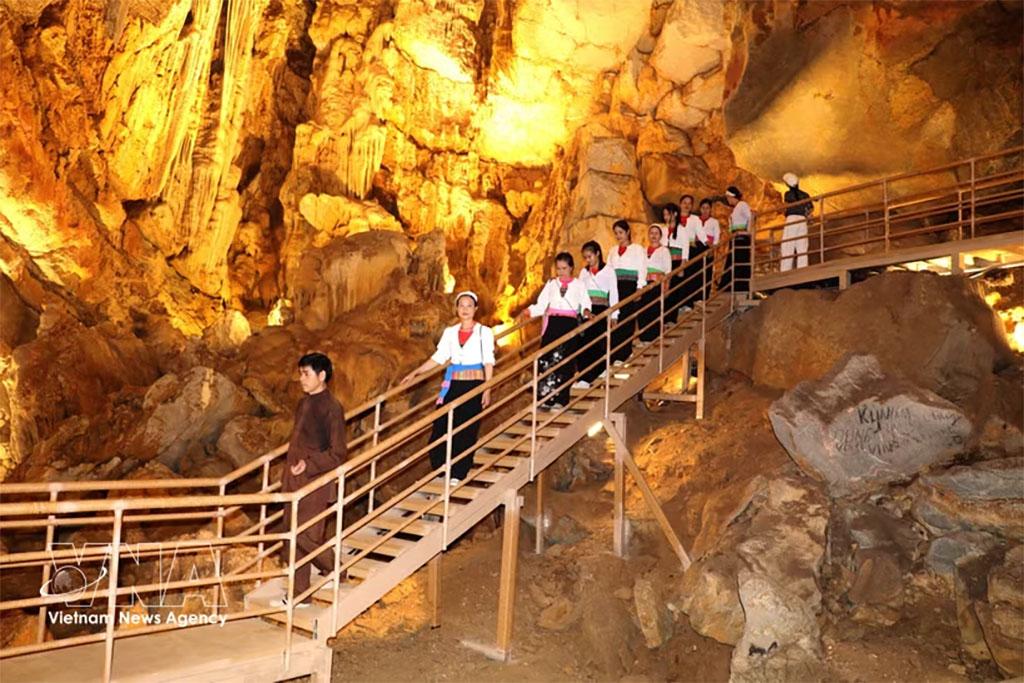
Ninh Binh is also the only locality in Vietnam home to the mixed cultural and natural World Heritage Site of the Trang An Scenic Landscape Complex. Alongside conservation efforts at Trang An, the province is preparing a UNESCO World Heritage nomination dossier for the Van Long Kim Bang Tam Chuc Delacour’s langur Cultural and Ecological Landscape, while also seeking regional recognition under UNESCO's Memory of the World Programme for the "Cliffside Inscriptions on Non Nuoc Mountain."
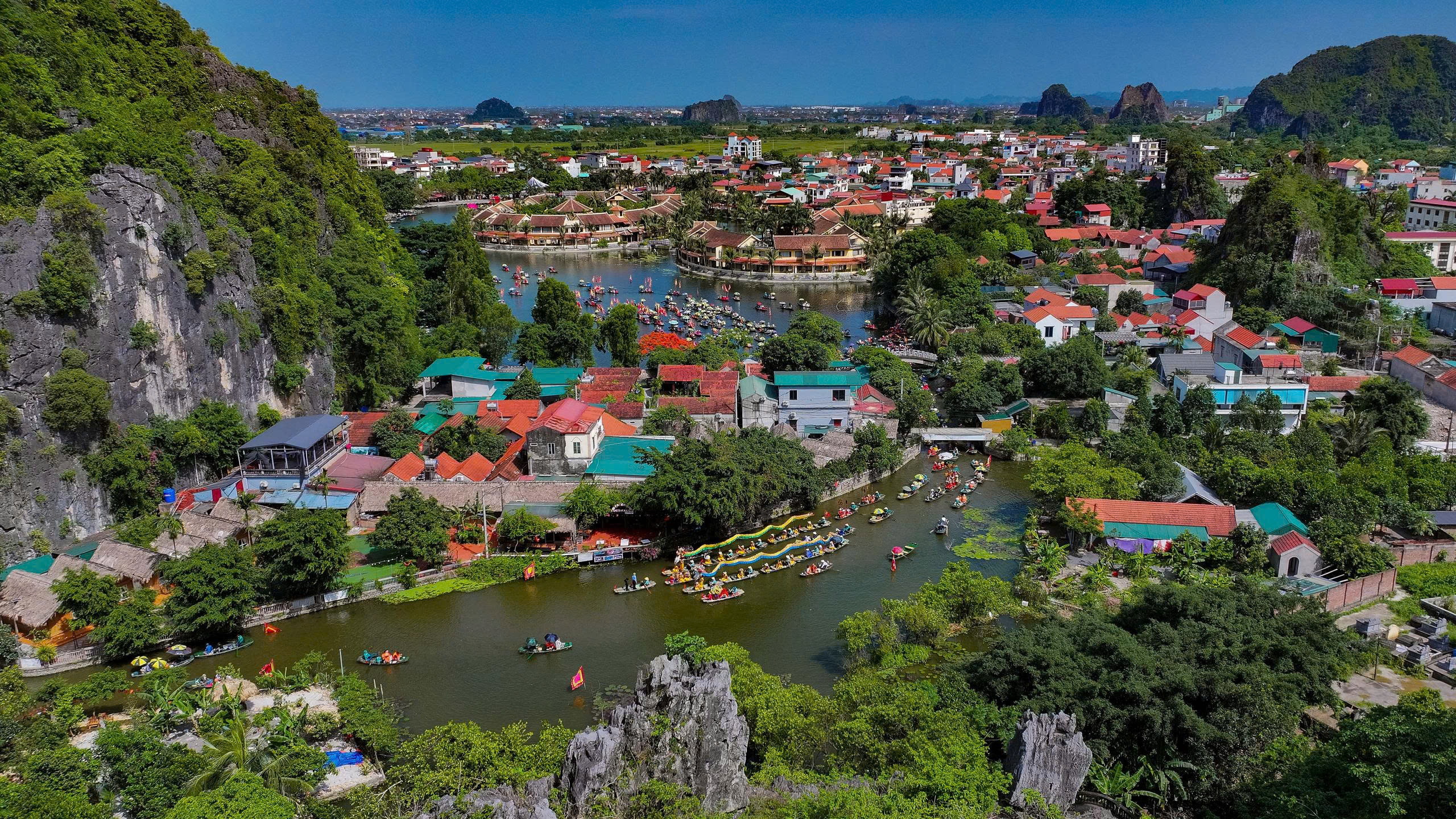
The province considers its rich and distinctive heritage resources a major competitive advantage for developing the heritage economy, cultural industries and tourism. Provincial authorities have therefore prioritised transforming heritage values into economic assets through a balanced approach that combines preservation with sustainable development.
In recent years, the provincial Department of Culture and Sports has advised local authorities on a range of policies to strengthen the connection between heritage conservation, tourism development and cultural industries. Priority sectors include cultural tourism, film production, performing arts, event organisation, handicrafts, media and advertising.
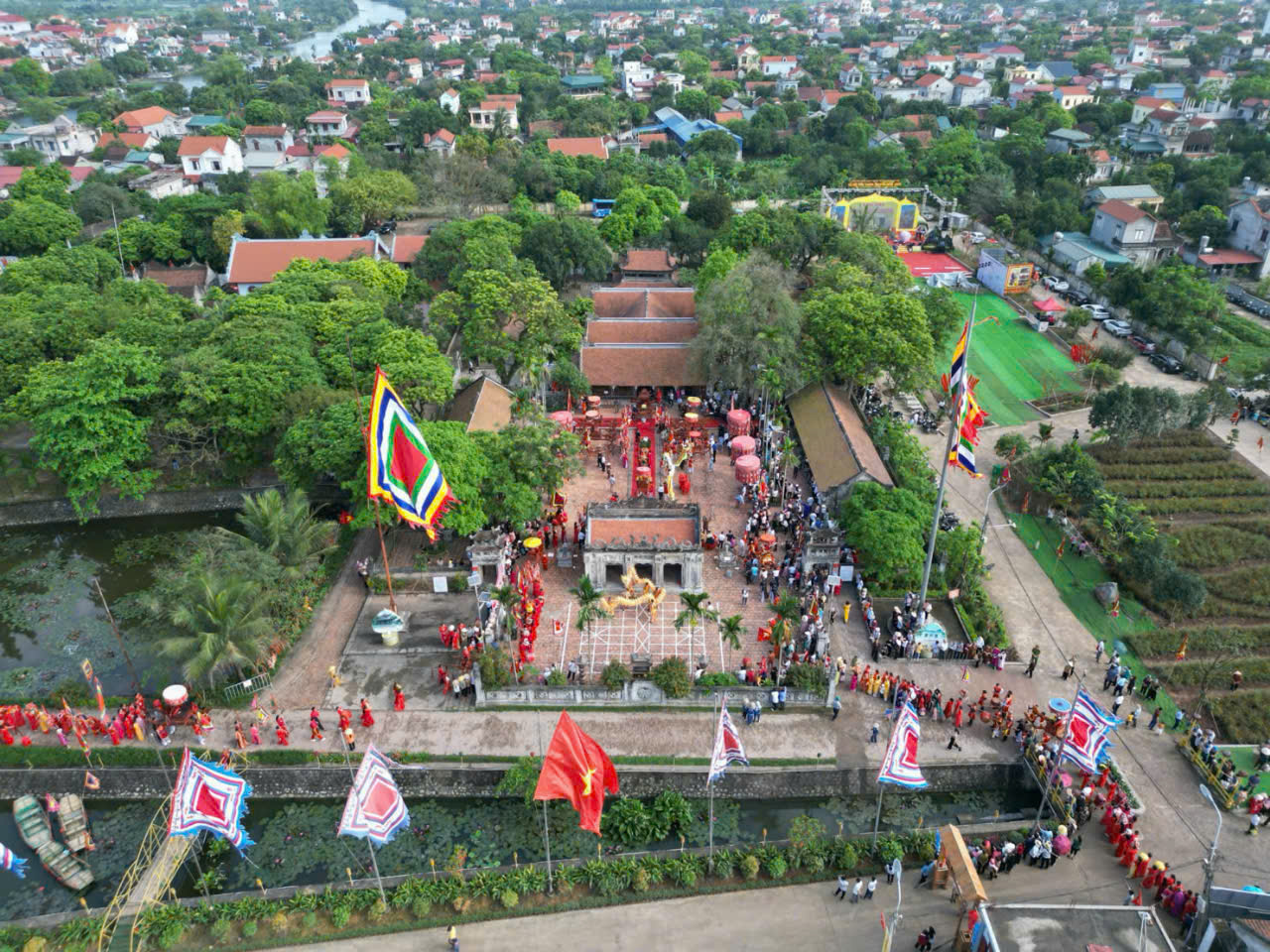
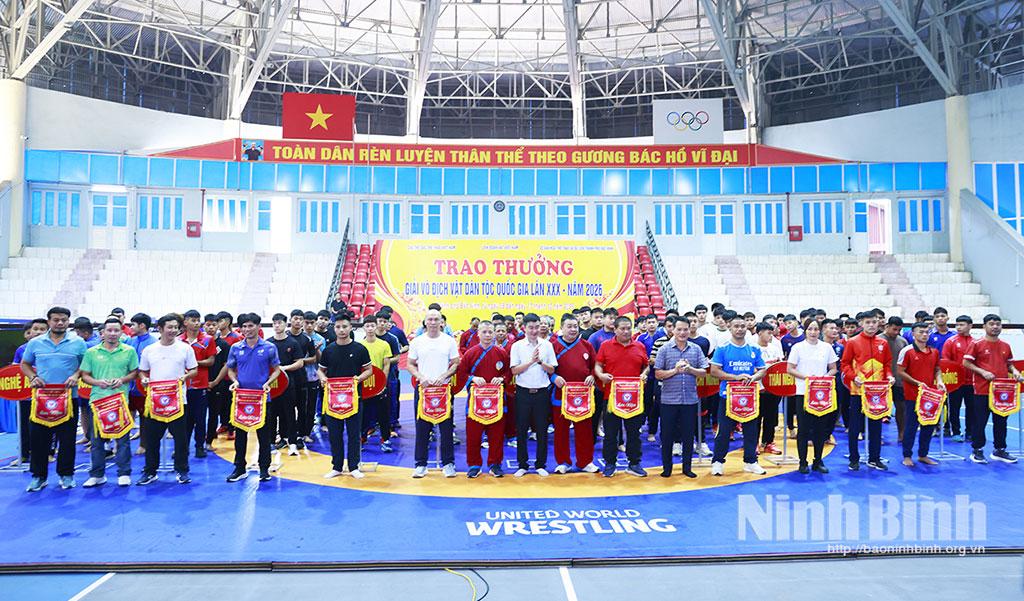
Ninh Binh has also expanded its calendar of major annual cultural, artistic and sporting events, including the Ninh Binh Festival, Tam Chuc Pagoda Festival, Tich Dien Festival, Hoa Lu Festival, Phu Day Festival and Tran Temple Seal Opening Festival.
Cuong said the province is shifting from developing individual cultural sectors separately to building an integrated cultural industry ecosystem linked to the heritage economy, with culture serving as the foundation and innovation and digital transformation acting as key growth drivers for high-value cultural products and services.
He noted that Resolution 80 provides an important political foundation for Ninh Binh to move beyond static heritage preservation towards proactively promoting and integrating heritage values into contemporary life.
This will lay the groundwork for realising the aspiration of building a millennium heritage city, where culture is not only preserved but also revitalised and transformed into a powerful driver of sustainable development, he said.
Building a heritage city from cultural foundations
To implement the Party Central Committee’s documents on cultural development, the Ninh Binh People's Committee issued Plan No. 120/KH-UBND on April 15, 2026 to carry out Resolution 80.
Under the plan, the province aims to restore and preserve more than 95% of special national relics and 70% of national relic sites by 2030. More than 70% of intangible cultural heritage items listed in the National Inventory are expected to have dedicated conservation and promotion programmes.
The province also plans to complete UNESCO nomination dossiers for two outstanding natural heritage sites and seek regional recognition for one documentary heritage under UNESCO's Memory of the World Programme for Asia and the Pacific.
Ninh Binh also aims to establish itself as Vietnam's "National Film Studio Destination," attracting at least five large-scale productions from leading international film companies. It expects to develop between five and seven major enterprises with strong brands in cultural industries and tourism, while increasing the combined contribution of these sectors to around 10% of provincial GRDP. Local authorities also plan to ensure that spending on culture accounts for no less than 2% of the provincial budget.
By 2030, the province targets becoming a centrally-run city characterised as a heritage city. Looking ahead to 2045, it envisions evolving into a millennium tourism and heritage city with one of the world's leading ecosystems for culture, tourism and creativity, while securing UNESCO recognition as a Global Creative City.
To achieve these objectives, Cuong said the province will focus on reviewing and refining spatial planning for cultural industries and tourism in line with the new administrative structure and national and regional development plans.
Priority will also be given to building an integrated cultural industry ecosystem based on the province's historical, cultural and natural heritage, landscapes and community identity.
The province plans to accelerate the application of science and technology, digital transformation, artificial intelligence, virtual reality and digital platforms in heritage conservation, management, promotion and utilisation.
At the same time, authorities will intensify efforts to attract investment, develop a highly skilled workforce and support businesses, artisans and local communities in creating and commercialising cultural and tourism products, while strengthening destination branding and promotion.
With a clear strategy and concrete targets, Ninh Binh is steadily shaping itself into a heritage city rooted in its rich cultural legacy. The province aims to become a creative, prosperous and sustainable destination with a stronger position on Vietnam's and the world's cultural and tourism map./.
Tin cùng chuyên mục

Muong Lo Festival 2026 opens with grand Xoe dance performance
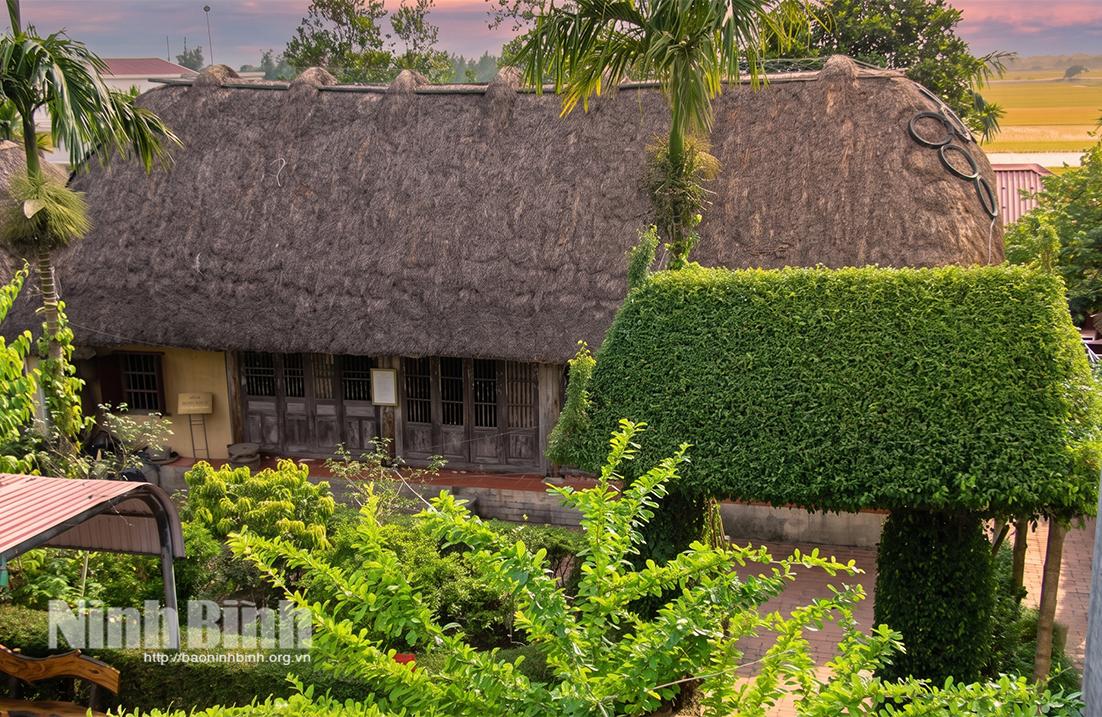
Preserving traditional sedge-thatch houses in Ninh Binh