
Ninh Binh’s delegation attends “Meet Korea 2026” plenary conference
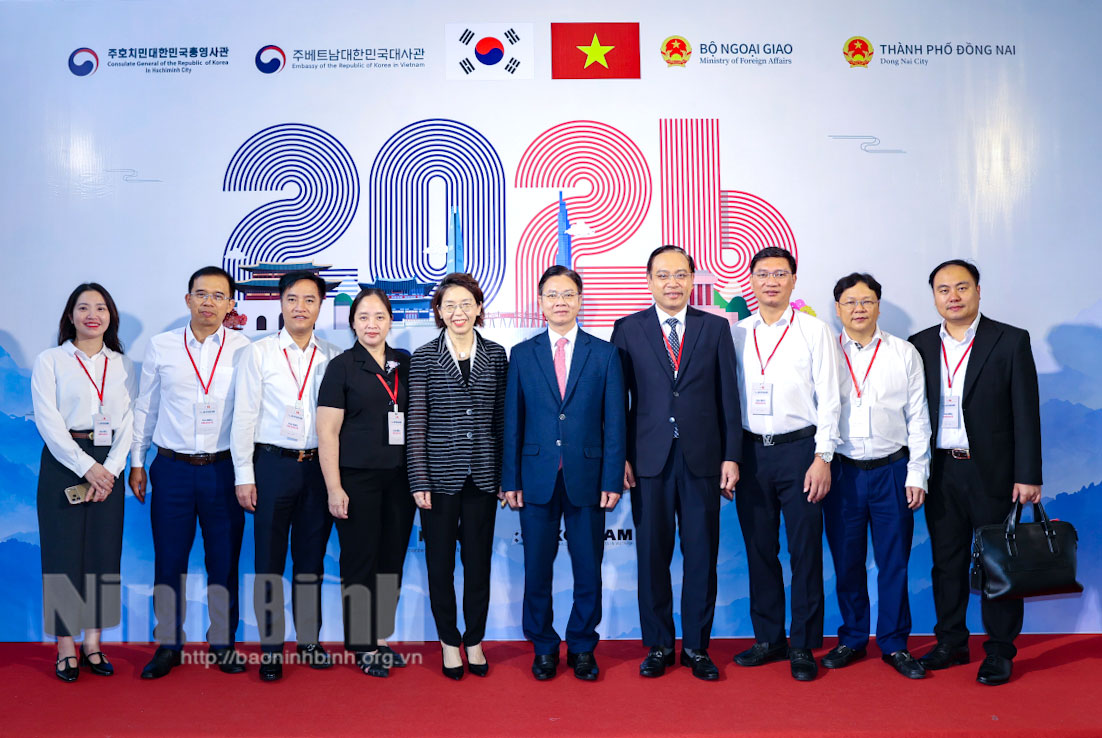
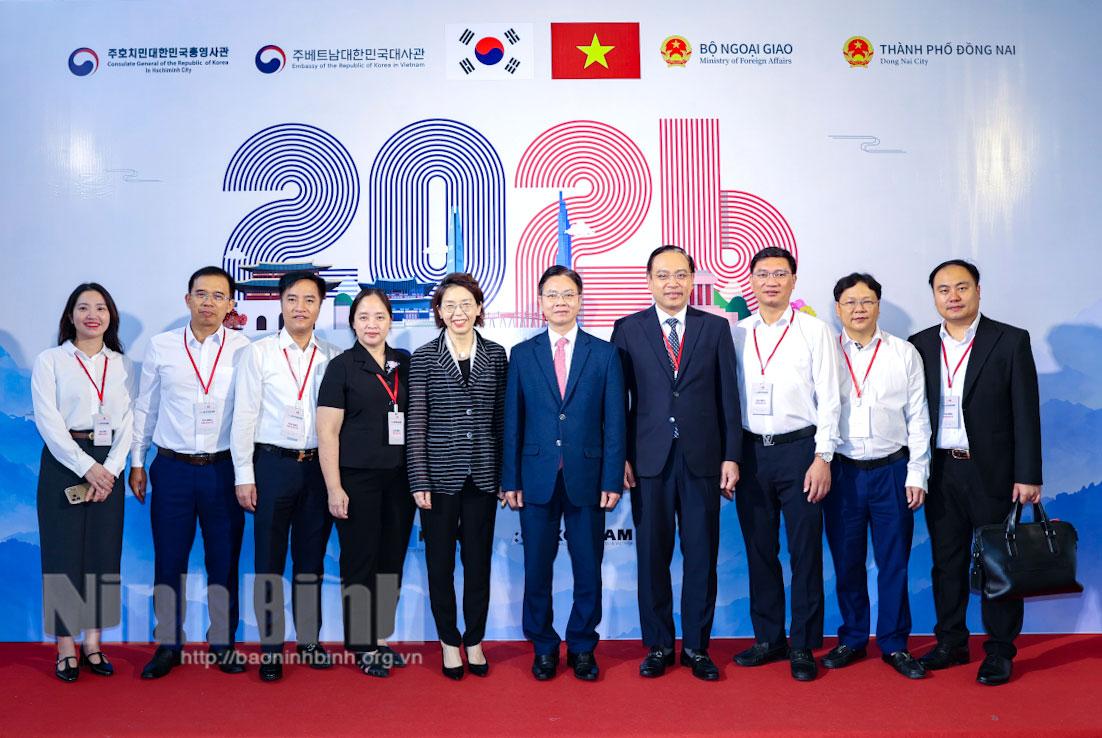
Attendees included Ngo Le Van, Deputy Minister of Foreign Affairs; Vo Tan Duc, Deputy Secretary of the Dong Nai City Party Committee; and Nguyen Van Ut, Deputy Secretary of the Dong Nai City Party Committee and Chairman of the municipal People’s Committee.
The Ninh Binh delegation was led by Dang Thanh Son, Member of the Provincial Party Committee’s Standing Board and Vice Chairman of the Ninh Binh Provincial People’s Committee.
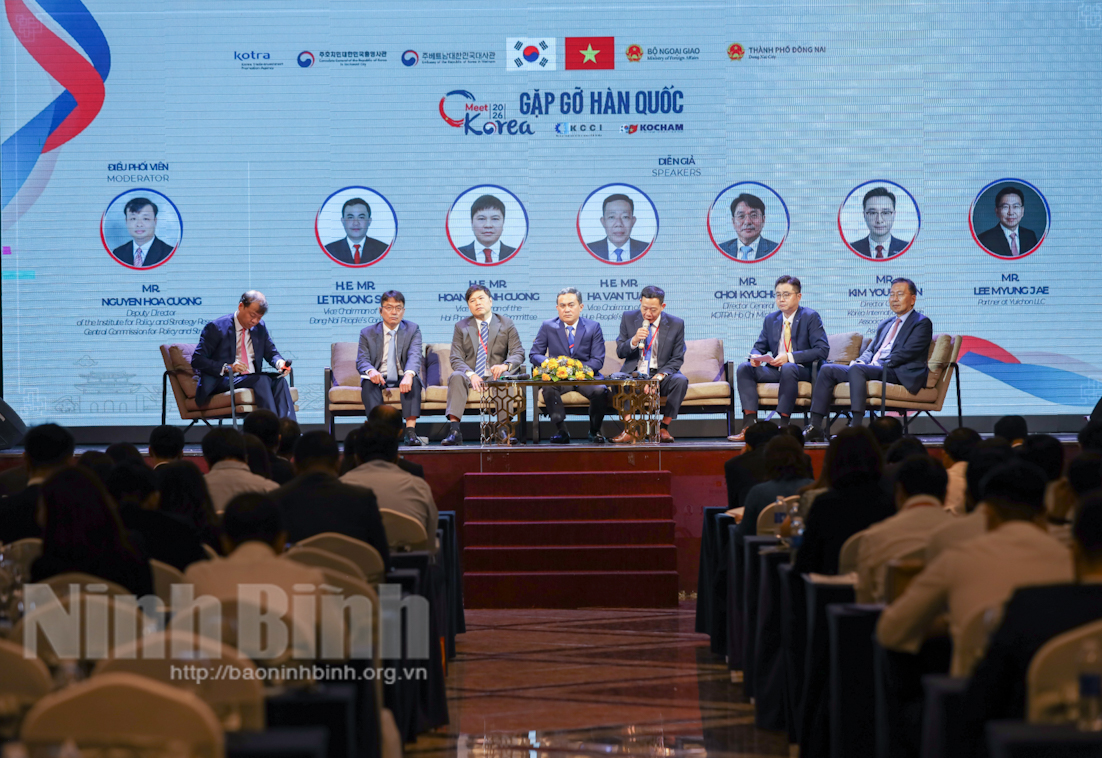
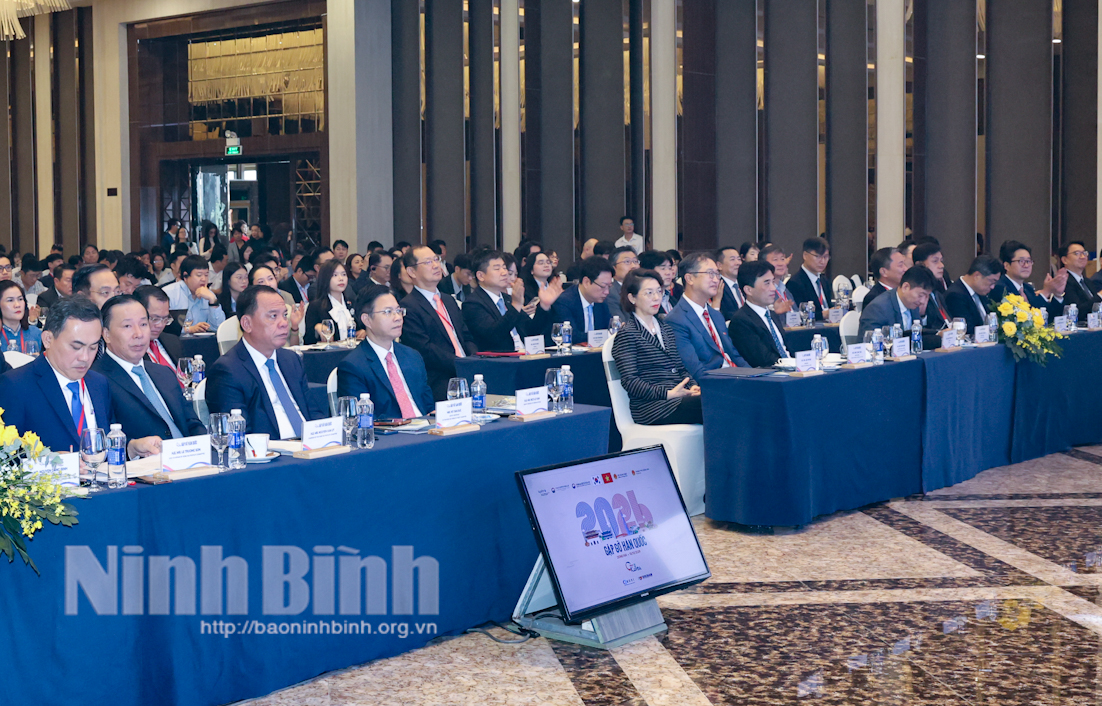
At the conference, participants reviewed significant progress in the Vietnam Republic of Korea Comprehensive Strategic Partnership and discussed measures to accelerate trade, promote sustainable investment, and develop high-quality human resources in the digital era.
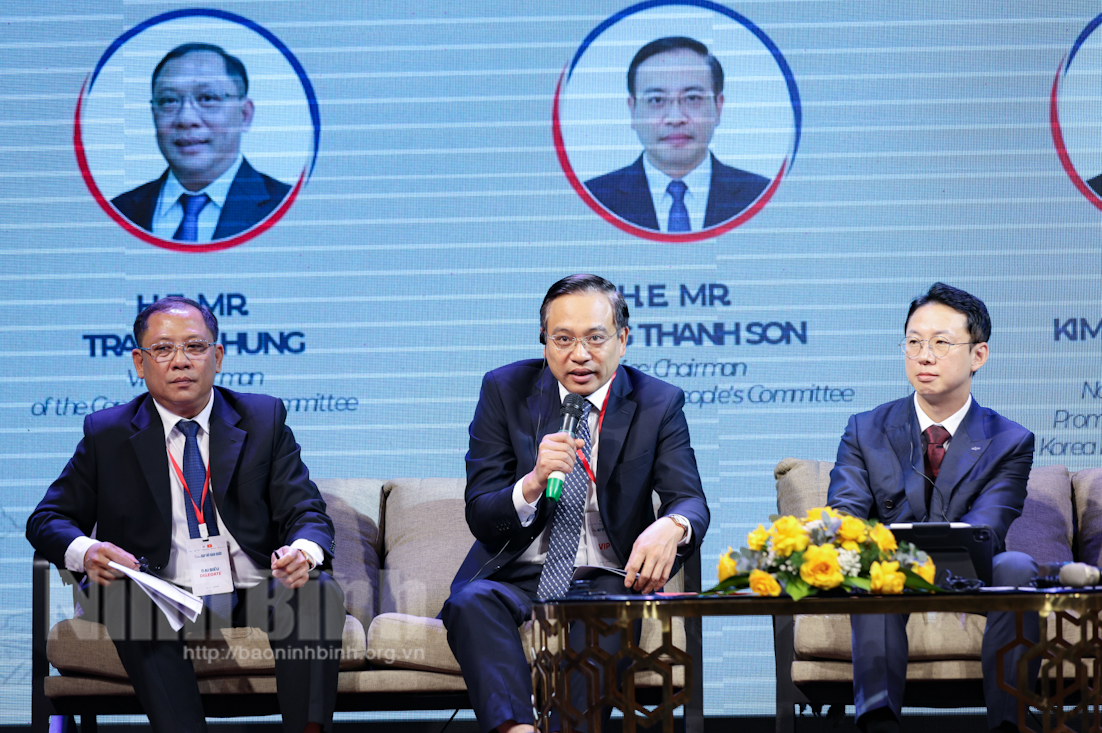
During a discussion session, Vice Chairman of the Provincial People’s Committee Dang Thanh Son outlined Ninh Binh’s development strategy for cultural industries and digital tourism, highlighting opportunities to promote the province’s heritage through the application of innovative technologies from the RoK.
Following the merger of Ha Nam, Nam Dinh and Ninh Binh provinces, the newly consolidated province boasts an extensive cultural and heritage landscape, encompassing distinctive historical, archaeological and architectural assets, as well as diverse natural scenery. Notable sites include the Trang An Landscape Complex, a UNESCO World Cultural and Natural Heritage Site; the ancient capital of Hoa Lu; Tam Chuc; and the Tran Temple and Phu Day historical and religious complexes.
According to Son, these assets provide Ninh Binh with a strategic advantage in pursuing its ambition to become a millennium heritage city and an internationally competitive center for tourism and cultural industries by 2028.
To transform its heritage resources into immersive experiences, innovative products and new sources of economic value, Ninh Binh has identified three key priorities.
First, the province plans to develop a digital heritage data ecosystem to support smart tourism. Second, it aims to apply virtual reality (VR), augmented reality (AR), immersive light shows and multilingual interpretation to enhance visitors’ experiences at heritage sites. Third, it seeks to develop integrated digital tourism services linked to film, the arts and traditional craft villages, with particular attention to digital content and platforms tailored to the preferences of Korean visitors.
Drawing on the RoK’s experience in integrating culture, technology and the creative economy, Son called on Korean partners to expand cooperation in three priority areas: developing film and digital content industries to promote tourism destinations; collaborating on performing arts, festivals and design inspired by local cultural traditions; and strengthening human resource development and incubation programs for cultural entrepreneurship.
He emphasised that such collaborations should draw on Ninh Binh’s distinctive cultural heritage, including cheotraditional opera, hat van ritual singing, the Mother Goddess worship traditionand traditional handicrafts, while ensuring the authenticity and integrity of these cultural practices are preserved.
“Ninh Binh consistently upholds the principle that heritage is the foundation, conservation is a prerequisite, creativity is the driving force, and local communities are both the custodians and beneficiaries” Son said.
He stressed that all projects must strictly comply with ecological and environmental protection requirements, ensure equitable benefit-sharing mechanisms, and promote public-private partnerships to generate resources for reinvestment in heritage conservation.
The provincial leader expressed his expectation that cooperation between Ninh Binh and Korean partners would become more substantive and far-reaching, guided by a spirit of joint research, creativity, investment and shared value creation./.
Tin liên quan
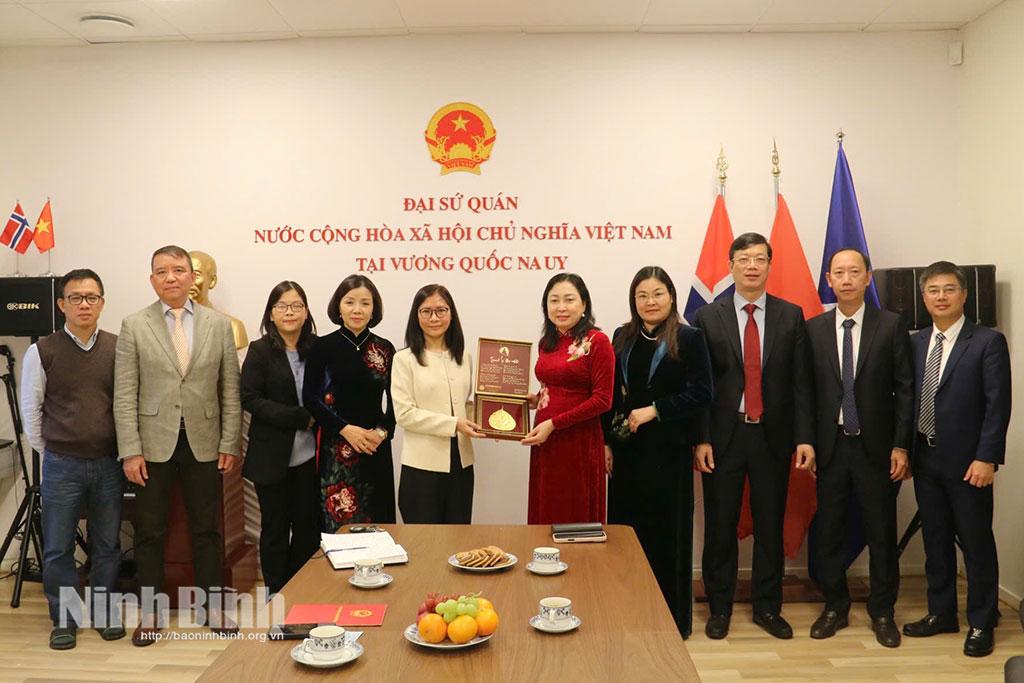
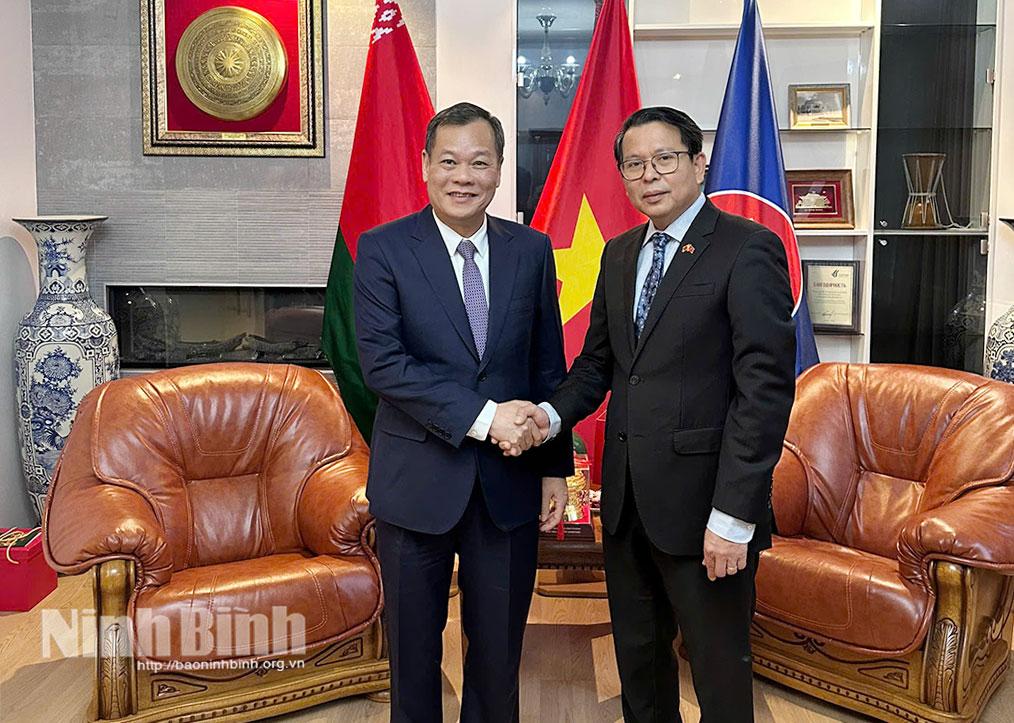
Ninh Binh delegation pays working visit to Belarus
Tin cùng chuyên mục
Ninh Binh’s delegation attends “Meet Korea 2026” plenary conference
Top leader hosts Lao Deputy Prime Minister and Defence Minister
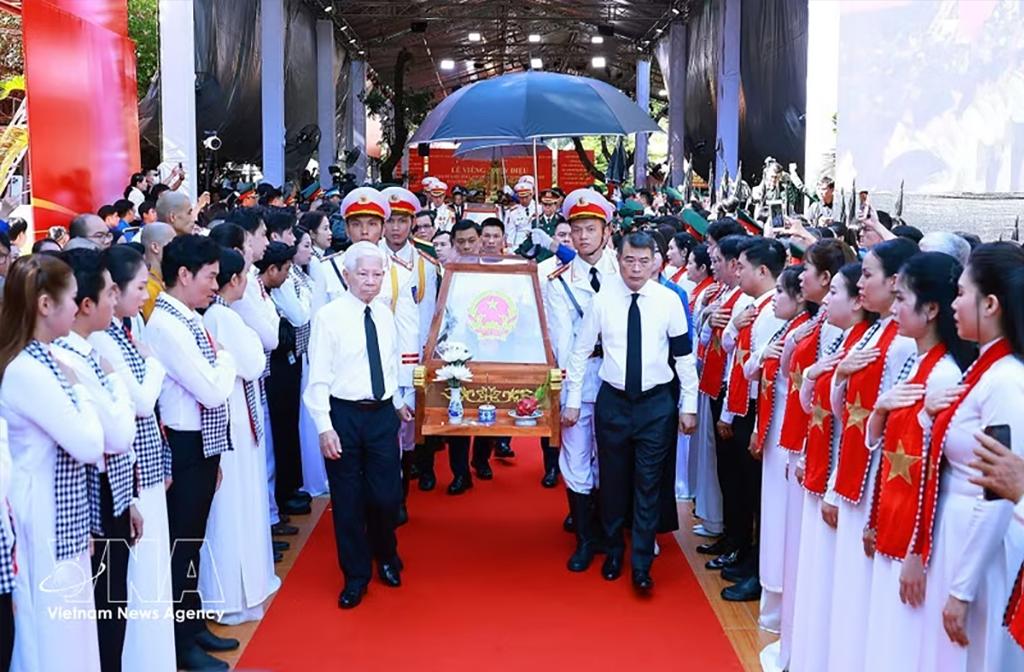
Memorial service held for 731 fallen soldiers in Ho Chi Minh City
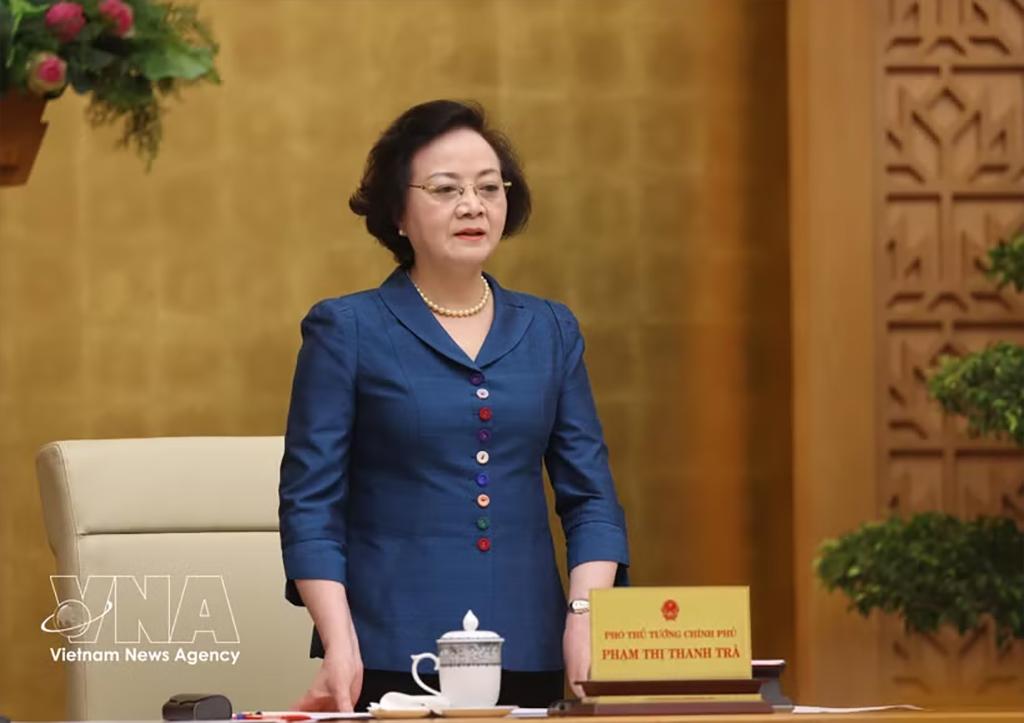
Deputy PM requests strong impact from inaugural Vietnam Culture Day