
Ninh Binh steps up comprehensive digitisation of tourism sector
Comprehensive digitisation
Bui Van Manh, Director of the Ninh Binh Department of Tourism, stated that the Resolution of the Provincial Party Congress for the 2025-2030 term identifies the goal of developing tourism and cultural industries into key economic sectors. This is not only a strategic goal consistent with new development requirements but also creates a strong impetus for Ninh Binh's tourism to develop beyond the mindset of quantitative growth, moving towards improving quality in a high-class and sustainable manner, aiming to become a national and international tourism and cultural industry centre in the future.
To contribute to the successful achievement of these goals, the tourism sector has clearly identified the breakthrough role of technology and cultural industries, with key solutions prioritised in the new term. The shift from "extensive" growth to "intensive" development must be based on a digital foundation, Manh emphasised.
In fact, Ninh Bình has been strongly implementing data digitisation. Previously, the Department of Culture and Sports had implemented the construction of an information management system, creating a database for representative artifacts at the provincial museum and completing the comprehensive digitisation plan for tangible and intangible cultural heritage.
At the Hoa Lu Ancient Capital Historical and Cultural Relic Conservation Centre, approximately 1,000 valuable artifacts, including five national treasures, have been digitised. Thanks to the application of digital transformation, these artifacts and treasures are now more scientifically protected and introduced to tourists through digital platforms.
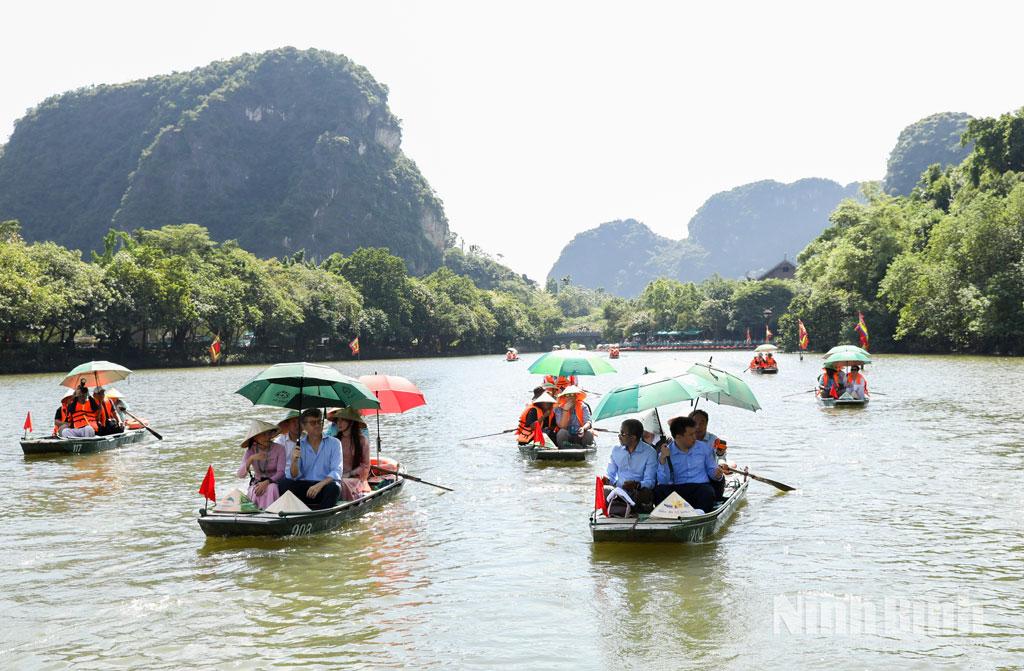
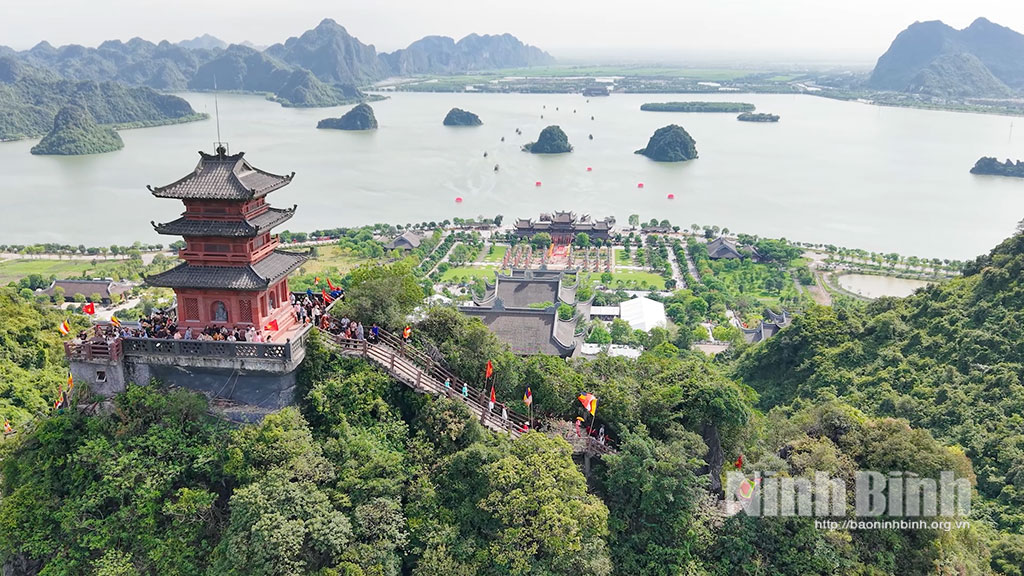
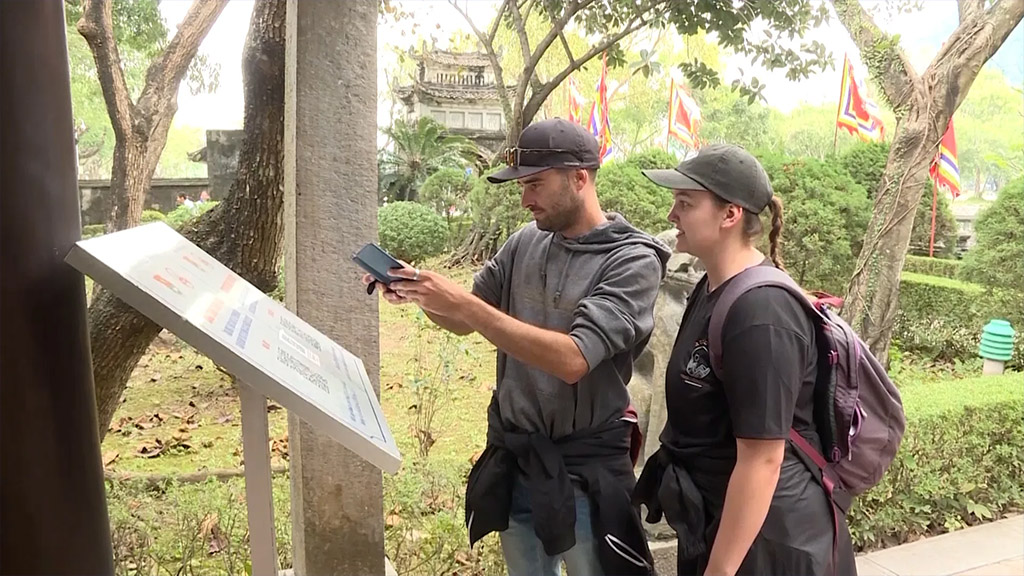
Similarly, at the Trang An Scenic Landscape Complex a World Cultural and Natural Heritage site geological, aesthetic, and cultural values are digitised into detailed data and widely disseminated on digital platforms. Visitors can simply scan QR codes to access information, enhancing their exploration experiences.
The province’s Ho Chi Minh Communist Youth Union is also actively developing a model of "digitising historical sites," attaching QR codes to historical and cultural relics, allowing tourists to access multi-dimensional information with a simple scan on their smartphones. To date, 10 QR code scanning points have been implemented in key tourist areas such as Trang An, Tam Coc - Bich Dong, Hoa Lu Ancient Capital, Thien Ha Cave, and Cuc Phuong National Park.
Tran Van Hung, CEO of Co Do (Ancient Capital) Green Tourism and Services Company, stated that for small and medium-sized enterprises like his company, digital transformation helps address two core issues: effective management and smart marketing.
Hung added that the company is currently using e-booking and ticketing management software. This not only minimises errors and prevents ticket losses, but more importantly, it helps them collect accurate data on peak times, customer group preferences, and popular services.
In addition, the company is actively developing high-quality digital content, especially videos and 360-degree images of unique eco-destinations.
Personalising tourist experiences
Ninh Binh's tourism development strategy is to comprehensively digitise data on heritage sites, destinations, and services, while simultaneously developing a new generation smart tourism application. This application not only provides multilingual information but also uses artificial intelligence (AI) to personalise experiences.
AI is used to analyse the behavior and preferences of tourists to suggest the most suitable routes and services. At the same time, the AI system supports automatic navigation and commentary.
A clear example of the effectiveness of this strategy is the experiences of Liam O’Connell, a tourist from Ireland, an environmental engineer who spent four days visiting Trang An, Hoa Lu Ancient Capital, and Van Long Conservation Area in Ninh Binh.
O’Connell shared: “This is my third time in Vietnam, but this is the first time I feel like the trip was tailored specifically for me. Before the trip, I used Ninh Binh’s smart tourism application. I declared that I am an environmental engineer, passionate about archaeology, and enjoy ecological activities.” The AI system responded immediately by suggesting a different itinerary: it recommended prioritising the Van Long Wetland Reserve, renowned for its biodiversity and for observing the white-legged langur. The app also suggested a special tour highlighting the geological value of Trang An and recommended a lesser-known local museum.”
“When I arrived at Hoa Lu Ancient Capital, instead of hiring a guide, I simply scanned the QR code on the map. My phone immediately played a detailed commentary in English, not only providing basic historical information but also stories related to the architecture of the Dinh and Early Le dynasties. It was a fantastic experience,” said O’Connell./.