
Ninh Binh strives to become centrally-governed city by 2030
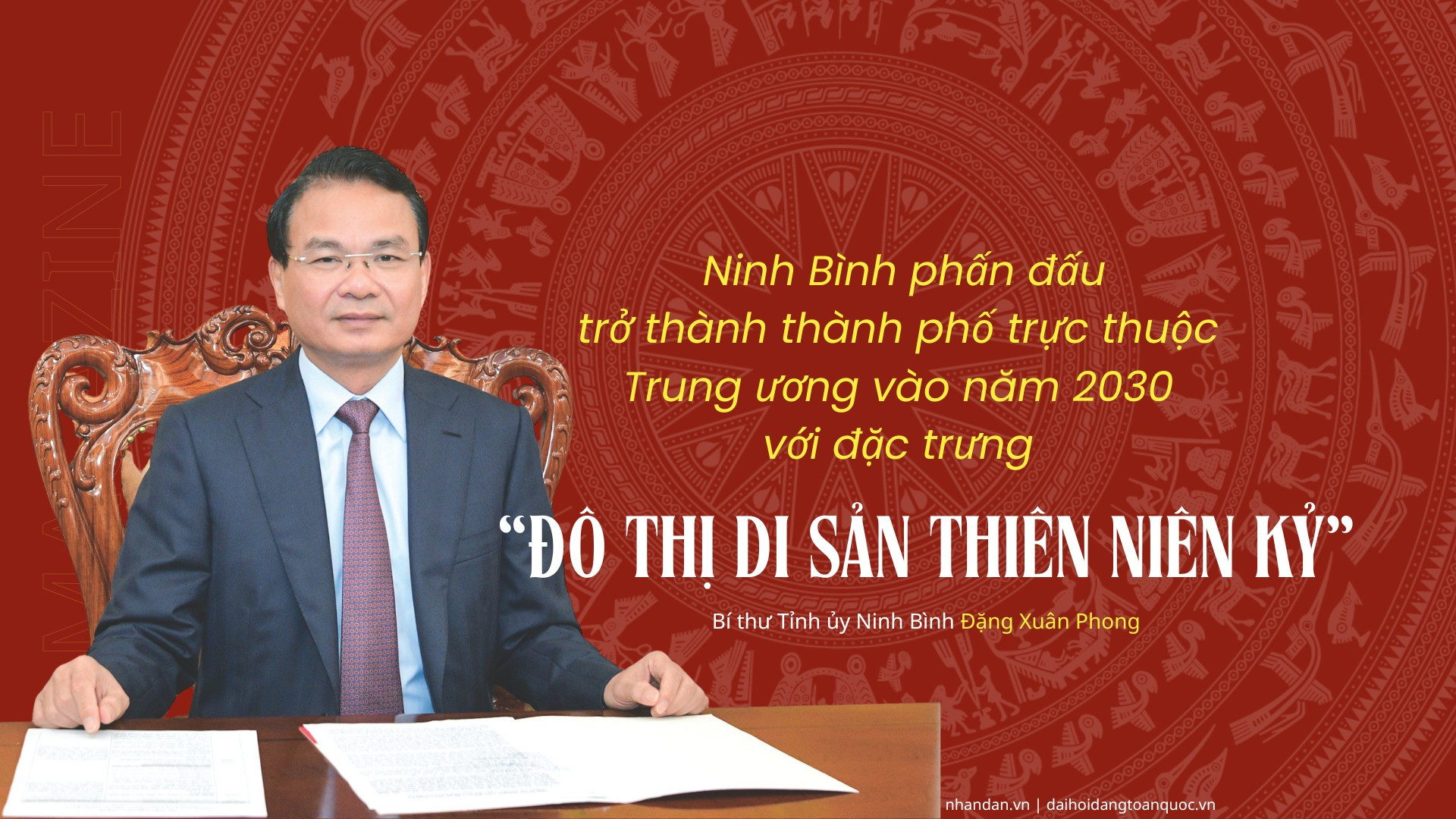
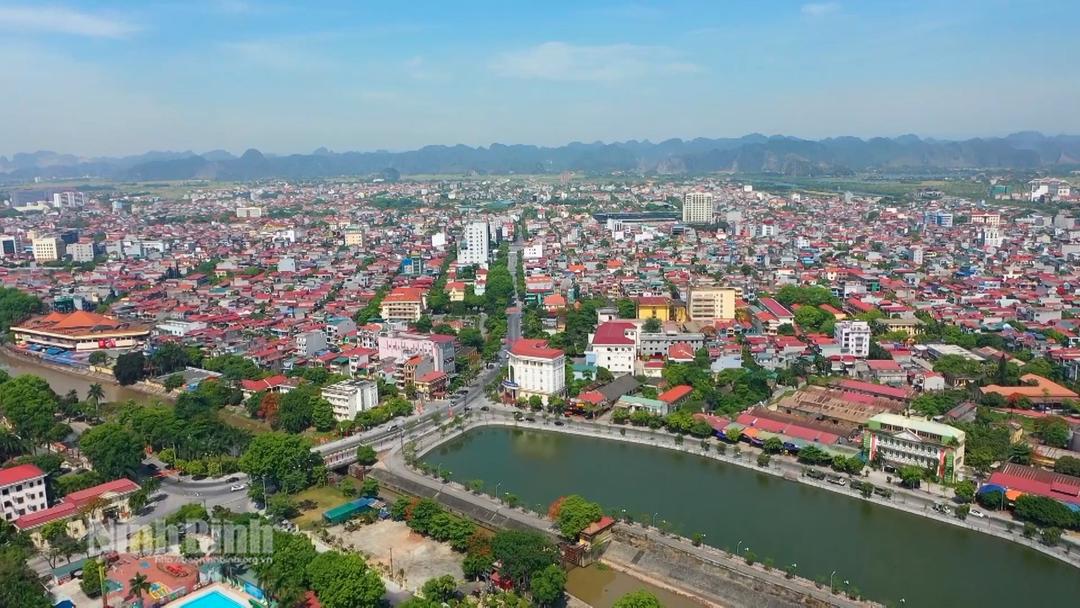
The 14th National Congress of the Communist Party of Vietnam was a particularly important milestone, opening a new phase of national development with the aspiration for strong development and prosperity. In keeping with this spirit, the Party Organisation, administration and people of Ninh Binh province are entering the new term with a major goal: Striving to become a centrally-governed city by 2030, possessing the unique identity of a "Millennium Heritage City."
On this occasion, Dang Xuan Phong, Member of the Party Central Committee, Secretary of the Provincial Party Committee, and Head of the Provincial Delegation of National Assembly Deputies, gave an interview about the strategic vision, development orientation, and groundbreaking solutions to realise the province's major goals in the 2025-2030 term.
Reporter: As the whole country is placing trust and expectations on the national development decisions of the 14th National Party Congress, could you please talk about major goals Ninh Binh has set for the new term?
Mr. Dang Xuan Phong: The Ninh Binh Provincial Party Organisation has set the overall goal for the 2025-2030 term as follows: to leverage potential, advantages, resources, and driving forces, and to accelerate breakthroughs according to the new growth model. The goal is for Ninh Binh to become a centrally-governed city by 2030, with modern industry, high-quality services and tourism, a green urban area linked to heritage, and to be among the leading localities nationwide in terms of growth rate and per capita income.
Ninh Binh will establish its position and role as a national and international tourism centre; a centre for training high-quality human resources; a centre for healthcare and medical services; and a high-tech industrial centre for the inter-region and the country, with pillars being automotive engineering, information technology, electronics, processing and manufacturing, energy industry, and green materials.
The province will harmoniously combine cultural heritage preservation and environmental protection with economic growth, green transition, and digital transformation.
Ninh Binh will build strong local defence potential and a robust provincial defence zone, ensuring political security, order, and social safety; build a clean, strong, and comprehensive Party and political system; develop the economy; achieve social prosperity; ensure the happiness of the people; and preserve and promote local cultural identity.
These are not only specific development goals and targets, but also reflect the strategic vision and strong aspirations of the Party Organisation, administration, and people of Ninh Binh province, making a worthy contribution to the overall development of the Red River Delta region and the entire country.
Along with this, Ninh Binh clearly defines preservation and development as two objectives with a dialectical relationship, closely intertwined with each other. Stemming from its unique local characteristics, Ninh Binh has chosen a development path based on heritage preservation, considering this a prominent comparative advantage to realise its goal of becoming a centrally-governed city before 2030.
Based on this, the province positions a balance between preservation and development in three key aspects:
Firstly, preserving heritage to transform it into a significant asset and resource for development. Ninh Binh views heritage as a new driving force, with "openness," capable of creating breakthroughs for development. Preservation must be linked to rational and effective exploitation, thereby transforming heritage values into economic, cultural, and brand values for the province.
Secondly, using planning as the central tool to manage and guide development. The province places particular emphasis on the quality of planning and discipline in planning management.
Thirdly, leveraging breakthroughs in science, technology, and digital transformation to create brand value for preservation. Ninh Binh utilizes modern tools, especially digital technology, science and technology, and smart governance platforms, to vividly, engagingly, and more accessiblely "tell the story of the thousand-year heritage" of the ancient capital region for both locals and tourists.
This modernity is also reflected in its green governance mindset, circular economy development, and ensuring a healthy living environment – fundamental elements of a sustainably developed heritage city.
Reporter: The Resolution of the First Ninh Binh Provincial Party Congress for the 2025-2030 term identifies the development of modern industry, high-quality tourism services, and green urban areas linked to heritage as the main pillars. In particular, the province is aiming to make tourism, along with the cultural and entertainment industries, a key economic sector. Could you elaborate on this goal?
Mr. Dang Xuan Phong: Regarding industry, Ninh Binh is determined to develop in a modern, green, and sustainable direction, based on the strong application of science and technology, and commercialisation of innovation to create high added value and be environmentally friendly.
The province focuses on effectively utilizing the preferential mechanisms of the Ninh Co Economic Zone, developing the high-tech zone; attracting and selecting iconic projects with high technological content and added value, linked to green transformation and digital transformation, while creating conditions for businesses to participate deeply in the global supply chain.
Regarding tourism services, the province aims to develop high-quality tourism, deeply rooted in Ninh Binh's unique identity, closely linked to the cultural and entertainment industries. The province focuses on restructuring tourism products to cater to all four seasons, overcoming the seasonality of traditional tourism; building and developing high-quality products and services, increasing spending and length of stay, meeting the needs for sightseeing, cultural and heritage experiences, relaxation, sports, entertainment, health care and shopping, etc.
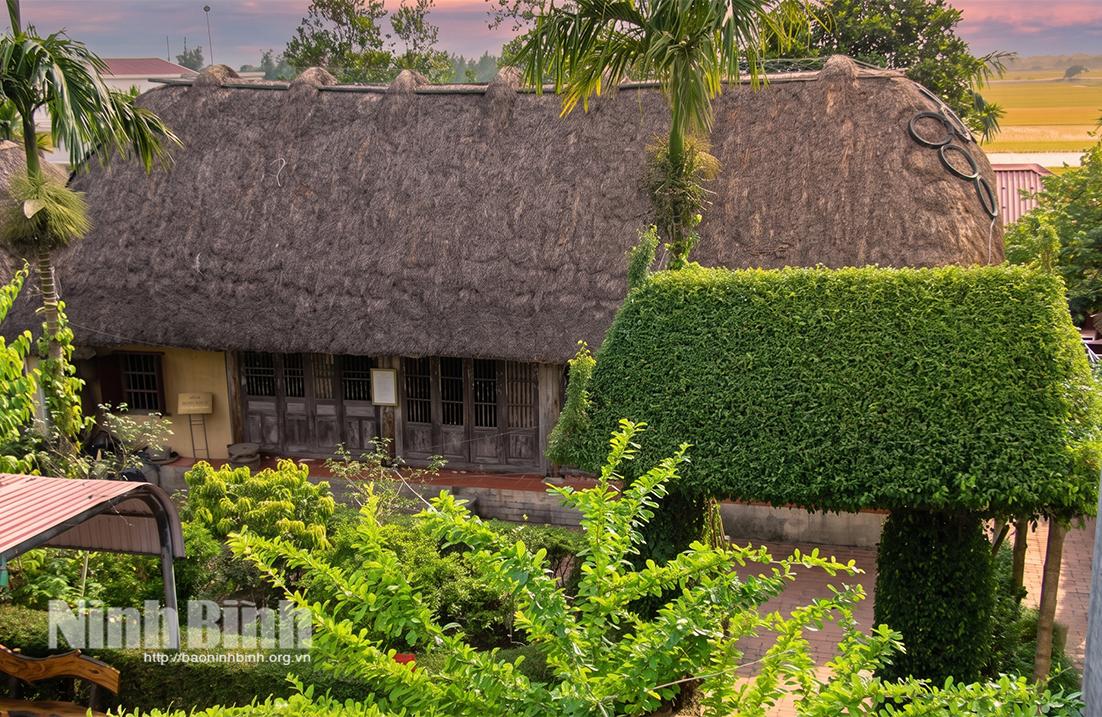
Ninh Binh will effectively exploit the advantages of cultural and historical heritage sites and famous scenic spots such as Trang An, Tam Coc-Bich Dong, Cuc Phuong, Kenh Ga, Bai Dinh Pagoda, Tam Chuc Pagoda, Phu Day, the Tran Temple complex, and the Catholic church system (Bui Chu, Phat Diem, Kien Khe).
It will create breakthroughs in the development of waterway tourism products (along the Day River, Hoang Long River, and Red River...), developing coastal tourism associated with community tourism, ecotourism, cultural tourism, experiential tourism, and craft village tourism.
Simultaneously, Ninh Binh focuses on investing in entertainment complexes, theme parks, and film studios; forming cultural and spiritual axes, and art and entertainment spaces associated with heritage. Through the combination of tourism, culture, art, and entertainment, the province aims to create "soft value," build a sustainable tourism brand, and make tourism, along with the cultural and entertainment industries, a key economic sector.
Regarding green urban development associated with heritage, the province is studying and planning urban development areas, expanding space and potential to create breakthroughs in socio-economic development and improve people's lives, such as: developing urban areas on both banks of the Day River in the Hoa Lu and Yen Yen areas; TOD (Transit-Oriented Development) urban areas are adjacent to high-speed railway stations, airports, deep-sea ports, economic zones - industrial zones, and tourist areas.
At the same time, resources are being mobilised and concentrated to rapidly modernise urban infrastructure, especially building smart, bright, green, clean, beautiful cities with their own unique identity.
Reporter: To realize the goal of making Ninh Binh a centrally-governed city by 2030 with the characteristic of a "Millennium Heritage City," what key tasks and breakthrough solutions is the province focusing on implementing?
Mr. Dang Xuan Phong: The top priority task the province has identified is to carry out good planning, ensuring synchronization, regional linkage, and conformity with national planning and new development orientations and requirements.
The planning clearly defines spaces for heritage preservation, modern spaces, and new development spaces. Simultaneously, the province is creating multi-dimensional development spaces, including ground, underground, and elevated spaces; forming dynamic connecting axes such as the coastal axis and the riverside axis, with the Day River as the central driving axis. One side is the space for preserving the ancient capital and heritage city; the other side is the space for modern urban development.
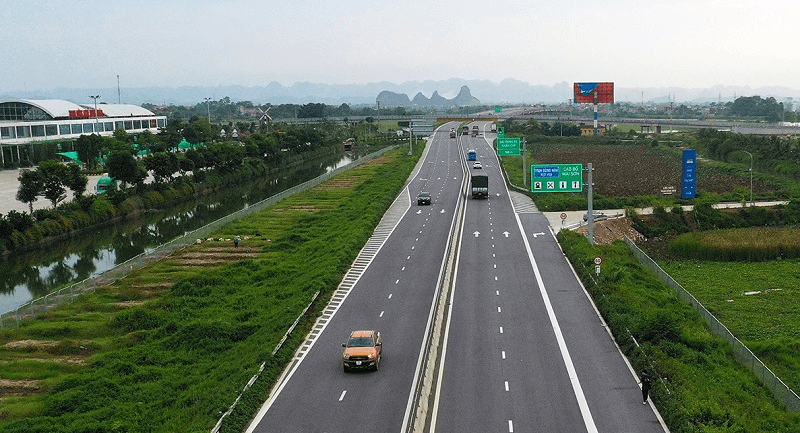
In parallel, the province is focusing on developing strategic infrastructure and vital transport arteries connecting the central urban area with key tourist areas, linking regions and inter-regions. Special attention is being paid to the preservation and restoration of ancient rivers, linked with the recreation of ancient cities, traditional craft villages, shopping centres, culinary centres, pedestrian streets, film studios, and live performance stages.
At the same time, the province prioritises investment in the construction of an airport and a high-speed railway on the North-South axis passing through the province, developing a comprehensive and modern logistics infrastructure system, deep-water seaports, and coastal economic zones, connecting the coastal region with the inland and international markets.
In particular, to realise the aspiration of becoming a centrally-governed city before 2030, Ninh Binh province has determined that it needs specific, strong, and groundbreaking mechanisms and policies to mobilise all resources, both capital and human. With appropriate mechanisms, Ninh Binh province will unlock and effectively utilise resources, creating breakthroughs in the next five years as well as in the long term. And in the coming time, Ninh Binh will have very special and groundbreaking mechanisms and policies, especially in the field of culture and heritage. Based on that, the province will create many unique and distinctive products, from industry and marine economy to tourism linked to heritage, thereby affirming Ninh Binh's position and identity in the new development process.
With deep confidence in the leadership of the Party and the strength of national unity, the Party Organisation, administration, and people of Ninh Binh province are determined to successfully implement the Resolution of the First Provincial Party Congress, for the 2025-2030 term; and steadfastly join the whole country in entering a new era.
Reporter: Thank you very much for your interview!
Tin liên quan
Tin cùng chuyên mục
Awards ceremony convened for sixth Party ideology writing contest
Top Vietnamese leader hosts banquet in honour of Swiss President

16th National Assembly commences second session
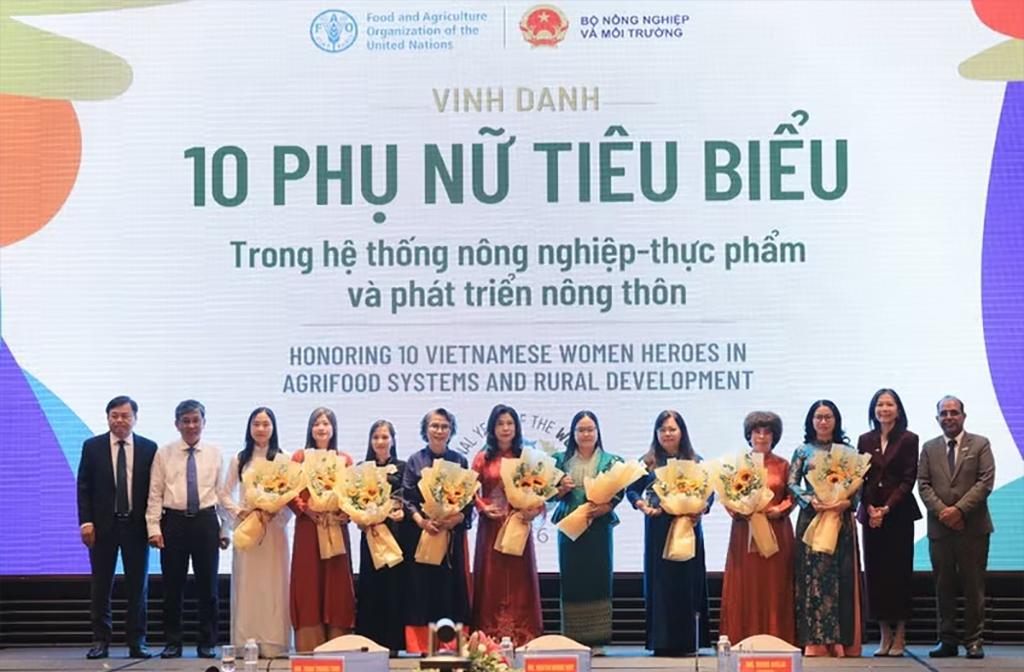
FAO honours 10 prominent Vietnamese women in agriculture, rural development
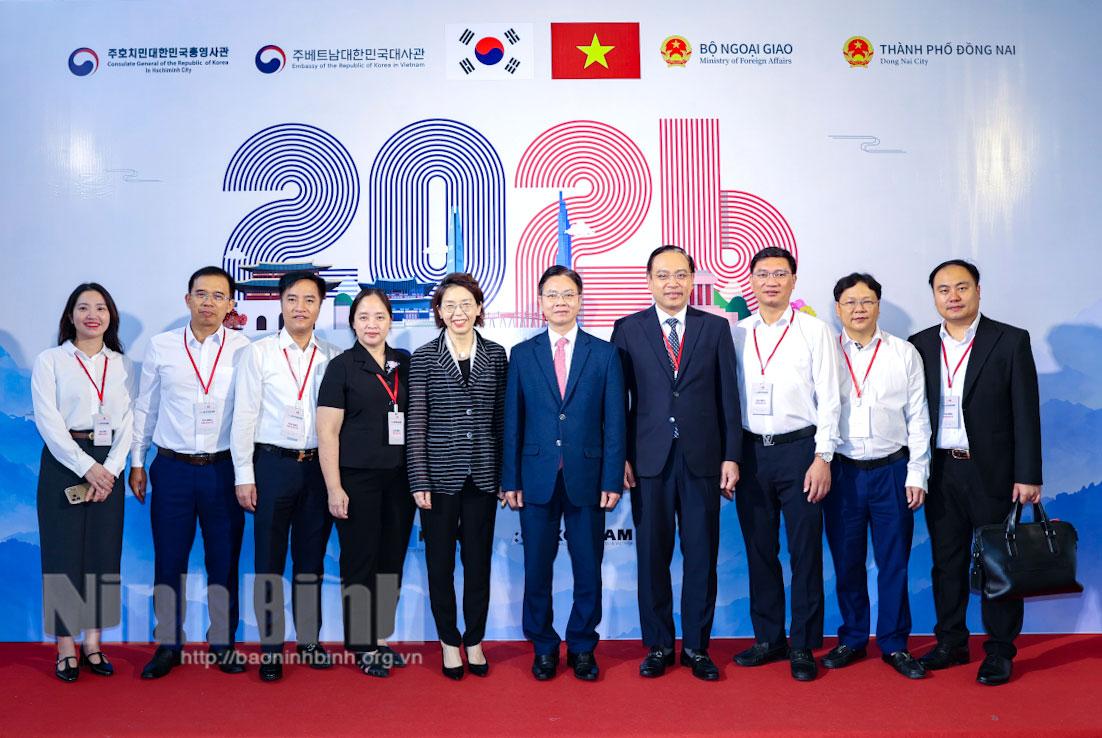
Ninh Binh’s delegation attends “Meet Korea 2026” plenary conference