
Kinh Thien Altar in Ninh Binh province restored
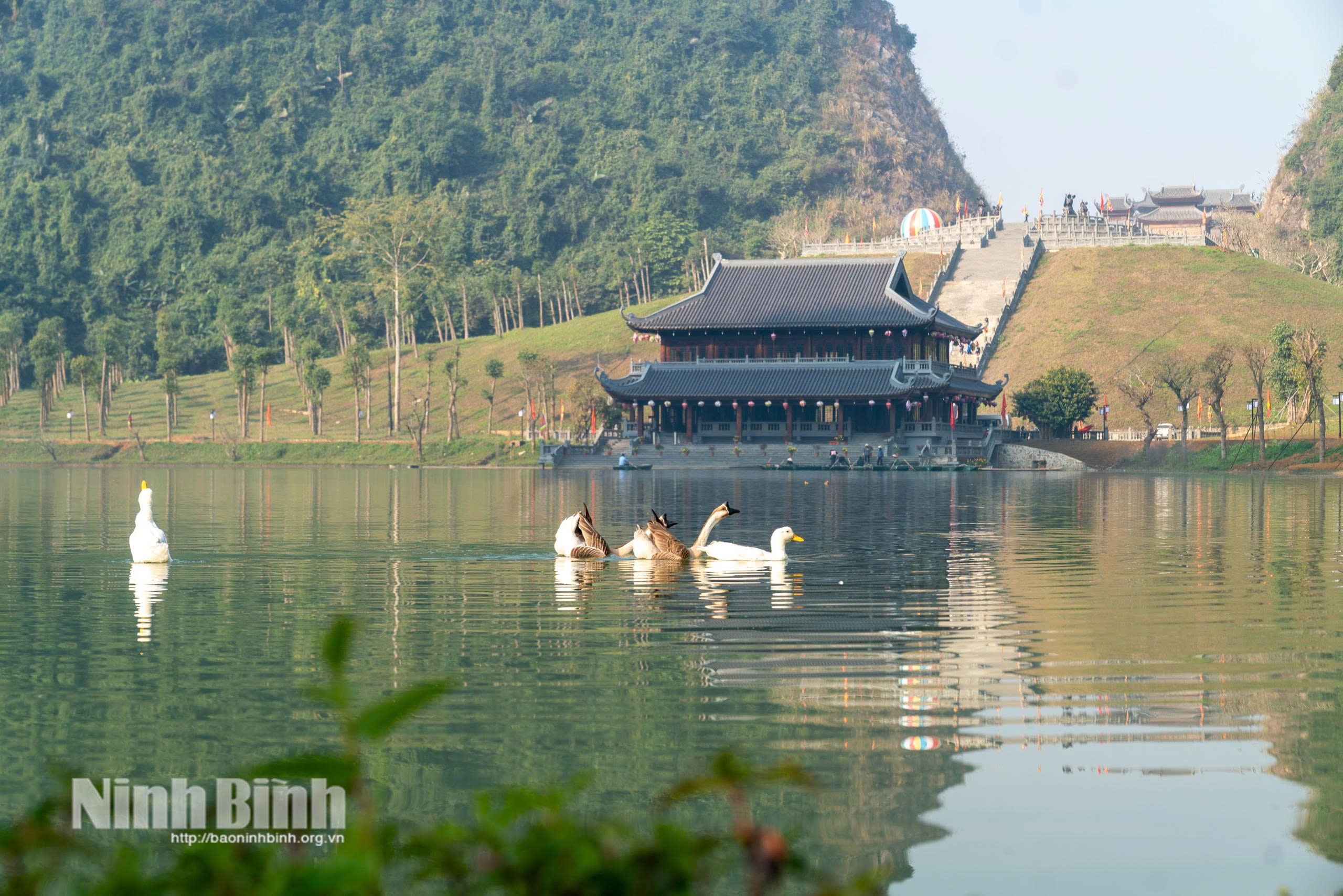
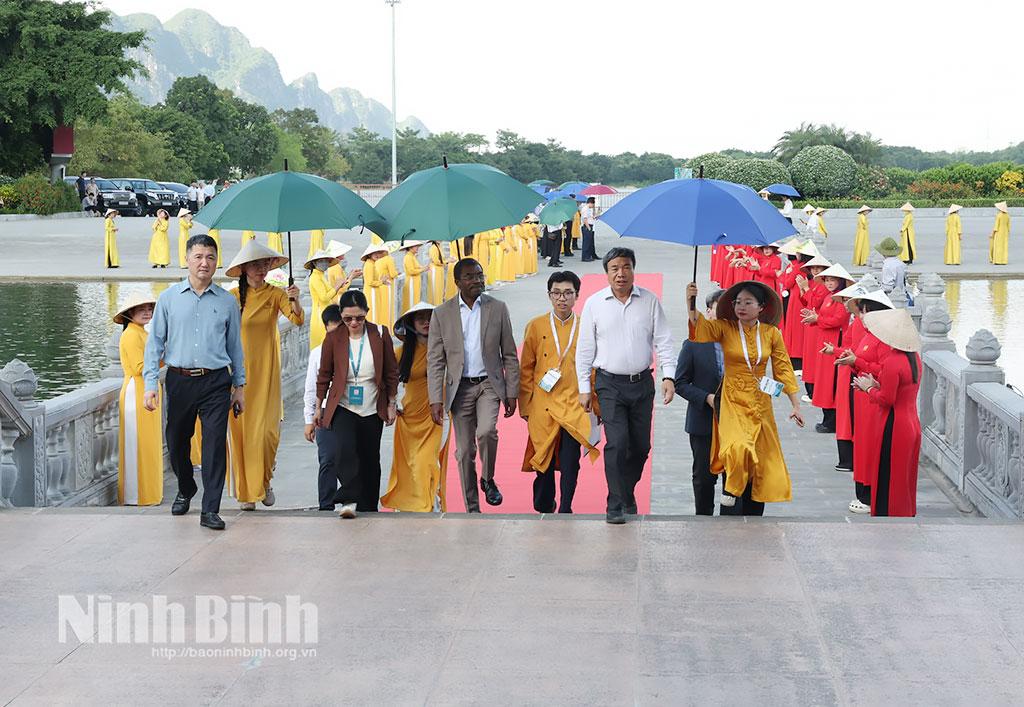
The Kinh Thien Altar, also known as the Nam Giao Altar, was the place where the emperors of the feudal dynasties performed the ritual of offering sacrifices to Heaven a most important ceremony in the royal court.
The offering to Heaven, or Nam Giao sacrifice, was extremely important to pray for favourable weather, national peace and prosperity, and national flourishing.
Truong Dinh Tuong, Chairman of the Ninh Binh Provincial Historical Science Association, said that the altar for offering sacrifices to Heaven is a royal religious structure, dating from the Dinh and Early Le Dynasties to the Nguyen Dynasty. Ninh Binh was once the capital of three dynasties: Dinh, Early Le, and Ly. Therefore, traces of the ancient Hoa Lu capital are still deeply ingrained today.
“The Altar of Heaven in ancient Hoa Lu was where Dinh Bo Linh performed the ritual of worshipping Heaven, before leading his army to quell the rebellion of the 12 warlords and unify the country. It was also here, in 968, after pacifying the land and ascending the throne, that the king offered sacrifices to Heaven and Earth, proclaiming himself Emperor Dinh Tien Hoang, naming the country Dai Co Viet, and becoming the first emperor of a centralized feudal state in Vietnam,” Tuong shared.
He said the Altar of Heaven of the Dinh Dynasty, dating back over 1,000 years, was located within the ancient capital of Hoa Lu, now part of the Trang An Scenic Landscape Complex a World Cultural and Natural Heritage site. The Trang An Altar of Heaven is situated near Bai Dinh Mountain and Pagoda, in Tay Hoa Lu ward, Ninh Binh province.
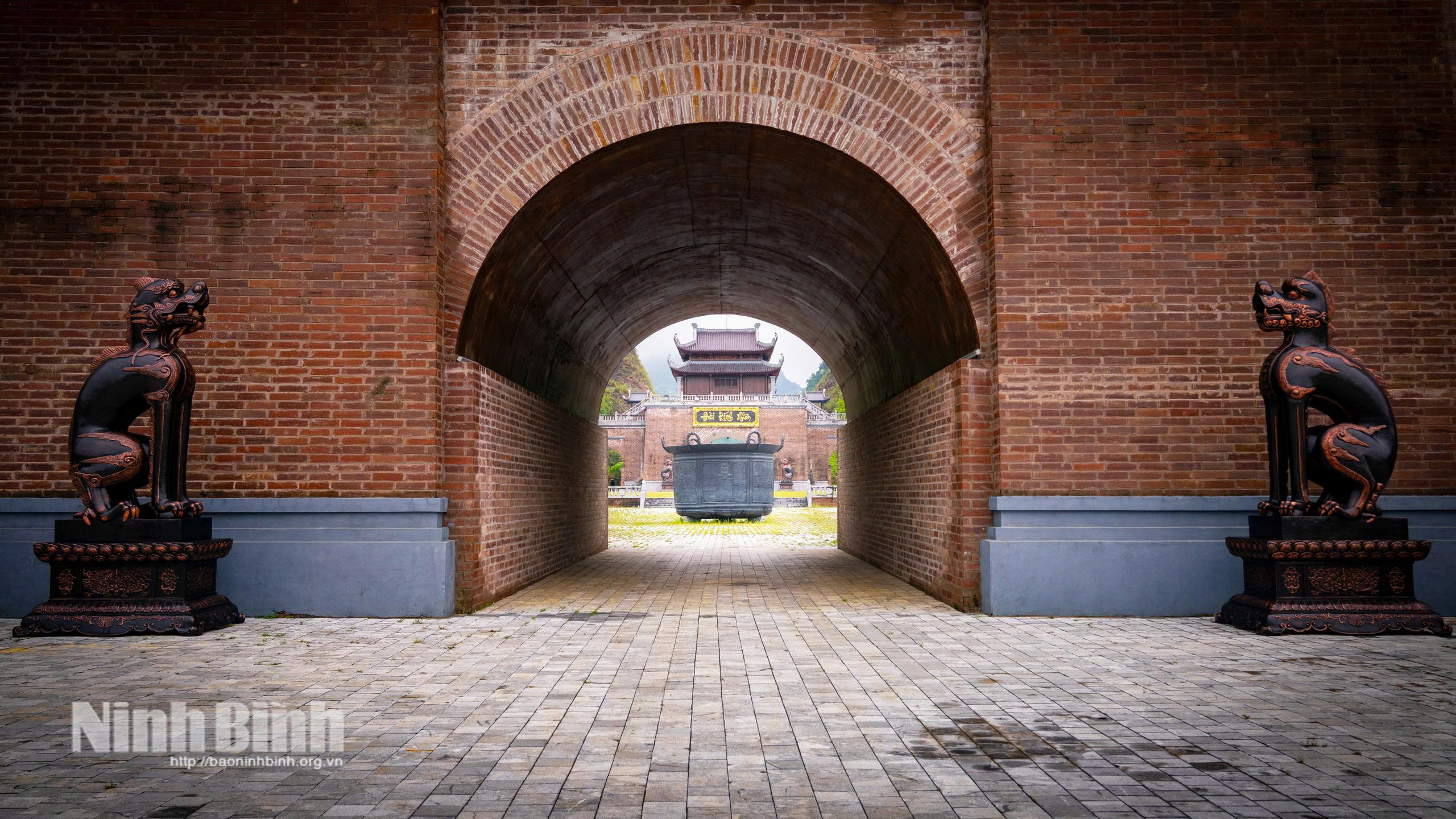
In 2018, Ninh Binh province restored the Kinh Thien Altar to commemorate the 1,050th anniversary (968-2018) of King Dinh Bo Linh's ascension to the throne, establishing the Dai Co Viet State. This is not only a historical and cultural landmark but also an attractive tourist destination for both domestic and international visitors to Ninh Binh.
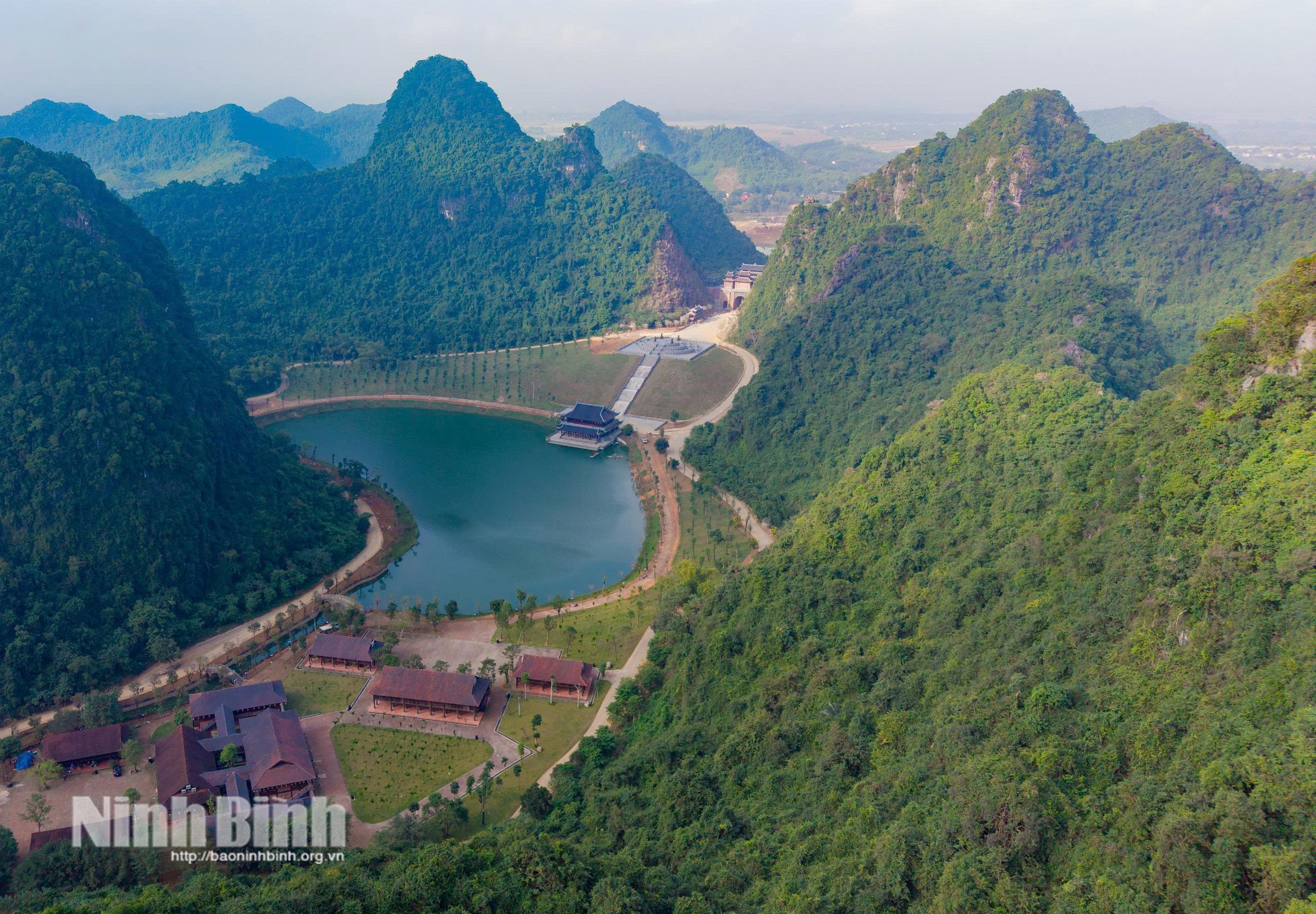
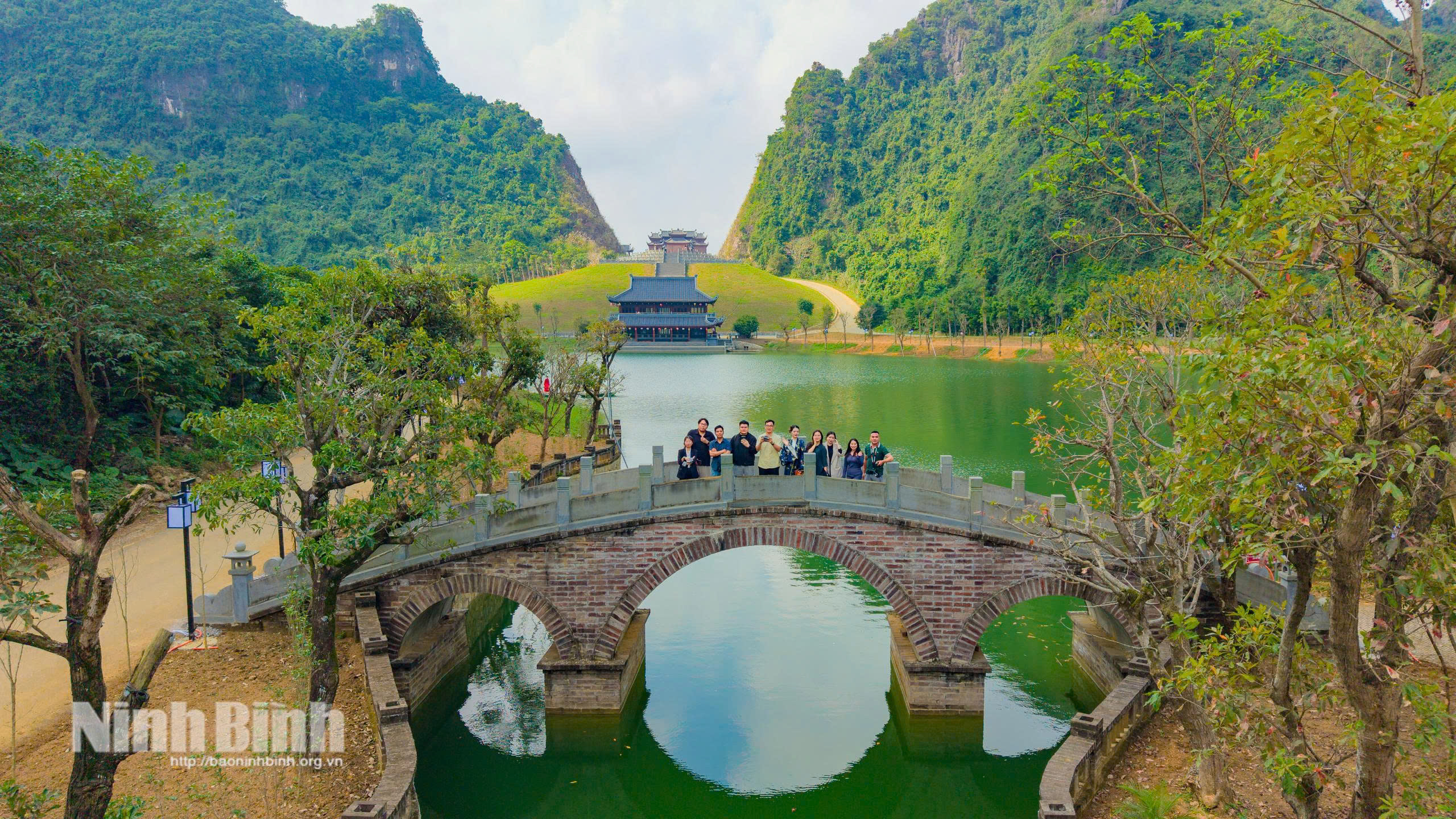
The Kinh Thien Altar is located on the highest land in the Moc Hoan valley (approximately 270 hectares). The restored structure features three layers of gates from the outside in: The Human Gate - the Earth Gate - the Heaven Gate (according to the ancient concept of "Three Talents": Heaven - Earth - Man), forming the universe.
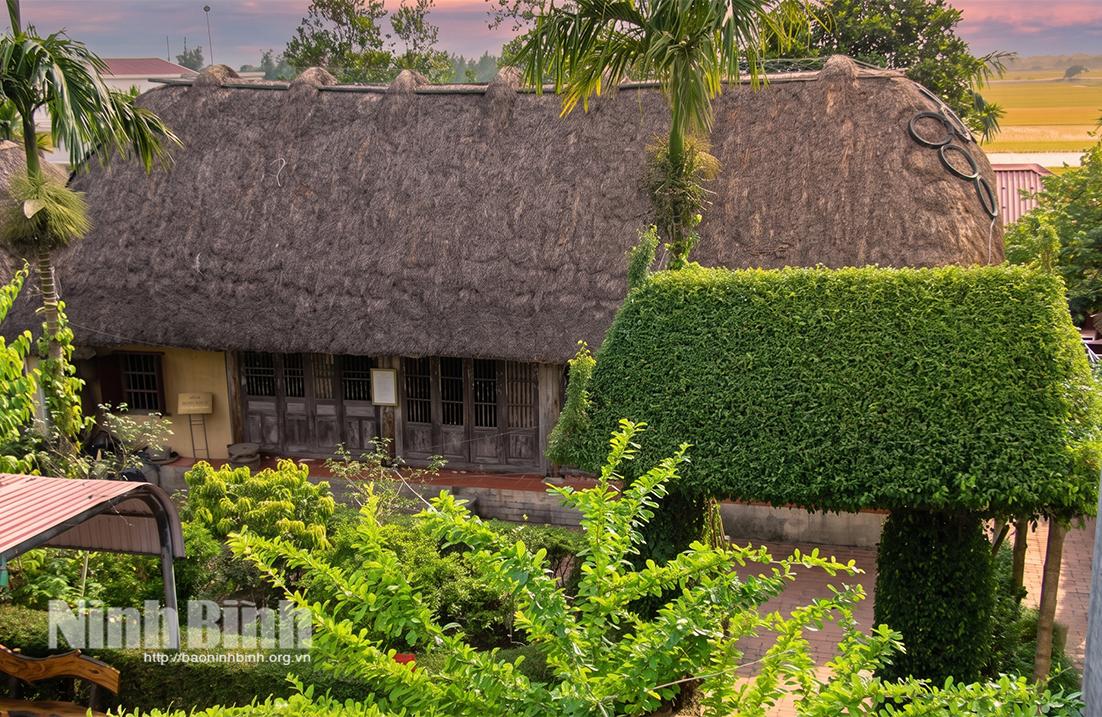
Three large stilt houses have been built in the middle of the Moc Hoan valley, modeled after ancient Muong stilt houses. These stilt houses are considered Muong museums, displaying artifacts and products, recreating scenes of Muong life, and showcasing Muong cuisine and specialties. This is to commemorate King Dinh, who was of Muong origin in the ancient Kim Lu and Hoa Lu villages.
Bui Van Manh, Director of the Ninh Binh Provincial Department of Tourism, said that the Thung Ui cultural and spiritual tourist site - where the Kinh Thien Altar has just been restored - will open to visitors during the Lunar New Year of the Horse 2026.
Tin liên quan