
Ninh Binh preserves and develops traditional craft villages through tourism

Under the project, the provincial Department of Agriculture and Environment has been tasked with taking the lead and coordinating with relevant agencies and units to implement the scheme.
Following the administrative merger, Ninh Binh is home to a large number of craft villages with established brands and unique cultural values.
Preliminary statistics show that the province currently has more than 250 craft villages engaged in a wide range of activities, including the processing of agricultural, forestry and aquatic products; handicraft production; woodworking; bamboo and rattan weaving; ceramics; textiles; embroidery; mechanical production; and ornamental plant cultivation.
Many of these craft villages have been recognised as national intangible cultural heritage, including Doi Tam drum-making village, Ninh Hai embroidery and lace-making, Ninh Van stone carving, Cat Dang lacquerware, and Nha Xa silk weaving.
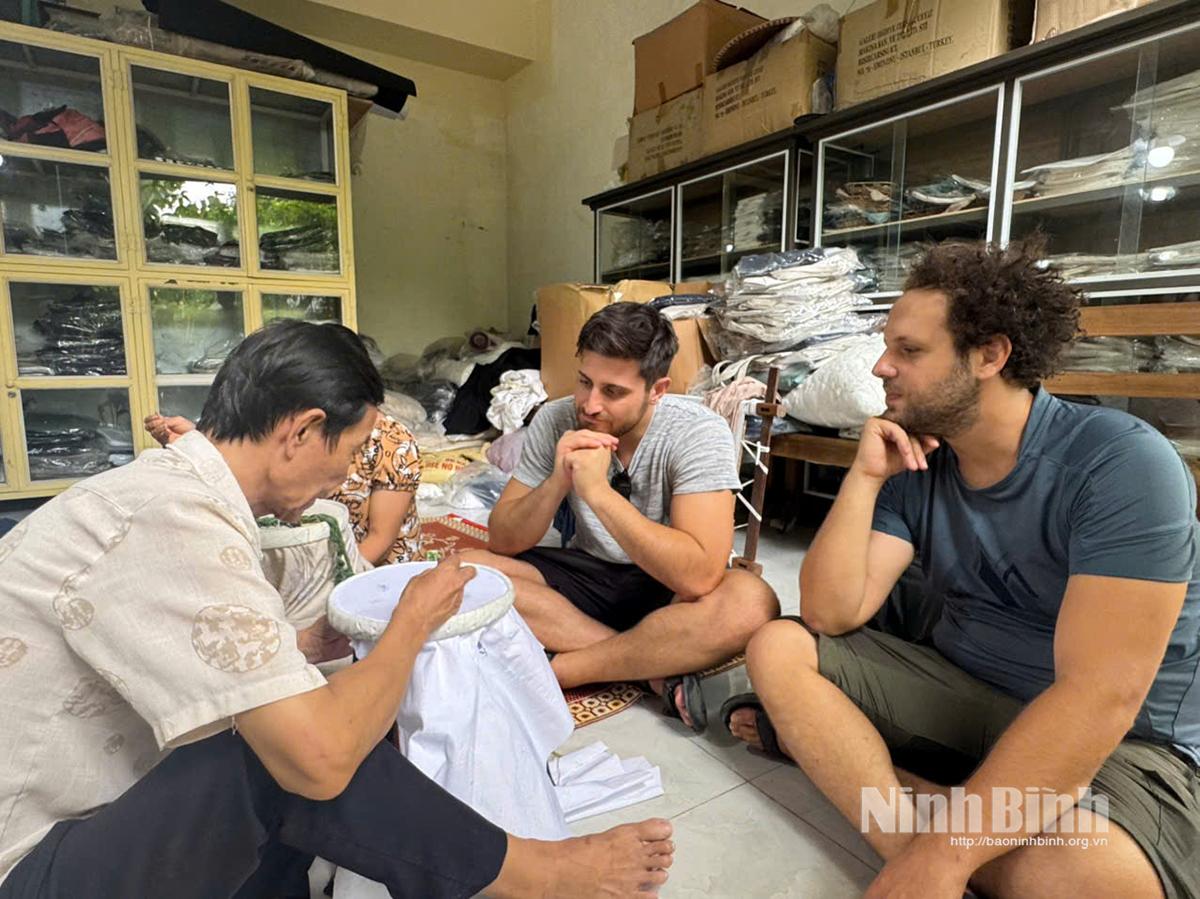
In recent years, tourism operators in Ninh Binh have developed a growing number of tours featuring visits and hands-on experiences at craft villages, as well as community-based tourism combined with traditional handicraft production. The model has emerged as an effective development approach, highlighting the considerable potential of linking tourism with craft villages.
With hundreds of diverse craft villages, Ninh Binh has significant advantages for developing craft village tourism. The initiative is expected to contribute not only to local socio-economic development but also to the preservation of national cultural identity and the promotion of Vietnam's rich cultural heritage among international visitors./.
Tin liên quan








Tin cùng chuyên mục


Muong Lo Festival 2026 opens with grand Xoe dance performance

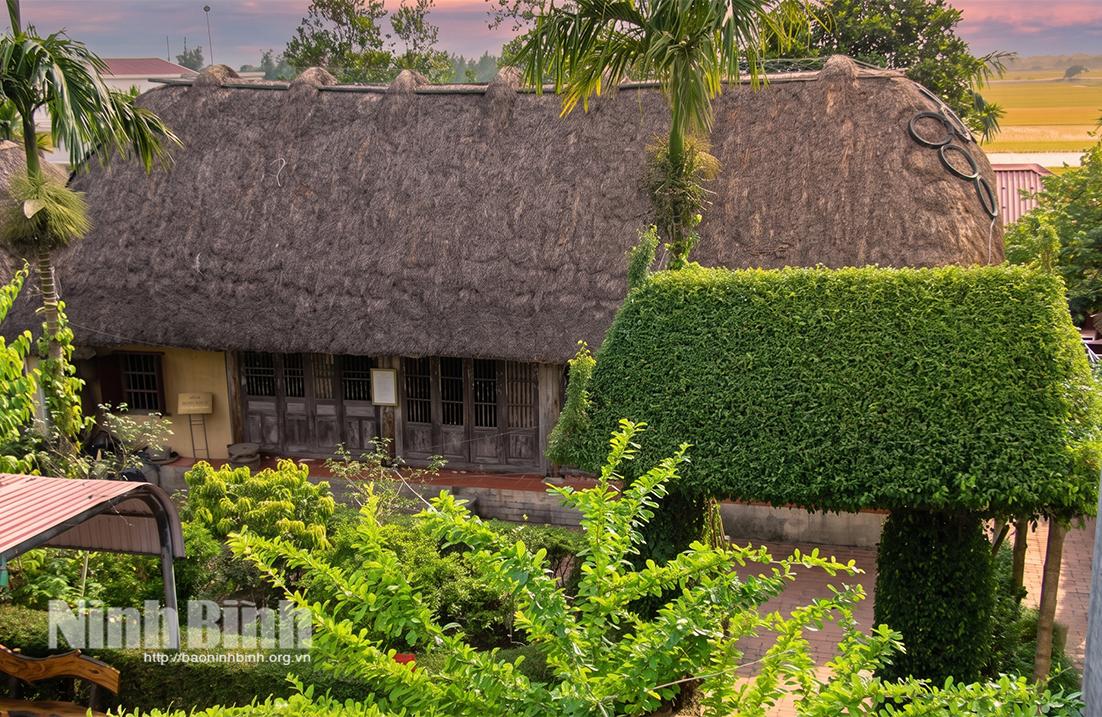
Preserving traditional sedge-thatch houses in Ninh Binh