
More than 60% of OCOP producers record average annual revenue growth of 17.6%
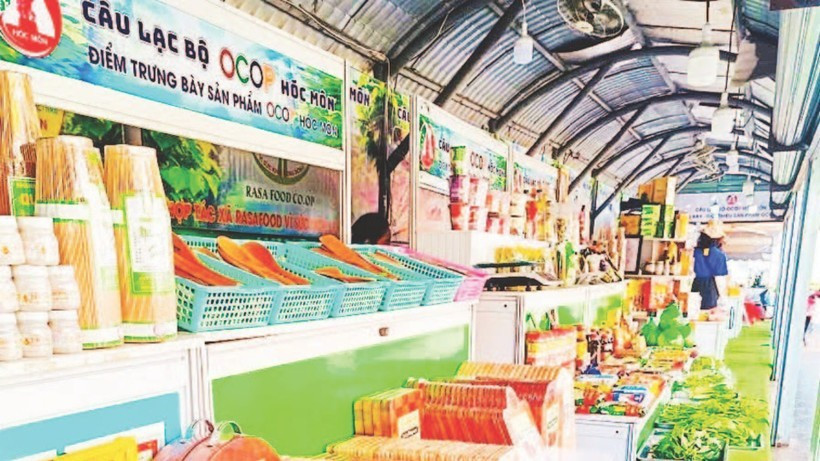
The development of rural tourism has become a key pillar of the National Target Programme on New Rural Development, generating employment, raising incomes, and revitalising indigenous cultural values.
By the end of 2025, the country had nearly 17,400 OCOP products rated three stars or above. Of the more than 9,300 OCOP producers nationwide, 40% are women and nearly 20% are ethnic minorities, underscoring the programme’s inclusiveness and broad social impact.
At present, more than 4,000 OCOP products nationwide carry QR codes, while nearly 3,000 are distributed via e-commerce platforms such as Postmart, Voso, Shopee, and Lazada. Some 60.7% of OCOP producers have recorded average annual revenue growth of 17.6%, and 42.3% have expanded their workforce, demonstrating the programme’s tangible effectiveness in advancing the rural economy. Revenue generated from tourism associated with OCOP products and traditional craft villages has reached over 25 trillion VND per year, accounting for approximately 15% of total rural production value.
Notably, a number of Vietnamese OCOP products including ST25 rice, roasted coffee, cinnamon essential oil, cashew nuts, wild honey, and herbal tea have reached more than 60 countries, affirming the standing of Vietnamese agricultural brands in international markets.
In the 2026 2030 period, the Ministry of Agriculture and Environment plans to shift the focus from a “product-based” OCOP model to a “regional and value chain-based” approach. By 2030, the country aims to have 20,000 OCOP products rated three stars or higher, including 150 products meeting the national five-star standard.
To this end, the Ministry has identified a series of key tasks, including the refinement of mechanisms and policies; research and coordination with relevant ministries and agencies to draft a dedicated decree on OCOP and rural tourism development; and the development of preferential policies on land, credit, labour, and technology.
In addition, efforts will be made to promote the application of science and technology and digital transformation, and to build a national digital database on OCOP and rural tourism to support traceability, quality management, and integration with e-commerce platforms.
Tin liên quan


Tin cùng chuyên mục